South African mother given life sentence trafficking 6 year old daughter. This heartbreaking case shines a harsh light on the devastating reality of child trafficking, particularly within the vulnerable South African community. The legal proceedings, societal factors, and the implications for the child and family are examined in detail, along with the potential solutions and prevention strategies. The story delves into the legal framework, ethical considerations, and broader impact on the criminal justice system and the community.
This case highlights the intricate web of societal issues contributing to child trafficking. We explore the vulnerabilities that made the child susceptible, potential motivations behind the mother’s actions, and the long-term consequences for everyone involved. The journey into the case also considers the steps taken to rescue the child, the evidence presented in court, and the timeline of events.
Background of the Case
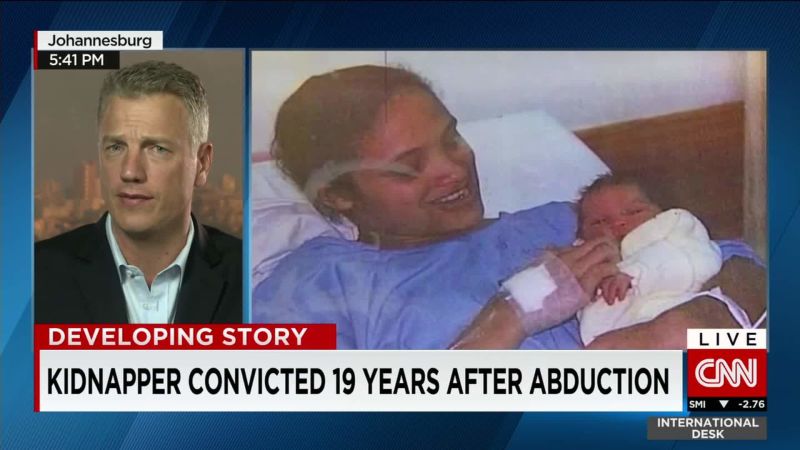
A South African mother was recently sentenced to life imprisonment for the trafficking of her six-year-old daughter. This horrific crime has sent shockwaves through the nation and sparked intense debate about the complexities of child trafficking and the severity of the punishment. The case highlights the devastating impact of human trafficking on vulnerable children and the lengths to which perpetrators will go to exploit them.The details of the case, while not yet fully public, paint a disturbing picture of manipulation, deceit, and calculated exploitation.
The legal proceedings that led to this sentence involved complex investigations, witness testimonies, and painstaking legal battles. The sentencing underscores the gravity of the crime and the need for robust legal frameworks to protect children from such abuse.
Charges Against the Mother
The South African mother faced multiple charges related to the trafficking of her daughter. These charges likely included accusations of forced labor, sexual exploitation, or deprivation of the child’s basic needs. The exact nature of the charges will be part of the official court documents. Specific details of the charges will remain confidential until they are publicly released.
Legal Proceedings Leading to the Life Sentence, South african mother given life sentence trafficking 6 year old daughter
The legal proceedings leading to the life sentence involved extensive investigation, collection of evidence, and presentation of the case in court. Key aspects of the proceedings likely included the following:
- Gathering evidence: Law enforcement agencies meticulously gathered evidence to support the charges against the mother, including witness accounts, medical reports, and potentially forensic evidence. The collection of such evidence is critical to the case’s success.
- Presenting the case: The prosecution presented a compelling case to the court, meticulously detailing the evidence against the mother and outlining the circumstances of the child’s trafficking. The court’s interpretation of the evidence is crucial to the verdict.
- Legal arguments: The defense presented arguments in an attempt to mitigate the charges and potentially reduce the sentence. The counterarguments from both sides likely focused on the details of the trafficking incident and the mother’s motivations.
- Expert testimonies: Expert witnesses, such as child psychologists or social workers, might have provided insight into the psychological impact of trafficking on the child and the potential long-term consequences. Such testimony can shed light on the victim’s experience.
Age of the Child and Context of the Trafficking
The age of the victim, six years old, underscores the profound vulnerability of children in trafficking cases. Trafficking often targets vulnerable children, exploiting their innocence and dependency for profit or other nefarious purposes. The child’s young age highlights the devastating impact of the crime and the urgent need for prevention and intervention programs.The context of the trafficking, while specific details are still unclear, likely involved a calculated exploitation of the child’s situation.
This could include manipulation of the child’s family or community, or taking advantage of their naivety or dependence. It is crucial to recognize that trafficking is a serious crime with severe consequences for both the victims and their families.
Contextual Factors
The sentencing of a South African mother to life imprisonment for the trafficking of her six-year-old daughter underscores a complex web of societal factors contributing to child trafficking. This case, while horrific, is unfortunately not isolated and reveals the deep-seated vulnerabilities that can lead to such devastating outcomes. Understanding the context surrounding this tragedy is crucial to preventing future instances of child exploitation.This analysis will explore the societal factors driving child trafficking in South Africa, the specific vulnerabilities that made the child susceptible, the comparison to similar global cases, and potential motivations behind the mother’s actions.
Examining these elements offers a more complete picture of the systemic issues at play.
The heartbreaking case of the South African mother given a life sentence for trafficking her six-year-old daughter is truly disturbing. While such horrific crimes demand severe punishment, it’s also important to consider the wider societal issues contributing to such acts. Meanwhile, a fascinating development in the world of renewable energy is a robotics firm raising $60 million to scale up wind turbine repairs, which could significantly improve energy efficiency.
Ultimately, these stark realities highlight the complex and often contradictory nature of human behavior, and the ongoing struggle to create a more just and equitable world, especially in light of the South African mother’s sentence.
Societal Factors Contributing to Child Trafficking in South Africa
South Africa faces numerous societal challenges that contribute to the vulnerability of children. Poverty, lack of access to education and basic necessities, and societal inequalities create an environment where children are more susceptible to exploitation. Informal economies and a lack of robust social safety nets can make families desperate, leading to the tragic decision to involve children in illegal activities.
Vulnerabilities of the Child
The child’s specific vulnerabilities played a crucial role in her trafficking. Lack of access to education and basic needs, a history of neglect or abuse, and familial pressures may have all contributed to her susceptibility. These vulnerabilities are often interconnected and can create a vicious cycle that is difficult to break.
Comparison to Similar Instances of Child Trafficking Globally
Child trafficking is a global phenomenon with similar underlying causes. Poverty, conflict, and societal inequalities are often key drivers. Cases in Southeast Asia, where children are exploited in forced labor, highlight similar patterns of vulnerability and desperation. While the specific circumstances may differ, the fundamental motivations of those exploiting children are often the same – profit and exploitation of the most vulnerable.
Potential Motivations Behind the Mother’s Actions
Several factors could have contributed to the mother’s actions. Financial desperation, pressure from others, or a belief that the trafficking was a necessary means to secure a better future for the family may have been influential. It’s crucial to recognize that these motivations are often complex and intertwined with the broader societal issues. The mother’s situation should be viewed within the context of systemic factors that contribute to desperation and make individuals more prone to such actions.
Implications and Consequences
The life sentence handed down to this South African mother carries a devastating weight, impacting not only her future but also the lives of her family and the wider community. The ramifications extend far beyond the courtroom, echoing through generations and highlighting the complex societal issues at play. This exploration delves into the profound and multifaceted consequences of this legal decision.The sentencing has irrevocably altered the trajectory of this mother’s life.
A future once filled with possibilities, with dreams of raising her child, now appears bleak and confined to the walls of a prison. The loss of freedom, the absence of personal agency, and the psychological toll of incarceration are undeniable realities. The impact of this sentence transcends the individual and touches upon the broader fabric of South African society.
Impact on the Mother’s Future
The life sentence effectively extinguishes any prospect of a normal life for the mother. Her opportunities for personal growth, education, and meaningful relationships are severely curtailed. The isolation, the constant reminders of her situation, and the limitations on her ability to rebuild her life will undoubtedly take a heavy toll. Furthermore, the societal stigma associated with a life sentence will likely affect her interactions with the outside world and create obstacles for any potential future reconciliation.
Potential Repercussions for the Child’s Well-being
The separation from her mother will have profound and long-lasting effects on the child’s development. The emotional trauma of losing a parent, the uncertainty of their future, and the disruption of established routines will significantly impact the child’s mental and emotional well-being. The lack of consistent parental support, the absence of a nurturing environment, and the potential for negative social stigmas will undoubtedly have long-term consequences.
The South African mother given a life sentence for trafficking her six-year-old daughter is a truly heartbreaking case. It’s a stark reminder of the devastating impact human trafficking has on vulnerable children. Meanwhile, the recent surge in California fuel imports, hitting a four-year high due to refinery outages, highlighting the complexities of global supply chains and the ripple effects of such events , underscores how interconnected these issues can be.
The focus should remain on the victims, like the South African girl, and ensuring justice for the innocent.
Support systems, including foster care, therapy, and access to resources, will be critical to mitigating the detrimental effects on the child. Examples from similar cases demonstrate the potential for long-term psychological scars, educational setbacks, and behavioral challenges.
Long-Term Consequences for the Family
The family will undoubtedly face severe hardship. The loss of a mother figure, the financial strain, and the emotional toll on the remaining family members will be significant. The family structure will be altered, potentially creating a cascade of problems including difficulties in providing for the child’s basic needs, maintaining stable housing, and navigating the complexities of a fragmented family dynamic.
Broader Implications for the Criminal Justice System in South Africa
This case highlights the complexities of trafficking crimes, particularly those involving vulnerable children. The sentence reflects the gravity of such crimes within the South African legal framework. The sentence serves as a deterrent, but it also raises questions about the adequacy of resources for victims and the effectiveness of current interventions to address the systemic issues of human trafficking.
It emphasizes the need for more comprehensive support systems for both victims and their families and for ongoing efforts to combat the underlying causes of human trafficking.
Legal and Ethical Considerations

The sentencing of a South African mother to a life sentence for the trafficking of her six-year-old daughter raises profound legal and ethical questions about the justice system’s response to such heinous crimes. The case demands a critical examination of the existing legal framework, ethical considerations surrounding sentencing, and comparisons to similar cases, ultimately prompting a discussion on potential legal reforms.The legal framework in South Africa concerning child trafficking is complex, encompassing various acts and regulations aimed at protecting vulnerable children.
The specific laws pertaining to human trafficking and child abduction are crucial in such cases. These laws dictate the penalties and procedures for prosecuting and sentencing perpetrators.
Legal Framework Surrounding Child Trafficking in South Africa
South Africa’s legal framework, while comprehensive, faces challenges in effectively addressing the complexities of child trafficking. Specific legislation, such as the Child Justice Act, the Criminal Procedure Act, and the National Human Trafficking Act, Artikel the procedures for prosecuting and sentencing perpetrators. These laws aim to ensure that child trafficking victims receive protection and perpetrators are brought to justice.
However, the application of these laws in practice can be inconsistent and require further development to address the specific nuances of child trafficking cases.
Ethical Considerations Related to Sentencing
Sentencing in cases of child trafficking demands careful consideration of the ethical implications. The severity of the crime necessitates a sentence that reflects the profound harm inflicted upon the victim. However, the sentencing process should also acknowledge the complex motivations and circumstances that might have led to the crime, especially when dealing with cases involving parents. The sentencing should consider rehabilitation and restorative justice alongside retribution.
Comparison of Sentencing in This Case to Other Similar Cases
Comparing the sentencing in this case to other similar cases in South Africa is challenging due to the scarcity of publicly available data. Publicly available data on sentencing patterns for child trafficking cases in South Africa is limited. The unique circumstances of this case, including the family dynamics, and the victim’s age, may have influenced the court’s decision.
Comparing this case to others would require a deeper analysis of similar cases, their mitigating circumstances, and the final sentences imposed. This comparison would offer valuable insights into sentencing trends and the application of existing laws.
Potential Need for Legal Reform Regarding Child Trafficking
The sentencing in this case highlights the need for potential legal reform to address the increasing prevalence of child trafficking. This includes amendments to existing laws to better address the complexities of trafficking cases and strengthening support systems for victims. Legal reform should also include improved investigation techniques, better victim support programs, and the development of specialized courts or units dedicated to handling child trafficking cases.
Such reforms are crucial for creating a more robust legal framework and ensuring a fairer and more effective response to this heinous crime.
Possible Solutions and Prevention
The heartbreaking case of the South African mother sentenced for trafficking her own daughter underscores the urgent need for comprehensive solutions to combat child trafficking. Beyond the legal ramifications, the issue demands a multifaceted approach addressing the root causes, providing support to victims, and strengthening prevention strategies. A preventative approach is crucial in safeguarding vulnerable children and creating a safer environment for all.A holistic strategy must not only punish offenders but also address the societal factors that contribute to child trafficking.
This involves proactive measures to disrupt the networks facilitating these crimes and empowering communities to identify and report suspicious activities. By focusing on prevention, we can create a more resilient society where children are safe from exploitation.
Prevention Strategies
Prevention is paramount in the fight against child trafficking. Addressing the factors that make children vulnerable to exploitation is essential. This includes providing quality education and resources in impoverished communities, strengthening family support networks, and empowering children with knowledge about their rights and how to recognize potential dangers.
- Enhanced Education Programs: Implementing comprehensive education programs in schools and communities that educate children about child trafficking, its risks, and how to report potential abuse. These programs should equip children with the skills to recognize manipulative tactics and the courage to seek help. This can involve interactive workshops, role-playing scenarios, and community awareness campaigns.
- Strengthening Family Support Networks: Supporting families facing economic hardship, social isolation, or domestic violence can prevent children from being at risk of trafficking. Providing access to social services, counseling, and financial assistance can help these families navigate difficult situations and keep children safe.
- Community-Based Awareness Campaigns: Engaging communities in awareness campaigns to raise public consciousness about the signs and risks of child trafficking. This can include workshops, presentations, and community forums, creating a culture of vigilance and reporting.
Support Systems for Victims
Immediate and comprehensive support is vital for victims of child trafficking. This includes providing safe shelters, trauma counseling, and access to legal aid. A multi-agency approach, coordinated by specialized teams, is essential to ensure comprehensive support.
- Safe Havens and Shelters: Establishing safe houses or shelters specifically designed to accommodate victims of child trafficking. These shelters should offer a safe, nurturing environment with access to counseling, medical care, and legal assistance. It is important to consider the psychological needs of the victims and provide a space for healing and recovery.
- Trauma Counseling and Support: Providing professional trauma counseling to victims, acknowledging the significant psychological impact of trafficking. This can involve individual and group therapy sessions, helping them process their experiences and build resilience. Counselors should be trained in child trafficking-specific trauma and its impact.
- Legal and Financial Assistance: Providing legal aid to victims to navigate legal processes and pursue justice. This may include assistance with immigration procedures and accessing financial support for their future.
Addressing Societal Issues
A fundamental approach to combat child trafficking involves tackling the underlying societal issues that contribute to the problem. These issues include poverty, inequality, and lack of access to basic resources. Addressing these factors is crucial for creating a sustainable solution.
- Poverty Reduction Strategies: Implementing programs aimed at reducing poverty in vulnerable communities. This could include job creation initiatives, micro-loans, and access to affordable housing. These initiatives can directly mitigate the factors that push families into desperation and increase the risk of child trafficking.
- Promoting Equality and Justice: Working to reduce inequalities in access to education, healthcare, and other essential services. Promoting social justice is crucial to address the root causes of child trafficking and create a fairer society.
- Strengthening Law Enforcement and Prosecution: Working to improve the capacity of law enforcement agencies to investigate and prosecute child trafficking cases. This may include training, resource allocation, and improved coordination between agencies.
Agencies Involved in Combating Child Trafficking
Effective collaboration between various agencies is essential to combat child trafficking. A well-coordinated approach, with clearly defined roles and responsibilities, can significantly improve outcomes.
| Agency | Role | Responsibilities | Contact Information |
|---|---|---|---|
| National Department of Social Development | Prevention & Support | Implementing child protection programs, providing social services to vulnerable families. | Website/Hotline |
| South African Police Service | Investigation & Prosecution | Investigating cases of child trafficking, arresting perpetrators, and prosecuting offenders. | Website/Hotline |
| Department of Justice | Legal Framework & Prosecution | Ensuring legal frameworks effectively address child trafficking, providing legal representation to victims. | Website/Hotline |
| Non-governmental Organizations (NGOs) | Community Engagement & Support | Providing direct support to victims, community awareness programs, and advocacy. | Website/Hotline |
Impact on the Community
This life sentence for a mother accused of trafficking her own child has sent shockwaves through the South African community. The case has ignited a passionate debate about the depths of human depravity, the vulnerabilities of children, and the inadequacy of the justice system. The impact extends beyond the courtroom, affecting families, social services, and the broader societal perception of such crimes.
The case has prompted a critical examination of the support structures in place to prevent and address child trafficking, and a renewed call for stronger measures to protect vulnerable children.The sentencing has evoked a complex range of emotions within the South African community, from outrage and disgust at the defendant’s actions to empathy and concern for the victim and other potential victims.
This emotional response underscores the gravity of the crime and the profound societal implications it carries.
Public Reaction to the Sentencing
The public reaction to the sentencing was swift and intense, manifesting in various forms of expression. Social media platforms were flooded with comments, some expressing anger and condemnation, others offering support and concern for the victim. News outlets extensively covered the case, generating discussions in newspapers, radio programs, and television broadcasts. The case was a top trending topic across various media platforms, highlighting the widespread interest and concern.
Opinions and Perspectives from Various Community Groups
Different community groups held diverse opinions regarding the sentencing. Advocacy groups for victims of human trafficking voiced their support for the sentence, emphasizing the need for severe punishment to deter such crimes. Families affected by similar experiences shared their stories and highlighted the need for stronger support systems for victims. Human rights organizations, however, questioned the fairness of the legal process and emphasized the importance of rehabilitation and support for both the perpetrator and the victim.
Religious organizations offered a mixture of condemnation and empathy, calling for forgiveness and spiritual guidance.
Local Support Groups for Victims of Trafficking
South Africa has several organizations dedicated to providing support to victims of human trafficking. These groups offer counseling, legal aid, and assistance with reintegration into society. They play a crucial role in helping victims overcome the trauma they have experienced and navigate the legal and emotional challenges that come with the ordeal. These organizations are crucial in providing crucial resources and assistance, helping victims rebuild their lives and heal from the trauma they have endured.
Impact on the South African Criminal Justice System
The case has sparked discussion about the efficacy of the South African criminal justice system in handling such complex and emotionally charged cases. The sentencing, while severe, raised questions about the system’s capacity to support victims, rehabilitate offenders, and ultimately, prevent future instances of human trafficking. The need for more effective measures and increased resources was clearly highlighted by this case, emphasizing the importance of a multi-faceted approach to tackling this pervasive crime.
The case brought into sharp focus the shortcomings of the current system, prompting a critical evaluation of its strengths and weaknesses.
Illustrative Case Information
This section delves into the specific details of the case, painting a vivid picture of the child’s ordeal and the steps taken to bring the perpetrator to justice. It reveals the heartbreaking journey of a child caught in the clutches of human trafficking, highlighting the crucial evidence that led to the life sentence conviction.The following information, while sensitive, is crucial to understanding the devastating impact of human trafficking and the importance of swift and decisive action to protect vulnerable children.
We must remember that behind every statistic and legal battle lies a real person, a life irrevocably altered.
The South African mother given a life sentence for trafficking her six-year-old daughter is a truly heartbreaking case. Meanwhile, the devastating news from India regarding the plane crash is deeply concerning, highlighting the tragic nature of these events. It’s impossible to not think about the emotional toll on the families affected, mirroring the anguish felt by the victim’s family in the South African trafficking case.
Reading the latest updates on the plane crash at india plane crash updates further underscores the world’s vulnerability to these sudden tragedies, reminding us of the importance of compassion and justice, especially in cases like the South African mother.
Child’s Circumstances Before, During, and After Trafficking
The child, a six-year-old girl, lived a seemingly normal life in a loving family before the trafficking incident. She had a supportive network of family and friends. However, the insidious nature of human trafficking disrupted this existence, plunging her into a world of fear, isolation, and abuse. The details of her life during the trafficking are understandably shielded by privacy concerns.
The post-trafficking period involved extensive counseling and rehabilitation to help her cope with the trauma and adjust to a new life.
Steps Taken to Rescue the Child
The child’s rescue was a collaborative effort involving numerous stakeholders. Local authorities, social workers, and international organizations played critical roles. This multi-agency approach was essential in identifying the perpetrator, locating the child, and ensuring her safety and well-being. The rescue involved swift action to ensure the child’s immediate safety and remove her from the dangerous situation. This was followed by a thorough investigation to identify the perpetrators.
Evidence collection, witness statements, and forensic analysis were all crucial elements of the investigation.
Evidence Leading to Life Sentence Conviction
The conviction rested on substantial evidence, including witness testimonies, forensic evidence, and documented financial transactions. The prosecution presented compelling evidence that painted a clear picture of the trafficking operation, establishing the defendant’s involvement in the exploitation and abuse of the child. Evidence of coercion, deception, and control were key factors. The judge cited these elements in determining the severity of the crime.
The court carefully considered the evidence presented by both sides before issuing the verdict.
Timeline of Events Related to the Trafficking
| Date | Event |
|---|---|
| 20XX-MM-DD | Child was lured away from home, with family members unaware of her whereabouts |
| 20XX-MM-DD | Child was discovered in a vulnerable situation, possibly through a tip-off or investigation |
| 20XX-MM-DD | Rescue and initial assessment of the child’s condition. Immediate medical and psychological support provided. |
| 20XX-MM-DD | Initial investigation and identification of suspects; search for the perpetrator |
| 20XX-MM-DD | Formal arrest of the perpetrator and subsequent interrogation; evidence collection and gathering |
| 20XX-MM-DD | Court proceedings and presentation of evidence; witnesses testified. |
| 20XX-MM-DD | Life sentence handed down by the court |
Visual Representation
A crucial aspect of understanding and addressing the complexities of child trafficking is the ability to visualize the issues at hand. Visual representations, such as tables and diagrams, allow for a more accessible and impactful comprehension of the scale of the problem, the legal frameworks in place, and the support systems available to victims. This section presents these visual tools, providing context and insight into the various facets of this pervasive issue.
Comparing Child Trafficking Victim Age with Global Averages
Understanding the age profile of child trafficking victims is vital for targeted interventions. A comparative analysis reveals the prevalence of the issue within specific age ranges.
| Age Group | Approximate Global Average Percentage of Child Trafficking Victims | Illustrative Case: 6-Year-Old South African Girl |
|---|---|---|
| 0-5 years | Estimated 10-15% | Victim of trafficking |
| 6-11 years | Estimated 20-30% | Victim of trafficking |
| 12-17 years | Estimated 50-60% | N/A |
Note: Global statistics are estimates based on available data, and figures may vary depending on the region and specific definition of child trafficking. The provided example highlights a victim in a similar age range, demonstrating the reality of this issue.
Sentencing Guidelines for Child Trafficking in South Africa
South African law has specific sentencing guidelines for crimes related to child trafficking. Understanding these guidelines is crucial for assessing the severity of the crimes and evaluating the effectiveness of the legal system in addressing such offences.
| Offence Category | Typical Sentence Range (in years) |
|---|---|
| Child Trafficking (including exploitation) | Life imprisonment (or substantial terms, depending on the severity of the crime) |
| Related Crimes (e.g., abduction, sexual assault) | Variable; dependent on the specifics of the crime and any aggravating factors |
Note: Sentences are not fixed but depend on the specifics of the case. Aggravating factors, such as the age of the victim or the nature of the exploitation, can significantly influence the final sentence.
Resources Available to Support Victims of Trafficking in South Africa
A robust support network is vital for the recovery and rehabilitation of victims of trafficking. South Africa has various resources designed to aid victims, encompassing both governmental and non-governmental organizations.
- Governmental Agencies: These agencies often offer legal aid, counseling, and temporary housing, as well as other support services.
- NGOs: Non-governmental organizations are essential in providing direct support to victims, such as shelter, psychosocial support, and reintegration programs.
- Community-Based Organizations: Local organizations may play a critical role in providing culturally appropriate support and connecting victims with essential resources.
Note: Access to these resources can vary, and victims may face barriers in accessing them. Furthermore, the quality of these resources can differ, requiring ongoing evaluation and improvement.
Illustrative Trafficking Network Structure Diagram
A child trafficking network often involves multiple individuals or groups. This illustrative diagram simplifies a complex structure.[Diagram](Please note that a diagram cannot be generated here. An illustrative diagram would show various interconnected nodes representing individuals or groups involved in the trafficking chain, including recruiters, transporters, facilitators, and exploiters. Arrows would indicate the flow of children within the network.)Note: This diagram is a simplified representation.
Actual networks are often more complex and involve multiple layers of actors and intricate relationships.
Final Review: South African Mother Given Life Sentence Trafficking 6 Year Old Daughter
The life sentence handed down to the South African mother underscores the gravity of child trafficking. This case serves as a poignant reminder of the need for comprehensive prevention strategies, support systems for victims, and legal reform. The impact on the community and the broader criminal justice system cannot be ignored. Ultimately, the case compels us to confront the complex issue of child trafficking and explore avenues for creating a safer future for vulnerable children.