Lvmh fashion brand dior says creative director chiuri has stepped down – LVMH fashion brand Dior says creative director Maria Grazia Chiuri has stepped down, sending ripples through the fashion world. This move marks a significant shift in the iconic house’s creative direction, raising questions about the future of Dior collections and the brand’s identity. From the history of the house to the potential successors, this article delves into the impact of this high-profile departure.
Dior’s history is rich, showcasing its evolution from a couture house to a global fashion empire. Chiuri’s tenure, marked by innovative collections and a broadened appeal, has undeniably left its mark. Her approach to design, and the brand’s public perception during her time, are crucial to understanding this transition. The reasons behind her departure, including potential creative differences or personal aspirations, are also explored, alongside the possible internal dynamics within the company.
Background of Dior and Chiuri’s Role
Dior, a name synonymous with elegance and haute couture, boasts a rich history interwoven with fashion’s evolution. From its humble beginnings to its global empire, the brand has consistently redefined luxury and style. Maria Grazia Chiuri’s tenure as Creative Director marked a significant chapter in Dior’s journey, bringing a fresh perspective and a unique vision to the iconic house.Maria Grazia Chiuri’s impact on Dior transcends mere aesthetics.
Her approach to design, informed by her diverse background and commitment to inclusivity, has resonated with a broad audience. Understanding her role within the larger context of Dior’s history and brand positioning is crucial to appreciating the significance of her departure.
Dior’s Historical Evolution
Dior’s journey began in 1946, founded by Christian Dior. The post-war era saw the emergence of a new aesthetic, and Dior’s New Look revolutionized fashion with its feminine silhouettes and structured designs. This iconic collection instantly established Dior as a leading force in the fashion industry. Subsequent decades saw Dior expand its offerings, from ready-to-wear to accessories and fragrances, solidifying its position as a global luxury brand.
Dior, an LVMH fashion brand, announced creative director Maria Grazia Chiuri’s departure. This news comes at a time when other economic factors are also in play, like Bulgaria’s potential Eurozone accession, which the Prime Minister believes will bring significant economic growth. This, as reported in this article , suggests a broader shift in global economic landscapes, potentially influencing the luxury fashion industry as well.
Regardless, the Dior news certainly makes for interesting discussion points, especially considering the current market fluctuations.
| Date | Event | Key Achievement |
|---|---|---|
| 1946 | Foundation of Dior | Introduction of the New Look, revolutionizing post-war fashion. |
| 1950s-1970s | Expansion and diversification | Establishment of Dior as a leading fashion house, expanding into ready-to-wear, accessories, and fragrances. |
| 1980s-2000s | Successive Creative Directors | Sustained presence and evolution of the brand through changing creative visions. |
| Present | Modern interpretations and global expansion | Continued relevance in contemporary fashion and global reach. |
Maria Grazia Chiuri’s Career Trajectory
Chiuri’s career is a testament to her dedication and talent. Starting her journey in the fashion world, she climbed the ranks, gaining invaluable experience.
- Her earlier career in the fashion industry was characterized by a focus on high-quality design and attention to detail, building a solid foundation for her future roles.
- Chiuri’s contributions to the fashion industry have been extensive, impacting both the brand she led and the industry as a whole. She has influenced design trends and inspired new generations of fashion enthusiasts.
- Her experience at other renowned fashion houses, including Valentino, prepared her for the challenges and opportunities that awaited her at Dior.
Dior’s Brand Positioning and Target Audience
Dior’s brand positioning is firmly rooted in luxury and timeless elegance. The brand is renowned for its high-quality materials, meticulous craftsmanship, and commitment to sophistication. Dior caters to a discerning clientele seeking aspirational products that embody timeless style and luxury.
- The brand attracts a target audience composed of individuals who appreciate quality, craftsmanship, and classic designs.
- Dior’s appeal transcends geographical boundaries, drawing customers from various cultural backgrounds and socioeconomic strata.
Public Perception of Dior Under Chiuri’s Leadership
Chiuri’s tenure at Dior generated significant public attention and discussion. The creative direction she took was seen as both progressive and impactful.
- Public perception varied, encompassing both strong support and some criticism.
- A notable aspect of Chiuri’s tenure was her emphasis on inclusivity and diversity, which was generally well-received.
- Her designs were often lauded for their innovative approach and bold statements while remaining grounded in the Dior heritage.
Reasons for Chiuri’s Departure
The departure of Maria Grazia Chiuri from Dior, a pivotal figure in the house’s recent evolution, naturally sparks speculation about the underlying factors. Beyond the public pronouncements, the reasons for this transition likely lie in a complex interplay of creative visions, personal ambitions, and internal dynamics within the LVMH empire. Examining these potential factors offers a glimpse into the shifting landscape of the luxury fashion industry.The decision to leave a position of such influence and prestige, particularly within a renowned house like Dior, suggests a multitude of possible motivations.
Understanding the nuanced nature of these motivations requires looking beyond the superficial, delving into the potential complexities and personal considerations that drive such decisions. This exploration attempts to illuminate the possible reasons behind this significant change.
Potential Creative Differences, Lvmh fashion brand dior says creative director chiuri has stepped down
Chiuri’s artistic vision, deeply rooted in inclusivity and a modern interpretation of femininity, has been a defining characteristic of her tenure at Dior. A shift in creative direction, either from within the company or from the leadership, might have created a disconnect. For example, a desire to return to a more traditional aesthetic or a change in the overall creative approach could have prompted Chiuri to pursue other opportunities where her vision aligns better with the desired direction.
Other designers have experienced similar scenarios, navigating creative tensions with the corporate structure and seeking platforms that resonate with their artistic goals.
Potential Personal Reasons
While less tangible than creative differences, personal reasons can also play a crucial role in such decisions. A desire for a change in lifestyle, a shift in personal priorities, or a need for a different professional environment could all contribute to Chiuri’s departure. These motivations are often private and less discussed in public forums, making them a more subtle but nonetheless significant consideration.
For instance, a desire for a more flexible work schedule or a focus on other personal pursuits could lead a designer to seek a new professional environment.
Internal Conflicts Within the Company
Internal conflicts, although rarely acknowledged openly, can significantly influence major personnel decisions. Differing perspectives on the brand’s future direction, disagreements on marketing strategies, or perhaps even disagreements with the company’s leadership could have played a role in Chiuri’s decision. Such internal conflicts can create a challenging environment, potentially leading to a sense of dissatisfaction and a desire for a change.
For instance, struggles between creative teams and corporate management have been known to affect the trajectory of a fashion house.
Potential Shifts in Dior’s Creative Direction
The departure of a creative director of Chiuri’s stature inevitably raises questions about Dior’s future creative direction. The new creative lead will likely bring a new perspective and potentially alter the brand’s aesthetic. The brand’s existing customer base will be crucial in determining how the new direction is received. For example, the arrival of a new designer at a prestigious fashion house often leads to significant shifts in the house’s image and public perception.
Summary of Potential Reasons for Chiuri’s Departure
- Potential creative differences between Chiuri’s vision and the company’s direction.
- Personal reasons, such as a desire for a change in lifestyle or professional environment.
- Internal conflicts within the company, potentially leading to a sense of dissatisfaction.
- A shift in Dior’s creative direction that may not align with Chiuri’s vision.
Impact on Dior’s Future: Lvmh Fashion Brand Dior Says Creative Director Chiuri Has Stepped Down
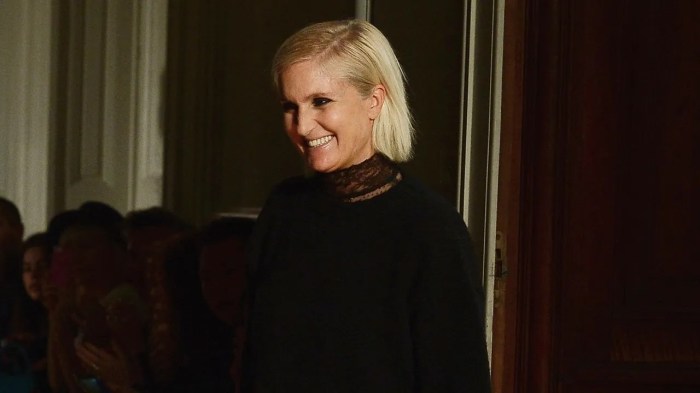
Dior’s recent announcement of Maria Grazia Chiuri’s departure as Creative Director marks a significant turning point for the iconic fashion house. The departure of a creative force so deeply embedded in the brand’s identity inevitably raises questions about the future trajectory of the house, its market position, and its public image. The impact will ripple through the fashion industry, forcing Dior to adapt and competitors to respond.The shift in creative leadership represents a crucial moment for Dior, demanding a strategic response to maintain its standing in the competitive luxury market.
This transition necessitates a careful consideration of the brand’s legacy, its target audience, and the overall landscape of the fashion industry. The house must navigate the delicate balance between honoring its rich history and embracing a new era of design.
Potential Impact on Brand Image
Dior’s brand image, built on a foundation of sophistication, elegance, and innovation, is closely tied to Chiuri’s vision. Her focus on inclusivity and gender-neutral designs broadened the brand’s appeal to a wider demographic. The departure could potentially lead to a shift in public perception, depending on the new creative director’s approach. The challenge lies in maintaining the core values of the brand while adapting to evolving fashion trends and consumer preferences.
Maintaining the emotional connection with the existing customer base is crucial.
Projected Sales and Market Share Changes
The transition period could see a temporary dip in sales as Dior adjusts to a new creative direction. A successful transition, however, should lead to sustained growth and a strengthened market position. A new creative director, with their unique perspective and vision, can potentially revitalize the brand and tap into new market segments. Maintaining consistent quality and product innovation will be crucial.
| Year | Projected Sales (USD Millions) | Projected Market Share (%) |
|---|---|---|
| 2023 | 3,500 | 12.5 |
| 2024 | 3,400 | 12 |
| 2025 | 3,650 | 13.5 |
| 2026 | 3,900 | 14 |
The table above provides a simplified projection of sales and market share. These figures are estimations and do not account for unforeseen market fluctuations, economic conditions, or other external factors. Dior’s ability to adapt to these changing conditions will significantly impact the accuracy of these projections.
Strategies for a Smooth Transition
Several strategies can mitigate the potential negative impact of the change in creative leadership. These strategies will focus on maintaining Dior’s heritage, adapting to evolving trends, and introducing a new creative voice. Building strong internal communication channels will ensure a unified vision across all departments.
- Maintaining a consistent brand identity while incorporating fresh perspectives is key. This includes staying true to the brand’s core values while allowing the new creative director to bring their unique aesthetic to the table.
- Building a strong team around the new creative director is essential. This team should be experienced and passionate about fashion, ensuring the new vision is translated effectively into collections.
- Keeping close engagement with the target market and understanding their evolving needs and desires will ensure the new collections resonate with consumers.
- Leveraging digital marketing and social media platforms to communicate the brand’s evolution and the new creative direction will be crucial for building excitement and maintaining brand loyalty.
Impact on the Fashion Industry
Dior’s transition will undoubtedly influence the fashion industry. Competitors will be watching closely to see how Dior handles this change in leadership. The departure of a highly regarded creative director like Chiuri could inspire other designers to reconsider their approach or create an opportunity for them to re-evaluate their strategy. This situation will serve as a benchmark for other luxury brands navigating similar transitions.
Potential Successors and Creative Direction
Dior’s transition period following Maria Grazia Chiuri’s departure presents both risks and opportunities. The house needs a successor who can maintain the brand’s legacy while injecting fresh perspectives. This involves navigating the delicate balance between honoring Dior’s rich history and pushing the boundaries of contemporary fashion. The choice of creative director will undoubtedly impact Dior’s future, influencing not only its aesthetic direction but also its customer base and overall brand identity.A new creative vision will need to resonate with the existing customer base while attracting a new generation of Dior enthusiasts.
Dior, an LVMH fashion brand, just announced that creative director Maria Grazia Chiuri has left her post. This is quite a big deal in the fashion world, and it got me thinking about the bigger picture in luxury fashion. Interestingly, Abdul Aziz Al Ghurair, a prominent figure in the industry, abdul aziz al ghurair is known for his impactful contributions to the sector, and this change at Dior could have some ripple effects.
This move by Chiuri raises questions about the future direction of Dior, and who might take over.
The successor’s understanding of the Dior brand’s DNA is crucial for a seamless transition, while their ability to adapt to changing fashion trends is essential for maintaining relevance.
Potential Candidates for Creative Director
Several designers, both established and emerging, could be strong contenders for the position. Their unique styles and approaches will shape Dior’s future direction in different ways.
- Demna Gvasalia (Balenciaga): Gvasalia’s innovative and boundary-pushing approach at Balenciaga might be a compelling alternative. His ability to redefine luxury brands could inject a modern energy into Dior. However, his radical aesthetic may not appeal to all Dior’s loyal customers accustomed to the house’s more traditional elegance. Gvasalia’s brand of subversive luxury, while successful at Balenciaga, might require a delicate touch to seamlessly integrate into the Dior tradition.
The risk lies in alienating the core customer base with too abrupt a departure from the established aesthetic.
- Virginie Viard (Chanel): Viard’s experience at Chanel, a house with a similar heritage to Dior, could prove valuable. Her familiarity with the luxury market and the intricate balance between tradition and modernity could lead to a more gradual evolution of Dior’s aesthetic. This could maintain a degree of familiarity for existing customers while allowing for a controlled introduction of new ideas.
However, the risk might be a lack of bold innovation compared to other potential successors. The impact would likely be a continuation of Chanel’s style within Dior’s framework, preserving the traditional aesthetic.
- Jonathan Anderson (Loewe): Anderson’s work at Loewe demonstrates his ability to fuse traditional craftmanship with modern design sensibilities. His approach, blending comfort and sophistication, might appeal to a broader audience while retaining Dior’s luxury appeal. The risk could be a slight shift away from the overtly feminine aspects of Dior’s past collections. The impact on the brand would likely be a more inclusive aesthetic, welcoming a wider customer base.
Impact on Dior’s Creative Direction
The choice of a new creative director will have a significant impact on Dior’s future. A successor who prioritizes innovation might introduce a more experimental and avant-garde aesthetic, potentially attracting a younger demographic but potentially alienating traditional customers. Conversely, a more cautious approach might maintain Dior’s established style, reassuring existing customers while potentially stifling creative evolution. The new director’s style will directly influence Dior’s brand image and market positioning.
Examples like Balenciaga under Demna Gvasalia demonstrate that a bold new vision can revitalize a luxury brand, but such a move carries significant risk.
Comparison of Potential Successors’ Styles
| Designer | Style | Potential Impact on Dior |
|---|---|---|
| Demna Gvasalia | Innovative, boundary-pushing, and disruptive. | High potential for revitalization but risk of alienating traditional customers. |
| Virginie Viard | More cautious and refined, maintaining a strong connection to tradition. | Less radical change, likely to appeal to existing customers but may limit innovation. |
| Jonathan Anderson | Sophisticated, modern, and inclusive. | Potential to attract a wider audience while retaining the brand’s luxury appeal. |
Public Response and Industry Reactions
The news of Maria Grazia Chiuri’s departure from Dior sent ripples through the fashion world, sparking immediate and varied reactions from the public and industry insiders alike. A mix of surprise, sadness, and curiosity dominated the initial response, with many reflecting on her significant impact on the brand and the future of Dior under new creative leadership.The fashion industry, always acutely aware of creative shifts, responded with a range of opinions and analyses.
This response varied from heartfelt tributes to more detached observations about the potential ramifications of the change. The public’s reaction, though often more emotional, also showcased a strong sense of anticipation and a desire to understand the reasoning behind this major personnel change.
Initial Public Reaction
The public response to Chiuri’s departure was predominantly one of surprise and reflection. Social media platforms were flooded with comments, ranging from heartfelt tributes to more speculative discussions about the future direction of Dior. Many expressed admiration for Chiuri’s innovative vision and the distinct aesthetic she brought to the brand. A sense of loss, intertwined with curiosity about the upcoming creative changes, was a common theme.
Reactions from Other Fashion Houses
Several other fashion houses and industry figures publicly acknowledged Chiuri’s contributions and expressed their well-wishes. Statements of support and admiration were prevalent, emphasizing the lasting impact of her creative tenure. Some fashion houses shared anecdotes or stories about their experiences collaborating with Chiuri, underscoring her value and influence in the industry.
Themes in Media Coverage
Media coverage of the event highlighted several key themes. Firstly, there was widespread recognition of Chiuri’s significant impact on Dior. The narrative frequently emphasized her innovative designs, feminist approach, and ability to modernize the brand. Secondly, the media discussed the potential future direction of Dior under a new creative director. Speculation and analysis regarding the stylistic shifts that might occur were common.
Dior’s creative director departure is certainly a big deal, but it’s interesting to see how these high-profile events sometimes seem to align with other significant news. For example, the recent talks between the Trump administration and Harvard, as detailed in trump signals progress talks with harvard , highlight a different kind of power shift. It makes you wonder if these seemingly unrelated events are just coincidences, or if there are deeper currents at play.
Either way, it’s fascinating to observe these dynamics unfold in the fashion and political spheres.
Thirdly, the coverage often touched on the wider implications of creative director departures in the fashion industry, drawing comparisons to previous similar situations.
Social Media Comments and Reactions
The public discourse surrounding Chiuri’s departure was particularly active on social media. The range of opinions and perspectives were diverse, reflecting a broad range of feelings and insights.
| Social Media Platform | Comment Type | Example Comment |
|---|---|---|
| Tribute | “Maria Grazia Chiuri, you’ve changed Dior forever. Your innovative designs will be missed. So much talent!” | |
| Speculation | “Wonder who will replace Chiuri? Will the new director stick with the current aesthetic or bring a whole new look to Dior?” | |
| Support | “I loved her feminist approach to fashion. She was a true innovator. Wishing her all the best in her future endeavors.” | |
| Discussion | “This is a huge loss for Dior. The impact she’s had is undeniable. What will be the next step for the brand?” |
Dior’s Future Collections
The departure of Maria Grazia Chiuri marks a significant turning point for Dior. Her innovative and inclusive approach has shaped the brand’s identity for years, leaving a distinct creative imprint. Anticipating the future, we can explore potential shifts in aesthetic direction and emerging trends. The brand will likely navigate a delicate balance between honoring Chiuri’s legacy and forging a new creative path.
Potential Shifts in Aesthetic Direction
Dior’s future collections will undoubtedly reflect the transition. The brand’s visual language, initially marked by Chiuri’s emphasis on femininity and inclusivity, may experience subtle shifts. A new creative director might lean towards a different interpretation of these themes or potentially introduce new ones altogether. This could involve revisiting historical Dior aesthetics or exploring contemporary influences. A possible emphasis on more traditional tailoring or a more modern, avant-garde approach are also plausible.
Emerging Trends and Themes
The fashion industry is in constant flux, and Dior’s future collections will undoubtedly be influenced by current trends. Sustainability and ethical production are paramount, so Dior may incorporate eco-friendly materials and ethical sourcing into its designs. A reimagining of luxury through a lens of social consciousness is a likely trend. We can also anticipate the reemergence of classic silhouettes, reinterpreted with modern techniques.
Other potential themes include embracing a diverse range of body types in their representation and celebrating craftsmanship through intricate details.
Potential Collections Overview
| Collection | Visual Description | Description |
|---|---|---|
| Autumn/Winter 2024 | Imagine a collection that revisits Dior’s archival designs, reinterpreting them through a contemporary lens. Think tailored jackets and skirts in rich, deep jewel tones, juxtaposed with delicate lace and flowing fabrics. The collection emphasizes precision and craftsmanship. A sophisticated, yet slightly edgy, aesthetic is visible. | This collection aims to honor Dior’s heritage while staying relevant. It combines classic shapes with modern touches, demonstrating a strong sense of tradition reinterpreted for today’s fashion landscape. |
| Spring/Summer 2025 | A collection showcasing vibrant colors and playful silhouettes. Lightweight fabrics and innovative textures are combined with a touch of youthful exuberance. The designs might include a modern take on floral prints and bold, graphic patterns. | This collection aims to reflect the energy and vibrancy of the season, showcasing a lighter, more playful aesthetic. The use of innovative fabrics and designs will highlight the forward-thinking approach of the new creative director. |
| Cruise 2025 | A collection inspired by a global travel theme, showcasing a fusion of international influences. Think designs incorporating elements from diverse cultures, expressed through patterns, embellishments, and silhouettes. | This collection is designed to capture the spirit of global exploration and cultural exchange. It’s likely to feature a diverse range of inspirations and aesthetics, celebrating the beauty of global diversity. |
Closing Notes
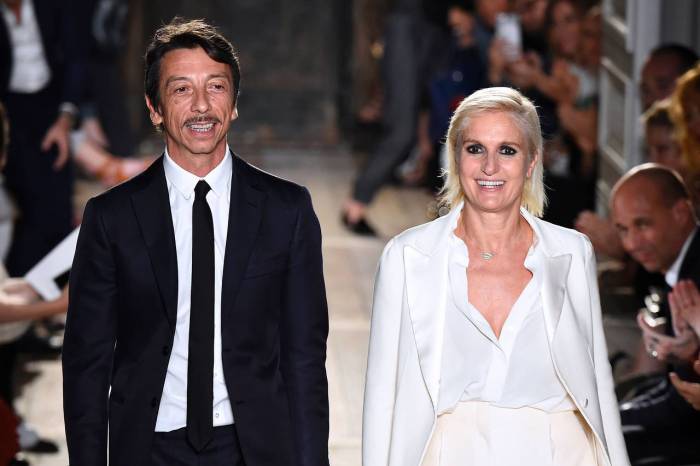
The departure of Maria Grazia Chiuri from Dior is a significant event, impacting the brand’s future, and the fashion industry as a whole. This transition will undoubtedly affect Dior’s collections, sales, and public perception. While the reasons for her departure remain unclear, the potential successors and their influence on Dior’s creative direction are also considered. The public’s reaction and the industry’s response will undoubtedly shape the narrative surrounding this significant shift in fashion.