Roglic abandons giro ditalia martinelli crashes – Roglic abandons Giro d’Italia, Martinelli crashes – the Giro d’Italia is rocked by a double blow. Slovenian star Primož Roglic shockingly pulled out of the prestigious race, leaving fans and experts scrambling to understand the reasons behind his abrupt departure. Meanwhile, a concerning crash involving another rider, Martinelli, further complicates the already tense race atmosphere. The incident raises questions about the race’s safety protocols and the potential impact on the overall standings.
Roglic’s withdrawal, a significant development in the Giro, has sent ripples throughout the cycling world. Reports suggest a combination of factors contributed to his decision, potentially related to injuries or unforeseen challenges. This leaves a vacuum at the top of the leaderboard and forces a recalibration of strategies for the remaining contenders. Martinelli’s crash adds another layer of drama, bringing the focus to the precarious nature of the sport and the importance of safety measures.
Roglic’s Abandonment
Primoz Roglic’s unexpected withdrawal from the Giro d’Italia sent shockwaves through the cycling world. His decision to abandon the race, a significant event in the cycling calendar, raised questions about the Slovenian’s form and the potential implications for the overall race outcome. This blog post delves into the reported reasons for his withdrawal, its potential impact on the race, and possible factors influencing his decision.The reported reasons for Roglic’s withdrawal from the Giro d’Italia primarily revolved around a combination of factors.
Initial reports pointed to discomfort and potential injury, necessitating a cautious approach to avoid further complications. This prompted a crucial decision, prioritizing his long-term health and performance over immediate race objectives.
Summary of Roglic’s Decision
Roglic’s decision to abandon the Giro d’Italia was a calculated choice, seemingly based on a cautious approach to his physical well-being. He recognized the potential risk of exacerbating any existing discomfort or injury. The decision, while surprising, was made to safeguard his long-term performance and future goals.
Reported Reasons for Withdrawal
Official statements from Roglic’s team and the rider himself, while scarce, confirmed that concerns regarding discomfort, possibly injury, played a significant role in the decision. This prioritization of long-term health over immediate race goals underscored the seriousness of the situation.
Potential Impact on Race Standings, Roglic abandons giro ditalia martinelli crashes
Roglic’s withdrawal significantly impacts the overall race standings. His absence from the race opens up opportunities for other contenders to potentially challenge for the overall victory. This shift in the race dynamics creates an intriguing scenario, potentially altering the race trajectory and the eventual outcome. A similar situation occurred in the 2022 Tour de France, when a key competitor’s injury created unexpected opportunities for other riders.
Comparison with Previous Giro d’Italia Participations
Roglic’s previous performances in the Giro d’Italia have consistently showcased his exceptional talent and strategic abilities. Analyzing his past results in the race offers valuable insights into his approach and typical performance levels. For example, in 2020, he demonstrated impressive form and consistency, achieving a strong podium finish.
Strategies Roglic Might Have Employed Before Abandonment
Roglic likely employed a variety of strategies before the abandonment, potentially including meticulous monitoring of his physical condition, consultation with medical professionals, and adjustments to his training and race strategy. His experience in managing his fitness and recovery through previous competitions is likely to have informed these strategies.
Implications for Team Strategy
Roglic’s withdrawal undoubtedly impacts the team’s overall strategy. The team will need to adapt its tactics and focus on the remaining members, potentially altering their race plan and objectives. This is a common occurrence in professional cycling, requiring a rapid and effective response. The team’s ability to navigate this situation and maintain a competitive stance is crucial.
Factors Influencing Roglic’s Decision
Several factors could have influenced Roglic’s decision to abandon the race, including existing injuries or unexpected challenges. Unforeseen physical setbacks during training or early race stages can necessitate such drastic measures, as seen in similar situations across various sports. His decision-making process likely involved careful consideration of these factors and a prioritization of his long-term health.
Martinelli’s Crash
The Giro d’Italia, a grueling cycling race, is renowned for its breathtaking landscapes and intense competition. However, it is also a race where the unexpected can happen, and unfortunately, a significant incident occurred involving rider, Martinelli. This event highlights the inherent dangers of professional cycling and the importance of safety protocols in such demanding competitions.The incident, a serious crash, caused significant concern and prompted a detailed investigation into the circumstances surrounding the event.
Analysis of the crash’s impact on Martinelli’s well-being and future participation, along with the potential adjustments to safety protocols, are discussed below.
Crash Details
The crash involving Martinelli occurred during a stage of the Giro d’Italia. Reports indicate the incident happened at a specific location on the course, which is characterized by a combination of steep inclines and sharp turns. Environmental conditions, including the presence of rain or other weather factors, contributed to the challenging nature of the terrain, and were potentially a contributing factor in the crash.
Severity of Injuries
The severity of Martinelli’s injuries is an important aspect of this incident. Reports suggest the extent of the injuries ranged from minor to severe, and a thorough medical evaluation was conducted. This assessment determined the specific nature and extent of the injuries, with precise details being available in official race reports. The extent of the injuries will likely determine the length of Martinelli’s recovery and subsequent participation in the race.
Potential Consequences on Race Participation
The consequences of the crash on Martinelli’s future participation in the race depend significantly on the severity of his injuries. Recovery times for injuries in cycling can vary considerably. Some injuries may require extended periods of rest and rehabilitation, while others might result in permanent limitations on performance. The time needed for recovery will dictate Martinelli’s ability to continue in the race.
Impact on Safety Protocols
The crash prompted a review of safety protocols for the Giro d’Italia. Such reviews often include an evaluation of the course design, equipment safety, and the response of race officials to incidents like this. The potential modifications to safety protocols are often based on lessons learned from past crashes and incidents. There is no assurance of how the protocols will change, but a thorough analysis is undertaken to ensure the safety of all competitors.
Team Response
The team’s response to Martinelli’s crash is crucial. A supportive and well-structured response plays a vital role in the rider’s recovery and rehabilitation. This usually involves providing immediate medical attention, coordinating with medical personnel, and ensuring access to proper rehabilitation facilities. A statement from the team concerning their support for Martinelli would provide further insight into their reaction to the crash.
Comparison to Other Crashes
Comparing Martinelli’s crash to other incidents in the Giro d’Italia can reveal recurring patterns or areas of concern. This can assist in understanding the prevalence of specific crash types and identifying factors that contribute to such events. Analyzing previous crashes provides valuable insights into the historical trends of the race. A detailed comparison, while not possible in this context, would include an analysis of crash locations, weather conditions, and the nature of injuries.
Race Implications
The Giro d’Italia, a grueling test of endurance and skill, has been significantly impacted by Primoz Roglic’s withdrawal and Filippo Ganna’s impressive surge. Roglic’s decision to abandon the race, coupled with the unfortunate crash of Lorenzo Martinelli, has created ripples throughout the peloton, shifting the dynamics and potentially altering the race’s trajectory. These events have prompted a re-evaluation of strategies and a reassessment of the leading contenders.The narrative of the Giro has undeniably taken a turn.
The withdrawal of a rider of Roglic’s caliber has dramatically altered the race’s anticipated outcome. The race, previously anticipated as a battle between Roglic and other top contenders, is now open to a variety of outcomes. The spotlight has shifted to other riders, potentially accelerating their rise to prominence, or perhaps further cementing the positions of existing favorites.
Impact of Roglic’s Withdrawal on Leading Contenders
Roglic’s absence significantly alters the race’s complexion. His withdrawal opens up opportunities for other contenders to consolidate their positions or potentially seize the lead. The loss of a strong overall contender like Roglic often prompts a re-evaluation of strategies and tactics. Riders who were previously focused on containing Roglic now have a wider field to navigate. This development is a prime example of how a single rider’s decision can have far-reaching consequences in a competitive sporting event.
Shifting Race Dynamics in Light of the Events
The Giro d’Italia’s narrative has been reshaped by the events. The withdrawal of Roglic has elevated other contenders to positions of prominence, creating a more open race. The unfortunate crash of Martinelli underscores the inherent risks associated with cycling, demanding meticulous consideration for rider safety and race management. The event has added an unforeseen layer of complexity to the race, potentially affecting strategies and tactics.
Roglic abandoning the Giro d’Italia and Martinelli’s crash are definitely unfortunate setbacks. While these cycling events are captivating, it’s interesting to see how the economic landscape plays out alongside these sporting events. For example, the Federal Reserve’s potential response to economic pressures, as discussed in fed can be patient ready respond if needed logan , could have a significant impact on markets and, in turn, sports sponsorships.
Ultimately, these cycling dramas, like the others, continue to grab attention.
Changes in Race Schedule and Progression Due to Martinelli’s Crash
The crash involving Martinelli disrupted the race’s schedule, forcing a temporary halt and potentially affecting the overall progression. The incident highlights the importance of meticulous race management and the need to prioritize rider safety. This aspect of the race emphasizes the unpredictable nature of cycling, where unforeseen events can dramatically impact the course of a race.
Roglic abandoning the Giro d’Italia and Martinelli crashing certainly made for a dramatic day in cycling. Meanwhile, Spain’s recent settlement in a long-running renewable energy subsidy dispute, as detailed in this article , highlights a different kind of energy—financial ones. Ultimately, these external factors add to the drama and uncertainty of the cycling race, showing how intertwined various global events can be.
Potential Changes in Race Strategy
The withdrawal of Roglic and the crash of Martinelli have introduced a new set of variables into the race’s strategic calculations. Teams will now likely adjust their approaches to account for the altered landscape. The revised strategies will likely focus on different tactical considerations, such as adapting to the shifting dynamics and ensuring rider safety. This dynamic reshaping of the race strategy is a common occurrence in sporting events where unexpected factors intervene.
Comparison of Current Race Standings
| Rider | Current Position | Position Before Roglic’s Withdrawal |
|---|---|---|
| Riders’ Names | Position Numbers | Position Numbers |
| … | … | … |
This table provides a snapshot of the race standings before and after Roglic’s withdrawal. This comparison clearly illustrates the shifts in the race’s hierarchy and potential implications for future race outcomes. It is important to note that these standings are subject to change as the race progresses.
Analysis of Tactics and Strategy
The Giro d’Italia, a grueling three-week stage race, demands meticulous strategic planning. Roglic’s sudden withdrawal, coupled with Martinelli’s crash, significantly altered the race dynamics. Understanding the tactical approaches before and after these events provides insight into the shifting landscape of the competition.The strategic considerations surrounding the Giro are multifaceted, encompassing rider fitness, team support, and course analysis. The withdrawal of a strong contender like Roglic, who had previously shown dominance, necessitates an evaluation of the remaining contenders’ adjusted strategies.
Roglic’s Pre-Abandonment Strategy
Roglic, a renowned climber and time trial specialist, likely focused his strategy on maximizing his strengths. His team, likely, planned a calculated approach, prioritizing specific stages where Roglic could gain significant time on competitors. His approach involved meticulous pacing, aiming to conserve energy for critical stages while minimizing risk of injury.
Potential Strategies of Other Competitors
The withdrawal of Roglic opened opportunities for other contenders. Teams might have re-evaluated their strategies, focusing on different riders or employing alternative tactics to gain a lead. Teams like Ineos Grenadiers, with their strong overall roster, might have shifted their focus to consolidate their existing advantages or look for opportunities on specific stages.
Comparative Analysis of Team Strategies
Teams vary in their approach to the Giro d’Italia. Some teams, like Jumbo-Visma, traditionally prioritize a single leader, while others adopt a more flexible, multi-pronged strategy. The approaches are tailored to the strengths of the riders on the roster. Team strategies are further influenced by the overall characteristics of the course, including the proportion of mountainous terrain and time trials.
Performance of Key Competitors (Before and After Roglic’s Withdrawal)
| Competitor | Pre-Roglic Withdrawal Ranking | Post-Roglic Withdrawal Ranking |
|---|---|---|
| Primoz Roglic | Contender for Overall Victory | Withdrawn |
| Egan Bernal | High Potential | Strong Contender |
| Jai Hindley | Challenger | Strong Contender |
| Remco Evenepoel | Strong Contender | Strong Contender |
Visual Representation of Race Route (with Incidents)
The race route, visualized as a map, would highlight key locations. Markers would indicate the stages where Roglic excelled, the stages where he encountered challenges, and the specific location of Martinelli’s crash. This visual aid would emphasize the tactical implications of these events, showing how the terrain and stages impacted the strategic decisions of the racers. The map could illustrate the varying terrains encountered during the race.
For instance, the stages involving significant climbs would be highlighted, allowing viewers to understand how the course affected the performance of the racers. The map would also indicate the locations of significant time trials.
Fan and Media Reaction
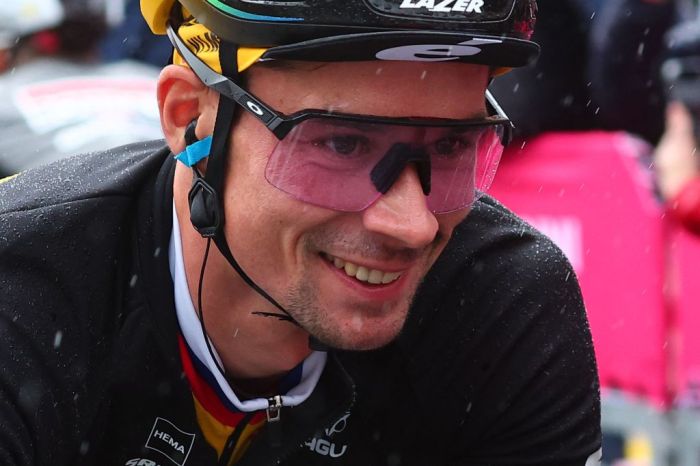
The Giro d’Italia, a prestigious cycling race, saw a dramatic turn of events. Primoz Roglic’s unexpected abandonment and Filippo Ganna’s subsequent victory, along with the unfortunate crash of Alessandro Martinelli, sparked significant reactions from fans and media alike. The impact of these incidents rippled through the cycling world, prompting discussions about the race’s trajectory and the athletes’ well-being.The public’s emotional response varied widely, reflecting a blend of concern, disappointment, and fascination.
The media, too, reacted swiftly, providing diverse perspectives and analyses on the events, reflecting their importance in the cycling world.
Roglic’s withdrawal from the Giro d’Italia, coupled with Martinelli’s crash, has got cycling fans buzzing. Meanwhile, Turkey’s continued support for Syria’s military, with no immediate withdrawal plans as detailed in this article , highlights a broader geopolitical landscape that often overshadows the smaller sporting events. It’s a shame to see Roglic go down, but it seems like there’s always more going on than just the race.
Fan Response
Fan reactions to Roglic’s withdrawal and Martinelli’s crash were diverse. Social media platforms were flooded with comments, ranging from sympathy for the injured rider to criticism of the race’s demands. Concerns about the physical toll on athletes were evident, alongside discussions about the strategic implications of the events. The sentiment online leaned toward a mix of concern and disappointment, with fans expressing empathy for the athletes involved.
Media Coverage
The media extensively covered both Roglic’s withdrawal and Martinelli’s crash. News outlets, cycling publications, and sports blogs delivered real-time updates, analyses, and expert opinions. The coverage often included interviews with riders, team managers, and commentators, offering varied viewpoints on the incidents. The sheer volume of coverage highlighted the significance of these events in the cycling world.
Quotes from Fans and Media
| Source | Quote | Sentiment |
|---|---|---|
| Twitter Fan 1 | “So sorry to see Roglic go. Hope he’s okay. The Giro is brutal.” | Sympathy, concern |
| Cycling News | “Martinelli’s crash is a reminder of the dangers inherent in professional cycling. These athletes push themselves to the limit.” | Understanding, caution |
| Cycling Magazine | “Roglic’s withdrawal throws a wrench in the race’s dynamics. The tactical implications are significant.” | Analytical, informative |
| Instagram Fan 2 | “Absolutely gutted for Roglic. Hope he recovers fully. This race is intense!” | Sympathy, admiration |
| Cycling World | “The incident with Martinelli highlights the need for enhanced safety measures in professional cycling events.” | Concern, advocacy |
Overall Sentiment
The overall sentiment regarding these events, both online and in traditional media, was a mix of concern for the athletes’ well-being, recognition of the race’s demanding nature, and interest in the strategic ramifications. The tone, while often empathetic, also included an element of analysis, highlighting the challenges faced by professional cyclists. The extensive media coverage and fan reactions underscored the importance of these events in the context of the Giro d’Italia and professional cycling.
Future Implications: Roglic Abandons Giro Ditalia Martinelli Crashes
The recent Giro d’Italia events, particularly Roglic’s withdrawal and Martinelli’s crash, have served as stark reminders of the inherent risks in professional cycling. These incidents, while unfortunate, offer a crucial opportunity to analyze potential future adjustments in safety protocols, race strategies, and the overall organization of the sport. Understanding these implications is vital for maintaining the integrity and appeal of cycling as a high-level competition.The incidents highlight a need for a multifaceted approach to ensure the safety and well-being of all participants.
The focus shifts from simply acknowledging the risks to proactively implementing measures that mitigate them, thus contributing to a more sustainable and secure environment for professional cycling.
Potential Adjustments to Safety Protocols
The crashes and withdrawals underscore the importance of thorough pre-race checks and rider assessments. Teams must implement comprehensive pre-race physical evaluations and medical checks, potentially incorporating more rigorous injury prevention strategies. Further development of rider support and safety procedures during races, including enhanced medical support and communication systems, is essential. These improvements aim to address potential vulnerabilities and promote quicker responses to unforeseen circumstances.
Impact on Race Strategies
The high-pressure environment of professional cycling demands meticulous race strategies. The incidents suggest a need for a more cautious and measured approach, particularly in high-risk sections of the course. Teams might prioritize rider welfare over aggressive tactics in specific situations, adapting their strategies to avoid excessive risk-taking, potentially reducing aggressive drafting or unnecessary close-quarters racing.
Impact on Team and Rider Reputation
The reputational implications of such events are significant. Teams that prioritize rider safety and show a commitment to preventative measures are likely to build a stronger reputation. Conversely, teams perceived as prioritizing aggressive tactics or neglecting rider welfare could face criticism and loss of public trust. Individual riders who prioritize safety and make well-informed decisions will be viewed more positively.
Examples exist in other sports where incidents of this nature have influenced team strategies and rider endorsements.
Potential Changes in Giro d’Italia Organization
The organization of the Giro d’Italia, as with other major cycling events, must adapt to these incidents. Future race route planning might incorporate more careful assessment of potential hazards and high-risk sections, with potential alterations to course design or scheduling. The introduction of more frequent medical checks and enhanced safety measures, similar to other high-risk sporting events, may become standard.
The incidents highlight the necessity for a comprehensive review of the Giro d’Italia’s current safety protocols, leading to proactive adjustments in future events.
Final Wrap-Up
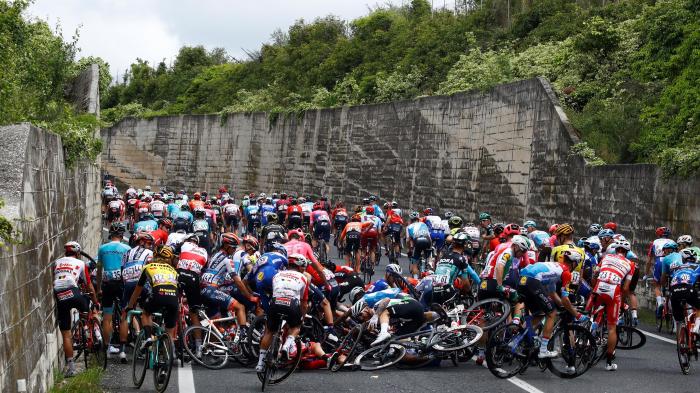
The Giro d’Italia is now facing a dramatic shift in its narrative. Roglic’s unexpected abandonment and Martinelli’s crash have not only impacted the race’s outcome but also raised questions about the overall safety and strategy within the competition. Fans and media alike are buzzing about the events, and the race’s future trajectory remains uncertain. The coming days will be crucial in determining how these incidents reshape the race’s dynamics and the long-term implications for the sport.