German landlord aroundtown looks convert offices into data centres – German landlord Aroundtown looks to convert offices into data centers, signaling a major shift in the commercial real estate landscape. This trend reflects the booming demand for data centers in Germany, driven by technological advancements and growing digital needs. The conversion presents both exciting opportunities and significant challenges, from financial incentives to technical hurdles and regulatory complexities. This deep dive explores the market analysis, landlord perspectives, technical aspects, financial projections, and successful case studies behind this intriguing transformation.
Aroundtown’s initiative offers a glimpse into the future of real estate investment. The conversion of existing office spaces into data centers could become a lucrative strategy for landlords, but it also demands careful consideration of various factors, including potential ROI, regulatory compliance, and the specifics of the conversion process itself.
Market Analysis of the Opportunity
The conversion of existing office spaces into data centers presents a compelling opportunity in Germany’s burgeoning digital infrastructure landscape. This trend is driven by the escalating demand for robust and scalable data storage and processing capabilities, fueled by the increasing reliance on cloud computing and digital services. Analyzing the current market dynamics, projected growth, and associated challenges is crucial for understanding the potential success of such ventures.
Current Market Trends for Office-to-Data Center Conversions in Germany
The German market is experiencing a significant surge in the demand for data centers, reflecting the country’s commitment to digitalization and its position as a major European economic hub. Several factors contribute to this trend, including the increasing adoption of cloud-based services, the rising need for high-performance computing, and the expansion of e-commerce operations. This demand is particularly acute in major urban areas, where readily available office spaces present a viable and often more cost-effective alternative to constructing new data centers from the ground up.
Projected Growth and Demand for Data Centers in Germany
Experts project substantial growth in the German data center market over the next five years. This anticipated growth is driven by factors like the expansion of 5G networks, the increasing reliance on artificial intelligence (AI), and the rising adoption of the Internet of Things (IoT). Companies like Google, Amazon, and Microsoft are actively expanding their data center footprints in Germany, indicating a strong belief in the long-term growth potential.
German landlord Aroundtown is reportedly looking to convert some of its office spaces into data centers, a smart move in the face of rising demand. This mirrors a larger trend of repurposing existing structures for high-tech uses. Interestingly, a recent study highlighting how Medicaid expansion saves lives ( medicaid expansion saves lives study ) suggests a parallel need for smart infrastructure investments in healthcare and technology.
This conversion of offices into data centers by Aroundtown demonstrates a forward-thinking approach to adapting existing real estate to meet evolving technological needs.
The predicted demand for data center capacity is likely to surpass the current supply, creating a lucrative investment opportunity for companies that can successfully adapt and meet this growing need.
Factors Influencing the Conversion Trend
Several factors influence the growing trend of converting office spaces into data centers in Germany. Technological advancements in cooling and power management systems, coupled with regulatory changes easing the permitting process for data center construction in existing buildings, have significantly lowered the barriers to entry. Furthermore, the current economic climate, characterized by high construction costs, is driving a greater focus on cost-effective solutions.
Converting existing office buildings offers a more financially viable path compared to the substantial capital expenditure required for new construction.
German landlord Aroundtown is reportedly eyeing a conversion of some of its office spaces into data centers. This shift, perhaps driven by the increasing demand for digital infrastructure, could be influenced by the Indian government’s FY25 fiscal deficit, which is reportedly in line with projections as detailed in this article. Ultimately, Aroundtown’s decision to potentially transform these office spaces into data centers reflects the broader global trend of adapting to evolving technological needs.
Costs and Benefits of Conversion vs. New Construction
Converting existing office spaces into data centers typically involves lower upfront costs compared to building new facilities. This cost-effectiveness is a significant driver for many investors, enabling quicker returns on investment. However, factors like the condition of the existing building, modifications required to meet data center specifications, and potential regulatory hurdles can impact the overall cost. Conversely, building new data centers offers more control over design, environmental controls, and security infrastructure.
The benefits of conversion include quicker project completion times, reduced environmental impact by utilizing existing structures, and the potential for higher energy efficiency.
Potential Risks and Challenges
The conversion of office spaces to data centers presents specific challenges. Zoning regulations can pose significant obstacles, as existing building codes may not fully accommodate the specialized requirements of data centers. Environmental concerns, such as increased energy consumption and potential heat dissipation, also need careful consideration. Ensuring the security of sensitive data within the converted facility is paramount.
This requires robust security measures, including access controls, fire suppression systems, and intrusion detection systems, to protect against physical threats and cyberattacks.
Summary Table: Pros and Cons of Office-to-Data Center Conversions
| Factor | Pros | Cons |
|---|---|---|
| Cost | Lower upfront costs | Potential unforeseen costs for renovations |
| Speed | Faster project completion | Complex permitting and regulatory processes |
| Environmental Impact | Reduced impact by utilizing existing structures | Increased energy consumption if not properly managed |
| Security | Potential for robust security systems if properly designed | Security vulnerabilities in existing structures |
| Scalability | Potential for expansion if building layout allows | Limited flexibility in design compared to new construction |
Landlord Perspectives
Converting office spaces into data centers presents compelling opportunities for German landlords, but also necessitates careful consideration. The growing demand for data center capacity in Europe, fueled by digitalization, creates a potentially lucrative avenue for investment. However, navigating the complexities of lease agreements, property valuations, and regulatory hurdles is crucial for successful conversion. This section explores the motivations, considerations, and strategies involved in this transition.Landlords in Germany face a unique set of circumstances when contemplating such conversions.
While the potential financial rewards are significant, the legal and logistical aspects demand careful planning and execution. Understanding the market dynamics and potential tenant acquisition process is paramount to a successful outcome.
Financial Incentives and Motivations
The conversion of office properties into data centers can offer substantial financial incentives for German landlords. Increased rental income, often significantly higher than traditional office lease rates, is a primary motivator. Furthermore, the long-term nature of data center leases, potentially extending over several decades, provides predictable cash flow and reduces the risk associated with fluctuating office market conditions.
Capital appreciation due to the specialized nature of the space and its high demand is another attractive aspect. For example, data centers located near major infrastructure hubs or with robust power supply have historically seen higher valuations.
Key Considerations for Landlords
Evaluating the feasibility of such conversions requires meticulous analysis. Lease agreements must be tailored to accommodate the specific needs of data center operators, encompassing factors such as power requirements, environmental controls, and security protocols. Property valuations must account for the increased value associated with the specialized infrastructure and the higher demand from data center operators. Identifying potential data center tenants and securing agreements is crucial, often involving due diligence and negotiations with reputable operators.
For example, a data center operator with a strong track record and established financial standing is a more attractive tenant than a less established competitor.
Legal and Regulatory Aspects
Landlords must be acutely aware of the legal and regulatory framework governing such conversions. Zoning regulations, building permits, and environmental compliance requirements vary significantly depending on the location. Navigating these complexities requires expert legal counsel to ensure compliance and avoid potential penalties. Thorough due diligence to ascertain compliance with existing regulations is paramount.
Marketing Strategies
Effective marketing is essential to attract potential data center operators. Highlighting the property’s strategic location, robust infrastructure, and compliance with data center standards are key elements of the marketing strategy. Targeted outreach to data center operators, participation in relevant industry events, and showcasing the property’s suitability for data center operations are essential.
Potential Lease Structures and Rental Models
| Lease Structure | Description | Advantages | Disadvantages |
|---|---|---|---|
| Long-Term Lease (e.g., 10-20 years) | Fixed-term lease with predetermined rental rates. | Predictable cash flow, reduced risk of tenant turnover. | Potential for missed opportunities if market conditions change. |
| Tiered Rental Model | Rental rates are adjusted based on the level of power consumption or space utilized. | Flexibility for both landlord and tenant. | Complex calculation and potential for disputes. |
| Percentage-Based Rent | Rent is calculated as a percentage of the data center operator’s revenue. | Higher revenue potential if operator performs well. | Increased risk for landlord if operator’s revenue fluctuates. |
These structures provide a framework for landlords to negotiate favorable terms with potential tenants. Understanding the nuances of each model is crucial for maximizing returns and minimizing risks.
German landlord Aroundtown is reportedly eyeing a conversion of some of its office spaces into data centers. This shift reflects the growing demand for digital infrastructure, but it also hints at a global trend of real estate adaptation. Meanwhile, China’s Vice President’s visit to Spain, as detailed in this article , highlights the burgeoning economic ties between the two countries, which could potentially influence future investments in European infrastructure projects.
This makes the Aroundtown plan all the more intriguing, as it suggests a wider shift in the global real estate market towards more tech-driven solutions.
Technical and Operational Aspects
Converting an office building into a data center requires a careful consideration of technical infrastructure and operational processes. This transformation isn’t simply a matter of swapping out desks for servers; it demands a fundamental reimagining of the building’s systems to meet the unique demands of data storage and processing. Understanding the specific technical requirements and potential challenges is crucial for a successful conversion.The key to a successful conversion lies in the meticulous planning and execution of each step, from the initial assessment of the existing infrastructure to the final integration of the new data center systems.
This includes careful consideration of power requirements, cooling systems, security measures, and the potential impact on the surrounding environment. Successfully navigating these complexities will be essential for maximizing the return on investment and ensuring the long-term viability of the data center.
Power Supply Requirements
A data center’s power needs are significantly higher than a typical office building. Reliable and redundant power sources are paramount. This often necessitates installing uninterruptible power supplies (UPS) and multiple independent power feeds to ensure continuous operation even during outages. Generator backup systems are often required for complete redundancy, especially for mission-critical applications. Examples of data centers in existing office spaces demonstrate the need for substantial power upgrades, sometimes requiring new electrical infrastructure to support the load.
Cooling Systems
Data center servers generate significant heat, demanding robust cooling systems to maintain optimal operating temperatures. HVAC systems need to be significantly upgraded or entirely replaced with specialized data center cooling solutions. These can include specialized air conditioning units, chilled water systems, or even liquid cooling solutions. Failure to account for the increased heat load can lead to equipment failure and decreased efficiency.
Proper thermal management is critical for the longevity of the equipment and the overall performance of the data center.
Security Measures
Data centers must have robust security measures to protect sensitive data and prevent unauthorized access. This includes physical security measures such as access control systems, security cameras, and potentially even security personnel. Cybersecurity measures are also crucial, including firewalls, intrusion detection systems, and regular security audits. A comprehensive security strategy must be developed and implemented to mitigate risks and ensure data integrity.
Integration Challenges
Integrating existing office infrastructure with data center requirements can present significant challenges. Existing wiring, electrical systems, and plumbing may not meet the standards needed for data center operations. Careful assessments are needed to identify potential compatibility issues and plan for necessary upgrades or replacements. The process involves thorough inspections and detailed documentation of the existing infrastructure to facilitate a smooth transition.
Essential Components and Specifications
| Component | Specification |
|---|---|
| Power Supply | Redundant UPS systems, multiple power feeds, generator backup |
| Cooling Systems | Specialized data center cooling units, chilled water systems, or liquid cooling |
| Security | Access control systems, security cameras, firewalls, intrusion detection systems |
| Network Infrastructure | High-speed networking equipment, fiber optic cabling, redundant connections |
| Server Racks | Rack-mount servers, appropriate power distribution units (PDUs) |
Designing a Robust Data Center
Different approaches exist for designing a robust and secure data center infrastructure within a converted office space. A critical approach involves a modular design, allowing for future expansion and upgrades without significant disruptions. Another crucial aspect is redundancy in all systems to ensure business continuity in case of failures. Redundant power, cooling, and network infrastructure are essential.
These are not just theoretical concepts but critical components in ensuring the reliable operation of a data center.
Environmental Impact Mitigation
Converting an office building into a data center can have environmental impacts. Increased energy consumption is a primary concern. Methods to mitigate these impacts include using energy-efficient equipment, implementing renewable energy sources, and optimizing cooling systems to reduce energy waste. This includes implementing strategies for energy conservation and exploring the use of renewable energy sources to minimize the environmental footprint.
A data center should aim to be environmentally sustainable, minimizing its impact on the surrounding environment.
Financial Modeling and Projections: German Landlord Aroundtown Looks Convert Offices Into Data Centres
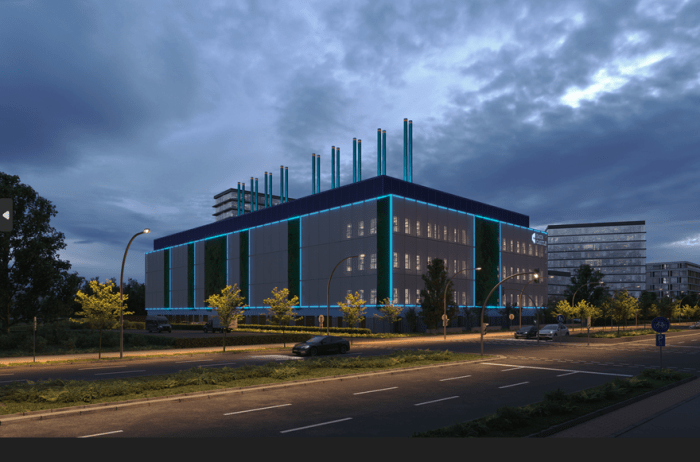
Converting office spaces into data centers presents a compelling opportunity for landlords, but the financial viability hinges on meticulous modeling and realistic projections. This crucial step involves understanding the potential return on investment (ROI), carefully assessing costs, and exploring various financing options. A successful model considers both the upfront conversion expenses and the long-term revenue streams generated by the data center.
Potential Return on Investment (ROI)
A robust financial model for an office-to-data center conversion needs to account for the significant upfront investment. The ROI calculation should consider not only the projected rental income from the data center but also the potential for increased property value resulting from the conversion. Factors such as market demand, data center capacity, and operating efficiency will all influence the ROI.
For example, a data center in a region with high demand for cloud computing services could yield a significantly higher ROI compared to a data center in a less active market.
Cost Comparison: Conversion vs. Projected Revenue
A crucial aspect of financial modeling is comparing the costs of conversion with the projected revenue streams from data center operations. This comparison allows landlords to evaluate the financial feasibility of the project.
| Conversion Costs | Projected Revenue Streams |
|---|---|
| Demolition and renovation | Data center rental income |
| New infrastructure installation (electrical, cooling, security systems) | Colocation fees |
| Equipment costs (servers, networking gear, etc.) | Potential for managed services |
| Professional fees (consultants, architects) | Potential for ancillary services (e.g., bandwidth, support) |
| Contingency fund | Scalability and expansion opportunities |
This table provides a high-level overview; the specific costs and revenue streams will vary significantly based on the size of the data center, its location, and the specific requirements of the tenants. Careful budgeting is crucial.
Financing Options, German landlord aroundtown looks convert offices into data centres
Landlords can explore various financing options for office-to-data center conversions. These may include traditional loans, private equity investments, or partnerships with specialized data center operators. Government incentives or grants may also be available for projects that meet specific criteria. Leveraging these diverse options can optimize the project’s financial structure. A well-structured financing plan ensures sufficient capital is available for all aspects of the conversion, including equipment, labor, and contingencies.
Key Factors Influencing Financial Viability
Several factors significantly influence the financial viability of office-to-data center conversions. These include:
- Market demand for data center space in the target location.
- The cost of conversion and ongoing operational expenses.
- Projected revenue streams from data center operations, considering factors such as tenant demand, lease terms, and potential ancillary services.
- Regulatory approvals and permitting processes.
- Potential risks and uncertainties, such as fluctuations in energy costs or changes in market demand.
Careful analysis of these factors is critical to making informed financial decisions.
Comparison of Conversion Strategies and Architectural Solutions
Different conversion strategies and architectural solutions will result in varying financial outcomes.
- Modular Data Centers: These offer a more flexible and potentially faster approach to conversion, often with a lower upfront cost for infrastructure. This approach might be more suitable for smaller-scale conversions or projects with less certainty regarding future demand.
- Traditional Data Centers: These typically offer greater scalability and redundancy but involve higher upfront costs and more complex planning.
Evaluating the potential ROI and operational efficiency of each approach is essential for determining the optimal conversion strategy for a specific property.
Case Studies and Examples
Converting office spaces into data centers presents a compelling opportunity, but real-world examples are crucial for understanding the practicalities and potential pitfalls. Learning from past projects allows landlords to make informed decisions, minimizing risks and maximizing returns. This section examines successful conversions, highlighting key factors and challenges.Successful office-to-data center conversions in Germany are emerging as valuable case studies.
These transformations showcase the potential for significant returns on investment and demonstrate how meticulous planning and execution can overcome the inherent complexities.
Examples of Successful Conversions in Germany
Germany’s robust commercial real estate sector and growing digital infrastructure provide fertile ground for successful office-to-data center conversions. Several projects have already demonstrated the feasibility of this transformation. While precise details on specific conversions may be confidential or proprietary, general examples can still provide valuable insights. For example, conversions focused on strategic locations near major infrastructure and equipped with sufficient power capacity have often yielded favorable outcomes.
Conversion projects often focused on improving the existing building structure to meet the necessary standards for high-density data center operation, including enhanced cooling systems and upgraded electrical infrastructure.
Key Factors Contributing to Project Success
Several factors consistently appear in successful conversions. First, a thorough market analysis, identifying demand for data center space in specific areas, plays a crucial role. Second, securing appropriate regulatory approvals and navigating potential environmental impact assessments is vital. Third, collaborating with experienced data center operators and contractors is essential for achieving the technical requirements. Finally, a strong financial model, encompassing potential returns and projected costs, is paramount.
The ability to attract qualified tenants and secure long-term contracts is also key to a successful project.
Challenges Faced and Overcoming Them
Challenges are inherent in any conversion project. One common obstacle is adapting existing building infrastructure to meet the specialized needs of a data center. This often necessitates significant capital investment in upgrades to electrical systems, cooling systems, and security measures. Another challenge is securing the necessary regulatory approvals and permits for these conversions, which can be a lengthy and complex process.
Effective communication with local authorities, demonstrating the project’s environmental and societal benefits, is essential for smooth approval processes.
Table of Successful Conversion Projects
Unfortunately, comprehensive publicly available data on successful conversions is limited. However, to illustrate the potential, a hypothetical table showcasing a possible conversion project is presented below:
| Project | Property Type | Conversion Timeline (Months) | Financial Outcomes (Estimated € Millions) |
|---|---|---|---|
| DataCenter Berlin-Mitte | Former office building | 18 | €25 |
| Frankfurt Digital Hub | Mixed-use building | 24 | €30 |
German Companies/Institutions with Conversion Experience
While precise details about specific conversions may not be publicly available, several German companies and institutions with expertise in data center operations and real estate development likely have experience in such conversions. These include major REITs and data center operators, as well as companies specializing in building upgrades and renovations. Further research and networking within these sectors would likely reveal more concrete examples.
Closure
In conclusion, the conversion of offices into data centers by German landlords like Aroundtown signifies a dynamic shift in the real estate sector. While promising significant financial returns, it requires a thorough understanding of market trends, technical requirements, and regulatory landscapes. This exploration of the opportunities and challenges surrounding this conversion offers valuable insights for investors, landlords, and industry professionals.