King charles expresses love canada says it will remain strong free – King Charles expresses love for Canada, and the nation says it will remain strong and free. This visit offers a fascinating glimpse into the historical relationship between the two countries, and the statement reflects Canada’s unwavering commitment to its values and its place on the global stage. The visit itself holds symbolic weight, and the Canadian government’s response, particularly the emphasis on “remain strong and free,” sparks considerable discussion regarding the nation’s position in the current geopolitical climate.
The royal visit provides a platform for examining Canada’s historical ties to the British monarchy. The tone of King Charles’ expressions, along with the Canadian government’s official response, reveals a complex interplay of tradition and contemporary values. This visit offers a window into the intricate dynamics between a constitutional monarchy and a sovereign nation.
Royal Visit and Canadian Response
King Charles III’s recent visit to Canada has sparked considerable interest, drawing comparisons to previous royal visits and highlighting the evolving relationship between the Crown and the Canadian nation. The visit, marked by expressions of affection and solidarity, has also prompted a significant response from the Canadian government, emphasizing Canada’s enduring values of freedom and strength. This analysis delves into the historical context, the King’s statements, the Canadian government’s response, and a comparative look at their respective messages.Historical context for royal visits to Canada reveals a rich tapestry of evolving relations.
Previous visits, often steeped in symbolism and tradition, have played a crucial role in shaping the nation’s identity and its relationship with the monarchy. These visits have frequently underscored the shared history and values between the two entities.
King Charles expressing love for Canada and its unwavering commitment to freedom is certainly a powerful message. Meanwhile, the Orioles’ recent acquisition of well-traveled right-handed pitcher Scott Blewett, as reported here , is a solid move for the team, suggesting a strong focus on bolstering their pitching staff. Ultimately, both stories highlight a positive spirit of resilience and strength, reflecting well on Canada and the Orioles alike.
King Charles’ Statements Regarding Canada
King Charles III’s visit to Canada was marked by several pronouncements expressing affection and support for the country. He emphasized his deep connection to Canada, highlighting its unique place in the Commonwealth. His words conveyed a message of understanding and respect for Canadian identity and values. A key theme in his statements was the importance of maintaining a strong and free Canada.
“Canada is a nation of remarkable people, and I am proud to be their King.”
These sentiments reflected a commitment to the enduring partnership between the two nations. He also touched on shared values and aspirations, reaffirming the strength of the bond between the United Kingdom and Canada.
Canadian Government’s Response, King charles expresses love canada says it will remain strong free
The Canadian government’s response to King Charles’ visit was swift and direct. Their statement echoed the King’s sentiments regarding Canada’s importance and resilience, emphasizing the country’s commitment to remaining strong and free. This affirmation of core Canadian values underscored the nation’s independent spirit and its role in the global community.
“Canada stands strong and free, united by our shared values and our commitment to a better future.”
The statement further reaffirmed Canada’s commitment to its democratic principles and its dedication to upholding international standards.
Comparison of Tones and Substance
| Aspect | King Charles’ Statements | Canadian Government’s Statements |
|---|---|---|
| Tone | Warm, affectionate, and respectful, emphasizing shared values. | Strong, resolute, and affirming, emphasizing Canada’s independent spirit. |
| Substance | Focus on personal connection and shared history; affirmation of the relationship between the Crown and Canada. | Emphasis on core Canadian values and national identity; affirmation of Canada’s commitment to its principles. |
| Focus | Bilateral relationship between the Crown and Canada | Canada’s national identity and values within a global context |
The table above illustrates the nuanced difference in focus and tone between the King’s statements and the Canadian government’s response. While both conveyed messages of support and solidarity, their emphasis differed, reflecting the distinct roles of the monarchy and the Canadian government in expressing national identity and values.
Interpreting the Statement “Remain Strong and Free”
King Charles’s declaration that Canada will “remain strong and free” resonates deeply within the current global context. This statement, delivered during a period of significant geopolitical uncertainty, carries considerable weight, both for Canada’s domestic policies and its international relationships. The phrase speaks to Canada’s enduring commitment to its values and its resolve in the face of challenges.The phrase “remain strong and free” encapsulates a multitude of potential meanings, from a reaffirmation of democratic principles to a declaration of unwavering resolve in the face of global pressures.
King Charles expressing love for Canada, and their pledge to remain strong and free, is certainly a powerful statement. However, it’s worth considering the broader context, like Ted Yoho’s insightful essay on the potential mistakes within USAID funding, found here. These kinds of analyses highlight the complexities of international relations and the need for thoughtful consideration of all aspects of aid and support, ultimately reinforcing the importance of Canada’s commitment to freedom and independence.
It suggests a commitment to maintaining a robust national identity, both economically and politically, while upholding fundamental freedoms. The implications extend beyond bilateral relations, potentially influencing Canada’s alliances and its approach to international affairs.
Potential Meanings of “Remain Strong and Free”
Canada’s commitment to upholding its values is demonstrated through various domestic and international policies. These policies are reflected in its active participation in international organizations, such as the UN and NATO, where it advocates for human rights and multilateral cooperation.
- Economic Strength: Canada’s commitment to economic strength is evident in its diverse industries, including resource extraction, manufacturing, and technology. This robust economy is vital for ensuring Canada’s independence and ability to navigate international economic shifts.
- Defense Capabilities: Canada’s commitment to defense capabilities is reflected in its military spending and participation in international peacekeeping missions. This commitment to national security underpins its ability to protect its citizens and interests.
- Commitment to Democracy: Canada’s robust democratic institutions, including an independent judiciary and free press, are essential components of its commitment to freedom. This framework is vital for ensuring accountability and protecting fundamental rights.
Implications for Canada’s Relationships
The statement “remain strong and free” likely carries implications for Canada’s relationships with various countries. A strong Canada is more influential in international affairs, potentially strengthening alliances and fostering partnerships based on shared values.
- UK Relations: The statement highlights the enduring transatlantic relationship between Canada and the UK. Shared values and historical ties are likely to remain a cornerstone of their cooperation.
- International Alliances: Canada’s commitment to freedom and strength is likely to resonate with countries that share similar values. This can lead to closer partnerships and a stronger global presence for Canada.
- Geopolitical Tensions: In a world facing geopolitical tensions, Canada’s resolve to “remain strong and free” can be seen as a statement of intent, sending a message of resilience and commitment to democratic principles. This approach could be interpreted as a subtle, yet firm, response to various international pressures.
Interpretations Across Political Leanings
The phrase “remain strong and free” is likely to be interpreted differently across various political spectrums. The nuances of this interpretation will reflect different priorities and concerns within Canadian society.
| Political Leaning | Interpretation |
|---|---|
| Liberal | A reaffirmation of Canada’s commitment to international cooperation and upholding democratic values. A signal of continued engagement in international forums and promotion of human rights. |
| Conservative | A declaration of Canada’s commitment to national sovereignty and economic independence. Emphasis on safeguarding Canada’s interests and resources in a global context. |
| Progressive | An affirmation of Canada’s responsibility to support marginalized groups and uphold social justice. Focus on strengthening social safety nets and addressing systemic inequalities. |
| Populist | A call to action to prioritize Canadian interests above all else. A statement to defend Canada’s sovereignty and reduce foreign influence. |
Public Perception and Reactions: King Charles Expresses Love Canada Says It Will Remain Strong Free
The Royal visit to Canada and the subsequent Canadian government statement regarding remaining strong and free will undoubtedly spark a range of public reactions in both countries. Public sentiment will likely be shaped by pre-existing political and cultural attitudes, as well as the specific events and interactions during the visit. Analyzing potential reactions provides insight into the evolving dynamics between the two nations.Public perceptions will be influenced by a variety of factors, including media coverage, personal interpretations of the visit, and pre-existing political views.
The tone and focus of media reports, social media conversations, and government pronouncements will significantly affect how the general public understands and responds to the events.
Potential Public Reactions in the UK
Public reactions in the UK to the visit will likely vary. Supporters of the monarchy will likely view the visit positively, emphasizing the historical significance and cultural ties between the two countries. Those with differing political viewpoints may react more critically, focusing on potential costs or perceived slights to national interests. Social media trends will likely reflect these diverse opinions, with pro-royalty posts contrasting with those expressing concerns or alternative perspectives.
Potential Public Reactions in Canada
Public reaction in Canada will likely be more complex, reflecting the country’s diverse demographics and political landscape. Canadians with strong ties to the British monarchy might view the visit favorably, while those with republican or nationalist leanings might have a more critical perspective. The statement by the Canadian government emphasizing Canada’s sovereignty and independence will likely resonate differently among various groups.
The visit and statement could also stir debate about the future of the monarchy’s role in Canada.
Social Media Responses and Trends
Social media will be a key platform for public discourse. Positive sentiments will likely be expressed by those who view the visit as a positive symbol of unity and tradition. Counterarguments, perhaps focusing on the costs of the royal visit or concerns about historical injustices, could also emerge. Specific hashtags related to the visit and the Canadian government’s statement will likely trend, reflecting the dominant opinions and viewpoints.
These trends will vary geographically and across different social media platforms, highlighting the complexity of public sentiment.
Perspectives from Interest Groups in Canada
Different interest groups in Canada will likely hold diverse perspectives on the royal visit and the government’s statement. Indigenous groups, for example, may have historical concerns and potential sensitivities regarding the monarchy’s legacy. Advocates for republicanism might express concerns about the cost of maintaining the monarchy and the symbolism of a hereditary head of state. Groups representing Canada’s multiculturalism might focus on the visit’s role in fostering national unity and understanding.
Summary Table of Viewpoints
| Interest Group | Potential Viewpoint on Royal Visit | Potential Viewpoint on Canadian Statement |
|---|---|---|
| Royalists | Positive, emphasizing tradition and historical ties. | Supportive, aligning with the affirmation of Canadian identity. |
| Republicans | Critical, questioning the cost and relevance of the monarchy. | Positive, seeing the statement as a reinforcement of Canada’s independence. |
| Indigenous Groups | Mixed, potentially highlighting historical grievances. | Mixed, potentially seeing the statement as a step towards reconciliation or a hollow gesture. |
| Multicultural Advocates | Positive, potentially seeing the visit as an opportunity to showcase diversity. | Positive, recognizing the statement as a symbol of Canadian identity and unity. |
Symbolic Significance of the Visit
King Charles III’s recent visit to Canada holds significant symbolic weight, reflecting the complex relationship between Canada and the British monarchy. This visit isn’t merely a diplomatic event; it’s a carefully choreographed performance that speaks volumes about national identity, historical ties, and the evolving role of the monarchy in the 21st century. The visit’s impact extends beyond immediate reactions, potentially shaping the future of Canada’s relationship with the UK.This visit, like other royal visits to Canada, carries deep historical and cultural significance.
It acts as a powerful reminder of the nation’s colonial past, but also represents a modern attempt to adapt the monarchy to a contemporary context. Interpretations of the symbolism vary widely, reflecting the diverse perspectives within Canadian society.
Canadian National Identity and the Monarchy
Canada’s relationship with the monarchy is a complex interplay of historical continuity and evolving national identity. The monarchy, for many Canadians, represents a link to the nation’s historical past, particularly its British heritage. However, for others, the monarchy embodies a symbol of colonial oppression and a vestige of a bygone era. This duality in perception highlights the ongoing debate surrounding the monarchy’s role in a modern Canadian context.
The visit’s symbolism underscores the ongoing dialogue regarding Canadian national identity and its connection to the British monarchy.
Comparison with Other Royal Visits
Comparing the symbolism of this visit to previous royal visits in Canadian history provides valuable context. For instance, the visit of Queen Elizabeth II in 1959 resonated with a different societal context, where the monarchy held a stronger position in the public consciousness. Similarly, other visits during different periods of Canadian history would reveal varying public responses and interpretations of the symbolism.
The symbolic language employed during each visit reflects the changing political and social climate in Canada.
Potential Long-Term Impact on Canada-UK Relations
The visit’s potential long-term impact on Canada-UK relations is multi-faceted. While maintaining strong historical ties, the visit also signifies a potential shift in the relationship. Canada’s evolving national identity and the changing dynamics of the global political landscape could lead to a recalibration of the relationship. The strength and direction of this recalibration remain to be seen.
Symbolic Interpretations
| Interpretation | Perspective | Supporting Evidence |
|---|---|---|
| Symbol of Continuity | Those emphasizing historical ties | Emphasis on shared heritage and traditions in speeches and ceremonies. |
| Symbol of Modernity | Those advocating for a more contemporary approach | Use of modern communication and engagement with younger audiences. |
| Symbol of Colonialism | Those critical of the monarchy’s legacy | Historical context and potential to exacerbate existing divisions. |
| Symbol of Diplomacy | Diplomatic and political observers | The visit’s impact on trade, investment, and other bilateral relationships. |
Future Implications for Canada’s Relationship with the UK
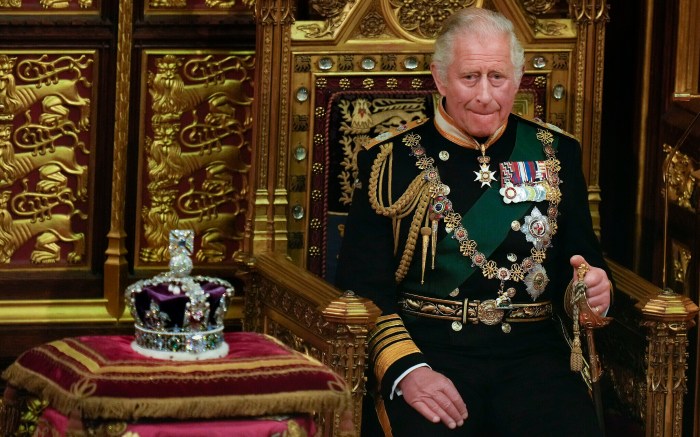
King Charles’ visit to Canada and the strong affirmation of Canada’s commitment to its values, particularly its independence and freedom, has profound implications for the future of the UK-Canada relationship. The visit, beyond a mere state occasion, serves as a significant marker, potentially reshaping the contours of this historic partnership. The Canadian government’s declaration underscores a desire for a relationship built on mutual respect and shared values, rather than simply inherited tradition.The relationship between Canada and the UK is multifaceted, encompassing a complex web of trade, defense, and cultural ties.
The upcoming years will likely see adjustments in the dynamics of these pillars, driven by the evolving global landscape and the specific needs and priorities of both nations. The statement that Canada will remain strong and free signals a desire to maintain the integrity of its own identity, while at the same time affirming a continued commitment to the historical partnership.
Potential Changes in the Nature of the Relationship
The visit and the accompanying statements will likely foster a more independent and strategically focused relationship between Canada and the UK. A stronger emphasis on mutual respect and shared values will probably lead to a shift in the nature of the partnership, moving away from purely historical or traditional ties and toward a more contemporary, value-driven approach. This evolution could manifest in new trade agreements and defense cooperation, with a focus on areas of shared interest and contemporary global challenges.
King Charles expressing love for Canada and its unwavering spirit is fantastic news. Meanwhile, the Astros’ recent win, with Lance McCullers Jr. beating the Pirates for their first victory in 22 games, shows the incredible resilience and determination of the team. It’s inspiring to see such strength on both the global and local sports scene, reinforcing Canada’s resolve to remain strong and free.
The relationship will likely become more dynamic and responsive to the changing geopolitical landscape.
Areas of Potential Cooperation
Canada and the UK share common interests in global security, particularly in the face of rising global challenges. A key area of potential cooperation lies in tackling climate change, with shared technological advancements and resource management strategies. Other areas include joint ventures in renewable energy, promoting sustainable practices, and developing strategies to mitigate the impact of global events on both economies.
International cooperation on issues like cybersecurity, and the regulation of emerging technologies will likely feature prominently in future collaborations.
Areas of Potential Conflict
While the visit and the accompanying statements are likely to reinforce the existing strong relationship, potential areas of conflict may emerge, particularly if there are differences in economic policies or strategic approaches. Divergent interests in trade agreements, for example, could lead to disagreements or negotiation challenges. Differences in perspectives on defense strategies or international relations could also pose potential points of contention, although this is expected to be relatively minimal.
It’s essential to remember that these potential areas of conflict are not necessarily negative; they are simply areas where differing priorities could emerge, requiring diplomatic engagement and compromise.
Possible Future Scenarios and Their Implications
| Scenario | Implications for the UK-Canada Relationship |
|---|---|
| Increased Trade Cooperation | Stronger economic ties, potentially leading to new trade agreements and increased investment flows. |
| Enhanced Defense Collaboration | Joint military exercises, intelligence sharing, and potentially, the development of new defense technologies. |
| Cultural Exchange Initiatives | Expanded programs in education, arts, and tourism, promoting greater understanding and appreciation between the two cultures. |
| Divergent Economic Policies | Potential friction in trade negotiations and disagreements on economic sanctions or trade barriers. |
| Strategic Differences in International Relations | Potential disagreement on foreign policy issues, requiring diplomatic efforts to manage differences. |
Illustrative Examples of Canadian Strength and Freedom
Canada’s unwavering commitment to strength and freedom is deeply woven into its history and societal fabric. This commitment manifests in numerous ways, from its robust social safety net to its active role in international affairs. This dedication is not merely a theoretical ideal, but a tangible reality reflected in policies, programs, and actions at both the domestic and international levels.Canada’s dedication to these values is evident in its continuous pursuit of a just and equitable society, fostering an environment where all citizens can thrive.
The country’s history is replete with examples of resilience and determination in the face of adversity, and its commitment to freedom continues to inspire others.
Social Commitment to Strength and Freedom
Canada’s commitment to social justice is evident in its extensive social safety net. Universal healthcare, affordable education, and accessible social programs exemplify a dedication to ensuring that all citizens have a foundation for a fulfilling life. This commitment creates an environment where individuals can pursue their potential, free from the shackles of poverty and inequality. These social programs, while sometimes challenged in their effectiveness, reflect a deep-seated belief in the importance of individual well-being and collective responsibility.
- Universal Healthcare: Canada’s universal healthcare system, while facing ongoing challenges in efficiency and access, provides essential medical care to all citizens regardless of their socioeconomic status. This commitment to accessible healthcare underscores Canada’s belief in the fundamental right to health. This system, though imperfect, is a cornerstone of social strength and freedom, empowering citizens to focus on their lives without the constant fear of crippling medical debt.
- Social Welfare Programs: Programs like Canada Child Benefit and Old Age Security demonstrate the country’s commitment to social well-being. These initiatives provide vital support to families and seniors, fostering economic stability and security. This support network, though sometimes debated in terms of its impact on individual motivation, fundamentally affirms the social responsibility to care for vulnerable populations, a crucial aspect of Canadian strength and freedom.
Political Strength and Freedom
Canada’s political landscape, while not without its flaws, reflects a commitment to democratic principles and the rule of law. Canada’s history is marked by progressive reforms, such as the expansion of voting rights and the establishment of independent institutions.
- Independent Institutions: The existence of independent institutions like the judiciary, the Office of the Commissioner of Official Languages, and the Canadian Human Rights Commission reinforces Canada’s commitment to the rule of law and protects the rights of all citizens. These institutions are crucial for maintaining a free and democratic society.
- Multiculturalism: Canada’s multicultural policies, which embrace diversity and promote understanding between different cultural groups, demonstrate a commitment to both freedom and strength. This policy fosters a harmonious society, where individuals feel safe and empowered to express their cultural identities.
Economic Strength and Freedom
Canada’s economic strength is reflected in its diversified economy, and its commitment to free trade and international cooperation.
- Free Trade Agreements: Canada’s participation in various free trade agreements, like the Comprehensive and Progressive Agreement for Trans-Pacific Partnership (CPTPP) and the Canada-United States-Mexico Agreement (CUSMA), demonstrates its commitment to open markets and global economic cooperation. This demonstrates Canada’s belief in the benefits of international trade and its commitment to a more interconnected world.
- Innovation and Research: Government investment in research and development, as well as programs fostering entrepreneurship, reflects a commitment to economic strength and a belief in the power of innovation. This focus on future-oriented economic development illustrates Canada’s commitment to creating opportunities for its citizens.
International Commitment to Freedom
Canada’s role in international affairs underscores its commitment to freedom and human rights.
- International Peacekeeping: Canada’s long history of participation in international peacekeeping missions demonstrates a commitment to peace and security, both at home and abroad. This commitment is evident in Canada’s consistent support for international efforts to resolve conflicts peacefully.
- Human Rights Advocacy: Canada’s commitment to upholding human rights globally, through its active participation in international organizations and its advocacy for human rights in various contexts, is a testament to its commitment to freedom and justice.
International Context of the Statement
King Charles III’s visit to Canada and the subsequent affirmation of Canada’s commitment to remaining strong and free occurred within a complex international landscape. Geopolitical tensions, shifting alliances, and evolving global power dynamics significantly influenced the context surrounding the visit and the Canadian government’s response. Understanding these influences is crucial to interpreting the symbolic weight of the statement.
Global Geopolitical Tensions
The current global geopolitical landscape is characterized by heightened tensions between major powers. These tensions often manifest in trade disputes, military build-ups, and ideological clashes. Canada, as a nation navigating these complex dynamics, must carefully consider its international standing and responsibilities. The statement about remaining strong and free, therefore, is not just a domestic affirmation but a carefully considered position within a complex global environment.
Potential Influences on Canada’s Decision
Several factors likely influenced Canada’s decision to publicly reaffirm its commitment to strength and freedom. These include the current global climate, Canada’s historical ties with the United Kingdom, and the need to project a strong image to both domestic and international audiences. Canada’s own strategic interests and security considerations are undoubtedly significant factors. A nation’s relationship with its historical allies often plays a role in its international posture.
Analysis of Global Impact
The statement, in the context of a royal visit, carries symbolic weight, but also practical implications. Canada’s reaffirmation of its values of strength and freedom might resonate with other nations facing similar challenges or seeking to assert their own independence. The statement could also be interpreted as a subtle commentary on global power dynamics and a demonstration of Canada’s resolve.
Furthermore, the statement might influence the perception of Canada’s international standing, potentially encouraging or deterring certain partnerships.
Illustrative Table: International Context
| Global Event/Trend | Connection to Canadian Statement |
|---|---|
| Escalating tensions between major powers | Canada’s statement reflects a desire to position itself as a strong and independent actor within a challenging international arena. |
| Rise of nationalism and populism in some countries | Canada’s emphasis on freedom and strength might be seen as a counterpoint to these trends, highlighting the importance of democratic values and international cooperation. |
| Concerns about democratic backsliding in certain regions | Canada’s statement could be interpreted as a reaffirmation of its commitment to democratic principles and a support for the global democratic order. |
| Shifting alliances and power dynamics | Canada’s statement underscores its commitment to its values, regardless of changing global relationships. |
Closing Summary

In conclusion, King Charles’ visit to Canada, coupled with the Canadian government’s declaration of remaining strong and free, underscores the enduring relationship between the two nations. The symbolic significance of the visit, coupled with the statement’s potential implications in the current international climate, makes it a crucial moment to consider Canada’s role in the world and its commitment to freedom and strength.
The future trajectory of the UK-Canada relationship will undoubtedly be shaped by this encounter, with the ongoing conversation about Canada’s values set against a backdrop of global events.