

UAE summons Israeli ambassador over Jerusalem rally violations, highlighting a tense moment in the ongoing Israeli-Palestinian conflict. This diplomatic move signals a serious concern over recent events in Jerusalem, raising questions about the future of regional stability and the delicate balance of the Abraham Accords. The UAE’s action underscores the complex dynamics surrounding Jerusalem, a city of profound religious and historical significance to both Israelis and Palestinians.
Understanding the motivations behind this summons requires exploring the historical context, the details of the rally, and the potential implications for the region.
The recent Jerusalem rally, a significant event with strong political implications, appears to have violated some norms or agreements. The precise nature of these violations and the UAE’s specific concerns will need further clarification. The potential consequences of this diplomatic escalation are substantial, ranging from a potential strain on the UAE-Israel relationship to broader regional ramifications. This event also offers a valuable opportunity to analyze the diplomatic responses to similar incidents in the past, potentially offering insights into future conflict resolution strategies.
Background of the Incident
The UAE’s summons of the Israeli ambassador regarding violations at a Jerusalem rally underscores the complex and sensitive nature of Israeli-Palestinian relations, particularly concerning Jerusalem. The city’s contested status is a persistent source of tension, deeply impacting regional stability and diplomatic efforts. This incident highlights the delicate balance maintained by nations navigating these highly charged political landscapes.The dispute over Jerusalem is rooted in historical claims and religious significance for both Israelis and Palestinians.
For Israelis, Jerusalem represents the heart of their national identity and a central location in their history. For Palestinians, it is a crucial holy city and a symbol of their aspirations for a future state. The differing perspectives on Jerusalem’s status continue to fuel conflict and complicate any path towards a resolution.
Significance of Jerusalem
Jerusalem holds immense religious and historical significance for Judaism, Christianity, and Islam. Judaism considers Jerusalem the eternal capital of the Jewish people, and the Western Wall a significant site. For Christians, Jerusalem is a pivotal location in the life of Jesus Christ, with sites like the Church of the Holy Sepulchre holding deep religious meaning. Islam also views Jerusalem as a holy city, particularly associated with the Prophet Muhammad’s ascension to heaven.
This multifaceted religious significance has historically led to conflicts and competing claims.
Potential Implications on Regional Stability
The UAE’s action could potentially affect regional stability by influencing the delicate balance of power in the Middle East. Such diplomatic interventions, while intended to address specific concerns, can have broader impacts on relations between nations. The UAE, as a key player in the region, plays a crucial role in shaping the political climate and its actions can have reverberations across neighboring countries.
Past examples of diplomatic interventions show that unintended consequences can arise, impacting relationships and the overall atmosphere of peace.
Previous Diplomatic Interactions
The UAE and Israel have developed a growing relationship since the Abraham Accords. This rapprochement has involved several agreements in various fields, signaling a shift in regional dynamics. The agreements reflect a growing awareness of the potential benefits of cooperation, potentially fostering peace and economic opportunities. However, the complexities of the Israeli-Palestinian conflict remain a critical factor that continues to shape the region.
Recent Jerusalem Rally
The recent Jerusalem rally, which triggered the UAE’s response, likely involved demonstrations and activities that the UAE deemed to violate certain protocols or principles. The specific nature of these violations is not yet fully public, but the rally’s potential impact on the existing delicate political situation likely played a role in the UAE’s decision. The UAE’s concerns about the impact of such events on regional stability are certainly valid and deserve consideration.
The UAE summoning Israel’s ambassador over Jerusalem rally violations highlights the ongoing tensions in the region. Meanwhile, Israel’s plans to bring its budget deficit below 3% of GDP, as detailed in this article , could potentially ease some of these pressures. However, these economic considerations don’t negate the diplomatic fallout from the Jerusalem rally, and the UAE’s actions underscore the complex dynamics at play.
Potential Motivations Behind the UAE’s Summons
The UAE’s summons of the Israeli ambassador could stem from several motivations. These may include a desire to maintain regional stability, uphold its commitment to diplomatic relations, or express concern over the potential escalation of tensions. Furthermore, the UAE might be seeking to ensure that its diplomatic efforts are not undermined by actions perceived to violate principles of peace and respect.
The UAE’s actions, therefore, may be a measured response to the situation, aiming to prevent any further harm to regional peace.
Diplomatic Implications
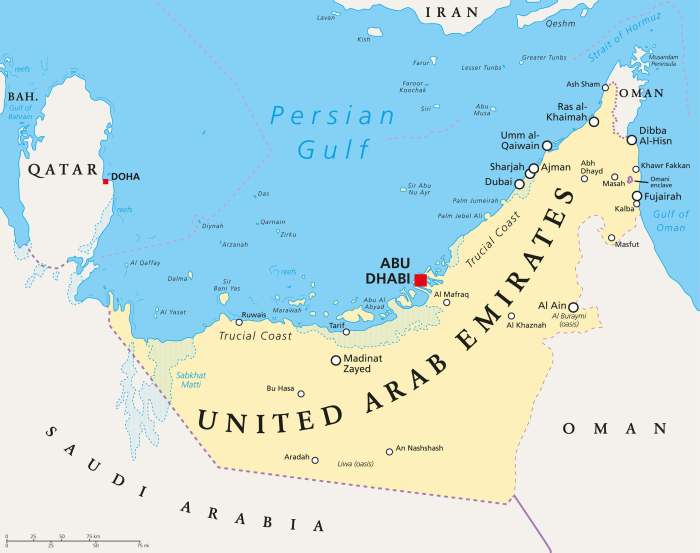
The UAE’s summons of the Israeli ambassador over Jerusalem rally violations underscores a delicate balancing act in the region’s evolving diplomatic landscape. This act reflects a complex interplay of regional interests, historical sensitivities, and the delicate nature of the Abraham Accords. The UAE’s approach, while seemingly firm, carries significant implications for the future of UAE-Israel relations and regional peace efforts.The summons serves as a clear signal of the UAE’s commitment to upholding its principles and interests, particularly regarding the sensitive issue of Jerusalem.
It also highlights the challenges inherent in navigating the complex relationship between two nations with differing perspectives on the Israeli-Palestinian conflict. The UAE’s action, however, must be analyzed within the context of its broader diplomatic strategy and its role in mediating conflicts within the region.
Potential Consequences for UAE-Israel Relations
The UAE’s actions, while not necessarily detrimental, could create friction in the bilateral relationship. The summons, though potentially necessary, could lead to a temporary setback in the close collaboration built upon the Abraham Accords. The possibility of a strained relationship is present, but the UAE likely anticipates mitigating this through swift and effective diplomatic channels. This incident underscores the importance of ongoing dialogue and mutual respect in maintaining strong relations between the two countries.
Comparison with Other Arab Nations’ Stances
The UAE’s approach contrasts with some other Arab nations’ stances on the Israeli-Palestinian conflict. While some Arab nations maintain a more critical stance towards Israel, the UAE has pursued a more nuanced approach, focusing on economic and security cooperation. This difference in approach stems from the UAE’s specific national interests and its desire to navigate the complexities of the region’s political dynamics.
The UAE’s unique position highlights the diversity of perspectives within the Arab world.
UAE’s Role in Mediating Conflicts
The UAE has emerged as a significant mediator in regional conflicts, often acting as a bridge between opposing sides. Its ability to foster dialogue and cooperation has been crucial in resolving some conflicts and establishing diplomatic ties. The UAE’s role in the region’s peace process is critical to its broader strategic interests.
Impact on the Abraham Accords
The summons could potentially affect the perception of the Abraham Accords. However, the UAE is likely to emphasize the accords’ significance in fostering cooperation and understanding. The UAE’s actions suggest a determination to navigate these complex issues while upholding the spirit of the agreements.
Diplomatic Responses to Similar Incidents
In past instances of diplomatic tensions involving the Israeli-Palestinian conflict, various nations have employed different strategies. Some have issued strong statements condemning actions perceived as violating international law, while others have chosen to engage in quiet diplomacy. These varying responses reflect the diverse national interests and priorities involved.
Table of Reactions from Various Nations
| Nation | Response to Similar Incident |
|---|---|
| UAE | Summoned Israeli ambassador, likely emphasizing dialogue and resolution. |
| Other Arab Nations (Example: Saudi Arabia) | Generally more critical stance, focusing on the Palestinian cause. |
| Western Nations (Example: USA) | Varying responses depending on specific incident and national interests. |
International Relations and Response
The UAE’s summons of the Israeli ambassador underscores the escalating tensions surrounding the recent Jerusalem rally and its perceived violations. This action, a significant diplomatic step, inevitably triggered a ripple effect across the international community, highlighting the complex web of relationships and the potential for further escalation. Understanding the reactions and responses from various actors is crucial to assessing the long-term implications of this incident.
Reactions from Other Countries
Diverse reactions from nations worldwide demonstrate the multifaceted nature of international relations. Some nations, aligning with the UAE’s stance, voiced concern over the alleged violations. Others, maintaining neutrality, called for de-escalation. Still others, potentially influenced by pre-existing geopolitical alignments, chose not to publicly comment, perhaps to avoid exacerbating tensions. This demonstrates the intricate dance of diplomacy and the delicate balancing act required when addressing such sensitive issues.
Key Players and Their Roles
Several key players, each with their own agendas and motivations, were involved in this incident. The UAE, as the summoning party, played a central role, expressing its concern regarding the alleged violations. Israel, as the party facing the summons, likely felt its diplomatic standing was challenged. International organizations, such as the UN, could potentially be involved in mediating the situation, depending on the escalation of the incident.
Each actor’s role and actions reflect their broader geopolitical objectives and their stance on the Israeli-Palestinian conflict.
Comparison with Other Similar Events
Comparing this incident with past events reveals parallels and differences in international responses. The Israeli-Palestinian conflict has historically been a source of tension and conflict, resulting in numerous diplomatic incidents. The intensity of reactions to each incident varies depending on the specific nature of the alleged violations and the broader political context. This comparison helps to contextualize the current situation and understand the potential trajectories of future actions.
The UAE summoning the Israeli ambassador over Jerusalem rally violations is definitely a hot topic right now. It’s all about diplomatic tensions, and while those are serious, it’s interesting to see how other things are unfolding in the world of sports. For example, the Nationals are looking to get their bats going against the Rangers, which is a big deal for baseball fans.
nationals look get bats going against rangers This rally issue, however, shows the complex political landscape, highlighting the challenges in maintaining diplomatic relations. So, yeah, lots of things going on, and the UAE situation is just one piece of it all.
For instance, the 2018 U.S. embassy move to Jerusalem sparked similar international reactions, demonstrating the sensitivity of the issue.
Diplomatic Protocols
Formal diplomatic procedures govern interactions between nations. These procedures, while not always explicitly codified, include diplomatic notes, consultations, and formal statements. The UAE’s summons of the Israeli ambassador falls under the category of formal diplomatic action, signifying a level of concern and potential escalation. Understanding these protocols helps to analyze the severity and intent behind diplomatic actions.
Examples of International Pressure, Uae summons israeli ambassador over jerusalem rally violations
International pressure has been applied in various forms in similar situations. Economic sanctions, public statements of condemnation, and diplomatic boycotts have all been utilized as tools of international pressure in the past. Understanding the range of tools used provides context for the current situation. For example, sanctions on specific countries for human rights violations are a well-known mechanism for exerting pressure.
Reactions from Different Countries (Table)
| Country | Reaction | Potential Motivations |
|---|---|---|
| UAE | Summoned the Israeli ambassador | Expressing concern over alleged violations and upholding its national interests. |
| Israel | Likely response to the summons | Potential feeling of diplomatic pressure and upholding its national interests. |
| United States | Potential statement or reaction | Balance of interests in the region and maintaining diplomatic relationships. |
| Other Arab Countries | Varying reactions depending on their relations with the UAE and Israel | Existing geopolitical alliances and their individual stances on the conflict. |
| European Union | Possible statement or diplomatic effort | Maintaining regional stability and upholding their diplomatic obligations. |
Analysis of the Rally
The recent Jerusalem rally, which prompted the UAE’s summons of the Israeli ambassador, highlights a complex interplay of political sensitivities and historical tensions. Understanding the significance of this event requires examining not just the immediate actions but also the underlying motivations and potential consequences for the region. The rally’s impact on regional stability and the trajectory of the Israeli-Palestinian conflict is significant, demanding careful consideration.The rally, while seemingly a demonstration of solidarity, became a flashpoint of diplomatic concern.
The specific violations of norms, coupled with the broader context of the Israeli-Palestinian conflict, contributed to the UAE’s decision to address the issue with the Israeli ambassador. This underscores the delicate balance of diplomatic relations and the potential for even seemingly innocuous events to escalate tensions.
Significance of the Rally in the Context of the Israeli-Palestinian Conflict
The rally’s significance stems from its location in Jerusalem, a city of profound religious and historical importance to both Israelis and Palestinians. Jerusalem’s contested status is a central point of contention in the Israeli-Palestinian conflict, with competing claims to sovereignty and control. Any public display of views on the issue can easily escalate into a major diplomatic issue.
The rally’s location and themes directly impacted the diplomatic response.
Specific Violations of Norms Leading to the Summons
The UAE’s summons stemmed from perceived violations of diplomatic norms and agreements. These violations likely included actions that could be interpreted as aggressive rhetoric, incitements to violence, or disruptions to established diplomatic protocols. The nature of these specific violations is crucial to understanding the severity of the event and the UAE’s response. Public displays that challenged the status quo and threatened established agreements, such as those related to freedom of movement, potentially constituted violations.
Potential Underlying Political Motivations Behind the Rally
The rally’s motivations could be multifaceted. It could be part of a broader political strategy to influence public opinion or exert pressure on the Israeli government. This pressure could stem from various political factions within the Palestinian community or external actors. These motivations are complex and need careful consideration. The rally may have been intended to highlight grievances or to mobilize support for a particular political agenda, potentially aimed at the Israeli government or even regional powers.
Potential Role of External Actors in Instigating or Influencing the Rally
External actors, including regional rivals or global powers, might have played a role in instigating or influencing the rally. These external actors might have used the rally as a tool to destabilize the region or advance their own geopolitical interests. The involvement of external actors can significantly impact the dynamics of the situation. It’s essential to consider whether these actors used the rally as a means to create division or to support specific viewpoints.
Chronological Table of Key Events of the Rally
| Date & Time | Event |
|---|---|
| October 26, 2023 – Morning | Rally begins, with large numbers of participants |
| October 26, 2023 – Midday | Specific demonstrations and protests take place, with chants and displays |
| October 26, 2023 – Afternoon | Possible violations of norms occur; these actions escalated the tension |
| October 26, 2023 – Evening | UAE summons the Israeli ambassador |
Detailed Account of the Protests and Demonstrations
The protests and demonstrations involved a significant number of participants, and the rally focused on specific issues. The specific demands of the protesters, as well as their actions, need to be carefully analyzed. These actions could have included displays of religious symbols, speeches, and demonstrations. A thorough understanding of the protests and demonstrations requires analyzing the messages conveyed and the impact they had on the broader context of the Israeli-Palestinian conflict.
Potential Outcomes
The UAE’s summons of the Israeli ambassador over Jerusalem rally violations marks a significant escalation in regional tensions. This diplomatic action carries potential consequences for both short-term and long-term relations, demanding careful consideration of possible outcomes and strategies for de-escalation. The situation necessitates a nuanced understanding of potential Israeli responses and the various approaches available to manage the escalating situation.
Short-Term Consequences
The immediate aftermath of the summons will likely see a flurry of diplomatic activity. The UAE’s move will undoubtedly be met with varied reactions, potentially including statements from other countries expressing support for either the UAE or Israel. There’s a strong possibility of a temporary freeze in bilateral interactions between the UAE and Israel, particularly in areas like security cooperation and economic agreements.
This is exemplified by previous diplomatic disputes that saw temporary suspensions of joint ventures and trade agreements.
Long-Term Implications for Regional Relations
The long-term implications of this incident extend beyond bilateral relations. The summons could potentially further strain relations between Arab nations and Israel, impacting the delicate balance of regional alliances. The situation could embolden hardline factions in both Israel and the Arab world, potentially creating further instability. A similar pattern was observed during the 2015 Iran nuclear deal negotiations where regional dynamics were significantly impacted by the varying stances of countries.
Possible Strategies for Resolving Underlying Issues
Addressing the underlying issues requires a multifaceted approach. Direct communication channels between the UAE and Israel, facilitated by mediating parties, are crucial. Finding common ground on issues related to Jerusalem and the Israeli-Palestinian conflict is essential for preventing further escalations. The involvement of regional and international actors could prove beneficial in de-escalating the situation, and this has been successful in similar conflicts in the past.
The UAE summoning the Israeli ambassador over Jerusalem rally violations highlights escalating tensions in the region. Meanwhile, a booming European defense sector, as detailed in this article on european defence supercycle means scrapping deficit fears , suggests a potential shift in global priorities, which could indirectly influence the ongoing diplomatic issues, ultimately impacting the UAE’s approach to these Jerusalem-related conflicts.
Possible Responses from the Israeli Government
Israel’s response will likely be determined by the severity of the violations and the perceived diplomatic pressure. A range of responses is possible, including issuing strong statements condemning the UAE’s actions, invoking a state of emergency, or initiating counter-summons of UAE diplomats. Such responses, while intended to maintain a strong position, could further inflame tensions.
Table of Potential Scenarios and Outcomes
| Scenario | UAE Response | Israeli Response | Regional Impact |
|---|---|---|---|
| Diplomatic Dialogue | Seeking clarification and resolution through dialogue. | Engaging in negotiations and compromise. | De-escalation of tensions, preservation of relationships. |
| Escalation of Retaliation | Further diplomatic pressure or sanctions. | Retaliatory actions or diplomatic severance. | Increased regional instability and potential for conflict. |
| Mediation Involvement | Cooperation with mediators. | Acceptance of mediation efforts. | Facilitated resolution and reconciliation. |
Approaches to De-Escalate Tensions
Effective de-escalation strategies should focus on building bridges and finding common ground. This involves promoting dialogue, understanding the perspectives of all parties involved, and working towards a resolution that respects the interests of both the UAE and Israel. Examples of successful conflict resolutions include the 1993 Oslo Accords, which facilitated the Israeli-Palestinian peace process. The international community should play a key role in facilitating dialogue and creating a framework for addressing the underlying issues.
Contextual Information: Uae Summons Israeli Ambassador Over Jerusalem Rally Violations
Jerusalem, a city steeped in history and religious significance, has been a focal point of conflict for centuries. Its contested status lies at the heart of the Israeli-Palestinian dispute, influencing regional dynamics and international relations. Understanding the historical context, the political and social landscape, and the significance of Jerusalem to both sides is crucial to grasping the current tensions.The city’s multifaceted nature, simultaneously sacred to Jews, Christians, and Muslims, has led to a complex web of claims and counterclaims.
This intricate history shapes the current political climate, making any resolution challenging and fraught with potential for further escalation.
History of Israeli-Palestinian Disputes Surrounding Jerusalem
The dispute over Jerusalem dates back to the Ottoman era and the British Mandate. After World War I, the British administration divided the region, setting the stage for future conflicts. The 1948 Arab-Israeli War saw the city divided between Israel and Jordan, leading to displacement and significant hardship for both communities. The 1967 Six-Day War brought about Israel’s control of the entire city, a move that Palestinians view as a violation of their rights and a key point of contention.
Political and Social Dynamics within the Region
The region’s political landscape is characterized by deep-seated mistrust and historical grievances. Israel’s presence in the West Bank and Gaza Strip, coupled with Palestinian aspirations for statehood, continues to fuel tension. The occupation and the resulting restrictions on Palestinian movement and development contribute significantly to the ongoing instability. The Israeli-Palestinian conflict is further complicated by the presence of numerous external actors, each with their own interests and perspectives.
The role of regional powers and international organizations adds another layer of complexity to the situation.
Examples of Past Conflicts in the Region
The history of the region is marked by numerous conflicts. The 1948 Arab-Israeli War, the 1967 Six-Day War, and the ongoing Israeli-Palestinian conflict are just some of the major events that have shaped the political landscape. Each conflict has resulted in significant human cost, displacement, and destruction of property, further solidifying the deep-seated grievances. These conflicts highlight the difficulty in reaching a lasting resolution.
Importance of Jerusalem to Israeli and Palestinian Cultures
Jerusalem holds profound religious and cultural significance for both Israelis and Palestinians. For Jews, it is the historic capital and site of the ancient Temple Mount. For Muslims, it is home to the Al-Aqsa Mosque, a significant holy site. The competing claims to the city and its sacred sites are deeply ingrained in the cultural identity of both groups, making any resolution to the conflict even more challenging.
The city’s importance extends beyond religion; it is a symbol of national identity and pride for both Israelis and Palestinians.
Overview of the Current Political Climate in the Region
The current political climate is characterized by heightened tensions. Recent events, including the rally in question, have further exacerbated these tensions. The international community’s response to these events will be critical in determining the future trajectory of the situation. The ongoing conflict, combined with external pressures, creates a volatile environment ripe for further escalation. Factors like economic hardship and social unrest can add to the volatility.
Table of Relevant Historical Dates and Events
| Date | Event | Significance |
|---|---|---|
| 1948 | Arab-Israeli War | Division of Jerusalem, displacement of populations |
| 1967 | Six-Day War | Israel gains control of East Jerusalem |
| 1967-present | Israeli occupation of Palestinian territories | Ongoing conflict, restrictions on Palestinian movement and development |
Outcome Summary

In conclusion, the UAE’s summons of the Israeli ambassador underscores the persistent challenges in the Israeli-Palestinian conflict and the sensitivity surrounding Jerusalem. The incident’s implications extend beyond bilateral relations, impacting regional stability and potentially influencing the future of the Abraham Accords. The need for dialogue and understanding, coupled with a willingness to address underlying concerns, is crucial for de-escalating tensions and achieving a more peaceful resolution to this enduring conflict.
Further developments and reactions from various actors will be key to understanding the full scope of this significant diplomatic event.

