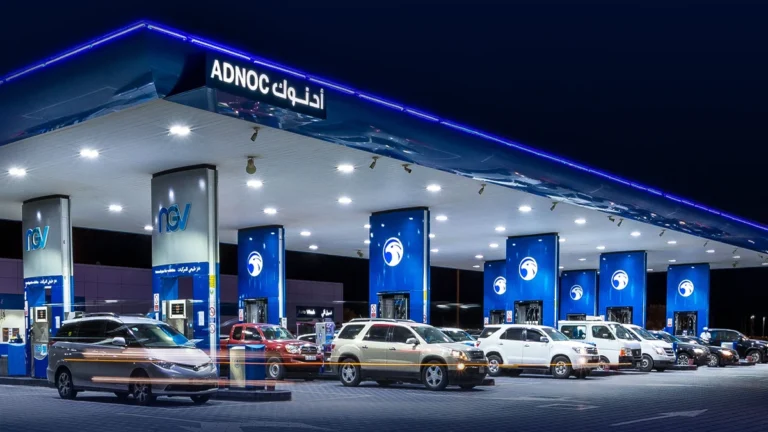
South Africa’s energy landscape is on the cusp of a significant transformation as British oil giant Shell enters advanced negotiations to divest its downstream assets in the country to the Abu Dhabi National Oil Company (ADNOC). This potential multibillion-dollar deal, reportedly valued at approximately $1 billion, signifies the end of an era for Shell, a company that has been a cornerstone of South Africa’s fuel retail sector for over a century. The proposed transaction, which could see ADNOC acquire around 600 fuel stations and secure nearly 10% of the South African retail fuel market, represents a strategic realignment for both global energy players and underscores a burgeoning trend of Middle Eastern national oil companies expanding their footprint across the African continent.
A Historic Exit and a Strategic Entry
The impending sale marks a pivotal moment for Shell’s long-standing presence in South Africa. For over 100 years, the company has been an integral part of the nation’s energy infrastructure, operating a vast network of service stations and contributing significantly to the economy. However, in recent years, Shell has been strategically reassessing its global downstream operations, a move that has led to a gradual divestment from certain markets. This South African exit aligns with a broader strategy to streamline operations, shed non-core assets, and reallocate capital towards more profitable ventures and emerging energy technologies.
The potential acquirer, ADNOC, is a formidable state-owned energy company from the United Arab Emirates. ADNOC is currently embarking on an ambitious global expansion strategy, fueled by a substantial investment plan of $150 billion earmarked for the period between 2026 and 2030. This aggressive growth agenda aims to solidify its position as a dominant force in the international energy market. The acquisition of Shell’s South African downstream assets would represent a significant and immediate leap into a key African market, providing ADNOC with a substantial retail network and a considerable market share. This move is not merely a commercial transaction; it is a strategic play to capture growing demand for refined petroleum products in Africa, a continent projected to experience sustained economic growth and increasing energy needs.
The Deal’s Scope and Market Implications
Sources close to the negotiations, including reports from Bloomberg, indicate that the deal encompasses Shell’s extensive network of approximately 600 fuel stations across South Africa. If finalized, this transaction would hand ADNOC a commanding presence, capturing an estimated 10% of the country’s retail fuel market. This substantial market share would position ADNOC as a major player in South Africa’s highly competitive fuel retail landscape, directly challenging established local and international competitors.
The potential completion of this deal as early as the current quarter would signify a rapid shift in market dynamics. For South Africa, it means a change in ownership at the pump for a significant portion of its fuel supply. While the immediate impact on consumers might appear subtle, the underlying message is one of evolving global energy flows and investment priorities. The increased presence of Gulf-based national oil companies in African energy markets is a trend that is expected to continue, driven by their substantial financial resources and strategic ambitions.
A Shifting Global Energy Landscape
The timing of Shell’s potential exit is particularly noteworthy, occurring amidst a period of heightened global geopolitical instability. The ongoing conflict in the Middle East and its ripple effects on energy markets have underscored the volatility inherent in the sector. This volatility recently forced Shell itself to revise its first-quarter gas production outlook, highlighting the unpredictable nature of the current energy climate. In such an environment, companies are often compelled to re-evaluate their geographical exposure and operational risks.
Shell’s decision to divest its South African downstream assets can also be viewed as a part of a broader strategic recalibration by Western oil majors. Many of these companies are increasingly focusing on their upstream exploration and production activities, as well as investing heavily in renewable energy and lower-carbon solutions. Downstream retail operations, while historically profitable, are often capital-intensive and face significant competition, making them a logical target for divestment as companies prioritize areas with higher potential for growth and profitability in the evolving energy transition.
ADNOC’s Strategic Expansion: A Look at the Numbers
ADNOC’s ambitious investment plan of $150 billion is a testament to its global aspirations. This colossal sum is allocated towards expanding its production capacity, enhancing its refining and petrochemical operations, and diversifying its energy portfolio. The acquisition in South Africa aligns perfectly with this vision, offering immediate access to a mature market with established infrastructure and a consistent demand for fuel.
The UAE’s strategic objective is to leverage its considerable oil and gas revenues to secure long-term energy dominance and diversify its economic base. By investing in downstream assets in key international markets like South Africa, ADNOC not only secures new revenue streams but also gains valuable market intelligence and operational expertise. This expansion also serves to bolster the UAE’s geopolitical influence within the African continent, fostering stronger economic ties and creating opportunities for further collaboration.
Historical Context and Evolving Trends
Shell’s century-long journey in South Africa is a significant chapter in the nation’s industrial history. The company played a crucial role in establishing the country’s fuel distribution network, supporting transportation, and contributing to economic development. However, the global energy industry is in a constant state of flux, driven by technological advancements, evolving consumer preferences, and shifting geopolitical realities.
The trend of Western majors exiting retail operations in certain regions while Gulf-based companies expand is not unique to South Africa. Similar shifts have been observed in other markets across Asia, Europe, and Africa. This pattern reflects a strategic divergence: Western companies are often divesting mature, lower-margin assets to focus on new energy ventures and core upstream businesses, while national oil companies from oil-rich nations are leveraging their financial strength to acquire established market positions and expand their global reach.
Implications for South Africa and the Continent
For South Africa, the entry of ADNOC signals a potential infusion of new investment and competition into its fuel retail sector. While the immediate impact on consumers may be minimal, the long-term implications could include increased efficiency, potentially more competitive pricing, and a diversified supply chain. The presence of a major global energy player like ADNOC could also spur further investment in related industries, such as logistics and infrastructure.
On a broader continental level, this deal reinforces the growing influence of Middle Eastern energy giants in Africa. As African economies continue to develop and their energy demands rise, countries like the UAE, with their substantial capital reserves and strategic foresight, are well-positioned to become key partners in meeting these needs. This influx of investment can be beneficial, but it also raises questions about long-term energy security, the role of national energy companies, and the potential for increased dependence on external state-owned enterprises.
The ongoing geopolitical tensions, particularly those related to the Middle East, serve as a stark reminder of the interconnectedness of global energy markets. Fluctuations in oil prices, supply disruptions, and political instability in one region can have far-reaching consequences across the globe. The Shell-ADNOC transaction, therefore, is not just a corporate deal; it is a reflection of these broader global forces shaping the future of energy supply and consumption.
As Shell prepares to hand over its legacy in South Africa, the nation watches to see how ADNOC will integrate its new assets and what impact this will have on the energy landscape. The century-long tenure of one global energy titan is making way for the ambitious expansion of another, marking a new chapter in South Africa’s energy story and signaling a broader shift in the global energy order. The ultimate beneficiaries of this transition will be determined by how effectively new players like ADNOC can meet the evolving energy needs of South Africa and the continent, while navigating the complexities of a dynamic and often unpredictable global energy market.