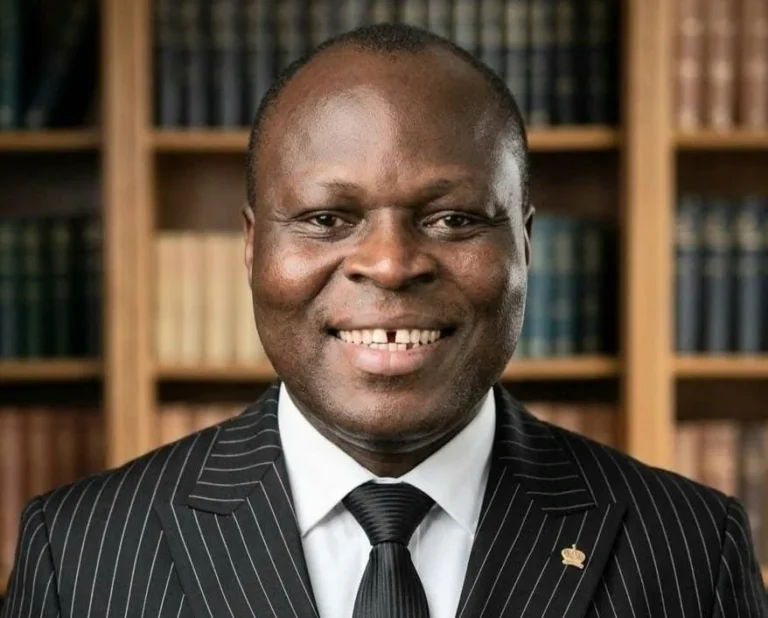
The Archives & Records Association (ARA UK & Ireland), the preeminent professional body for archivists, records managers, and conservators across the United Kingdom and Ireland, has announced the election of Nigerian scholar Professor Elvis Otobo to its distinguished Board of Directors. This significant appointment, made under Article 21 of the association’s Articles of Association, marks a pivotal moment for the ARA, reinforcing its commitment to diverse leadership, academic rigor, and the strategic advancement of the archival and records management profession in an increasingly globalized and digital world. Professor Otobo’s inclusion is anticipated to inject fresh perspectives, particularly in the critical areas of digital preservation, information governance, and the broader international context of heritage management.
Elevating Leadership in a Crucial Profession
The Archives & Records Association stands as the leading professional voice for over 2,000 professionals who are the custodians of history, facilitators of transparency, and guardians of institutional memory. Its members operate across a vast spectrum of sectors, including central and local government, educational institutions, national and regional heritage bodies, and a multitude of public service organizations. These professionals are tasked with the immense responsibility of managing, preserving, and making accessible the documentary heritage and current records that underpin societal accountability, cultural identity, and effective governance. The election of a director to such a body is not merely an administrative procedure; it is a strategic decision that shapes the future direction, advocacy efforts, and professional development agenda for a vital sector.
Professor Otobo brings to the ARA Board an exceptionally robust academic and professional foundation. His educational journey reflects a profound interdisciplinary approach, essential for navigating the complex challenges of modern information management. He holds a Master of Archives, Records and Information Management from the University of Ibadan, a venerable institution renowned for its contributions to information science in Africa. Complementing this, he earned a Master of Arts in Heritage Theory and Practice from the University of Plymouth, UK, which broadened his understanding of the cultural and societal dimensions of preservation. His doctoral research, culminating in a PhD in Information Resources Management from Babcock University, delved into critical issues of records integrity, work environments, and administrative effectiveness within the judiciary. This specialized focus is particularly relevant in an era where public trust and judicial transparency are paramount, highlighting the foundational role of well-managed records in upholding the rule of law.
A Career Defined by Innovation and Impact
Professor Otobo’s career trajectory is characterized by a consistent drive to strengthen records management practices across various domains. His work bridges the theoretical underpinnings of archival science with the practical demands of digital preservation, robust information governance frameworks, and strategic communication. This comprehensive expertise is vital for practitioners in public services, higher education, and cultural heritage sectors, who are increasingly confronted with the challenges of managing vast quantities of born-digital information, ensuring data security, and adapting to rapidly evolving technological landscapes.
Throughout his professional life, he has championed initiatives that enhance the capacity of institutions to manage their information assets effectively. His contributions have not only advanced academic discourse but have also translated into tangible improvements in how organizations handle their records, from their creation and maintenance to their long-term preservation and accessibility. This commitment to both scholarly excellence and practical application underscores his suitability for a leadership role within the ARA, where the integration of cutting-edge research with professional best practices is a core mandate.
The Evolving Landscape of Archives and Records Management
The archival and records management profession is currently undergoing a transformative period, driven by rapid technological advancements, evolving regulatory frameworks, and societal expectations for greater transparency and accessibility. The sheer volume of digital information generated daily presents unprecedented challenges for preservation, authenticity, and long-term access. According to industry reports, the global volume of data is projected to reach over 175 zettabytes by 2025, a significant portion of which will require professional management and archival consideration. This digital deluge necessitates new approaches to information governance, cybersecurity, and the development of specialized digital preservation skills among professionals.
Furthermore, the integration of artificial intelligence (AI) and machine learning into information systems is beginning to reshape how records are classified, searched, and analyzed. While offering immense potential for efficiency and discovery, these technologies also raise complex ethical questions concerning data privacy, algorithmic bias, and the integrity of automated recordkeeping processes. Professional bodies like the ARA play a crucial role in guiding their members through these complexities, providing frameworks for ethical practice, advocating for appropriate policy, and facilitating continuous professional development to equip practitioners with the necessary skills.
Beyond technology, the profession also grapples with issues of funding, public awareness, and the need to demonstrate the intrinsic value of archives in contemporary society. Archives are not merely dusty repositories of the past; they are dynamic resources for understanding current events, informing policy decisions, supporting legal processes, and fostering cultural identity. They are critical for public accountability, enabling citizens to scrutinize government actions and ensuring transparency in decision-making. The ARA’s advocacy efforts are therefore essential in communicating this value to policymakers, funders, and the wider public.
A Strategic Vision for the Future
Professor Otobo’s election to the ARA Board is a clear reflection of his lifelong commitment to excellence in archives and digital recordkeeping. In his capacity as a director, he is poised to significantly contribute to the association’s strategic priorities. These priorities typically include strengthening the professional development pipeline, driving sector-wide advocacy for improved standards and resources, and fostering collaborative initiatives among members and with external stakeholders. His leadership aims to enhance professional standards, encourage innovation, and ensure that archives continue to serve as indispensable assets for public accountability and cultural memory.
His expertise in information resources management, particularly his focus on records integrity within the judiciary, offers a critical perspective on how robust recordkeeping underpins the functioning of democratic institutions. In an era where misinformation and distrust can erode public confidence, the authenticated record stands as a bulwark of truth. His understanding of both the theoretical and practical dimensions of digital preservation will be invaluable as the ARA navigates the complexities of ensuring the longevity and accessibility of born-digital records, which are increasingly susceptible to technological obsolescence and data corruption.
Official Statements and Broader Implications
Speaking on his election, Professor Otobo expressed his enthusiasm for the new role. "It is an honour to serve the ARA and contribute to the advancement of our profession at an international level," he stated on Monday. "Archives and records are essential to accountability, transparency, and cultural identity. I look forward to supporting the Association’s mission and working with colleagues across the UK and Ireland to strengthen our sector for the future." His statement encapsulates a deep understanding of the foundational importance of the profession and a clear vision for its future growth and impact.
While the ARA did not issue an immediate, specific statement solely on Professor Otobo’s election, the association’s ongoing commitment to fostering diverse leadership and drawing upon a broad spectrum of expertise is well-documented. The inclusion of an internationally recognized scholar like Professor Otobo aligns perfectly with the ARA’s strategic objective to enhance its global perspective and reinforce its position as a forward-thinking professional body. His election underscores a recognition within the association that the challenges and opportunities in archives and records management transcend national borders, requiring a leadership team equipped with diverse intellectual and cultural insights.
Within academic circles and among his peers in the archival community, Professor Otobo’s appointment has been met with significant acclaim. Colleagues and collaborators view his election as a testament to his extensive research contributions, particularly in areas like digital preservation and information governance, which are critical for the profession’s future. His ability to bridge theoretical frameworks with practical, implementable solutions has made him a respected voice, and his presence on the ARA board is seen as a positive step towards integrating cutting-edge academic insights directly into professional practice and policy advocacy.
Fostering International Collaboration and Diversity
The election of a Nigerian scholar to a board primarily serving the UK and Ireland holds significant implications beyond the immediate professional mandate. It represents a tangible step towards greater diversity and inclusion within the leadership of international professional bodies. In a world where information flows globally, and where historical and cultural records often have transnational significance, having diverse voices at the decision-making table enriches perspectives and fosters more inclusive approaches to heritage preservation and information management.
Professor Otobo’s background offers a unique lens through which to view challenges and solutions. His experience within the Nigerian academic and institutional context provides valuable insights into issues that may differ from, or offer parallels to, those encountered in the UK and Ireland. This cross-cultural exchange of ideas can lead to more innovative solutions, stronger international collaborations, and a more holistic understanding of global best practices in archives and records management. It could also open avenues for partnerships and knowledge transfer between archival institutions in Africa and those in the UK and Ireland, fostering mutual growth and development.
Moreover, his expertise in digital transformation will be crucial in guiding the ARA’s efforts to prepare its members for the future. As digital records become the norm, the challenges of authenticity, integrity, and long-term preservation become increasingly complex. Professor Otobo’s research and practical experience in this domain will be instrumental in developing robust strategies, training programs, and advocacy positions that ensure the archival profession remains at the forefront of digital stewardship.
In conclusion, Professor Elvis Otobo’s election to the Archives & Records Association UK & Ireland Board is more than just a new appointment; it is a strategic enhancement of the association’s leadership, signalling a commitment to embracing global expertise, fostering diversity, and tackling the complex challenges of the digital age. His profound academic background and extensive professional experience are poised to significantly contribute to the ARA’s mission, ensuring that archives and records continue to serve as vital pillars of accountability, transparency, and cultural heritage for generations to come.