The Niger State Ministry of Health has officially commenced an exhaustive investigation into a suspected outbreak of a highly infectious disease following the tragic death of a child and the subsequent hospitalization of several family members. This emergency response was triggered by a distressing series of events in Minna, the state capital, where health authorities were alerted to a potential public health crisis through unconventional yet effective channels. The state’s Director of Public Health, Ibrahim Idris, confirmed the development in a detailed statement released on Thursday via the Ministry of Information and Orientation, emphasizing that the government is treating the situation with the utmost urgency to prevent a localized outbreak from escalating into a wider community transmission.
The investigation was catalyzed by a viral social media video posted by a concerned father who documented the deteriorating health of his children and the sudden loss of one child. In the video, the father alleged that a "strange illness" had descended upon his household, leaving several of his children incapacitated. This digital plea for help prompted an immediate mobilization of the state’s rapid response teams. According to Dr. Idris, the swiftness of the Ministry of Health’s intervention is a testament to the Governor Umaru Bago-led administration’s unwavering commitment to the safety and well-being of all residents. The administration has prioritized health security as a cornerstone of its "New Niger" agenda, recognizing that timely public health responses are critical in mitigating the impact of infectious diseases in both urban and rural settlements.
Clinical Observations and the Suspicion of Diphtheria
Preliminary medical assessments conducted by state epidemiologists and clinical staff suggest that the illness may not be an entirely unknown pathogen, despite initial reports labeling it as a "strange disease." Early clinical indicators have led medical experts to suspect diphtheria, a serious bacterial infection that affects the mucous membranes of the throat and nose. Diphtheria is characterized by symptoms such as a thick gray coating in the back of the throat, fever, swollen glands, and weakness. If left untreated, it can lead to severe complications, including heart failure, paralysis, and respiratory distress, which are often fatal, particularly in children.
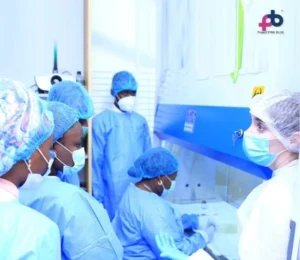
Dr. Idris clarified that while diphtheria is a primary suspect, the medical team is maintaining an open mind until laboratory results provide a definitive diagnosis. "At this stage, no definitive conclusion can be made until laboratory investigations are completed," Idris stated. He further explained that biological samples have been collected from the surviving family members and are currently undergoing rigorous testing at specialized diagnostic facilities. These results will be instrumental in identifying the exact causative agent of the illness and will dictate the specific medical and environmental protocols required to manage the situation effectively.
Emergency Evacuation and Medical Management
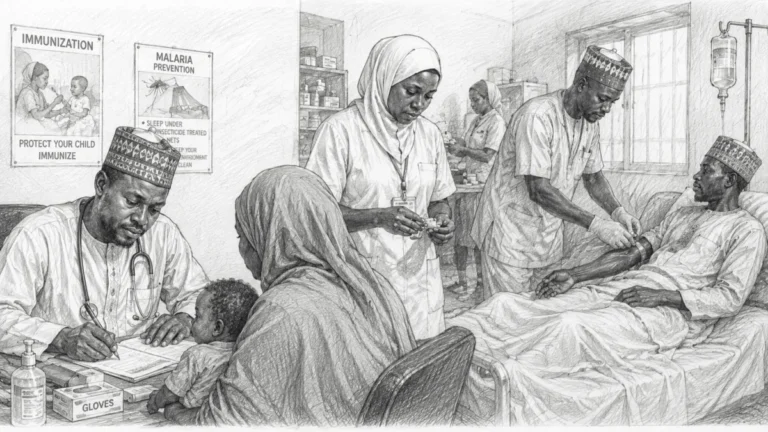
In an effort to contain the suspected pathogen and provide the necessary life-saving care, the affected children were promptly evacuated from their residence to a state-designated health facility. They are currently being managed at the isolation center of the General Hospital, where they have been placed on a regimen of specialized antibiotics and supportive care. The decision to isolate the family is a standard public health measure intended to break the chain of transmission, especially given the contagious nature of respiratory-based infections like diphtheria.
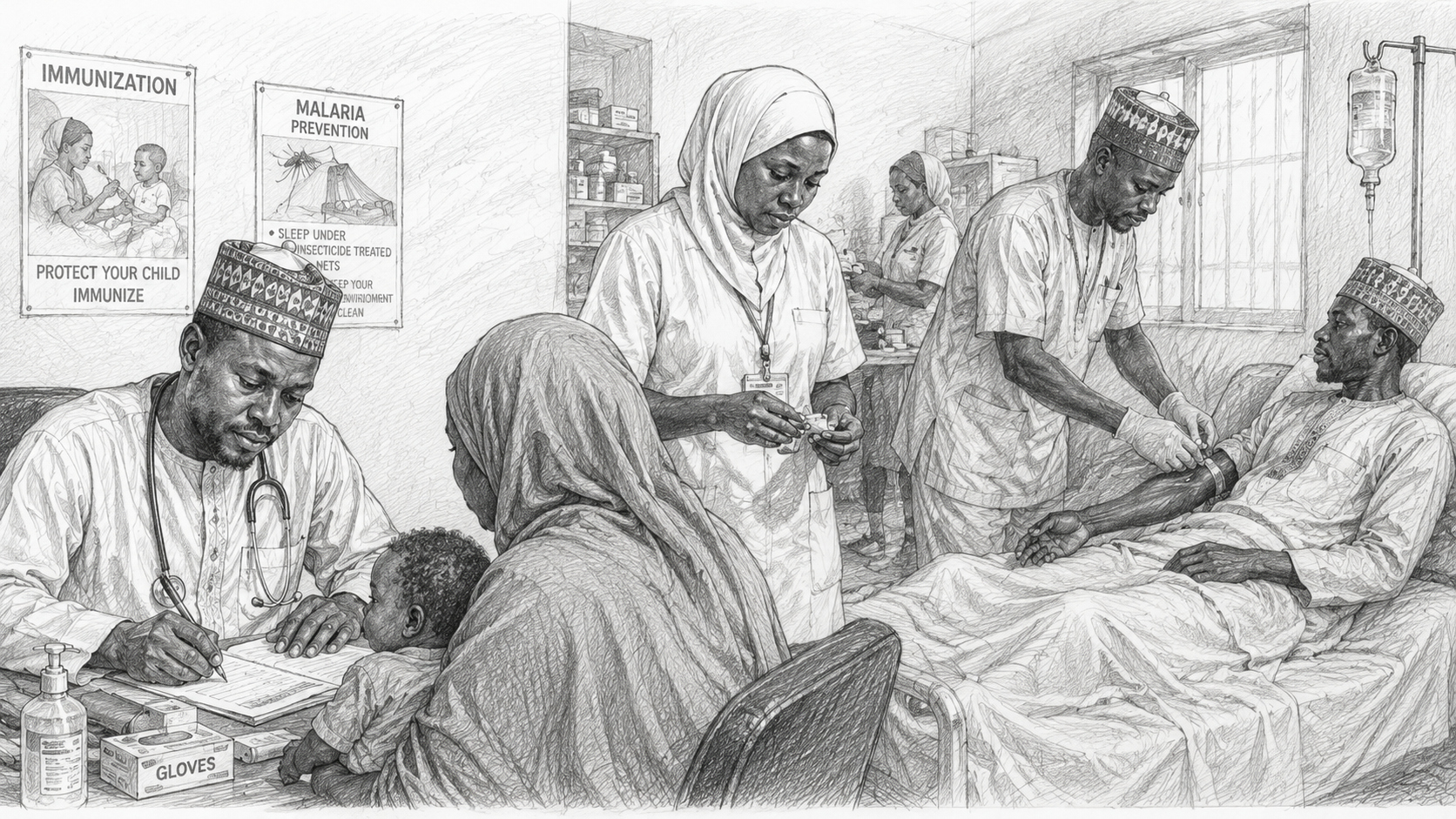
Junaidu Inuwa, the Executive Director of the Niger State Primary Health Care Development Agency (NSPHCDA), reported that the medical team is monitoring the patients closely. He noted that the survival of the remaining children depends heavily on the timeliness of the intervention and the body’s response to the intensive treatment currently being administered. The state has ensured that the isolation ward is equipped with the necessary medical supplies and personnel to handle the complexities of a potential infectious disease outbreak.
The Vaccination Gap: A Critical Public Health Challenge
A significant and concerning revelation from the preliminary investigation involves the immunization history of the affected family. According to Junaidu Inuwa, an audit of the children’s health records showed that the deceased child had only received partial immunization. More alarmingly, findings indicated that the surviving children were either only partially vaccinated or had completely missed their routine immunization schedules. This lack of full protection has left the children highly vulnerable to vaccine-preventable diseases (VPDs), which continue to pose a significant threat to public health across Nigeria.
This incident highlights the persistent challenge of "zero-dose" and under-immunized children in the region. Despite the availability of free vaccines at primary healthcare centers across Niger State, some families continue to fall through the cracks of the healthcare system due to various factors, including lack of awareness, geographical barriers, or vaccine hesitancy. The NSPHCDA has emphasized that routine immunization remains the most effective defense against diseases like diphtheria, pertussis, tetanus, polio, and measles. The agency is now using this tragic incident as a call to action for parents and guardians to prioritize the completion of the National Programme on Immunization (NPI) schedule for their children.
Community Surveillance and Contact Tracing
To prevent the spread of the illness beyond the immediate family, the Niger State government has deployed surveillance officers to conduct extensive contact tracing. This exercise involves identifying every individual who has had close contact with the infected family over the past two weeks. The search has been extended to the schools attended by the children, where health officials are screening students and staff for any signs of respiratory distress or similar symptoms.
The contact tracing strategy is designed to identify "active cases"—individuals who may be carrying the pathogen but have not yet sought medical attention. By identifying and isolating these individuals early, the Ministry of Health aims to create a "firewall" around the affected community. Public health officials are also engaging with community leaders and traditional rulers to sensitize residents about the importance of reporting any unusual illnesses to the nearest health facility immediately.
Broader Context: Diphtheria in Nigeria
The situation in Niger State occurs against the backdrop of a broader national struggle with diphtheria. Over the past two years, Nigeria has experienced one of its most significant diphtheria outbreaks in decades. According to data from the Nigeria Centre for Disease Control and Prevention (NCDC), thousands of cases have been recorded across multiple states, with a high case fatality rate among children who have not been vaccinated. The resurgence of the disease has been attributed to disruptions in routine immunization services, partly exacerbated by the aftermath of the COVID-19 pandemic and localized insecurity in some parts of the country.

Niger State’s proactive stance in investigating this latest report reflects a heightened state of alertness across the Nigerian health sector. The NCDC has previously issued advisories to state governments to strengthen their surveillance systems and ensure the availability of Diphtheria Antitoxin (DAT) and relevant antibiotics. The Niger State Ministry of Health’s alignment with these national guidelines is seen as a vital step in ensuring that the state does not become a new epicenter for the disease.
Government Commitment and Public Advisory
The Governor Umaru Bago administration has reiterated that the health of Nigerlites is a non-negotiable priority. The prompt response to a social media report demonstrates a modern approach to governance where digital feedback is integrated into emergency response frameworks. Dr. Idris noted that every unexplained death in the state deserves a thorough investigation, and every suspected outbreak must be treated with the urgency required to protect the wider population.
In the wake of this incident, the state government has issued a series of public health advisories:
- Immunization: Parents must ensure their children are fully vaccinated according to the age-appropriate schedule.
- Early Reporting: Any symptoms such as persistent sore throat, fever, or difficulty breathing should be reported to a hospital immediately.
- Hygiene Practices: Residents are encouraged to maintain high standards of personal and environmental hygiene, including regular handwashing and avoiding overcrowded spaces if feeling unwell.
- Cooperation with Health Officials: Communities are urged to cooperate with surveillance teams and provide accurate information during contact tracing exercises.
Future Implications and Structural Responses
As the investigation continues, the Niger State Government is expected to review its primary healthcare delivery strategies. The incident has underscored the need for more aggressive community outreach programs to reach under-served populations. There are plans to intensify the "mop-up" vaccination campaigns in areas identified as having low immunization coverage. Furthermore, the state is looking to enhance the capacity of its laboratory services to reduce the turnaround time for the diagnosis of infectious diseases.
The executive director of the NSPHCDA, Junaidu Inuwa, concluded that the agency would continue to provide timely updates as the laboratory results become available. He reassured the public that the state has the technical expertise and the political will to manage the situation and prevent any further loss of life. The tragic death of one child serves as a somber reminder of the stakes involved in public health management and the collective responsibility of the government and the citizenry in preventing the spread of infectious diseases.
Health authorities remain on high alert, and the General Hospital’s isolation center continues to be the focal point of the clinical response. The state’s ability to contain this suspected outbreak will depend on the continued collaboration between the Ministry of Health, the NSPHCDA, and the residents of Niger State. For now, the focus remains on the laboratory confirmation of the disease and the recovery of the surviving family members who remain under intensive medical supervision.