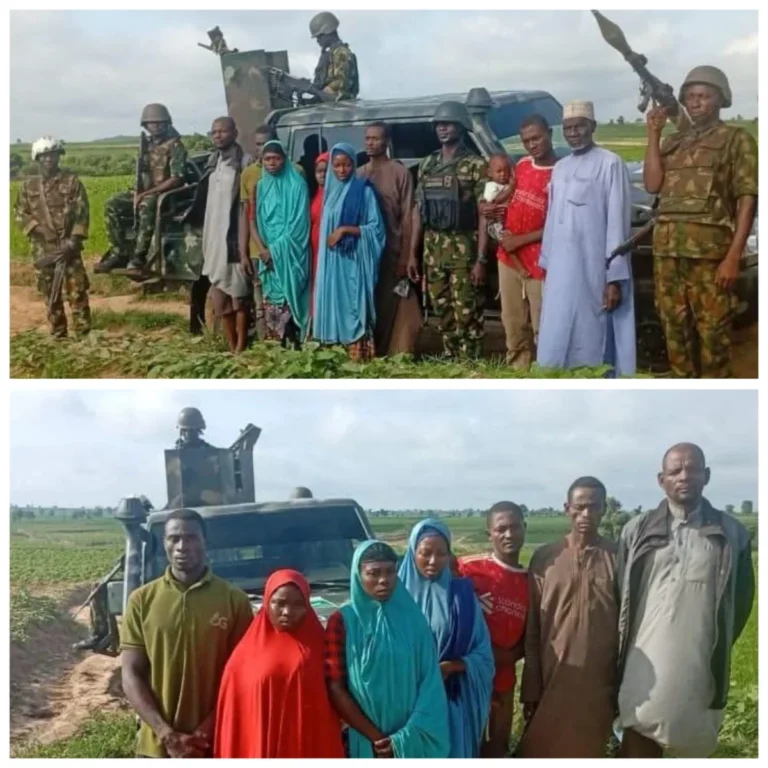
Troops of the 17 Brigade, operating under the Joint Task Force (North West) Operation FANSAN YAMMA, have successfully rescued nine kidnapped victims who managed to escape from their captors’ hideout in a forest in Katsina State. The daring escape, which occurred due to the vigilance of the victims and the apparent lapse in security by their abductors, was facilitated when the terrorists reportedly fell asleep. This development underscores the persistent challenges posed by banditry and terrorism in the region, as well as the ongoing efforts by security forces to combat these threats.
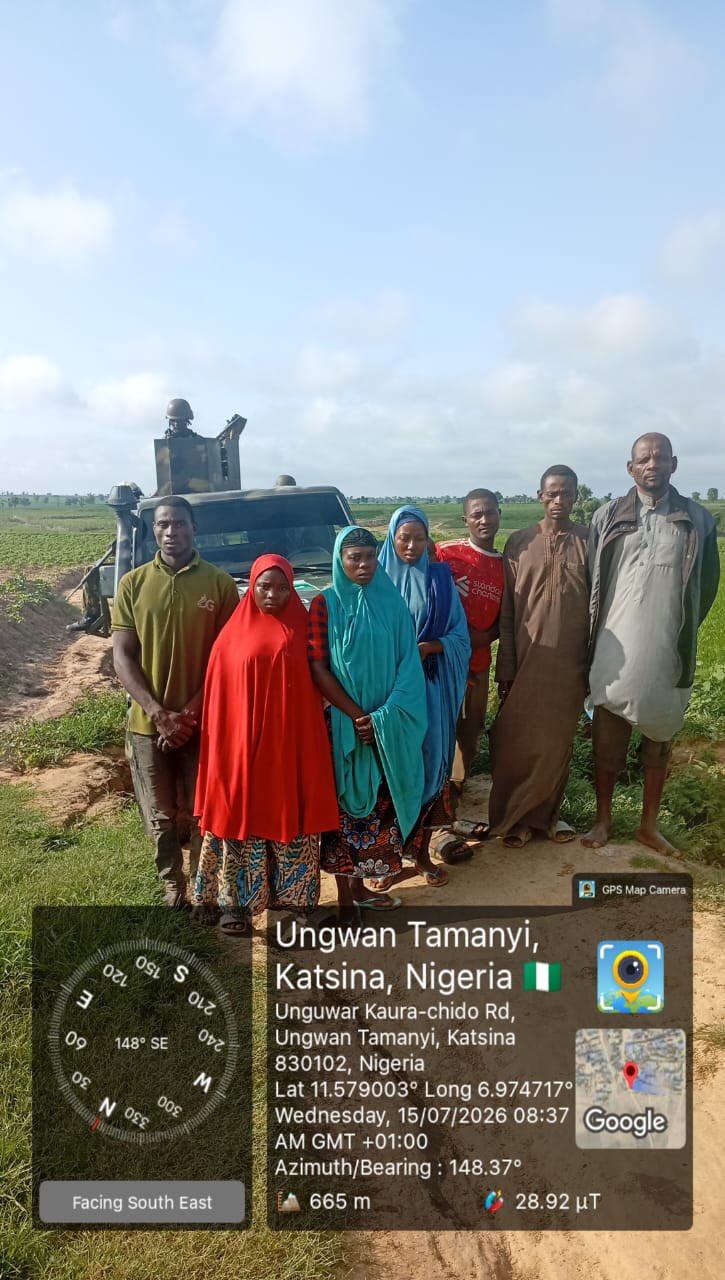
Lieutenant Colonel Aliyu Danja, the Media Information Officer for Joint Task Force (North West) Operation FANSAN YAMMA, officially disclosed the details of the rescue operation in a statement released on Friday, July 17, 2026. The victims were discovered by troops conducting a routine foot patrol at approximately 8:30 a.m. on July 15, 2026, in the Anguwan Doka area of Faskari Local Government Area, Katsina State. This area, like many in the North West of Nigeria, has been a hotbed for criminal activities, including kidnapping for ransom and cattle rustling.
The rescued group comprised a diverse mix of individuals: three women, four men, and two young children. Their presence in the remote forest, far from their homes, highlighted the grim reality of the abduction crisis that has plagued communities across several northern Nigerian states. The initial moments of their encounter with the military patrol were crucial, marking the end of their ordeal as captives and the beginning of their journey back to safety.
Background and Chronology of the Abduction and Escape
During preliminary interrogations conducted by the military, the rescued victims provided critical insights into their harrowing experience. They identified themselves as indigenes of Kuchere village, located within the Tsafe Local Government Area of Zamfara State. Their abduction, they recounted, occurred along the Tsafe-Kuchere road, a route notorious for its insecurity and frequent bandit attacks. This road connects key communities in Zamfara and has been a target for criminal elements seeking to exploit travelers.
The victims’ account revealed a moment of opportunistic bravery. They explained that they had been held in a terrorists’ enclave deep within the forest. The opportunity for escape arose when the guards responsible for watching over them reportedly fell asleep. Seizing this critical window, the captives, demonstrating remarkable courage and resilience, embarked on a perilous trek through the dense forest. Their escape route was fraught with danger, but their determination to regain freedom propelled them forward until they were fortunate enough to encounter the military patrol.
The timeline of events leading to their rescue can be pieced together as follows:

- Date of Abduction: While the exact date of their initial abduction was not specified in the initial report, it is understood to have occurred at some point prior to their escape, likely within the preceding days or weeks, given the location of their captors.
- Location of Abduction: Tsafe-Kuchere road, Tsafe Local Government Area, Zamfara State.
- Period of Captivity: Unknown, but sufficient for the victims to have been moved to a forest hideout.
- Date of Escape: The escape likely occurred in the early hours of July 15, 2026, or the night before, allowing them time to move away from the hideout.
- Time of Encounter with Troops: Approximately 8:30 a.m. on July 15, 2026.
- Location of Encounter: Anguwan Doka, Faskari Local Government Area, Katsina State.
- Date of Official Disclosure: July 17, 2026.
The geographical movement from Zamfara State to Katsina State indicates the mobility of these criminal groups and the vastness of the operational areas they control. Faskari Local Government Area in Katsina State shares borders with Zamfara State, making it a plausible area for such hideouts.
The Broader Context of Insecurity in the North West
This rescue operation is a stark reminder of the escalating insecurity plaguing Nigeria’s North West region. For years, states like Katsina, Zamfara, Kaduna, and Sokoto have been grappling with a pervasive wave of banditry, often characterized by mass kidnappings, armed robberies, and attacks on communities. These criminal elements, often referred to as "bandits," have grown increasingly sophisticated, utilizing advanced weaponry and employing tactics that sow fear and disrupt economic activities.
The motivations behind these criminal acts are multifaceted, ranging from financial gain through ransom payments to a broader destabilization agenda. The porous borders with neighboring countries also present challenges, as they can serve as routes for the movement of weapons and the escape of perpetrators. The impact on civilian populations is devastating, leading to displacement, loss of livelihoods, and a pervasive sense of fear. Educational institutions have been particularly targeted, with numerous school abductions aiming to disrupt learning and extract significant ransoms.

The Nigerian military, in collaboration with other security agencies, has been engaged in various operations, including Operation HADARIN DAJI and the more recent Operation FANSAN YAMMA, aimed at restoring peace and order. However, the vast terrain, the elusive nature of the criminals, and the complex socio-economic factors contributing to the problem present significant challenges.
Official Response and Military Commendation
The successful rescue was met with commendation from the highest levels of the Joint Task Force. The Theatre Commander, Joint Task Force North West, Operation FANSAN YAMMA, praised the troops involved for their exemplary conduct. He highlighted their professionalism, unwavering vigilance, and remarkable resilience in their sustained efforts to put pressure on criminal elements operating within their theatre of operations.
"The bravery and dedication displayed by our troops in ensuring the safety and recovery of these innocent citizens are commendable," the Theatre Commander stated in a follow-up briefing. "This incident is a testament to their commitment to protecting the lives and property of Nigerians. We will continue to relentlessly pursue these criminals and bring them to justice."

Furthermore, the Theatre Commander reaffirmed the Joint Task Force’s resolute commitment to intensifying intelligence-driven operations. This approach emphasizes proactive measures based on reliable information, aiming to disrupt criminal networks before they can execute their plans. He stressed the importance of continued collaboration with other security agencies, including the police and intelligence services, as well as fostering stronger partnerships with law-abiding citizens. Community cooperation is often vital in gathering intelligence and providing early warnings of criminal activities.
The ultimate goal, as articulated by the Commander, remains the decisive defeat of terrorism and all other forms of criminality that plague the North West region. This includes not only banditry but also any extremist ideologies that may fuel such violence.
Implications and Future Outlook
The escape and subsequent rescue of these nine individuals offer several important implications:

- Vulnerability of Captors: The fact that the abductors fell asleep suggests a potential for overconfidence or lax security protocols within their hideouts. This could be exploited by security forces in future operations, indicating that these criminal enclaves are not impenetrable.
- Resilience of Victims: The victims’ courage and initiative in undertaking a dangerous escape highlight the immense human spirit and the desire for freedom, even in the face of extreme adversity.
- Importance of Patrols: The successful interception of the escapees by a routine patrol underscores the critical role of persistent and widespread military presence in areas prone to criminal activity.
- Information Flow: The preliminary interrogation provided valuable intelligence about the abduction route and the victims’ origins. This information can be used to trace the perpetrators and potentially dismantle their network.
- Psychological Impact: For the victims, the ordeal is likely to have profound psychological effects. The military’s provision of protective custody and efforts towards family reunification are crucial steps in their recovery process.
The military’s commitment to sustaining pressure and employing intelligence-driven operations signals a strategic shift towards more effective counter-insurgency tactics. The emphasis on collaboration with other agencies and the community suggests a holistic approach to tackling the complex security challenges.
However, the fight against banditry and terrorism is a long-term endeavor. The underlying socio-economic factors that contribute to the rise of such criminality, including poverty, unemployment, and lack of educational opportunities, also need to be addressed comprehensively by government and civil society. Addressing these root causes is essential for achieving lasting peace and stability in the North West region.
The Joint Task Force’s resolve to continue its operations indicates that the security forces remain determined to reclaim the affected territories and restore a sense of security for the populace. The successful rescue of these nine individuals, while a significant achievement, is but one step in a larger, ongoing campaign to eradicate the scourge of banditry and terrorism from Nigeria. The authorities are expected to continue their efforts to track down the fleeing abductors and bring them to justice, while simultaneously working to prevent future incidents. The safe return of the victims to their families will undoubtedly be a moment of profound relief and gratitude for the communities of Kuchere village and the wider Zamfara State.