The seventh round of intensive negotiations for the World Health Organization (WHO) Pandemic Agreement concluded this Friday in Geneva, leaving the international community at a critical juncture regarding the most contentious element of the treaty: the Pathogen Access and Benefit-Sharing (PABS) system. As the Intergovernmental Negotiating Body (INB) and the Intergovernmental Working Group (IGWG) strive to finalize a legally binding accord to prevent a repeat of the COVID-19 catastrophe, two diametrically opposed visions for global health governance have emerged. The African continent, represented by the "Africa Plus Group," has consolidated behind a "federated" model of pathogen management, while the European Union and its developed-country allies continue to advocate for a "hybrid" model that balances mandatory requirements with voluntary participation.
The PABS system is widely regarded as the "heart" of the Pandemic Agreement. It is designed to create a global framework for the rapid sharing of dangerous pathogens—biological materials and their genetic sequences—during public health emergencies. In exchange for this "access," the system aims to ensure that the "benefits" resulting from such information, such as vaccines, diagnostics, and therapeutics, are shared equitably with the countries that provided the data. However, the mechanism for achieving this balance remains the primary source of friction between the Global North and the Global South.
The Federated Model: Africa’s Push for Sovereignty and Traceability
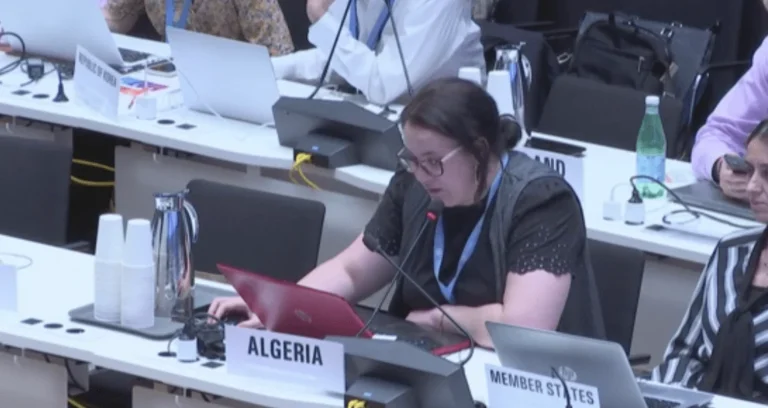
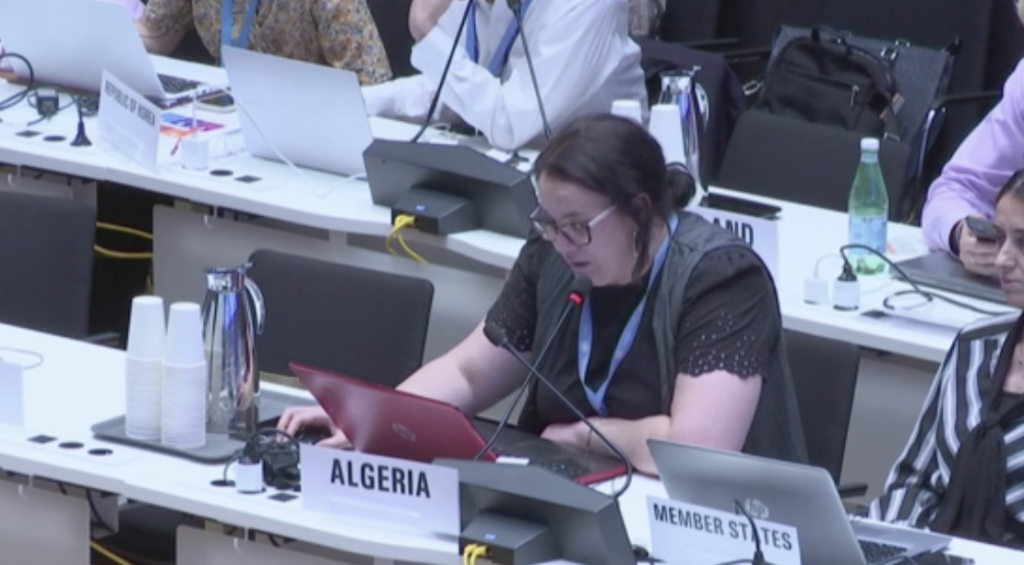
Algeria, acting as the spokesperson for the WHO Africa region along with Egypt, Somalia, and Sudan (collectively known as the Africa Plus Group), presented a robust defense of the "federated" model. This proposal envisions a decentralized architecture built around sovereign national and regional nodes. Unlike a centralized database controlled by a single entity, the federated system would be interconnected through a WHO-hosted metadata index and catalogue.
A cornerstone of the African proposal is the implementation of unique, persistent identifiers for every pathogen sample and sequence shared. This would ensure "end-to-end traceability," allowing the international community to track exactly which manufacturers or research institutions accessed specific pathogen information and what products were developed as a result.

"It conditions access on binding benefit-sharing commitments at the point of use," the Algerian representative stated during the closing session. This means that any entity—whether a private pharmaceutical company or a public research lab—wishing to access pathogen material would be legally required to sign a contract or agreement committing to share a portion of the resulting medical products or royalties with the WHO for distribution to developing nations. Furthermore, the African proposal insists on "parity" between physical biological materials and Digital Sequence Information (DSI). This is a crucial distinction, as modern biotechnology often allows researchers to develop vaccines using digital data without ever needing a physical sample of a virus.
The Africa Plus Group also raised concerns regarding "derivatives." They argued that benefit-sharing obligations must extend to scientific products developed downstream from the original pathogen information. This is intended to close potential loopholes where companies might slightly modify a sequence to claim it as a new invention, thereby circumventing equity requirements.
The Hybrid Model: The European Union’s Alternative
In contrast, the European Union formally tabled its "hybrid" model, a proposal that has been under discussion in diplomatic circles for several months. The EU’s approach seeks a middle ground between rigid mandatory requirements and the current voluntary systems that many experts believe failed during the COVID-19 pandemic.
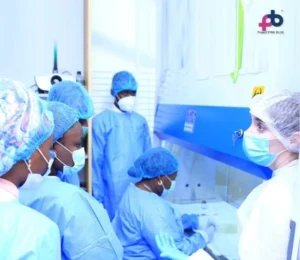
The hybrid model proposes a dual-track system. One track involves a global, WHO-coordinated PABS system working through the WHO-Coordinated Laboratory Network (WCLN), which would include specific, pre-negotiated benefit-sharing commitments. The second track would allow for national processes where countries could share pathogen materials with external laboratories or groups based on "mutually agreed terms."
Critics of the EU model, including the Africa Plus Group, argue that this approach "dilutes access conditionalities." They fear that by leaving open parallel, voluntary channels, the hybrid model will perpetuate the status quo, where wealthy nations and powerful corporations can access vital data without being held to firm equity obligations. The EU and its allies, however, argue that a purely mandatory, federated system could slow down scientific research during the early, frantic days of an outbreak, potentially delaying the development of life-saving interventions.
Historical Context: The Lessons of COVID-19 and the PIP Framework
The urgency of these negotiations is rooted in the inequities observed during the COVID-19 pandemic. While pathogens were shared globally with unprecedented speed, the resulting vaccines were overwhelmingly hoarded by high-income countries. This phenomenon, often termed "vaccine apartheid," saw African nations waiting months or even years for doses that were readily available in Europe and North America.
The current PABS negotiations are an attempt to build upon and expand the 2011 Pandemic Influenza Preparedness (PIP) Framework. The PIP Framework successfully established a system for sharing influenza viruses with human pandemic potential, including a benefit-sharing component where manufacturers provide the WHO with 10% of their future vaccine production. However, the PIP Framework is limited strictly to influenza. The new Pandemic Agreement seeks to create a "PIP-plus" system that covers all pathogens with pandemic potential, including "Pathogen X"—the unknown future threat.
The transition from a voluntary "goodwill" system to a legally binding "transactional" system is the core of the current dispute. Developing nations are no longer willing to provide the "raw materials" (pathogen data) for the global pharmaceutical industry without a guaranteed return on investment in the form of public health security.
Chronology of the Pandemic Accord Negotiations
The journey toward a global pandemic treaty has been long and fraught with diplomatic hurdles:
- December 2021: A Special Session of the World Health Assembly (WHA) establishes the Intergovernmental Negotiating Body (INB) to draft and negotiate a WHO convention or agreement on pandemic preparedness.
- 2022-2023: Multiple rounds of negotiations take place in Geneva. While consensus is reached on technical aspects like surveillance and laboratory strengthening, the "equity" provisions (Article 12) remain stalled.
- May 2024: The original deadline to finalize the treaty at the 77th World Health Assembly is missed. Member states agree to extend the mandate of the INB for another year, aiming for a final text by May 2025 at the latest.
- July 2024: The seventh round of negotiations (the current session) focuses heavily on the PABS annex, revealing the deep divide between the federated and hybrid models.
- September 14–19, 2024: The next scheduled round of talks, where negotiators will attempt to bridge the gap before the end-of-year milestone.
Leadership Transitions and the Human Cost of Diplomacy
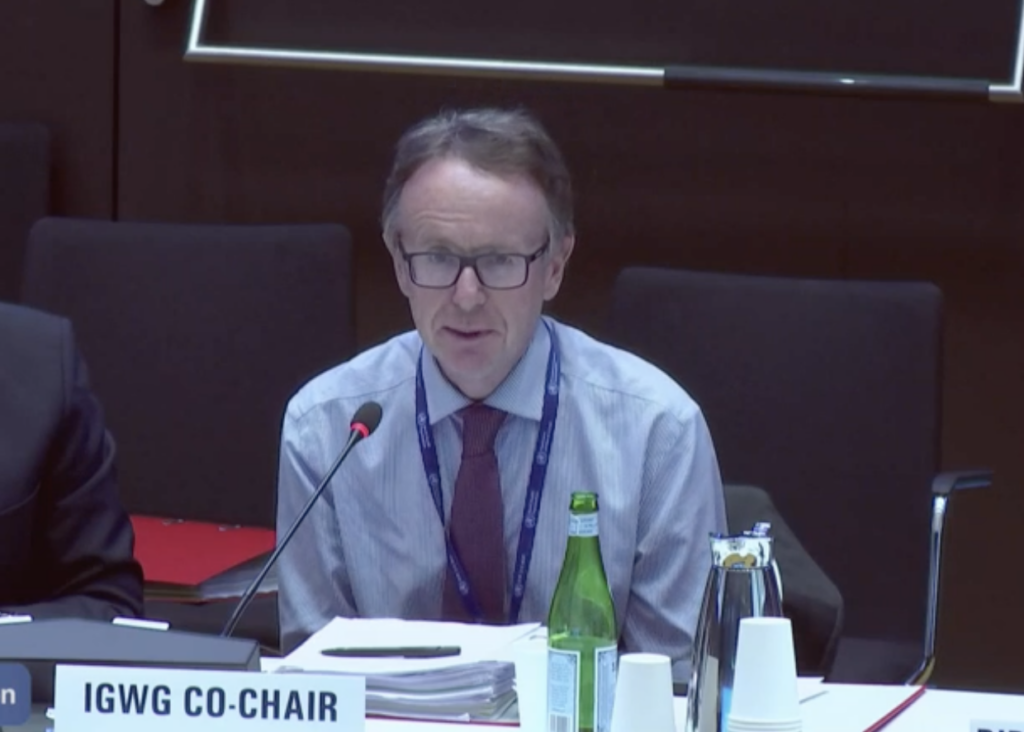
As the negotiations enter a critical phase, the leadership of the process is undergoing significant changes. Several key figures who have guided the talks since their inception are stepping down. Co-chair Matthew Harpur of the United Kingdom, and vice-chairs Madeleine Heywood of Australia and Dr. Hanan Al Kuwari of Qatar, concluded their final meeting this week.
The departure of Madeleine Heywood was particularly poignant. She reflected on the five-year journey, noting that her child was an infant when the process began and is now of school age. "There aren’t many left now here who were in this room, masked and distanced, when we started this process," Heywood remarked. She urged the remaining delegates to maintain a spirit of collaboration: "What more can I be doing towards a common understanding in this room to find common ground? Who can I reach out to?"
WHO Director-General Dr. Tedros Adhanom Ghebreyesus echoed this sentiment, acknowledging the difficulty of the task but expressing optimism. He noted that while "access" and "benefit-sharing" appeared to be opposing arguments at the start of the week, by the end, they were once again viewed as "two halves of one promise."
Analysis of Implications: What is at Stake?
The failure to reach an agreement on the PABS system would have profound implications for global security. Without a formalized system, the world risks returning to a fragmented landscape of bilateral agreements and ad-hoc sharing. This could lead to:
- Delayed Outbreak Response: If countries fear that sharing pathogen data will not result in equitable access to vaccines, they may be hesitant to report new outbreaks promptly, leading to faster global spread.
- Intellectual Property Conflicts: The African insistence on addressing "downstream innovation" and derivatives highlights a brewing conflict with international intellectual property (IP) laws. If the PABS system is not carefully aligned with IP frameworks, it could lead to protracted legal battles over vaccine patents.
- Economic Disparity: Pandemics are estimated to cost the global economy trillions of dollars. A system that ensures equity is not just a moral imperative but an economic one, as stabilizing health in the Global South prevents global supply chain disruptions.
The Africa Plus Group’s demand for "adequate financial, technical, and capacity-building support" underscores that a treaty on paper is useless without the infrastructure to implement it. This includes strengthening national laboratories and the WHO-Coordinated Laboratory Network (WCLN) to ensure that developing nations can contribute to and benefit from the system effectively.
As the international community looks toward the September session, the pressure is mounting. The goal remains to finalize the PABS annex by the end of 2024, a timeline Dr. Tedros described as "possible." However, with the "federated" and "hybrid" models still miles apart, the path to a consensus will require unprecedented diplomatic flexibility and a shared commitment to the principle that in a pandemic, no one is safe until everyone is safe.