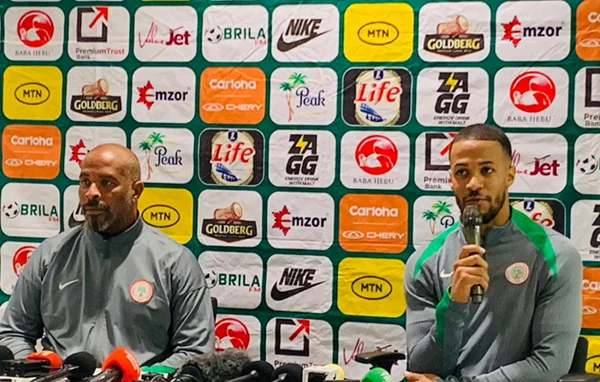
The call for a paradigm shift in the leadership of Nigerian football has been amplified by a prominent voice from within the sport’s recent history. William Troost-Ekong, the former captain of the Super Eagles, has articulated a compelling vision for the future of the Nigeria Football Federation (NFF), emphasizing the crucial need to integrate experienced former players and individuals with formal education into decision-making roles. This assertion comes at a pivotal moment as the federation navigates evolving challenges and seeks to optimize its operational effectiveness and strategic direction.
Troost-Ekong, who recently concluded a distinguished 10-year international career with 83 caps for Nigeria, is not merely offering a retrospective critique but is actively preparing himself for a future in football governance. He has revealed his commitment to personal development, undergoing relevant courses facilitated by the English Football Association, specifically designed for players transitioning from active playing careers. This proactive approach underscores his stated ambition to potentially vie for an office within the NFF, a move he alluded to without providing specific details, indicating a strategic, long-term vision for his post-playing career.
The former Watford center-half’s proposition is rooted in the conviction that the dual pillars of practical, on-field experience and contemporary knowledge acquisition are indispensable for effective football administration. He argues that the unique insights gained by professional athletes, coupled with formal education, offer a potent combination that can drive meaningful progress within the NFF. "I think for me now is the education part, because we have so many ex players that have a great understanding of the game," Troost-Ekong stated, highlighting a perceived deficit in the current landscape. "I don’t think we have seen enough ex players getting involved from the top," he added, pointing towards a systemic issue that requires addressing.
Troost-Ekong’s vision extends beyond mere participation; he advocates for a collaborative approach aimed at enhancing the federation’s capabilities. "So for me in Nigerian football, it’s about finding ways that we can collaborate and enhance the federation right because we’ve been there, we’ve seen it and the generations ahead of me have done it," he elaborated. This perspective suggests a desire to leverage the collective wisdom and lived experiences of past generations of Nigerian footballers to inform present-day strategies and policies.
The Evolving Role of Former Players in Football Governance
The discourse surrounding the involvement of former athletes in the administration of sports federations is a global phenomenon. In many footballing nations, there is a growing recognition that individuals who have dedicated their lives to the game possess an unparalleled understanding of its nuances, from grassroots development to elite competition. This understanding is often complemented by an innate passion and a vested interest in the sport’s long-term health.
Historically, the transition from playing to administration has not always been seamless. Challenges have often arisen due to a perceived lack of formal training in areas such as finance, management, law, and strategic planning. However, with the increasing availability of specialized courses and executive programs offered by international sports bodies and educational institutions, former athletes are now better equipped to bridge this gap. Troost-Ekong’s pursuit of such qualifications exemplifies this trend, signaling a commitment to bring a more comprehensive skill set to the administrative arena.
Troost-Ekong’s Stance on Future Roles
While Troost-Ekong’s aspirations lean towards governance, he has been quick to distance himself from immediate prospects of taking up a coaching role. He clarified his position by stating, "I have had so many people ask me about coaching the team, I’m not sure that is something that I really want to do." This distinction is significant, as it highlights a deliberate choice to focus on a different sphere of influence within the football ecosystem.
His rationale for prioritizing administrative roles over coaching is based on a strategic assessment of where he believes he can effect the most profound and lasting change. "I think that there also need to be players that think about going one level above that whether it is going to be in the boardroom, whether it is going to be working with Federations – with FIFA, with CAF, whether the NFF. And I think that’s probably where you can make the biggest change," he explained. This perspective suggests a belief that systemic improvements, driven by strategic decision-making at the federation level, can have a more far-reaching impact than individual coaching appointments.
Troost-Ekong also acknowledged the inherent complexities of football administration, particularly within the African context. He alluded to the "difficult landscape because in African football there’s also a lot of politics involved," a candid observation that resonates with the realities faced by many sports federations on the continent. Navigating these political currents requires not only technical expertise but also a sophisticated understanding of stakeholder dynamics and consensus-building.
The Nigerian Football Federation: A Landscape of Challenges and Opportunities
The Nigeria Football Federation (NFF) has been a focal point of discussion regarding its administrative structure and effectiveness for years. The federation is responsible for the organization and promotion of football in Nigeria, overseeing the national teams, including the highly followed Super Eagles, as well as domestic leagues and grassroots development programs.
The NFF operates within a complex environment characterized by intense public scrutiny, significant financial considerations, and the ever-present pressure to achieve international success. Key challenges have historically included issues related to funding, infrastructure development, talent identification and nurturing, and ensuring transparency and good governance. The federation’s ability to meet these challenges is directly influenced by the quality of its leadership and the strategic direction it adopts.
Background and Context: A Decade of Service
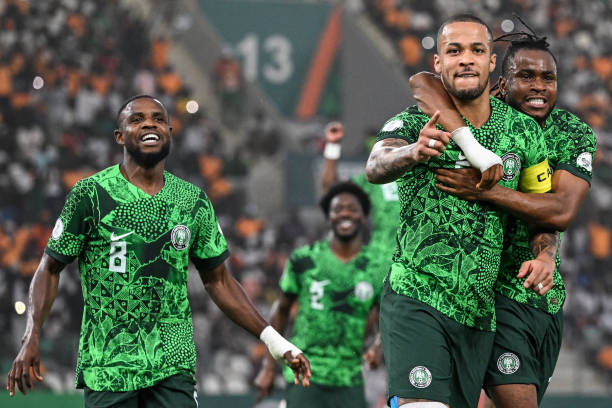
William Troost-Ekong’s reflections are informed by a decade of dedicated service to the Super Eagles. His tenure saw him participate in major tournaments, including multiple Africa Cup of Nations competitions and the FIFA World Cup. This direct involvement at the highest level of international football has provided him with firsthand experience of the operational demands, player welfare considerations, and the strategic imperatives that shape national team performance.
His decision to step away from international football at the age of 32, while still at a considerable level of play, signals a deliberate transition rather than an abrupt departure. This allows him to channel his energy and accumulated knowledge into a new phase of his career, one focused on contributing to the broader framework of Nigerian football. The timing of his pronouncements also aligns with periods of introspection and potential reform within sporting federations globally, as the post-pandemic era continues to reshape operational models and governance structures.
Supporting Data and International Precedents
The argument for increased involvement of former players in football administration is supported by international trends. For instance, the Union of European Football Associations (UEFA) has various initiatives aimed at supporting former players in transitioning to coaching and administrative roles. Similarly, the Confederation of African Football (CAF) and FIFA have programs designed to foster leadership development within the sport, often encouraging the participation of those with deep footballing backgrounds.
In countries like England, former players have successfully transitioned into roles within the Football Association (FA) and various clubs, bringing valuable experience to areas such as technical development, player pathways, and governance. The success of these models often hinges on the structured integration of individuals who possess both a passion for the game and the requisite professional skills.
The NFF, like many other federations, faces the ongoing task of balancing the demands of immediate performance with the long-term strategic planning necessary for sustainable growth. The inclusion of individuals like Troost-Ekong, who are actively pursuing further education in sports management and governance, could offer a valuable bridge between the practical realities of playing and the strategic imperatives of administration.
Implications for Nigerian Football
Troost-Ekong’s call for more ex-players and educated minds in NFF administration carries significant implications for the future of Nigerian football. If he and others with similar ambitions are successful in their pursuits, it could lead to:
- Enhanced Strategic Planning: A more informed approach to long-term planning, considering the holistic development of the sport from grassroots to professional levels.
- Improved Governance and Transparency: A greater emphasis on ethical practices, financial accountability, and transparent decision-making processes, driven by individuals with a vested interest in the integrity of the game.
- Stronger Player Welfare Programs: A deeper understanding of the needs and challenges faced by players, leading to more effective support systems and pathways for career transitions.
- More Effective Talent Development: Insights into player identification, training methodologies, and youth development strategies, informed by direct experience with elite performance standards.
- Increased Stakeholder Engagement: A greater ability to connect with and represent the interests of players, coaches, clubs, and fans, fostering a more inclusive and collaborative footballing environment.
The "politics" within African football, which Troost-Ekong alluded to, often involve complex power dynamics and competing interests. Introducing individuals with a strong ethical compass and a commitment to the betterment of the sport, coupled with formal training, could help to navigate these challenges more effectively and steer the NFF towards a more stable and progressive future.
A Forward-Looking Perspective
William Troost-Ekong’s initiative represents a forward-looking perspective on the evolution of football governance. By actively pursuing education and expressing a clear vision for administrative involvement, he is setting an example for other former players. His emphasis on the synergy between playing experience and formal education offers a compelling blueprint for how Nigeria can strengthen its football federation. The success of such an endeavor will depend on the willingness of the NFF to embrace new leadership models and on the continued dedication of individuals like Troost-Ekong to contribute their expertise and passion to the ongoing development of Nigerian football. The journey from the pitch to the boardroom is a challenging but potentially transformative one, and Troost-Ekong appears poised to embark on it with a clear purpose.