The seventh round of intensive negotiations for the World Health Organization (WHO) Pandemic Agreement concluded on Friday in Geneva, leaving the international community at a crossroads regarding the most contentious element of the treaty: the Pathogen Access and Benefit-Sharing (PABS) system. As delegates from 194 member states departed the UN headquarters, two diametrically opposed visions for the future of global health security remained on the table. The stalemate pits a "federated" model, championed by the Africa Plus Group, against a "hybrid" model proposed by the European Union and its developed-country allies. This diplomatic friction underscores the deep-seated mistrust lingering from the COVID-19 pandemic, where the rapid sharing of viral genetic data by developing nations was not met with equitable access to the life-saving vaccines and therapeutics that resulted from that data.
The PABS system, often referred to as the "heart" of the Pandemic Agreement, is designed to create a legal framework for the rapid sharing of biological materials and genetic sequences of pathogens with pandemic potential. In exchange for this access, the system aims to guarantee that the benefits—ranging from real-time data to finished medical products like vaccines, diagnostics, and antivirals—are shared fairly and equitably with the countries that provided the original samples. While there is a consensus that a system is necessary to prevent the chaotic and inequitable response seen during the 2020-2023 crisis, the technicalities of how to enforce "benefit-sharing" have become the primary obstacle to a final treaty.
The Federated Model: Sovereignty and Parity
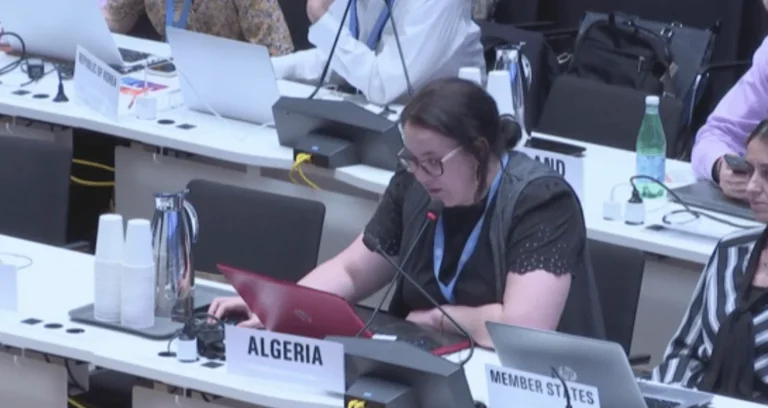
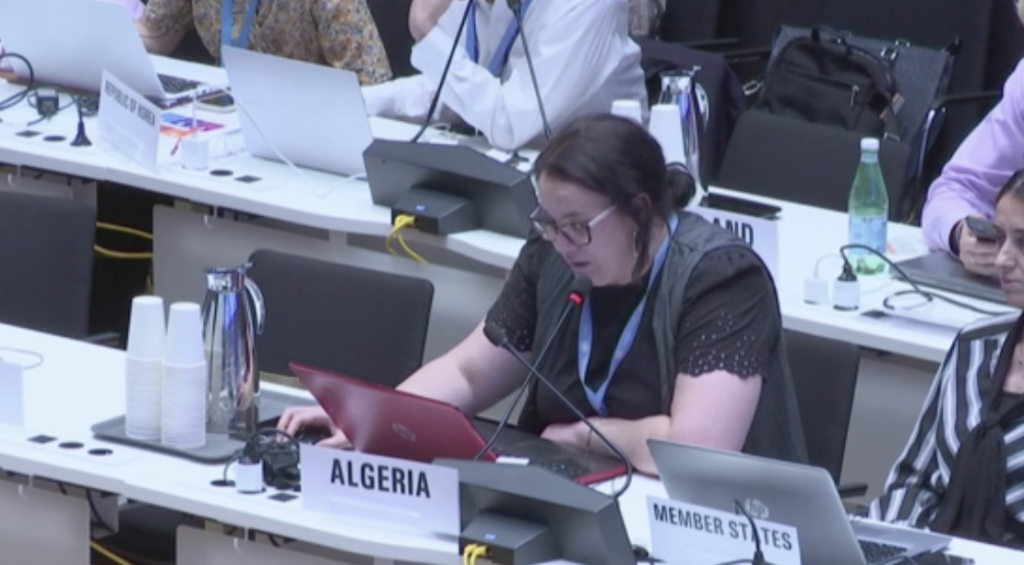
Algeria, representing the Africa Plus Group—which includes the 47 member states of the WHO African Region as well as Egypt, Somalia, and Sudan—articulated a vision for a "federated" PABS system. This model is rooted in the principle of national sovereignty over biological resources, a concept established under the Nagoya Protocol but often ignored during global health emergencies. The federated approach proposes an architecture built around national and regional "nodes" rather than a single, centralized global database. These nodes would be interconnected through a WHO-hosted metadata index and catalogue.

A central pillar of the African proposal is the use of unique, persistent identifiers to ensure "end-to-end traceability." This would allow the providing country to track exactly who is using their pathogen data and what products are being developed from it. Furthermore, the federated model insists on "parity" between physical biological materials and Digital Sequence Information (DSI). In the modern era of synthetic biology, researchers often do not need a physical vial of a virus; they only need the digital code to begin developing a vaccine. The Africa Plus Group argues that if access to digital code is not legally linked to benefit-sharing, the entire system becomes a "loophole" for pharmaceutical companies to bypass their obligations.
Under the African proposal, access to pathogen information would be conditional. Any entity—whether a university or a private manufacturer—wishing to access the PABS system would be required to sign a binding contract at the point of entry. This contract would commit the user to sharing a percentage of their eventual production (for example, 10% for free and 10% at non-profit prices) with the WHO for distribution to developing nations during an emergency.
The Hybrid Model: Flexibility versus Accountability
In contrast, the European Union, supported by other high-income nations with large pharmaceutical sectors, formally introduced its "hybrid model." This proposal has been the subject of informal discussions for months but was only recently solidified into a formal negotiating text. The hybrid model envisions a more flexible, two-tiered system. It suggests a global, WHO-coordinated PABS system that works through the WHO-Coordinated Laboratory Network (WCLN), which would include some mandatory benefit-sharing commitments. However, it also allows for parallel national processes where countries can share materials with laboratories and private entities outside the formal PABS framework based on "mutually agreed terms."
Critics of the hybrid model, including many civil society organizations and the Africa Plus Group, argue that it "dilutes access conditionalities." They contend that by allowing parallel channels for sharing, the hybrid model enables a "business as usual" approach where wealthy nations and corporations can bypass the WHO system to strike bilateral deals, effectively marginalizing the poorest countries during a crisis. The EU, however, maintains that a rigid, mandatory system could slow down scientific research and development. They argue that voluntary measures and a mix of incentives are more effective at encouraging the private sector to participate in global surveillance efforts.
Chronology of the Negotiations
The journey toward a Pandemic Agreement began in December 2021, during a rare Special Session of the World Health Assembly. Spurred by the inequities of the COVID-19 response, member states agreed to establish an Intergovernmental Negotiating Body (INB) to draft a legally binding instrument.
- 2022-2023: The INB held multiple rounds of meetings to establish the "Zero Draft" and subsequent iterations. While progress was made on pandemic prevention and preparedness, the "Equity" pillar (Article 12, PABS) remained the most contentious.
- May 2024: The original deadline for the treaty was the 77th World Health Assembly. However, despite marathon sessions, delegates failed to reach a consensus. The assembly agreed to extend the mandate of the INB for another year, with a goal of finishing by May 2025 at the latest.
- July 2024: The seventh round of talks focused specifically on the PABS annex. While the two models (Federated vs. Hybrid) were clarified, the "real gaps" identified by WHO Director-General Dr. Tedros Adhanom Ghebreyesus remain.
The Technical Divide: Derivatives and Intellectual Property
Beyond the structural architecture of the system, the negotiations are bogged down in the "treatment of derivatives." This refers to scientific products, such as specialized proteins or synthetic antibodies, that are developed using pathogen sequence information but are not the pathogen itself. The Africa Plus Group has called for stringent rules to ensure that benefit-sharing obligations cannot be circumvented through "downstream innovation."
Intellectual property (IP) rights also remain a flashpoint. Developing nations want the PABS system to include provisions that limit the ability of companies to claim broad patents on products derived from shared pathogen data, especially if those patents prevent the local manufacture of vaccines in the Global South. Developed nations, conversely, view IP protections as non-negotiable, arguing they are the primary engine for medical innovation.
Leadership Transitions and the Human Cost of Delay
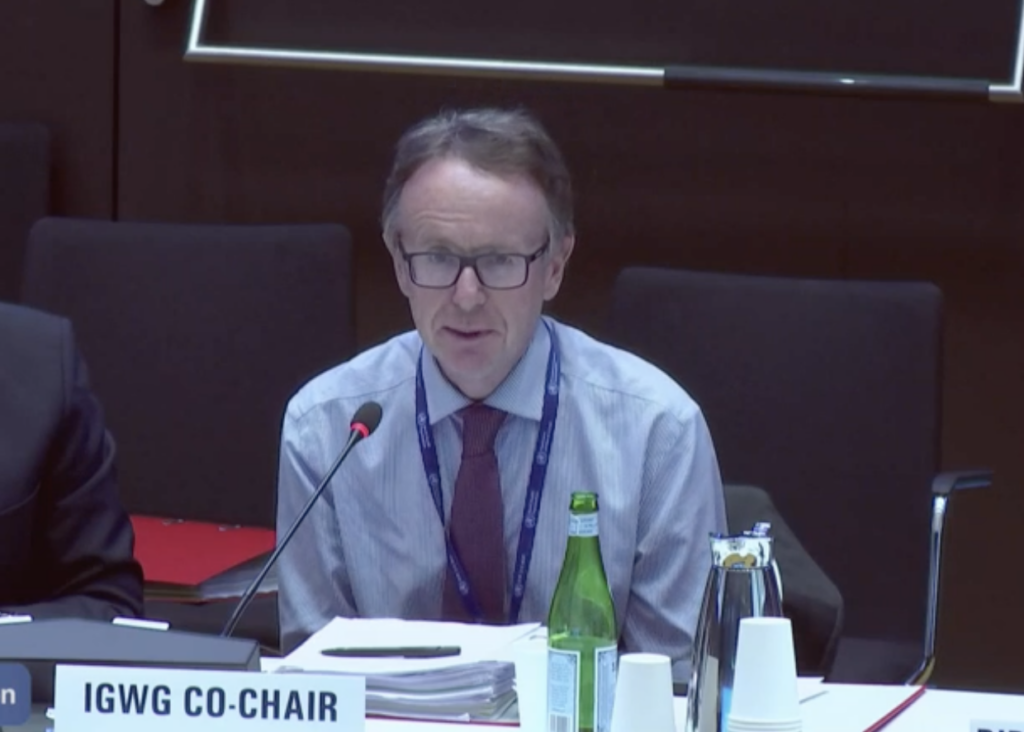
As the negotiations prepare to resume from September 14–19, the process faces a significant hurdle: a change in leadership. Several key figures who have guided the talks since their inception are stepping down. These include co-chair Matthew Harpur of the United Kingdom and vice-chairs Madeleine Heywood of Australia and Dr. Hanan Al Kuwari of Qatar.
The departure of Madeleine Heywood was particularly poignant. In her closing remarks, she reflected on the personal toll of the five-year process, noting that her child was an infant when the talks began and is now over five years old. Her plea to the remaining delegates was one of "common ground," urging them to initiate conversations that bridge the gap between regional realities and global mandates. This leadership vacuum comes at a delicate time when "institutional memory" is vital for navigating the complex legal language of the treaty.
Analysis of Implications: A High-Stakes Gamble
The failure to finalize the PABS system carries profound risks for global health. Without a unified, legally binding system, the world remains reliant on the "status quo"—a fragmented landscape of voluntary sharing and bilateral agreements. In the event of a new pandemic (such as a highly pathogenic avian influenza), this fragmentation could lead to a repeat of the COVID-19 scenario: a "vaccine apartheid" where the countries that provide the data are the last to receive the cure.
Director-General Tedros expressed cautious optimism at the close of the session, suggesting that the "two sides of an argument" are beginning to be seen as "two halves of one promise." He reported that many members believe finalizing the annex by the end of 2024 is possible. However, the technical and political hurdles are immense. For the African continent, the PABS system is not just a health protocol; it is a matter of economic justice and national security. For the EU and the US, it is a matter of maintaining a competitive edge in biotechnology while ensuring global stability.
The upcoming September session will be a litmus test for the WHO. If delegates cannot find a way to merge the federated and hybrid models into a single, functional system, the Pandemic Agreement risks becoming a "paper tiger"—a treaty that talks of equity but lacks the legal teeth to enforce it. The "shift" in tone mentioned by Tedros is a start, but as the Director-General himself noted, the text has not yet caught up to the rhetoric. The world is watching, and the clock is ticking toward the next inevitable global health emergency.