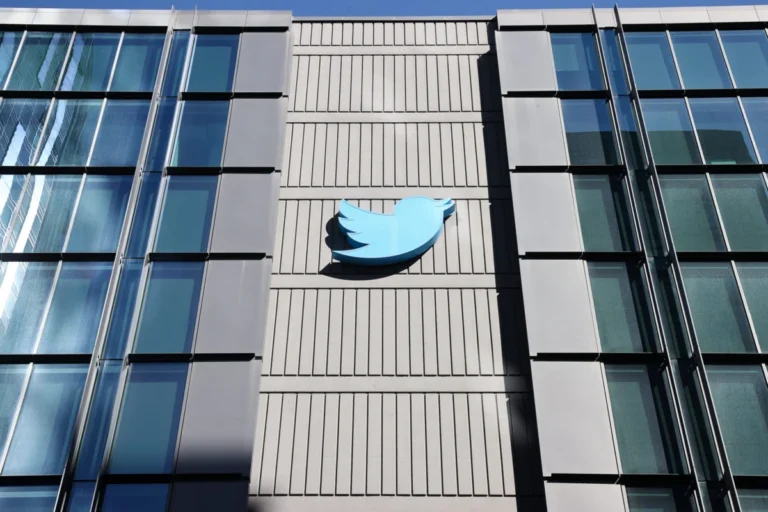
On April 12, 2021, the global technology landscape shifted its focus toward West Africa following a single tweet from Jack Dorsey, the co-founder and then-CEO of Twitter. Dorsey announced that the social media giant would establish its first African presence in Ghana, a move that was hailed as a watershed moment for the continent’s burgeoning tech ecosystem. "Twitter is now present on the continent," Dorsey wrote, expressing gratitude to the nation and its president, Nana Akufo-Addo. This announcement was more than a business expansion; it was a symbolic endorsement of Africa’s digital potential and a strategic commitment to "immerse" the company in the vibrant communities driving global conversations. However, less than two years later, that promise of a "beautiful partnership" would dissolve into a chaotic series of mass layoffs, legal disputes, and allegations of professional disrespect under the new ownership of billionaire Elon Musk.
The Strategic Selection of Ghana: A Beacon for Democracy and Tech
The decision to choose Ghana as Twitter’s African headquarters was not arbitrary. In a blog post accompanying the 2021 announcement, Twitter cited Ghana’s status as a "champion for democracy" and a staunch supporter of free speech and online freedom. These values aligned with Twitter’s then-stated mission of advocating for an Open Internet. For the Ghanaian government, the move was a significant diplomatic and economic victory. President Akufo-Addo responded to the news with enthusiasm, noting that the partnership was critical for the development of Ghana’s tech sector and reinforced the country’s status as a premier destination for international business.
The establishment of the Accra office was intended to be the cornerstone of Twitter’s growth strategy in Africa. At the time, big tech firms like Google and Meta (then Facebook) had already begun establishing a presence on the continent, but Twitter’s approach felt uniquely integrated. The company aimed to hire local talent for roles in product, design, engineering, marketing, and communications. This was seen as an opportunity for African voices to not only participate in the platform’s use but to actively shape its moderation policies and feature sets with local context and nuance.
Talent Acquisition and the Rise of a Digital Identity
Following the announcement, Twitter began an aggressive hiring campaign. Recruiters sought out the best minds in African tech, emphasizing that while the team would initially work remotely due to the tail end of global pandemic restrictions, a physical "nest" would eventually be established in Accra. For the newly hired "Tweeps," as Twitter employees were known, the roles represented a pinnacle of career achievement. The hiring process was viewed as a validation of African talent, which had historically been overlooked by Silicon Valley.
By late 2021 and early 2022, the African team was actively contributing to global operations. The presence of a local team provided a sense of security for African users, who felt that issues such as safety, partnership, and content moderation were finally being handled by individuals who understood the cultural and political complexities of the region. This period also saw a healthy rivalry between African nations, particularly between Ghana and Nigeria, as the tech community debated which country would become the ultimate hub for digital innovation. For a time, it appeared that Twitter had successfully bridged the gap between a San Francisco-based corporation and the diverse realities of the African continent.
Leadership Transitions: From Dorsey to Agrawal
The stability of this vision was first tested on November 29, 2021, when Jack Dorsey unexpectedly resigned as CEO. Dorsey, who had been a vocal proponent of decentralization and African expansion, handed the reins to Parag Agrawal, the company’s Chief Technology Officer. While Dorsey’s departure raised questions about the company’s future direction, Agrawal initially projected an image of continuity. He engaged with the African tech community, notably participating in a Twitter Spaces interview with Ghanaian tech advocate Ivy Barley, where he emphasized a people-first approach.
However, Agrawal’s tenure was marked by increasing pressure from the board to improve revenue and growth. In May 2022, Agrawal made several "tough decisions," including firing top executives Bruce Falck and Kayvon Beykpour and instituting a hiring freeze. Despite these internal tremors, the Africa HQ remained operational and seemingly secure, even as a much larger storm began to gather on the horizon: the arrival of Elon Musk.
The $44 Billion Saga: A Hostile Path to Ownership
The trajectory of Twitter changed irrevocably on April 14, 2022, when Elon Musk, the CEO of Tesla and SpaceX, offered to buy the company for $44 billion. What followed was a months-long legal and corporate drama that saw Musk oscillate between being an eager buyer, a seat-seeking board member, and a reluctant litigant. Musk initially cited concerns over "spam bots" and fake accounts as reasons to terminate the deal, leading Twitter to sue him in a Delaware court to force the completion of the purchase.
During this period of uncertainty, internal morale at Twitter plummeted. Text messages revealed during court proceedings showed a deepening rift between Agrawal and Musk. In one exchange, Agrawal told Musk that his public criticisms were "not helping me make Twitter better." Musk’s dismissive response—"What did you get done this week?"—signaled a fundamental shift in how the company would soon be managed. On the eve of the trial in October 2022, Musk reversed his position and agreed to proceed with the original $44 billion offer. He officially took ownership on October 27, 2022, famously entering the San Francisco headquarters carrying a porcelain sink.
The "Nest" Collapses: The Irony of the Accra Office Opening
The most poignant and controversial chapter of Twitter’s African story occurred in the first week of November 2022. On November 1, Bernard Kafui Sokpe, a Senior Partner Manager at the Africa HQ, celebrated on LinkedIn that the team had finally moved into their physical office in Accra. After a year of remote work, the "Tweeps" were finally together in the "nest." It was a moment of triumph that lasted less than 72 hours.
On November 4, 2022, as part of a global reduction in force that saw 50% of Twitter’s 7,500 employees laid off, the entire African team was effectively terminated. The timing was described by industry analysts as "theatrical and cruel." Employees who had just celebrated the opening of their new office found themselves locked out of their work emails and Slack channels.
Elon Musk defended the global layoffs by stating that the company was losing $4 million a day, leaving him with "no choice." He claimed that everyone who was exited was offered three months of severance—a package he described as 50% more than legally required. However, reports soon emerged that the African team was being treated differently.
Disparities in Severance and the Allegation of Disrespect
According to reports from CNN and local sources, the African staff received termination notices that lacked the clarity and compensation packages afforded to their counterparts in the United States and Europe. The emails, sent from the Dublin office, informed staff that their employment would end on December 4, 2022, and that they would be placed on "garden leave" until that date.
The lack of a standardized severance package for the Ghanaian team sparked international outrage. Former executives, including Alphonzo Terrell, the former Global Head of Social & Editorial, and Lara Cohen, the former Global VP of Partners & Marketing, publicly called on Jack Dorsey to intervene. They pointed out the hypocrisy of a company that had marketed its entry into Africa as a commitment to the continent, only to abandon its staff with automated emails and minimal support.
Critics argued that the handling of the Africa HQ revealed a recurring pattern in how big tech views the continent: as a convenient PR gimmick for "inclusion" and "diversity" metrics, but as an expendable asset during times of financial restructuring. The disrespect was not merely in the layoffs themselves, but in the failure to acknowledge the unique legal and professional frameworks of the Ghanaian market.
Broader Implications for Big Tech in Africa
The collapse of Twitter’s African operations under Elon Musk has had a chilling effect on the continent’s tech sector. It served as a reminder of the volatility of foreign investment and the vulnerability of local talent to the whims of Silicon Valley leadership. Furthermore, the dissolution of the African team has raised serious concerns about the platform’s safety. Without local moderators and partnership managers, the platform’s ability to combat misinformation and hate speech in African languages and contexts has been severely diminished.
In the wake of the layoffs, Musk’s Twitter (now rebranded as X) has faced a litany of challenges, from advertiser boycotts to technical glitches. For Africa, the legacy of the "Twitter Ghana" era is now one of missed opportunities and a cautionary tale. The bold vision Jack Dorsey presented in 2021—of a platform "immersed" in African conversation—has been replaced by a skeleton operation managed from afar, leaving the talented professionals who built the "nest" to navigate the fallout of a billionaire’s "major revamp."
As big tech continues to eye Africa for its next billion users, the Twitter saga remains a stark case study. It highlights that true partnership requires more than just a physical office and a viral tweet; it requires a commitment to the people who drive the conversation, even when the balance sheet is under pressure. For now, the "nest" in Accra stands as a silent monument to a digital revolution that was cut short by the chaos of a global corporate takeover.