In a move that signals a significant evolution in the recognition of global football supremacy, the Fédération Internationale de Football Association (FIFA) has announced a groundbreaking addition to the prestigious honors bestowed upon World Cup champions. For the first time in the tournament’s storied 96-year history, victorious national teams will be presented with championship rings, a tradition long synonymous with celebrating ultimate sporting achievement in North American professional leagues. This landmark decision aims to elevate the status of the FIFA World Cup, drawing parallels with the iconic rewards found in sports such as American football, basketball, baseball, and ice hockey.
The introduction of championship rings marks a deliberate effort by FIFA to further solidify the World Cup’s standing as the pinnacle of international football competition. While the coveted FIFA World Cup Trophy and gold medals have historically served as the ultimate symbols of victory, the inclusion of rings is intended to provide a tangible, wearable testament to the hard-fought triumph and the collective effort of an entire squad and its support staff. These rings will be more than mere trinkets; they are envisioned as lasting emblems of a nation’s sporting glory, designed to be cherished by players and coaches for generations to come.
According to official FIFA communications, a total of 30 exclusive championship rings will be crafted for each winning national team. This allocation is designed to ensure that all key members of the victorious contingent, including players, coaching staff, medical personnel, and other essential team officials, receive a personal memento of their monumental achievement. This comprehensive approach underscores FIFA’s commitment to recognizing the multifaceted nature of a successful World Cup campaign, acknowledging that victory is rarely the product of a single individual but rather a testament to a well-drilled and unified organization.
Beyond the celebratory rings for the champions, FIFA is also set to release a limited edition of 1,996 commemorative rings for dedicated supporters worldwide. This specific number is not arbitrary; it serves as a poignant tribute to the year 1996, a significant milestone in the history of the World Cup. It was in 1996 that FIFA officially introduced the FIFA World Cup champions’ badge, a symbol of distinction worn by teams that have conquered the globe. The commemorative rings, therefore, offer fans an opportunity to own a unique piece of World Cup heritage, connecting them directly to the legacy of the tournament and its champions. This initiative is expected to tap into the vast global fanbase of the World Cup, creating a highly sought-after collector’s item that transcends mere memorabilia.
The decision to adopt championship rings for the World Cup aligns the sport with established traditions in other major professional sporting leagues. In the National Football League (NFL), the Super Bowl champions receive rings that are often extravagant and laden with symbolic meaning. Similarly, the National Basketball Association (NBA), Major League Baseball (MLB), and the National Hockey League (NHL) all present their championship-winning teams with intricately designed rings that have become deeply ingrained in the fabric of their respective sports’ cultures. By embracing this tradition, FIFA is not only enhancing the prestige of its own premier tournament but also potentially fostering a deeper sense of connection and shared experience among its global fanbase.
Historical Context of World Cup Recognition
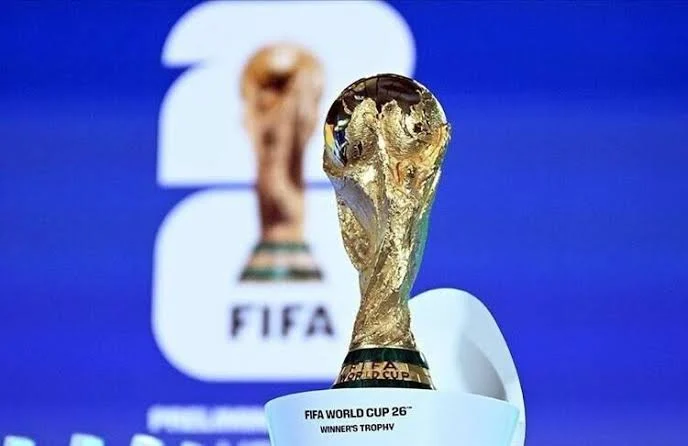
The FIFA World Cup, inaugurated in 1930 in Uruguay, has always been about more than just a trophy. The early iterations of the tournament saw the Jules Rimet Trophy awarded to the winners, a magnificent piece of silverware that became synonymous with footballing excellence. However, the concept of a personal, wearable award for players remained absent. The trophy itself was stolen twice, once in England in 1966 and again in Brazil in 1983, highlighting the vulnerability of such iconic but singular objects. The current FIFA World Cup Trophy, introduced in 1974, is a symbol of global unity and achievement, but it is shared among the winning nation until the next tournament.
The introduction of championship rings marks a significant departure from previous forms of recognition. While winners’ medals have been a staple since the inception of the tournament, they often serve as a symbolic acknowledgment rather than a lasting, individual trophy of immense value or intricate design. The shift towards championship rings suggests a desire by FIFA to create a more personal and enduring legacy for its champions, mirroring the way athletes in other major sports are celebrated. This change also reflects a broader trend in sports marketing and fan engagement, where collectible items and exclusive merchandise play an increasingly vital role in connecting with supporters.
The Significance of the Commemorative Rings
The decision to produce 1,996 commemorative rings for fans carries a symbolic weight that goes beyond commercial appeal. The year 1996 is a nod to the establishment of the FIFA World Cup champions’ badge, a visual marker of ultimate footballing triumph. This badge, a golden emblem that winners are permitted to wear on their kits for the duration of their reign as world champions, has become a symbol of prestige and historical significance. By linking the fan rings to this specific year, FIFA is embedding a piece of World Cup history into each collectible, offering supporters a tangible connection to a pivotal moment in the tournament’s evolution.
This strategy is likely to resonate strongly with a global fanbase that often feels a deep emotional investment in their national teams and the World Cup itself. For many fans, owning a piece of the championship, even a commemorative one, represents a way to share in the glory and celebrate their team’s journey. The limited nature of these rings—1,996 units—is also designed to enhance their desirability and collector value, ensuring they become cherished artifacts of World Cup history.
Timeline and Evolution of World Cup Awards
- 1930: The inaugural FIFA World Cup is held in Uruguay. The winners are awarded the Jules Rimet Trophy.
- 1934-1970: The Jules Rimet Trophy continues to be the primary award for World Cup champions. In 1966, the trophy was famously stolen in England before being recovered by a dog named Pickles. Brazil was awarded the trophy permanently after winning it for the third time in 1970.
- 1974: A new trophy, the FIFA World Cup Trophy, is introduced for the tournament held in West Germany. This trophy remains in circulation and is not permanently awarded to any single nation.
- Post-1974: Winners continue to receive the FIFA World Cup Trophy and gold medals.
- 1996: FIFA introduces the official FIFA World Cup champions’ badge, a symbolic emblem for the reigning champions.
- Present Day (Hypothetical Future): FIFA announces the historic addition of championship rings for World Cup winners, alongside the trophy and medals, and commemorative rings for fans.
This chronological overview highlights a gradual evolution in how FIFA recognizes and celebrates its champions. While the core elements of the trophy and medals have remained consistent, the introduction of the champions’ badge and now the championship rings signifies a growing desire to provide more diverse and personal forms of acknowledgment.
Potential Design and Production Considerations
While details regarding the final design, pricing, production timeline, and global availability of the championship rings remain under wraps, FIFA’s announcement has already sparked considerable anticipation. The rings are expected to be crafted from precious metals and adorned with gemstones, reflecting the grandeur of the World Cup. Designers will likely draw inspiration from national symbols, football motifs, and the iconic imagery associated with the tournament. The inclusion of player numbers or significant dates from the winning campaign could also be incorporated to add a personalized touch.
The production process will undoubtedly be complex, requiring careful planning to ensure the quality and exclusivity of both the championship rings for the winning team and the commemorative rings for fans. The number of rings, particularly the 1,996 fan editions, suggests a scalable production but one that will still cater to a premium market. FIFA’s collaboration with renowned jewelry manufacturers or sports memorabilia companies is a strong possibility to ensure the highest standards are met.
Broader Impact and Implications for Global Football
The introduction of championship rings is more than just an aesthetic upgrade to World Cup rewards; it carries broader implications for the sport and its global ecosystem.
Enhanced Prestige and Appeal
By adopting a tradition deeply ingrained in the culture of major American sports, FIFA is likely aiming to further elevate the global perception and commercial appeal of the World Cup. The visual spectacle of championship rings, often featured prominently in media coverage of Super Bowl or NBA Finals celebrations, could translate into increased media attention and fan engagement surrounding the World Cup’s closing ceremonies. This could, in turn, attract higher sponsorship deals and broadcasting rights fees, further bolstering FIFA’s financial standing and its ability to invest in the development of football worldwide.
Fan Engagement and Commercial Opportunities
The release of 1,996 commemorative rings presents a significant opportunity for fan engagement and revenue generation. These rings are poised to become highly sought-after collector’s items, appealing to a demographic that seeks tangible connections to their sporting heroes and iconic events. The limited production run ensures exclusivity, driving demand and potentially commanding premium prices. This strategy aligns with FIFA’s ongoing efforts to monetize the World Cup brand more effectively, tapping into the passionate and dedicated global fanbase.
Potential for Regional Adaptation
While championship rings are a firmly established tradition in North America, their introduction to the FIFA World Cup could inspire similar innovations in other major international sporting events. It might also encourage national football federations to adopt more personalized and elaborate forms of recognition for their domestic league champions, further professionalizing and enhancing the appeal of club football at all levels.
A New Era of Championship Recognition
The shift to awarding championship rings signifies a new era for the FIFA World Cup, one that blends established traditions with contemporary trends in sports recognition and fan engagement. As the tournament continues to grow in stature and global reach, FIFA’s decision to introduce these iconic symbols of victory ensures that the achievements of its champions will be celebrated in a manner befitting the world’s most popular sporting event. The ultimate impact of this decision will be measured not only in the sparkle of the rings but also in the enduring legacy they create for generations of footballing legends and their devoted followers.
The organization is yet to unveil the specific design details, including the materials, intricate engravings, and any unique features that will distinguish these rings. Information regarding their pricing, the estimated production timeline, and the channels for global availability is also eagerly awaited by football enthusiasts and collectors alike. However, the announcement itself marks a pivotal moment, signaling FIFA’s commitment to continuously evolving the celebratory traditions of its premier competition, ensuring that the ultimate prize in football is recognized with the same gravitas and lasting symbolism seen in other major global sports.