The Coalition of Civil Society Organisations for Good Governance has issued a grave warning, alleging a meticulously planned scheme to foment widespread violence in Osun State. This destabilisation effort, according to the coalition, is intended to serve as a pretext for declaring a state of emergency and orchestrating the unconstitutional removal of Governor Ademola Adeleke from office, all in the run-up to an upcoming crucial election. The serious allegations, made public in Lagos on Tuesday by the coalition’s convener, Comrade Chief Declan Ogujionu Ihekaire, underscore deep-seated anxieties about political interference and the integrity of democratic processes in Nigeria.
Unveiling the Alleged Plot: Intelligence from Credible Sources
Comrade Ihekaire revealed that the coalition had received credible intelligence from a network of sources, including individuals within various security agencies, detailing plans for politically sponsored violence. The alleged objective of this nefarious plot is to engineer a climate of profound instability within Osun State, thereby triggering federal intervention. Such intervention, through the declaration of a state of emergency, would effectively sideline the democratically elected government, undermine constitutional governance, and, as asserted by Ihekaire, confer an unfair electoral advantage upon opposition forces.
The coalition expressed unequivocal condemnation of what it described as an "anti-democratic scheme." Ihekaire vehemently stated, "We unequivocally condemn this anti-democratic scheme. We stand firmly with the people of Osun State and with constitutional democracy." He reiterated that Governor Adeleke was duly elected through a legitimate democratic process and must not be dislodged by any unconstitutional means. This assertion highlights the broader concern for the sanctity of the ballot box and the rule of law in Nigeria’s nascent democracy.
Contextualising Osun’s Political Landscape and Electoral History
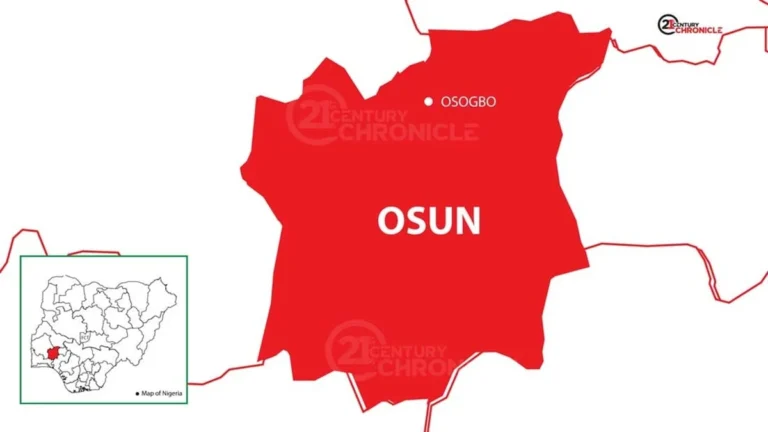
Osun State, located in Nigeria’s Southwest geopolitical zone, has a rich but often turbulent political history. Known for its vibrant political activism and closely contested elections, the state has frequently been a battleground for major political parties, particularly the Peoples Democratic Party (PDP) and the All Progressives Congress (APC). The 2022 governorship election, which saw the incumbent Governor Gboyega Oyetola of the APC lose to Ademola Adeleke of the PDP, was a particularly contentious affair, marked by intense campaigns and legal challenges that ultimately affirmed Adeleke’s victory. This historical backdrop of fierce political competition and occasional unrest provides a critical lens through which to view the current allegations. The memory of past electoral disputes and the potential for politically motivated violence often casts a long shadow over subsequent polls.
Nigeria’s democratic journey since 1999 has been characterised by periodic electoral challenges, including allegations of rigging, voter intimidation, and politically motivated violence. The declaration of a state of emergency, while provided for under Section 305 of the 1999 Constitution (as amended), is a drastic measure typically reserved for situations of grave public emergency, internal insurrection, or external aggression. Its invocation, especially in a political context, is often fraught with controversy and carries significant implications for democratic governance and the fundamental rights of citizens. The CSOs’ alarm stems from the fear that this constitutional provision could be weaponised for political gain, subverting the will of the electorate.
Specific Allegations of Violence and Police Partisanship
Further substantiating their claims, Comrade Ihekaire detailed recent incidents of political thuggery in Osun State. He alleged that political thugs had launched attacks on residents and disrupted legitimate commercial activities, particularly at motor parks across various parts of the state. More disturbingly, he accused certain police officers of complicity, alleging that they failed to curb the violence and, in some instances, actively shielded those responsible.
The Osun State Police Command was specifically singled out for alleged partisanship. Ihekaire claimed that the command had demonstrated a lack of effectiveness and impartiality in responding to complaints of violence and insecurity, fostering an environment where perpetrators might act with impunity. This accusation of institutional bias within law enforcement raises serious questions about the capacity of security agencies to uphold their constitutional mandate of protecting all citizens without political favour.
Urgent Calls for Neutrality and Professionalism
In response to these grave allegations, the Coalition of Civil Society Organisations for Good Governance issued a series of urgent appeals to various stakeholders. The Federal Government, under President Bola Tinubu, was implored to ensure that all security agencies maintain strict neutrality and professionalism throughout the election period. The coalition warned unequivocally against any actions or inactions capable of precipitating a constitutional crisis, emphasising the delicate balance required to safeguard Nigeria’s democratic fabric.
The Nigeria Police Force and other security agencies were specifically called upon to uphold their primary duty: the protection of lives and property, devoid of any political bias. This call is particularly salient given the historical challenges of security agencies being perceived as instruments of the ruling party during elections. For a truly free and fair election to occur, the security apparatus must be seen as impartial arbiters of law and order, not as partisan actors.
The All Progressives Congress (APC), as the main opposition party in Osun State, was also urged to caution its supporters against engaging in any acts of violence. This appeal reflects a recognition that political parties and their leadership bear a significant responsibility in fostering a peaceful electoral environment by controlling the conduct of their members and supporters.
International Community Engaged: A Plea for Monitoring
Recognising the potential for national and international ramifications, the coalition extended its appeal to the international community. Bodies such as the United Nations (UN), the African Union (AU), the Economic Community of West African States (ECOWAS), the European Union (EU), the United States (US), and the United Kingdom (UK) were specifically named. The coalition urged these international actors to closely monitor developments in Osun State and to deploy election observers well in advance of the poll. The presence of international observers often acts as a deterrent to electoral malpractice and violence, providing an external check on the integrity of the process and boosting public confidence.
The coalition’s warning against any declaration of a state of emergency in Osun State was categorical, describing such a move as a direct threat to Nigeria’s broader democratic process. Such an action, if taken under controversial circumstances, could set a dangerous precedent, potentially eroding trust in democratic institutions and signaling a regression from the democratic gains made since 1999.
Commitment to Resistance and Accountability
Beyond appeals, the coalition also vowed to actively mobilise Nigerians through peaceful and lawful means to resist any attempt to undermine the outcome of the election or subvert the will of the people. This commitment to citizen action underscores the belief that vigilance and collective resistance are vital safeguards against anti-democratic manoeuvres.
Comrade Ihekaire further disclosed that the coalition is meticulously documenting alleged incidents of political violence. He issued a stern warning that individuals found to have sponsored or directly participated in attacks on citizens could face severe legal consequences, including the possibility of international accountability. This emphasis on documentation and potential legal action highlights a shift towards holding perpetrators of electoral violence accountable, moving beyond mere condemnation to concrete steps aimed at justice.
Reaffirming the group’s unwavering commitment to democratic governance, Ihekaire maintained that the people of Osun State must be allowed to elect their governor in a peaceful, free, and credible election, entirely free from intimidation or external interference. This fundamental right to self-determination through the ballot box is a cornerstone of any functional democracy.
Supporting Voices: Emphasising Peace and Presidential Intervention
The press conference also featured contributions from other prominent members of the coalition, who echoed the calls for peace and accountability. Comrade Funmi Jolaade Ajayi highlighted the disproportionate impact of election violence on vulnerable groups, particularly women and children. She passionately urged all political actors to prioritise peace and stability in the state, reminding them of the human cost of political unrest. "Women and children are usually the worst affected by election violence," Ajayi stated, "urging political actors to allow peace to prevail in the state."
Comrade Edefe Ogenebowen made a direct appeal to President Bola Tinubu, urging his personal intervention to ensure that security agencies conduct themselves with utmost professionalism and guarantee peaceful, credible elections in Osun State. Ogenebowen referenced a recent visit by the Inspector-General of Police to Osun, noting that "developments in the state suggest there are vested interests at play." This implies that despite high-level engagement, underlying issues persist.
Ogenebowen further cautioned against the long-term consequences of political instability. "They should shun violence because, after the elections, the consequences may become difficult to contain. Nigeria is still battling the Boko Haram insurgency, and we do not need another crisis. We urge the Federal Government, under President Bola Tinubu, to call the security agencies to order and ensure that peace prevails in Osun State." This stark reminder of Nigeria’s ongoing security challenges underscores the national imperative to prevent new fronts of conflict, especially those stemming from political processes. The lingering effects of the Boko Haram insurgency in the North-East serve as a potent reminder of how localised conflicts can escalate into prolonged humanitarian and security crises.
Broader Implications for Nigerian Democracy
The allegations from the Coalition of Civil Society Organisations for Good Governance are not merely about Osun State; they carry significant implications for the health and stability of Nigeria’s democracy as a whole. If proven true, such a plot would represent a grave assault on constitutionalism, electoral integrity, and the fundamental rights of citizens.
The persistent challenges of electoral violence and political impunity continue to undermine public confidence in democratic institutions. Ensuring the neutrality of security agencies, holding perpetrators of violence accountable, and respecting the outcome of free and fair elections are critical pillars upon which Nigeria’s democratic future rests. The international community’s role in monitoring and advocating for these principles remains vital, providing an additional layer of scrutiny and support for civil society efforts.
The Federal Government’s response to these allegations will be closely watched. A robust and transparent investigation, coupled with decisive action against any proven malfeasance, would go a long way in reassuring the populace and upholding the sanctity of the democratic process. Conversely, inaction or perceived complicity could further erode trust and embolden those who seek to subvert the will of the people through undemocratic means. The path forward for Osun State, and indeed for Nigeria, hinges on a collective commitment to peace, justice, and the unwavering defence of constitutional democracy.