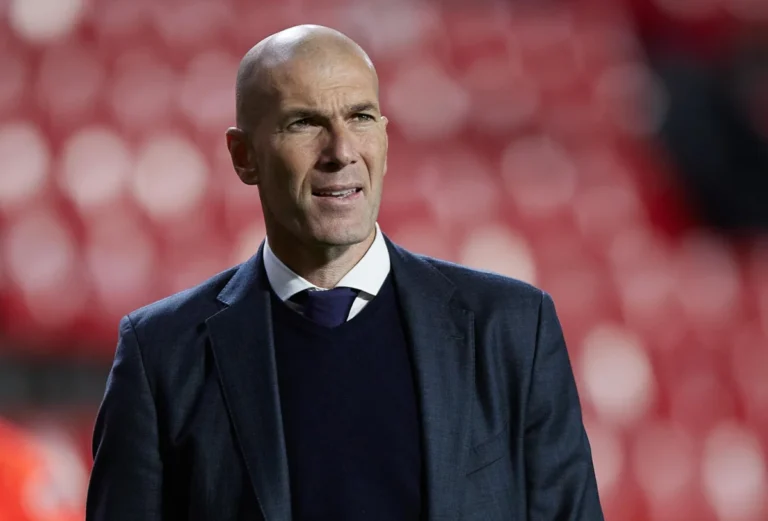
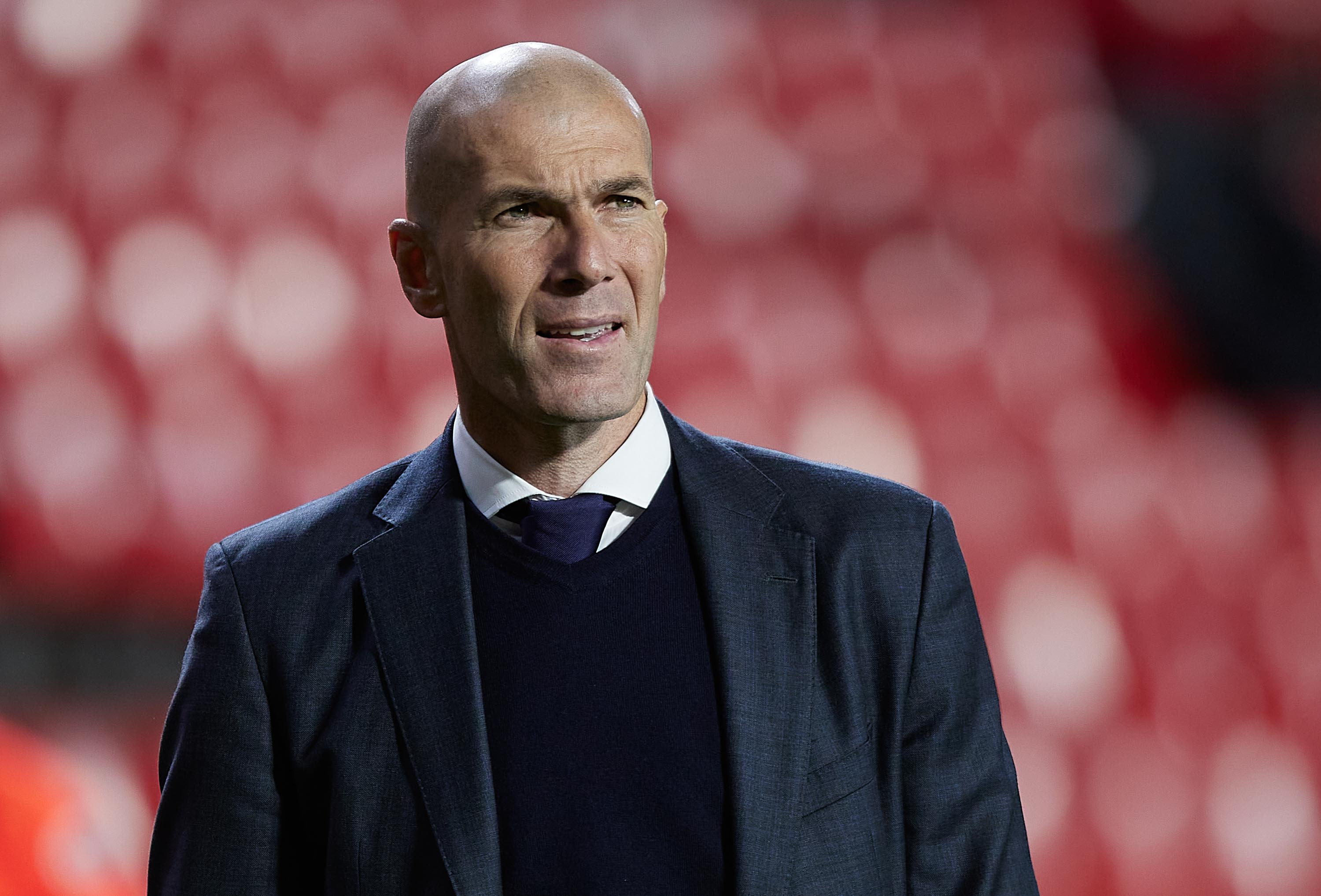
French football icon Zinedine Zidane has reportedly agreed to a long-term contract to manage the French national team, with sources indicating a deal extending until June 2030. This significant appointment, if officially confirmed, marks a monumental return for one of the sport’s most celebrated figures to the helm of his nation’s footballing aspirations. Transfer market specialist Fabrizio Romano broke the news on Tuesday, suggesting that the official announcement of Zidane’s stewardship is imminent, with unveiling expected in the coming days. Romano’s statement, widely disseminated across social media platforms, conveyed a sense of decisive action: "Zinedine Zidane has signed as the new France coach until June 2030. The story has been confirmed as Zizou will be unveiled as the new head coach in the next days – back to work with France."
The proposed tenure places Zidane in charge of "Les Bleus" for a substantial period, encompassing major international tournaments including the 2027 UEFA Nations League, the UEFA European Championship in 2028, and the prestigious 2030 FIFA World Cup. This long-term commitment signals a strategic vision from the French Football Federation (FFF) to build sustained success under a manager whose legendary playing career and proven coaching acumen at the club level have earned him unparalleled respect.
A Storied Career Returns to National Duty
At 54 years old, Zidane has been a prominent figure in the footballing world for decades, first as a mesmerizing midfielder who captivated audiences with his grace, vision, and technical brilliance, and subsequently as a highly successful coach. His last managerial role concluded in 2021 after a second stint with Spanish powerhouse Real Madrid. During his tenure with Los Blancos, Zidane etched his name in the annals of club football history, most notably by securing an unprecedented three consecutive UEFA Champions League titles between 2016 and 2018. This remarkable achievement, coupled with two La Liga titles and a host of other domestic and international accolades, solidified his reputation as a manager capable of instilling winning mentalities and achieving peak performance from his squads.
The prospect of Zidane leading France is a narrative that has long been speculated within football circles. Following the departure of Didier Deschamps, who had guided the national team with considerable success for over a decade, the search for his successor inevitably turned towards a figure of Zidane’s stature and proven ability to manage elite talent. Deschamps’ tenure, marked by the 2018 World Cup triumph and a runners-up finish in the 2022 World Cup, set an exceptionally high bar, and the FFF’s reported decision to entrust Zidane with a contract stretching to 2030 suggests a belief that he possesses the qualities to maintain and potentially elevate France’s standing as a global footballing superpower.
Background and Context: The Transition of Power
The speculation surrounding Zidane’s potential appointment has been a constant undercurrent in French football for years. After the FFF extended Didier Deschamps’ contract following the 2022 World Cup final loss to Argentina, the focus shifted to the long-term future. Deschamps, who had been at the helm since 2012, achieved remarkable consistency, leading France to the quarter-finals of Euro 2012, the final of Euro 2016, the World Cup title in 2018, and the final of the 2022 World Cup. His departure, whenever it came, would leave a significant void.
Zidane, a World Cup winner as a player in 1998 and a European Championship winner in 2000, has always been seen as the natural heir apparent by many fans and pundits. His intimate understanding of the French footballing psyche, coupled with his international playing experience at the highest level, makes him an ideal candidate to connect with the current generation of French stars. The FFF faces the challenge of integrating new talent while maintaining the discipline and competitive edge that have characterized France’s recent successes.
Key Milestones and Potential Challenges
The proposed six-year contract is substantial and indicates a long-term vision. This period will see Zidane tasked with navigating several crucial tournaments:
- 2027 UEFA Nations League: This competition, while secondary to the World Cup and Euros, provides an early opportunity for Zidane to implement his tactical ideas and assess his squad’s readiness.
- Euro 2028: The European Championship is a major test of continental dominance, and France will undoubtedly be among the favorites under Zidane’s leadership.
- 2030 FIFA World Cup: The pinnacle of international football. Leading France to a potential third World Cup title would cement Zidane’s legacy even further.
The challenges for Zidane will be multifaceted. He will need to manage a squad brimming with individual talent, ensuring cohesion and a unified team spirit. The pressure to deliver immediate success will be immense, given the expectations associated with his name and the recent achievements of the national team. Furthermore, he will need to adapt his club-level coaching strategies to the unique demands of international management, which often involve less preparation time with players and a greater emphasis on tactical flexibility during tournament play.
Supporting Data and Historical Performance
France has a rich history of international success, having won two FIFA World Cups (1998, 2018) and two UEFA European Championships (1984, 2000). Their recent performance under Didier Deschamps has been exceptional, reaching the finals of two of the last three World Cups and winning one. This consistent presence at the elite level underscores the depth of talent within French football.
Zidane’s coaching record at Real Madrid is statistically impressive. In 263 matches, he achieved 174 wins, 53 draws, and suffered only 36 losses. His win percentage of 66.15% is a testament to his ability to consistently guide his teams to victory. His tactical acumen was particularly evident in his Champions League triumphs, where he demonstrated a remarkable ability to prepare his teams for high-stakes knockout matches.
Inferred Reactions and Broader Impact
While official statements are pending, the news of Zidane’s likely appointment is expected to be met with widespread enthusiasm from French fans and the football community at large. The name "Zidane" evokes a sense of pride and a belief in the potential for greatness.
- Players: Current and future French internationals will likely view playing under Zidane as a significant career opportunity. His reputation as a player and coach could attract talent and foster a strong sense of loyalty and motivation within the squad.
- French Football Federation (FFF): The FFF, under President Noël Le Graët (or his successor), would be making a statement of intent by securing a manager of Zidane’s caliber on a long-term contract. It signals a commitment to sustained excellence and a desire to capitalize on the nation’s footballing heritage.
- Global Football Landscape: Zidane’s move to international management is a significant event. His presence on the touchline of major tournaments will undoubtedly elevate the profile and interest in those competitions.
Analysis of Implications: Building a New Era
Zidane’s appointment represents more than just a change of coach; it signifies the potential for a new era in French football. His experience in managing egos and high-pressure environments at Real Madrid will be invaluable in the French camp. He is known for his calm demeanor, his ability to inspire confidence, and his meticulous preparation.
The long-term nature of the contract suggests a strategic approach to player development and team building. Zidane will have the opportunity to mold the squad over several years, integrating emerging talents and establishing his preferred playing style. This continuity is crucial for sustained success in international football, where teams often face the challenge of constant turnover.
The tactical implications are also significant. While Zidane’s Real Madrid teams were often characterized by their adaptability and ability to win crucial moments, his approach to international football could evolve. He may opt for a more structured and possession-based style, leveraging the technical abilities of players like Kylian Mbappé, Antoine Griezmann, and others. Alternatively, he might embrace a more pragmatic approach, focusing on defensive solidity and exploiting counter-attacking opportunities, a hallmark of France’s World Cup-winning teams.
As the football world awaits official confirmation, the impending arrival of Zinedine Zidane as the new head coach of the French national team marks a pivotal moment. It is a story that resonates deeply with the nation’s sporting identity and holds the promise of rekindling the magic that characterized Zidane’s own illustrious career, now as the guiding force behind "Les Bleus" for the next eight years. The journey towards Euro 2028 and the 2030 World Cup is set to be an extraordinary one, led by a legend.