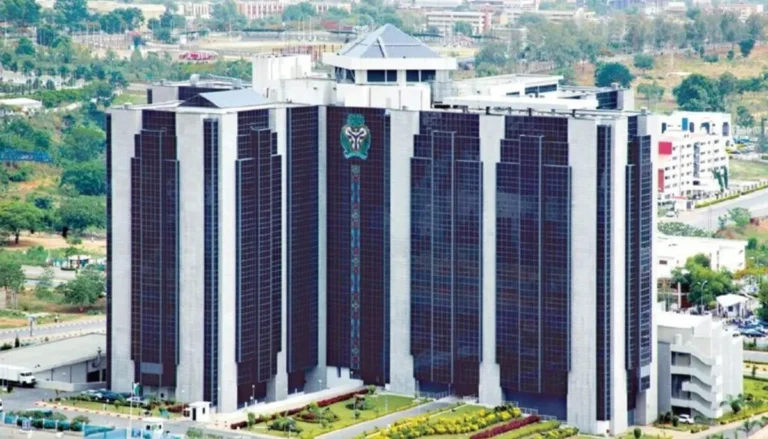
The Central Bank of Nigeria (CBN) is confronting mounting pressure from economists, financial analysts, and business leaders to recalibrate its stringent monetary policy. Critics argue that the sustained high interest rate environment, exemplified by the Monetary Policy Rate (MPR) holding steady at 26.5%, is stifling private sector expansion, hindering access to crucial credit, and impeding job creation, even as inflation shows nascent signs of moderation.
These renewed calls follow the Monetary Policy Committee’s (MPC) decision at its 306th meeting, held on July 20-21, 2026, in Abuja. The committee’s resolve to maintain its tight monetary stance was communicated with the objective of sustaining the downward trend in inflation and safeguarding macroeconomic stability. However, this decision has ignited a debate, with a segment of experts advocating for an easing of borrowing costs to stimulate economic activity, while others champion the continuation of a restrictive policy to reinforce price stability, bolster the exchange rate, and cultivate investor confidence.
The Dilemma of High Interest Rates
The CBN’s decision to maintain the MPR at 26.5% translates into borrowing costs that hover above 30% for businesses, a figure that many in the private sector find unsustainable. Sharon Nwosu, CEO of a manufacturing firm in Abuja, articulated the industry’s perspective, stating, "While the fight against inflation is of paramount importance, the CBN must also acknowledge the significant toll that tight monetary policy exacts on investment, manufacturing, agriculture, and small businesses. The cost of capital is a critical determinant of our ability to produce, innovate, and employ." She further elaborated that a substantial majority of Small and Medium-sized Enterprises (SMEs) are effectively priced out of the loan market at interest rates exceeding 30%. This punitive cost of borrowing forces businesses to allocate a disproportionate amount of their resources towards servicing existing debt, diverting capital that could otherwise be invested in production enhancement, research and development, and crucially, job creation.
Conversely, investment banker Tunde Adeyemi offered a nuanced view, suggesting that the MPC’s commitment to predictability could indeed bolster investor confidence and invigorate capital market activities. "By maintaining a clear policy direction, the CBN can provide a sense of stability that attracts investors who may have been hesitant due to policy uncertainty," Adeyemi noted. However, he also emphasized the prevailing necessity for continued monetary tightening, aligning with the CBN’s mandate to anchor inflation expectations and ensure price stability. This highlights the inherent tension between stimulating immediate economic growth and ensuring long-term macroeconomic health.
Navigating Macroeconomic Indicators
The CBN’s decision to retain all key monetary policy parameters at the July meeting underscores its cautious approach. This includes the asymmetric corridor of standing lending facility (SLF) and standing deposit facility (SDF) rates, as well as the Cash Reserve Ratio (CRR). The rationale behind this steadfastness is rooted in the desire to solidify recent gains in inflation control and currency stability.
Recent data indicates a marginal decline in headline inflation, which eased to 15.91% in June 2026 from 15.93% in May. This slight moderation, while positive, may not yet be sufficient to sway the MPC towards an easing cycle, especially given the historical volatility of inflation in Nigeria. Furthermore, Nigeria’s external reserves have shown a robust upward trend, surpassing $52 billion and reaching their highest point since 2009. This accumulation of foreign exchange reserves provides a significant buffer against external shocks and enhances the country’s capacity to manage its exchange rate, a key objective for the CBN.
Private Sector Credit: A Paradoxical Trend
Despite the prohibitive cost of borrowing, recent data from the CBN reveals a peculiar increase in credit extended to Nigeria’s private sector. In May 2026, this figure rose to N81.04 trillion, up from N80.59 trillion in April. Similarly, credit to the government also saw an increase, climbing to N40.37 trillion from N39.6 trillion during the same period. This expansion in lending, particularly to the private sector, suggests that despite the high interest rate environment, financial institutions are continuing to extend credit.
However, this growth in credit volume does not negate the concerns raised by businesses regarding the cost of borrowing. The data indicates that while lending is occurring, the elevated interest rates remain a significant constraint on investment and expansion plans for many firms. Businesses are reportedly finding it more economical to service existing debts rather than undertaking new capital expenditures or expanding their operational capacity, which directly impacts job creation and overall economic output.
Expert Perspectives and Policy Implications
The divergence in expert opinions reflects the complex trade-offs facing the CBN. Those advocating for easing often point to the immediate need to unlock private sector potential. They argue that a sustained period of high borrowing costs can lead to a deleveraging cycle, where companies prioritize debt repayment over growth initiatives, ultimately slowing down economic momentum. The fear is that if the current policy stance persists, it could lead to a stagnation of investment and a missed opportunity to capitalize on the improving inflation and reserves situation.
On the other hand, proponents of maintaining a tight monetary policy emphasize the long-term benefits of price stability and a stable exchange rate. They contend that any premature easing could reignite inflationary pressures, erode investor confidence, and potentially lead to a reversal of the gains made in stabilizing the economy. This camp believes that the CBN must remain resolute until inflation demonstrates a more sustained and convincing downward trajectory, accompanied by a stable macroeconomic environment that can support sustainable growth.
The implications of the CBN’s policy decisions extend beyond the immediate financial landscape. For businesses, high borrowing costs translate into reduced profitability, limited capacity for expansion, and a constrained ability to create new jobs. This can have a ripple effect on consumer spending, government revenue, and overall economic dynamism. For households, elevated interest rates can make mortgages and other forms of credit more expensive, impacting disposable income and consumption patterns.
Historical Context and Future Outlook
The CBN has historically employed a tight monetary policy stance during periods of elevated inflation and economic uncertainty. The current situation is a continuation of this strategy, with the MPC aiming to strike a delicate balance between inflation control and economic growth. The period between 2020 and 2024 saw significant inflationary pressures, exacerbated by global supply chain disruptions and domestic economic challenges. The MPC’s aggressive rate hikes during this period were instrumental in its efforts to curb these pressures.
As of mid-2026, the economic landscape presents a mixed picture. While inflation has shown signs of easing and foreign reserves are robust, the persistent challenge of high borrowing costs for the private sector remains a critical concern. The CBN’s future monetary policy decisions will likely be guided by a continuous assessment of these competing factors. Analysts will be closely watching for further declines in inflation, the stability of the exchange rate, and the overall health of the global economy.
The timing of any potential monetary easing will be crucial. A premature move could jeopardize the progress made in taming inflation, while a delayed response might unnecessarily dampen economic activity. The CBN’s communication and transparency regarding its assessment of the economic outlook and its policy intentions will be vital in managing market expectations and fostering a conducive environment for both price stability and sustainable economic growth. The ongoing debate signifies the complex challenges of macroeconomic management in a developing economy, where policy decisions carry profound implications for millions of citizens and businesses.