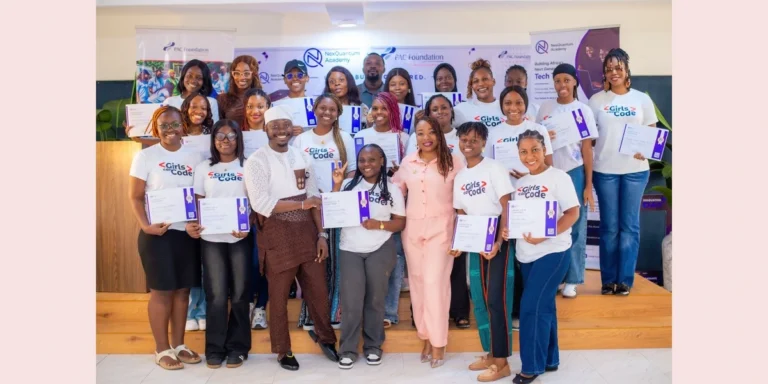
PanAfrican Capital Foundation (PAC Foundation) has successfully concluded the fourth cohort of its flagship Girls Can Code (GCC) initiative, a 13-week intensive technology training program that has equipped 30 young women with in-demand digital skills in Cybersecurity Fundamentals and Data Analysis. This significant achievement, realized through a strategic partnership with NexQuantum Academy, marks another crucial step in PAC Foundation’s ongoing mission to bridge the gender gap in Nigeria’s burgeoning digital economy and foster greater female participation.
Bridging the Digital Divide: The Genesis and Evolution of Girls Can Code
The Girls Can Code initiative was established by the PanAfrican Capital Foundation with a clear and pressing objective: to address the stark underrepresentation of women in technology fields across Nigeria. Recognizing that access to specialized digital skills is paramount for economic empowerment and upward mobility, the Foundation envisioned a program that would not only impart technical knowledge but also build confidence and cultivate a pipeline of future female tech leaders. The program’s inception was rooted in a deep understanding of the societal and economic barriers that often prevent young women from pursuing careers in STEM, and it was designed to be a tangible solution, offering a pathway to lucrative and impactful careers.
Over the years, the GCC program has evolved, consistently adapting its curriculum to align with the rapidly changing demands of the global technology landscape. Cohort 4, focusing on Cybersecurity Fundamentals and Data Analysis, exemplifies this strategic evolution. Cybersecurity is a field experiencing exponential growth, driven by the increasing digitalization of economies and the ever-present threat of cyberattacks. The demand for skilled cybersecurity professionals in Nigeria is projected to rise significantly in the coming years, making this specialization particularly vital for job placement. Similarly, Data Analysis has become an indispensable skill across all industries, enabling organizations to make informed decisions, optimize operations, and drive innovation. By equipping young women with proficiency in these areas, PAC Foundation is directly responding to market needs and preparing its graduates for immediate and impactful contributions to the Nigerian workforce.
The partnership with NexQuantum Academy, a reputable institution known for its rigorous and industry-aligned technology training, has been instrumental in the program’s success. This collaboration ensures that the curriculum is not only technically sound but also delivered with the highest standards of pedagogical excellence, providing participants with a robust learning experience that mirrors real-world professional environments.
A Rigorous Curriculum: From Fundamentals to Mastery
The 13-week intensive technology training programme for Cohort 4 was meticulously designed to provide participants with practical, industry-relevant skills. The curriculum employed a blended learning approach, combining engaging instructor-led sessions with structured self-paced learning modules accessible via a sophisticated Learning Management System (LMS). This multifaceted approach catered to diverse learning styles and ensured that participants received comprehensive instruction and ample opportunities for practice and reinforcement.
Throughout the program, participants were immersed in hands-on learning experiences. They tackled challenging practical assignments that simulated real-world cybersecurity scenarios and data analysis projects. Regular quizzes were administered to gauge understanding and identify areas requiring further attention. The emphasis on hands-on projects was particularly crucial, allowing participants to apply theoretical knowledge to practical challenges, thereby developing problem-solving skills and building a portfolio of demonstrable achievements.
Crucially, the program did not operate in isolation. Participants received continuous support and guidance from a team of experienced facilitators and mentors. These industry professionals provided invaluable insights, answered questions, and offered personalized feedback, fostering a supportive learning environment that encouraged growth and development. This mentorship component is a cornerstone of the GCC initiative, aiming to build not just technical competence but also the confidence and resilience needed to navigate a demanding tech career.
Exceptional Outcomes: A Testament to Dedication and Excellence
The results from Girls Can Code Cohort 4 are a powerful testament to the program’s effectiveness and the participants’ unwavering dedication. Out of the 30 young women who embarked on this transformative journey, an impressive 25, representing 83% of the cohort, successfully met all the stringent graduation requirements. This high completion rate underscores the quality of the training and the commitment of the participants to mastering the complex skills being taught.
The successful graduates have earned professional certifications, a significant credential that validates their acquired knowledge and skills and enhances their employability in the competitive tech job market. The average performance score among the graduates was an outstanding 87%, a remarkable achievement that speaks volumes about the depth of their understanding and their ability to excel in technically demanding subjects.
Further highlighting the exceptional caliber of this cohort, 14 participants achieved scores of 90% and above. This indicates not only a strong grasp of the material but also a commitment to pushing boundaries and striving for excellence. These high achievers serve as inspiring examples for future cohorts and demonstrate the potential that exists within young Nigerian women when provided with the right opportunities and support.
Voices of Commitment: PanAfrican Capital Foundation’s Vision for Empowerment
Omolola Ojo, the Executive Secretary of PanAfrican Capital Foundation, eloquently articulated the Foundation’s enduring commitment to empowering young women through technology education. Her statement during the program’s conclusion resonated with the core values and aspirational goals of the Girls Can Code initiative.
“At PanAfrican Capital Foundation, we believe that empowering young women with relevant digital skills is one of the most impactful investments we can make for Nigeria’s future,” Ojo stated, emphasizing the strategic importance of this endeavor. “Girls Can Code is more than a technology training programme; it is a platform that builds confidence, unlocks opportunities, and prepares young women to compete and thrive in the global digital economy. We are proud of the achievements of this cohort and remain committed to expanding access to quality technology education for many more young women.”
This statement underscores PAC Foundation’s long-term vision, which extends beyond mere skills acquisition. The program is positioned as a catalyst for personal and professional transformation, equipping participants with the self-assurance and strategic capabilities necessary to not only enter but also excel in the tech industry. The focus on the "global digital economy" signals an ambition to prepare these young women for international standards and opportunities, further enhancing their career prospects.
The Executive Secretary’s affirmation of the Foundation’s commitment to "expanding access to quality technology education for many more young women" signals a forward-looking strategy, suggesting a sustained and potentially scaled-up effort in the coming years. This commitment is crucial for ensuring that the impact of the Girls Can Code initiative continues to grow and reach a wider demographic.
A Ceremony of Transformation: Celebrating Achievement and Future Potential
The graduation ceremony, held on Saturday, July 18, 2026, was a momentous occasion that celebrated the profound transformation of the participants. The event was a vibrant showcase of the journey undertaken by these young women, transitioning from novices to confident technology professionals. The graduates were recognized for their newly acquired practical knowledge and globally relevant skills, equipping them to confidently embark on their professional journeys.
The ceremony served as a powerful platform to acknowledge the hard work, perseverance, and dedication of each participant. It was a moment to celebrate not just individual accomplishments but also the collective success of a cohort that has overcome challenges and emerged stronger and more capable. The presence of families, mentors, and representatives from PAC Foundation and NexQuantum Academy further amplified the significance of the occasion, underscoring the supportive ecosystem that contributed to this success.
Building on Success: Future Horizons for Girls Can Code
Emboldened by the resounding success of Cohort 4, the PanAfrican Capital Foundation is actively exploring avenues for the expansion and enhancement of future editions of the Girls Can Code program. The Foundation’s strategic outlook involves a multi-pronged approach to amplify the program’s impact.
Key areas of focus for future iterations include increasing the number of participants admitted into the program. This expansion will allow PAC Foundation to reach a larger pool of aspiring young women, thereby broadening its influence in bridging the gender gap in technology. Furthermore, the Foundation is committed to introducing additional technology tracks. This strategic diversification will cater to a wider spectrum of emerging technological fields, offering participants a broader range of specialized skills and career pathways. Potential new tracks could include areas such as Artificial Intelligence and Machine Learning, Web Development, or Cloud Computing, all of which are experiencing significant demand.
Strengthening participant support systems is another critical component of the expansion strategy. This may involve enhanced mentorship programs, career counseling services, and robust alumni networks. The goal is to provide ongoing support that extends beyond the training period, ensuring that graduates are well-equipped for long-term career success and are integrated into a supportive professional community. By investing in these comprehensive support mechanisms, PAC Foundation aims to foster a lasting impact on the career trajectories of its graduates.
A Sustained Commitment to Inclusive Economic Growth
Since its inception, the Girls Can Code initiative has been a driving force in empowering young women with indispensable practical digital skills. Beyond technical training, the program has consistently provided invaluable mentorship and has actively facilitated career opportunities for its graduates. This holistic approach reinforces PanAfrican Capital Foundation’s unwavering commitment to promoting inclusive economic growth within Nigeria.
By creating tangible pathways for women to participate meaningfully and productively in the digital economy, the GCC initiative directly contributes to national development. The program not only addresses the immediate need for skilled tech professionals but also fosters a more equitable and dynamic economic landscape. The success stories emerging from each cohort serve as compelling evidence of the transformative power of targeted education and empowerment initiatives, positioning PAC Foundation as a key player in shaping a more inclusive and prosperous future for Nigeria. The long-term implications of such programs are far-reaching, contributing to innovation, economic diversification, and the overall advancement of society.