
Falz drops the official video for “Na Je” off his EP Break Time, featuring Oiza x Meyi and FirstKlaz. Shot entirely in Northern Nigeria, the visuals bring the song’s social commentary on survival and economic hardship to life through the everyday rhythms of local life.
The release of the official music video for "Na Je" by Nigerian artist Falz marks a significant moment in contemporary African music, not just for its artistic merit but for its profound engagement with social realities. The track, a standout from his recently released EP "Break Time," is a poignant exploration of survival and economic hardship, themes that resonate deeply within the Nigerian context. The accompanying visuals, filmed entirely in the diverse landscapes of Northern Nigeria, eschew the conventional glitz of music videos for a raw, authentic portrayal of everyday life, transforming the song’s powerful message into a compelling visual narrative.
"Na Je," a Hausa phrase translating to "I went" or "I have gone," serves as the thematic core of the song. This choice of language immediately anchors the narrative in a specific cultural and linguistic space, underscoring Falz’s commitment to exploring Nigerian realities beyond the readily accessible. The collaboration with the dynamic musical duo Oiza x Meyi and the producer-artist FirstKlaz further enriches the sonic tapestry, blending contemporary sounds with traditional Northern influences. This fusion is not merely an aesthetic choice; it is a deliberate artistic strategy to amplify the song’s message and connect with a broader audience on multiple levels.
The decision to shoot the video in Northern Nigeria is perhaps its most striking feature. This is not a backdrop for a romanticized narrative; instead, it is the very subject of the visual storytelling. The camera captures the stark beauty of semi-desert landscapes, the enduring presence of traditional mud-brick architecture, and the unvarnished rhythms of daily existence. This authenticity is a powerful counterpoint to the often-sanitized portrayals of life in popular media, offering viewers an unfiltered glimpse into the challenges and resilience of communities in the region.
An Authentic Glimpse into Northern Nigerian Life
The visual approach of "Na Je" is characterized by its eschewing of studio artifice. The video eschews staged scenes for a documentary-style immersion in the heart of Northern Nigerian communities. The camera acts as an observer, moving through public spaces, capturing the genuine interactions and environments of the region. We see town elders engrossed in games of draughts, a timeless ritual of community and camaraderie. Local musicians skillfully play traditional instruments like the kuntigi and kalangu, their melodies weaving into the fabric of daily life. Women are depicted carrying traditional clay water pots along hilltop ridges, a powerful image of labor, sustenance, and tradition.
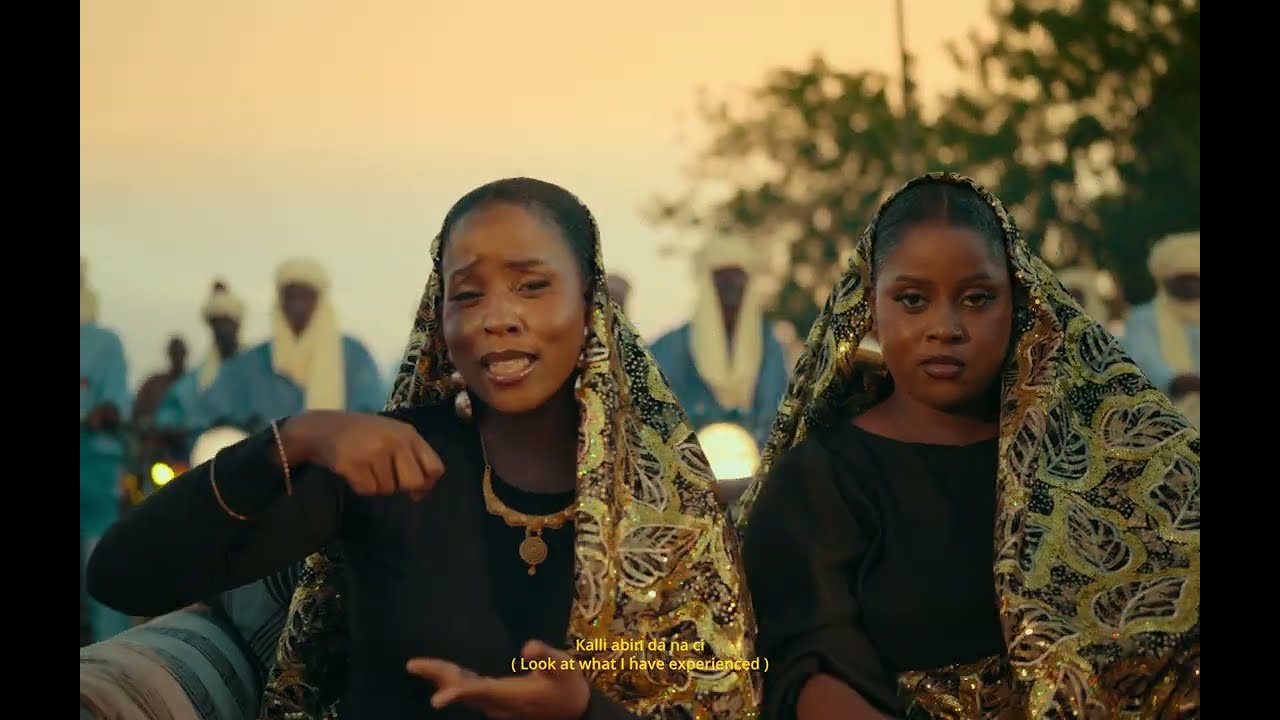
This commitment to verisimilitude extends to the inclusion of English subtitles that translate the Hausa lyrics throughout the video. This thoughtful addition ensures that the song’s message of personal journeys, unwavering resilience, and the struggle for survival during challenging economic times is accessible to a global audience, transcending linguistic barriers. It demonstrates Falz’s intention to foster understanding and empathy, making the experiences depicted relatable even to those unfamiliar with the specific cultural context.
Styling Reflects Setting: A Harmonious Aesthetic
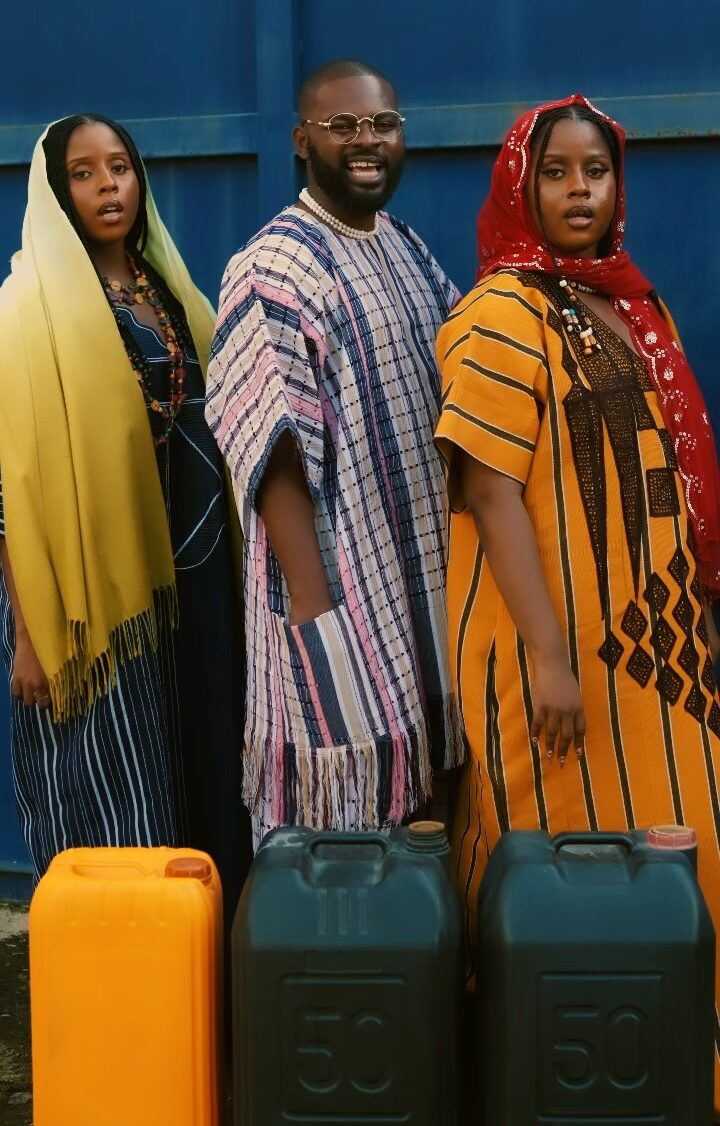
The sartorial choices in the "Na Je" video are as deliberate as its geographical setting. The styling seamlessly complements the Northern Nigerian environment, reinforcing the video’s cohesive narrative. Musical duo Oiza x Meyi are presented in traditional Northern tunics, adorned with intricate bead jewelry and tassel accents, embodying a cultural elegance that is both striking and respectful. Falz himself appears in an earth-toned kaftan and cap, his attire exuding a grounded, relatable presence. Every element—from the breathtaking landscapes and the authentic portrayal of people to the carefully chosen wardrobe—works in concert to create a powerful and unified artistic statement. This meticulous attention to detail elevates "Na Je" beyond a mere music video; it becomes a cultural document, a visual poem that speaks volumes about the lives and resilience of Northern Nigerians.
The "Break Time" EP: A Thematic Anchor
The "Break Time" EP, from which "Na Je" is drawn, is itself a significant project. Released recently, it comprises five tracks that are unified by a consistent theme: the exploration of social commentary, economic realities, and the everyday struggle for survival in Nigeria. Falz, known for his ability to blend entertainment with incisive social critique, has consistently used his platform to address pressing issues. The EP, and "Na Je" in particular, represents a mature evolution of this artistic approach, demonstrating a deeper commitment to nuanced storytelling and cultural representation.
The EP’s title, "Break Time," can be interpreted in multiple ways. It might suggest a moment of respite from the harsh realities discussed, or perhaps a call for a collective pause to reflect on these issues. Regardless of interpretation, the EP serves as a powerful artistic statement that encourages listeners to engage with the complexities of Nigerian society.
Background Context: Social Commentary in Nigerian Music
Falz’s foray into social commentary is not new, but the "Break Time" EP and the "Na Je" video represent a particularly focused and impactful iteration. Nigerian music has a rich history of incorporating social and political messages, from the protest songs of Fela Kuti in the 1970s and 80s to the contemporary works of artists who address issues of governance, corruption, and inequality. Falz, often referred to as "The Bahd Guy," has carved a unique niche by using his witty lyricism and infectious beats to deliver these messages, making them accessible and engaging to a younger generation.

His previous works, such as the satirical "This Is Nigeria" which drew parallels to Childish Gambino’s "This Is America," have garnered significant attention and critical acclaim for their fearless engagement with societal ills. The "Break Time" EP and the "Na Je" video continue this legacy, demonstrating that popular music can serve as a potent vehicle for social awareness and change.
Supporting Data and Economic Realities
The themes of economic hardship and survival addressed in "Na Je" are deeply rooted in Nigeria’s socio-economic landscape. Nigeria, Africa’s most populous nation and largest economy, faces persistent challenges including poverty, unemployment, and income inequality. According to the National Bureau of Statistics (NBS) of Nigeria, as of recent reports, a significant portion of the population lives below the poverty line, with rural areas often experiencing higher rates of deprivation. Unemployment figures have also remained a concern, particularly among the youth.
These statistics provide a factual backdrop to the narratives woven into "Na Je." The visual depiction of daily struggles, the reliance on traditional livelihoods, and the implied resilience in the face of economic challenges are not fictional constructs but reflections of the lived experiences of millions of Nigerians. The song and video serve as a powerful reminder of these underlying realities, prompting reflection on the systemic issues that contribute to these conditions.
Timeline of Release and Reception
The "Break Time" EP was released on July 19, 2026, with "Na Je" being one of its most anticipated tracks. The official music video for "Na Je" was subsequently released on July 23, 2026, generating immediate buzz and positive reception across social media platforms and music blogs. The video’s unique visual aesthetic and its direct engagement with Northern Nigerian culture have been widely praised by critics and fans alike.
The swift release of the video, shortly after the EP, suggests a strategic approach by Falz and his team to capitalize on the EP’s momentum and amplify its thematic message. The initial reactions indicate that the video has successfully resonated with audiences, sparking conversations about the song’s lyrical content and its visual representation of Nigerian life.
Broader Impact and Implications
The "Na Je" video has several significant implications:
- Cultural Representation: By centering the narrative in Northern Nigeria and authentically portraying its people and environment, the video contributes to a more diverse and nuanced representation of Nigerian culture in mainstream media. It challenges stereotypes and offers a valuable counter-narrative.
- Social Awareness: The video serves as a powerful tool for raising social awareness about the economic realities faced by many Nigerians. It encourages empathy and dialogue about issues of poverty, survival, and resilience.
- Artistic Innovation: Falz’s innovative approach to music video production, blending documentary-style filmmaking with impactful social commentary, pushes the boundaries of what is possible in the genre. This can inspire other artists to adopt similar creative strategies.
- Cross-Cultural Connection: The use of English subtitles and the universal themes of struggle and perseverance ensure that the video can connect with audiences beyond Nigeria, fostering a broader understanding of African realities.
In conclusion, Falz’s "Na Je" music video is more than just a visual accompaniment to a song; it is a compelling piece of social commentary that uses art to illuminate the realities of Northern Nigeria. Through its authentic storytelling, stunning visuals, and profound thematic depth, the video stands as a testament to the power of music to engage, inform, and inspire. It is a significant contribution to the ongoing discourse surrounding social justice, cultural identity, and the multifaceted experiences of life in contemporary Nigeria.