Morocco’s automotive sector is experiencing a significant surge, with the nation solidifying its position as one of Renault Group’s most crucial international markets. The first half of 2026 has witnessed a notable increase in car sales within the North African kingdom, underscoring its growing importance to the French automotive giant’s global strategy. This robust performance in Morocco stands in contrast to more modest global sales figures for Renault Group, highlighting the strategic value of its operations and market penetration in the region.
Moroccan Market Outperforms Global Trends for Renault
Between January and June of 2026, Morocco recorded sales of 49,821 passenger and light commercial vehicles, representing a substantial 13.7% increase compared to the same period in the previous year. This impressive growth trajectory has elevated Morocco to become one of Renault’s most significant markets outside of Europe, a testament to the company’s successful engagement with the North African consumer base and its strategic investments in the region.
The Moroccan market’s performance significantly contributed to Renault’s overall expansion beyond European borders. While the specific figures for Morocco’s contribution to Renault’s development outside of sales are not detailed, the 13.7% growth rate far outpaces that of other key international markets. For comparative context, Mexico saw a growth of 16.3%, Turkey 15.4%, and Brazil 5.3% during the same period. This disparity suggests that Morocco is not only a growing sales hub but also a market where Renault is achieving particularly strong traction and market share expansion.
This surge in Moroccan sales comes at a time when Renault Group’s global sales have remained relatively stable. In the first six months of 2026, the automaker delivered a total of 1,165,133 vehicles worldwide, a marginal 0.4% decrease from the first half of 2025. According to the company, this strategic positioning reflects a deliberate focus on higher-value sales and an accelerated expansion of its electric vehicle (EV) lineup. The consistent growth in Morocco, therefore, represents a vital counterpoint to a more nuanced global sales environment, demonstrating the resilience and strategic importance of its international operations.
Renault’s Strategic Foothold in Morocco: Production and Exports
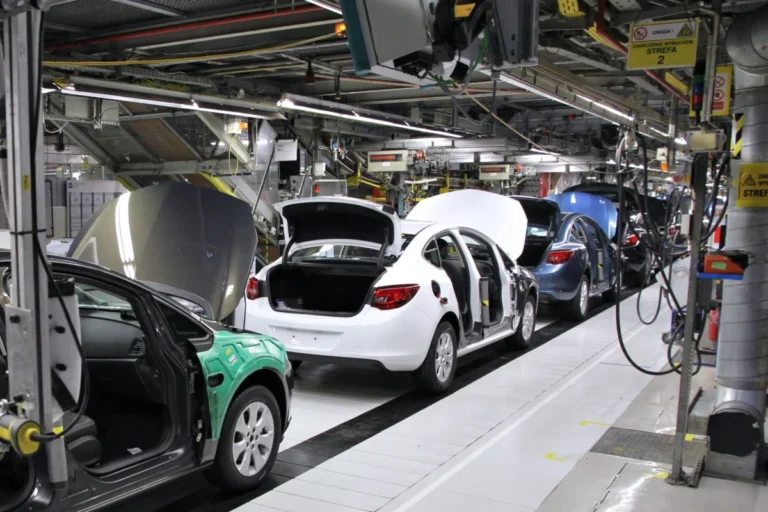
Morocco’s significance to Renault extends far beyond its domestic sales figures. The country serves as a cornerstone of Renault’s global production and export strategy. With major manufacturing facilities located in Tangier and Casablanca, Morocco is Renault’s second-largest production base globally. These state-of-the-art plants are instrumental in supplying vehicles not only to the burgeoning Moroccan market but also to a wide array of international destinations. This dual role solidifies Morocco’s status as a critical automotive production hub, not only within Africa but also across the wider Mediterranean region.
The recent sales data further underscores Morocco’s escalating prominence within the global automotive industry. As international manufacturers continue to invest in the country’s developing manufacturing infrastructure and export capabilities, Morocco is increasingly recognized as a strategic location for automotive production and market access.
A Deeper Look at Morocco’s Automotive Ascendancy
The remarkable performance of Renault in Morocco is intrinsically linked to the country’s own automotive industry boom. In 2025, Morocco achieved a significant milestone by producing one million automobiles, marking a staggering 79% increase from the 559,645 units manufactured throughout the entire year of 2024. This production leap has propelled the North African nation ahead of South Africa, a country that has historically dominated automotive manufacturing on the continent for decades.
This rapid expansion in Moroccan automotive production is not a spontaneous event but rather the result of deliberate government policies aimed at stimulating private sector engagement in the manufacturing domain. Key among these initiatives are attractive tax incentives and a robust network of free trade agreements with major global markets, including the European Union, the United States, and China. These policy frameworks have been instrumental in attracting substantial investments from global automotive players. Renault, for instance, expanded its manufacturing units in 2012, followed by Stellantis in 2019. These strategic investments have significantly bolstered Morocco’s production capacity and its potential for exporting vehicles to international markets.
Renault’s European Performance: A Contrasting Picture
While Morocco shines as a beacon of growth for Renault Group, its performance within Europe presents a different narrative. In 2025, Renault Group sold 821,092 passenger and commercial vehicles across Europe, marking a slight decrease of 1.3% compared to the preceding year. Despite this minor dip, the Renault brand maintained its strong position as the second-largest carmaker in the European market, selling 528,849 vehicles, which represented a notable increase of 2.6%.
The European market also saw the emergence of the Renault 5 E-Tech as the best-selling electric car in the B-segment, indicating a successful push towards electrification in its home market. Furthermore, Renault Group outpaced Stellantis in 2025 to claim the top spot among French automakers in terms of sales volume, reinforcing its domestic leadership. In France specifically, the Peugeot 208 and the Renault Clio were the top-selling automobile models, while Renault, Peugeot, and Dacia remained the leading car brands.
Implications and Future Outlook
The strong sales performance of Renault in Morocco and the country’s overall rise as an automotive powerhouse have several significant implications. For Renault Group, Morocco offers a stable and growing market that contributes significantly to its international revenue and production capacity. The strategic location and manufacturing infrastructure in Morocco provide a competitive advantage for exporting vehicles to Europe, the Middle East, and Africa. This diversification of production and sales markets can act as a buffer against fluctuations in individual regional economies.
The success of Morocco’s automotive sector, driven by government support and strategic investments, serves as a model for other developing nations looking to establish a robust industrial base. The country’s ability to attract major international automakers and significantly increase its production output highlights the effectiveness of targeted industrial policies. The fact that Morocco has now surpassed South Africa in production volume is a remarkable achievement that signals a shift in the continent’s automotive manufacturing landscape.
Looking ahead, the continued focus on higher-value sales and the expansion of electric vehicle offerings by Renault Group globally, coupled with Morocco’s ongoing development as a manufacturing and export hub, suggests a positive outlook for the partnership. The synergy between Renault’s strategic goals and Morocco’s industrial ambitions is likely to foster further growth and innovation in the automotive sector for both entities. The sustained investment in Moroccan manufacturing facilities, alongside the increasing demand for vehicles in the region, positions Renault to capitalize on emerging opportunities and solidify its presence in this vital international market. The company’s commitment to innovation, particularly in the realm of electric mobility, will be crucial in navigating the evolving automotive landscape and maintaining its competitive edge in both established and emerging markets like Morocco.