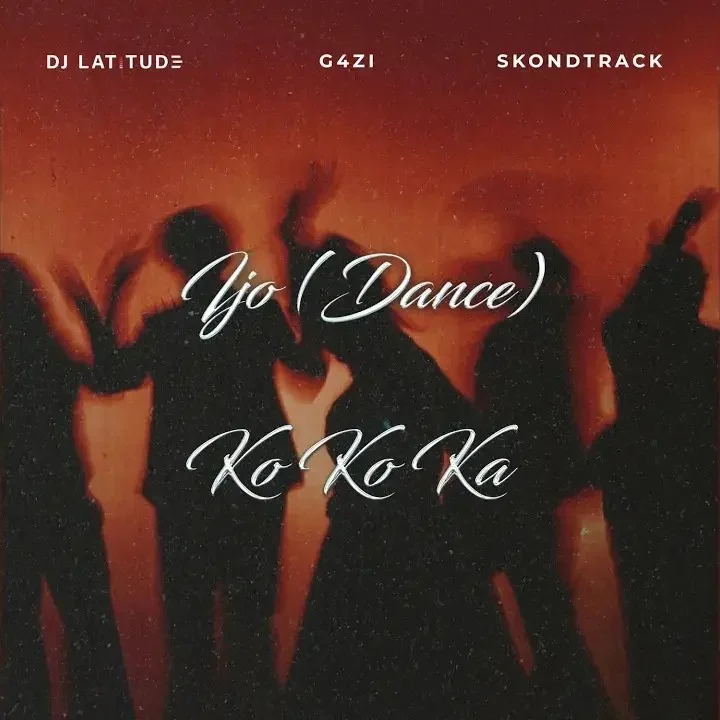
Renowned Nigerian disc jockey, record producer, and music curator DJ Latitude has officially expanded his vibrant musical catalog with the release of a high-octane double single package featuring collaborators G4ZI and Skondtrack. The dual release, comprising the dynamic tracks KO KO KA and Ijo (Dance), arrives as a direct continuation of the artist’s ongoing exploration of dance-centric Afrobeats and amapiano-infused rhythms. Coming on the heels of his widely received project Vibez Piano 2.2, this latest offering underscores DJ Latitude’s strategic positioning as a pivotal tastemaker within the contemporary African club and nightlife scene.
The strategic release of dual singles has become an increasingly popular method for electronic and Afrobeats artists seeking to maximize audience engagement across digital streaming platforms. By dropping KO KO KA and Ijo (Dance) simultaneously, DJ Latitude and his creative collaborators—G4ZI and Skondtrack—have ensured a continuous stream of energetic content tailored specifically for weekend playlists, live DJ sets, and global dance challenges. Industry observers note that this approach allows creators to capture multiple segments of the nightlife market at once, catering both to listeners seeking lyrical humor and those demanding pure rhythmic momentum.
An Anatomical Breakdown of KO KO KA and Its Crowd-Moving Mechanics
At the core of the double release is KO KO KA, a track engineered deliberately to test the physical limits of dancers in clubs and social gatherings. Structurally, the song relies on a direct, unpretentious arrangement where momentum is propelled by repeated vocal phrases and a constant, unwavering rhythmic drive. Rather than focusing on complex harmonic progressions, the track utilizes minimalist production techniques that place percussion and vocal cadence at the forefront.
Central to the song’s appeal is the infectious and repetitive "Gonsa, gonsa" chant, which serves as a primary hook designed to foster instant crowd participation. This stylistic choice draws deep inspiration from traditional call-and-response patterns prevalent in African street music and dance culture. Musicologists and nightlife analysts point out that tracks featuring repetitive, easily memorized chants consistently achieve higher retention rates in crowded environments, as they lower the barrier for audience participation. G4ZI and Skondtrack deliver performances that complement DJ Latitude’s production philosophy, blending humorous ad-libs with a direct challenge to listeners to showcase their best moves on the floor.
The Chronological Evolution of DJ Latitude’s Sound
To understand the significance of the 2026 double release, one must examine the chronological progression of DJ Latitude’s career within the broader Afrobeats ecosystem. Emerging initially as a skilled mixtape curator and club DJ, he steadily transitioned into an influential producer capable of orchestrating high-profile collaborations that bridge the gap between mainstream pop and underground dance culture.
In the years leading up to this project, DJ Latitude steadily built his reputation through a series of calculated releases and genre-bending EPs. Projects such as Vibez Piano 2.2 showcased his ability to harness the sweeping wave of South African amapiano while retaining the distinct percussive bounce characteristic of Nigerian street pop. His earlier discography includes notable chart-friendly records such as Laba Laba, which featured critically acclaimed vocal contributions from alternative-pop sensation Fireboy DML, and the infectious club anthem Sare.
These milestones established a clear trajectory: DJ Latitude’s primary artistic objective is the fusion of diverse sonic textures into cohesive, party-oriented Afrobeats experiences. The 2026 release of KO KO KA and Ijo (Dance) represents the maturation of this formula, stripping away unnecessary sonic clutter to focus entirely on kinetic energy and dancefloor utility.
The Role of G4ZI and Skondtrack in Modern Afrobeats Collaborations
The inclusion of G4ZI and Skondtrack across both tracks highlights a growing trend within the African music industry: the reliance on tightly knit creative syndicates that operate across production, vocal delivery, and hype-man roles. While primary artists often capture the bulk of public attention, producers and featured collaborators like G4ZI and Skondtrack function as essential architectural pillars for contemporary party records.
G4ZI’s contribution to KO KO KA, characterized by spirited vocal delivery and comedic timing, injects a distinct personality into the record. Meanwhile, Skondtrack’s production sensibilities help anchor the high-tempo arrangements, ensuring that the low-end frequencies resonate effectively on heavy nightclub sound systems. Industry insiders suggest that these collaborative networks allow producers like DJ Latitude to maintain a consistent output of high-quality club music without sacrificing creative momentum.
Industry Reactions and Digital Streaming Landscape
Following their premiere, both KO KO KA and Ijo (Dance) were made immediately accessible across all major digital streaming platforms, including Spotify, Apple Music, YouTube Music, and Audiomack. Early metrics indicate strong initial traction among regional playlist curators, particularly those focusing on Afrobeats dance workouts, weekend parties, and contemporary African electronic music.
Music critics and digital influencers have praised the duo of tracks for their unapologetic focus on physical movement. In an era where many mainstream Afrobeats releases lean heavily toward introspective mid-tempo vibes or moody R&B crossovers, DJ Latitude’s refusal to abandon high-energy club music has earned him a dedicated following among professional DJs and dance crews across West Africa and the diaspora.
Social media platforms, particularly TikTok and Instagram Reels, have already begun witnessing early user-generated content featuring the "Gonsa, gonsa" chant. Dance creators have quickly adopted the track for choreographed routines, a testament to the song’s structural design, which anticipates and encourages viral digital participation.
Broader Impact and Implications for the Afrobeats Genre
The release of KO KO KA and Ijo (Dance) offers a valuable case study regarding the ongoing evolution of DJ-led projects in the modern music economy. Historically, DJs faced significant hurdles in establishing long-term commercial viability as primary recording artists, often relying on star features to drive their projects. However, figures like DJ Latitude are redefining this dynamic by building standalone brands centered around specialized sonic experiences rather than individual superstar vocalists.
By prioritizing rhythm, humor, and community participation, DJ Latitude demonstrates that instrumental and dance-driven records can compete effectively in a market heavily saturated with vocal-driven pop hits. As the global demand for diverse African sounds continues to expand—reaching new audiences in Europe, North America, and Asia—tracks specifically engineered for the physical demands of the dancefloor remain a vital export.
Furthermore, this double release reinforces the adaptability of the African music ecosystem. Producers are no longer bound by traditional album cycles; instead, they utilize rapid-fire digital releases, EP extensions, and targeted double-single drops to maintain continuous visibility in algorithmic discovery feeds.
Looking ahead, industry analysts anticipate that KO KO KA and Ijo (Dance) will serve as staples in summer DJ rotations and festival sets throughout the remainder of 2026. As listeners and critics continue to digest the project, the broader conversation remains focused on how DJ Latitude will translate these studio productions into live performance environments. Music enthusiasts are encouraged to stream the tracks across digital storefronts and participate in the ongoing discussions surrounding the future of dance-driven Afrobeats culture.