The Eighth Intergovernmental Working Group (IGWG 8) talks on the landmark World Health Organization (WHO) Pandemic Agreement opened in Geneva with sharp divisions persisting over the final, critical hurdle to the treaty’s adoption: the Pathogen Access and Benefit-Sharing (PABS) system. While developing nations and regional blocs from the Global South are overwhelmingly demanding legally binding contracts to guarantee equitable access to life-saving vaccines, therapeutics, and diagnostics, major pharmaceutical representatives and the European Union are fiercely resisting what they term a transactional and bureaucratic impediment to scientific research.
The high-stakes negotiations follow the adoption of the broader Pandemic Agreement by the World Health Assembly in May 2025. Although consensus has been reached on the majority of the treaty’s articles, the PABS annex remains the ultimate sticking point. The core philosophical disagreement centers on how pathogens and their Digital Sequence Information (DSI) are shared globally during a health emergency, and whether the obligation to share downstream medical countermeasures should be legally hardwired into the initial act of accessing biological materials.
The Divide Over PABS Contracts and Legal Certainty
As discussions commenced on Monday, nearly every major regional bloc addressing the opening session underscored the absolute necessity of standard contracts with pharmaceutical manufacturers. These proposed contracts aim to establish explicit, enforceable terms for accessing dangerous pathogens while simultaneously locking in commitments on how resulting health products will be distributed equitably.

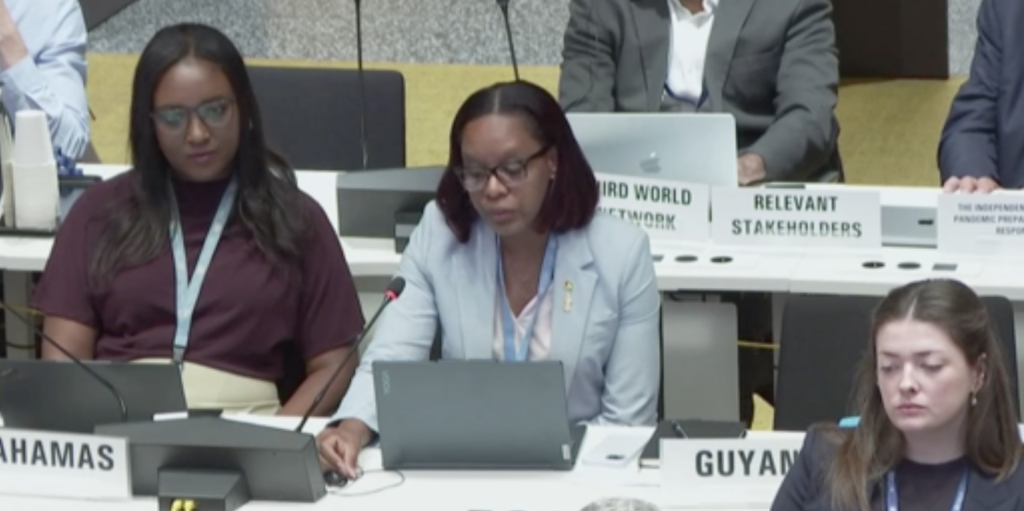
Guyana, speaking on behalf of Caribbean states including the Bahamas, Barbados, Dominica, and Belize, delivered a pointed critique of reliance on voluntary cooperation or goodwill during global health crises.
"Benefit sharing should be predictable, timely, and effective during a pandemic, without relying on ad hoc negotiations at a moment when certainty and solidarity are most needed," Guyana’s representative stated. "Standardised PABS contracts should provide the legal foundation for the system. They should establish transparent, enforceable, and consistent obligations throughout the PABS chain."
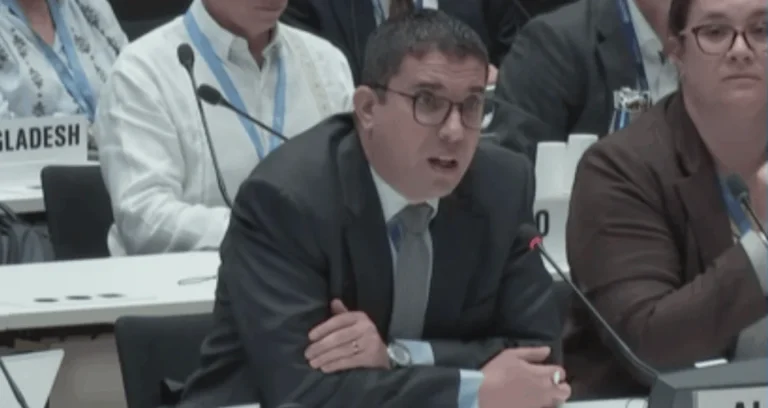
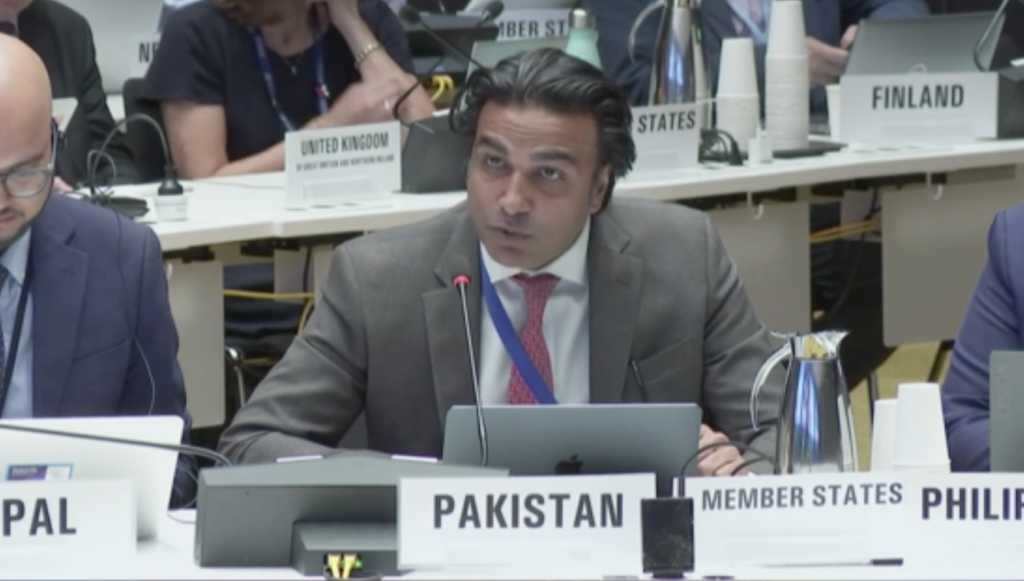
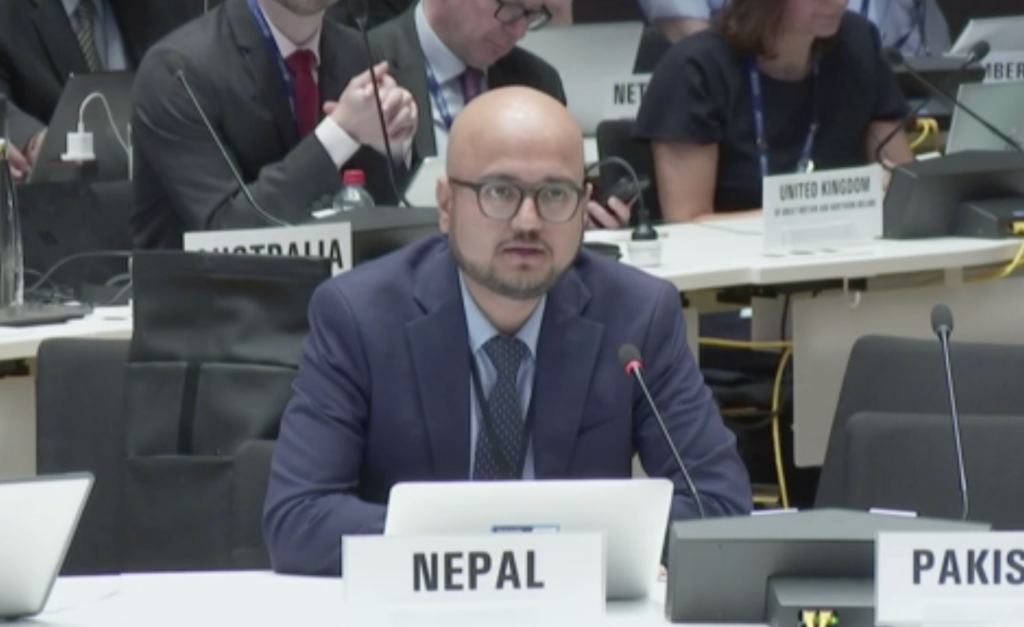
This sentiment was echoed across multiple regions. Pakistan, speaking for the WHO Eastern Mediterranean Region (EMRO), emphasized that replacing mandatory compliance mechanisms with voluntary goodwill is fundamentally untenable. Nepal, representing the South-East Asia Region (SEARO), argued that rapid sharing of PABS materials must be matched by predictable, legally binding reciprocal benefits. Similarly, Indonesia—voicing the positions of the Group of Equity, an alliance of developing nations—rejected the characterization of their stance as merely "transactional," defending it instead as a basic matter of fairness and operational clarity.
Algeria, speaking on behalf of the 47-member African region alongside Egypt, Somalia, and Sudan, anchored its position in Article 12.5, paragraph B, of the Pandemic Agreement. This specific clause mandates that the PABS system must establish transparent modalities and conditions that supply absolute legal certainty for providers, researchers, and manufacturers alike.
Chronology and Background of the Pandemic Agreement
The journey toward a global pandemic treaty began in the wake of the devastating COVID-19 pandemic, which exposed profound geopolitical inequities in the distribution of vaccines and medical supplies. Wealthy nations routinely secured initial vaccine stocks through bilateral purchasing agreements, leaving low- and middle-income countries (LMICs) at the back of the queue.
- December 2021: Recognizing these structural failures, the World Health Assembly held a special session establishing the Intergovernmental Negotiating Body (INB) to draft and negotiate a global convention on pandemic prevention, preparedness, and response.
- May 2025: Following years of intense, often polarized diplomatic marathons—chaired heavily by figures like France’s Ambassador Anne Claire Amprou—the World Health Assembly officially adopted the core text of the Pandemic Agreement. However, due to irreconcilable differences over pathogen benefit-sharing, the operational details were sequestered into the PABS annex for further negotiation.
- September 2026: The talks resumed in Geneva under IGWG 8, drawing top-tier diplomatic representation, including new United Nations ambassadors such as Ireland’s Laurence Simms and South Africa’s Zaheer Laher, as well as European Union chief negotiator Ambassador Americo Zampetti.
Architectural Models: Federated Control Versus Open Hybrid Systems
Beyond the debate over binding contracts, delegations are deeply split on the physical and digital architecture of the PABS system itself.
The African Group has forcefully championed a "federated model." Under this framework, sovereign national and regional nodes retain strict control over biological data and physical samples. Pharmaceutical corporations would be legally required to sign binding benefit contracts with the WHO before being granted access to these valuable genetic sequences. Namibia highlighted the operational viability of this approach during the IGWG sessions, pointing to the European Union’s own Genomic Data Infrastructure (GDI) project. Over the past four years, the GDI has united 70 institutes across 24 European countries with an investment of approximately €40 million, successfully proving that robust health data can be managed through distributed national sovereignty with controlled, secure access channels.
In stark contrast, the European Union advocates for a "hybrid model." This design relies on multi-tiered pathways and open, frictionless databases intended to maximize the speed of scientific research without imposing heavy administrative roadblocks. Ambassador Zampetti has previously criticized the developing world’s insistence on binding contracts as an counterproductive "ideological polarisation" and a "transactional approach" that risks slowing down emergency responses.
Pragmatic Compromises: Downstream Triggers and Safe Harbours
To bridge the chasm between absolute sovereign control and frictionless commercial access, various non-state observers and research organizations have introduced alternative proposals aimed at sequencing compliance.
Knowledge Ecology International (KEI) has proposed that pharmaceutical manufacturers enter into contracts with the WHO not as a mandatory prerequisite for accessing raw PABS materials or DSI, but rather as a regulatory condition for registering and commercially selling pandemic-related products internationally. This downstream compliance model garnered significant attention, with Medicines Law and Policy representative Ellen ’t Hoen formally introducing the concept to the IGWG co-chairs, who agreed to evaluate it.
Similarly, the Coalition for Epidemic Preparedness Innovations (CEPI) advocated for two complementary mechanisms designed to de-risk research and development (R&D) while preserving eventual equity: an "R&D safe harbour" and an "equivalency mechanism."
Under CEPI’s vision, the safe harbour would grant developers a low-friction pathway to utilize pathogen materials immediately without negotiating complex benefit-sharing packages upfront. Full PABS obligations would only kick in downstream, triggered once specific commercialization thresholds are met. Meanwhile, the equivalency mechanism would recognize existing equitable access frameworks maintained by accredited R&D funders as fully satisfying PABS obligations, thereby reducing regulatory duplication and compliance costs.
Industry Pushback and the Risk of Research Friction
The commercial sector remains intensely opposed to any measures that resemble mandatory contractual preconditions. Representing global drugmakers, Grega Kumer of the International Federation of Pharmaceutical Manufacturers and Associations (IFPMA) issued a stern warning during the Geneva sessions.
"Contractual requirements, restrictive access conditions, or burdensome compliance measures introduced as a precondition for research risk creating delays precisely when speed matters most," Kumer asserted. He argued that the PABS mechanism on its own does not manufacture medical countermeasures, and that imposing legal uncertainty, higher operational costs, and administrative burdens would generate bureaucratic friction without solving the root causes of global access disparities.
Fact-Based Analysis and Broader Implications
The outcome of the IGWG 8 sessions carries profound implications for the future architecture of global health security. If developing nations and the Global South succeed in embedding legally binding PABS contracts into the treaty, it will establish a historic precedent for international distributive justice, ensuring that nations contributing vital biological data are direct beneficiaries of resultant medical innovations.
Conversely, should the European Union and industry lobbyists successfully dismantle mandatory contractual hurdles in favor of voluntary or downstream frameworks, critics warn that the world risks repeating the stark inequity witnessed during the COVID-19 pandemic. As the Geneva negotiations continue, the central question remains whether diplomats can engineer a legal compromise that satisfies both the urgent need for rapid scientific innovation and the absolute imperative for equitable global health solidarity.