
For decades, the global epicenter of distance running has been anchored in the high-altitude training camps of Kenya—from Iten to Eldoret—where generations of champions have quietly engineered world records and Olympic podium finishes. Yet, despite producing some of the greatest track and field athletes in human history, the continent of Africa has never hosted the sport’s premier global showcase. That historic barrier is officially broken. At the 242nd World Athletics Council Meeting in Budapest, officials made the monumental decision to award the hosting rights for the 2029 World Athletics Championships to Nairobi, Kenya.
Beating out robust, well-funded bids from legendary global capitals such as London, Rome, and Munich, Nairobi’s victory represents far more than a sporting coup. It is a long-overdue homecoming for a nation whose cultural, economic, and athletic identity is inextricably bound to the track. As the world turns its attention toward East Africa, the 2029 championships promise to redefine what a global athletics gathering looks like, blending unmatched local passion with world-class sporting infrastructure.
The Genesis of a Historic Bid: How Nairobi Won the Global Race
The journey to securing the 2029 World Athletics Championships was neither brief nor accidental. It was the culmination of years of meticulous planning, infrastructural development, and proven event-hosting capability by Kenyan sports authorities and government stakeholders.
When the World Athletics Council initiated the bidding cycle for the 2029 and 2031 editions, major cities across Europe and North America lined up proposals backed by established stadiums and deep corporate reserves. However, Nairobi’s bid carried a unique narrative that resonated deeply with the governing body: emotional resonance combined with undeniable technical readiness.
World Athletics President Sebastian Coe, speaking during the official announcement, underscored the profound nature of the decision. "Nairobi presented a compelling and emotional bid, and taking the World Athletics Championships to Africa for the first time will be historic," Coe remarked. "Kenya is one of the great athletics nations. The sport is woven into the fabric of the country. Nairobi has demonstrated emphatically that this is their moment."
The city’s path to this milestone was paved by successful trial runs on the international stage. Nairobi previously proved its operational capacity by hosting the World U18 Championships in 2017 and the World U20 Championships in 2021. Both events received widespread acclaim from international officials for their seamless organization, enthusiastic crowds, and vibrant atmospheres, effectively proving that Kenya possessed both the technical competence and the security framework required to manage a global sports festival.
Infrastructure and Readiness: The Transformation of Kasarani Stadium
To host thousands of athletes, coaches, officials, and media personnel from more than 200 nations, infrastructural upgrading is paramount. The epicenter of the 2029 World Athletics Championships will be the iconic Moi International Sports Centre at Kasarani Stadium in Nairobi.
Kasarani is already undergoing comprehensive, state-of-the-art renovations. These upgrades are part of a broader national infrastructure push tied to Kenya’s co-hosting of the 2027 Africa Cup of Nations (AFCON) alongside its East African neighbors. The modernization efforts encompass structural enhancements to the main arena, advanced recovery and training facilities for athletes, cutting-edge digital timing and broadcasting systems, and improvements to transportation networks linking the stadium to Jomo Kenyatta International Airport and the city’s expanding hospitality sector.
Kenyan Cabinet Secretary for Youth Affairs, Creative Economy and Sports, Salim Mvurya, emphasized the national pride and economic foresight driving these preparations. "This is a moment of pride for Kenya and the entire African continent," Mvurya noted following the announcement. "Hosting the 2029 World Athletics Championships gives the world a front-row seat to experience a nation where running is deeply connected to our identity."
Unmatched Passion: The Data Behind Kenya’s Fan Engagement
While European and North American host cities often rely on tourism campaigns to fill stadiums, Nairobi 2029 will enjoy a built-in advantage that is statistically unmatched anywhere else in the world: an intensely passionate, deeply knowledgeable local fanbase.
According to comprehensive fan research conducted by World Athletics, an extraordinary 68% of the Kenyan population rates their interest in athletics as high. This figure is nearly double the global average of 39%, positioning Kenya as the single most athletics-interested market surveyed by the governing body. This enthusiasm translates directly into digital engagement, television viewership, and grassroots participation.
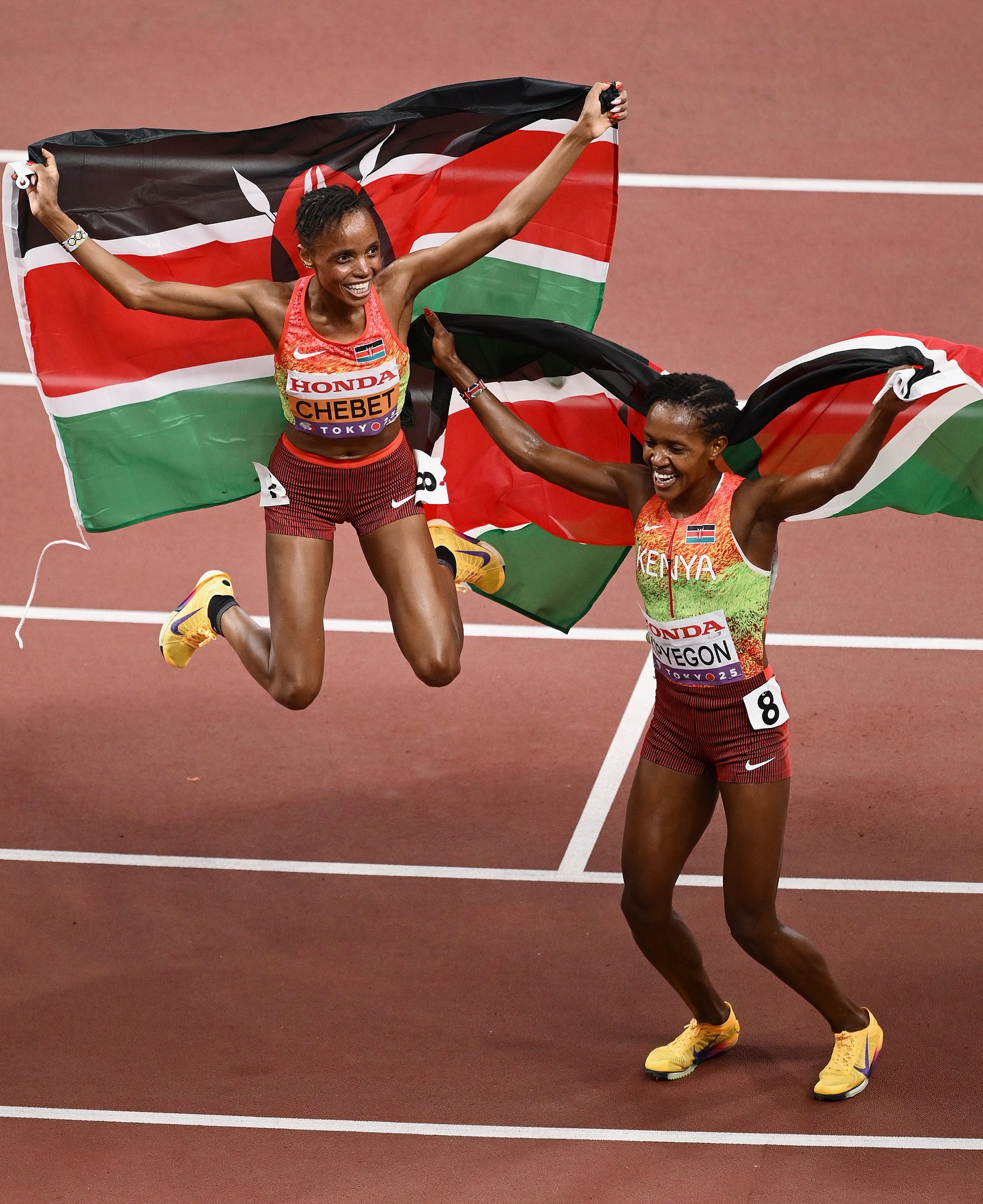
This passion is firmly rooted in national success. Kenya stands as the second-most-successful nation in the entire history of the World Athletics Championships, trailing only the United States in cumulative gold and overall medal counts. The nation’s dominance was reaffirmed at the recent World Athletics Championships in Tokyo (Tokyo 25), where the Kenyan team captured seven gold medals and 11 overall podium finishes, spearheaded by legendary performances from icons like Faith Kipyegon and Beatrice Chebet.
A Chronology of Excellence: Kenya’s Journey to the World Stage
To understand the magnitude of Nairobi 2029, one must look back at the historical milestones that built Kenya’s athletic reputation:
- 1968 Mexico City Olympics: Kipchoge Keino stuns the world by winning gold in the 1,500 meters—running while suffering from a severe gallstone attack—and follows it up with a silver in the 5,000 meters, cementing Kenya as an emerging distance-running powerhouse.
- 1980s–1990s: A golden generation of runners, including Henry Rono, Paul Tergat, and Moses Tanui, shatter world records across cross-country, steeplechase, and long-distance events, establishing the Rift Valley as the global Mecca of endurance training.
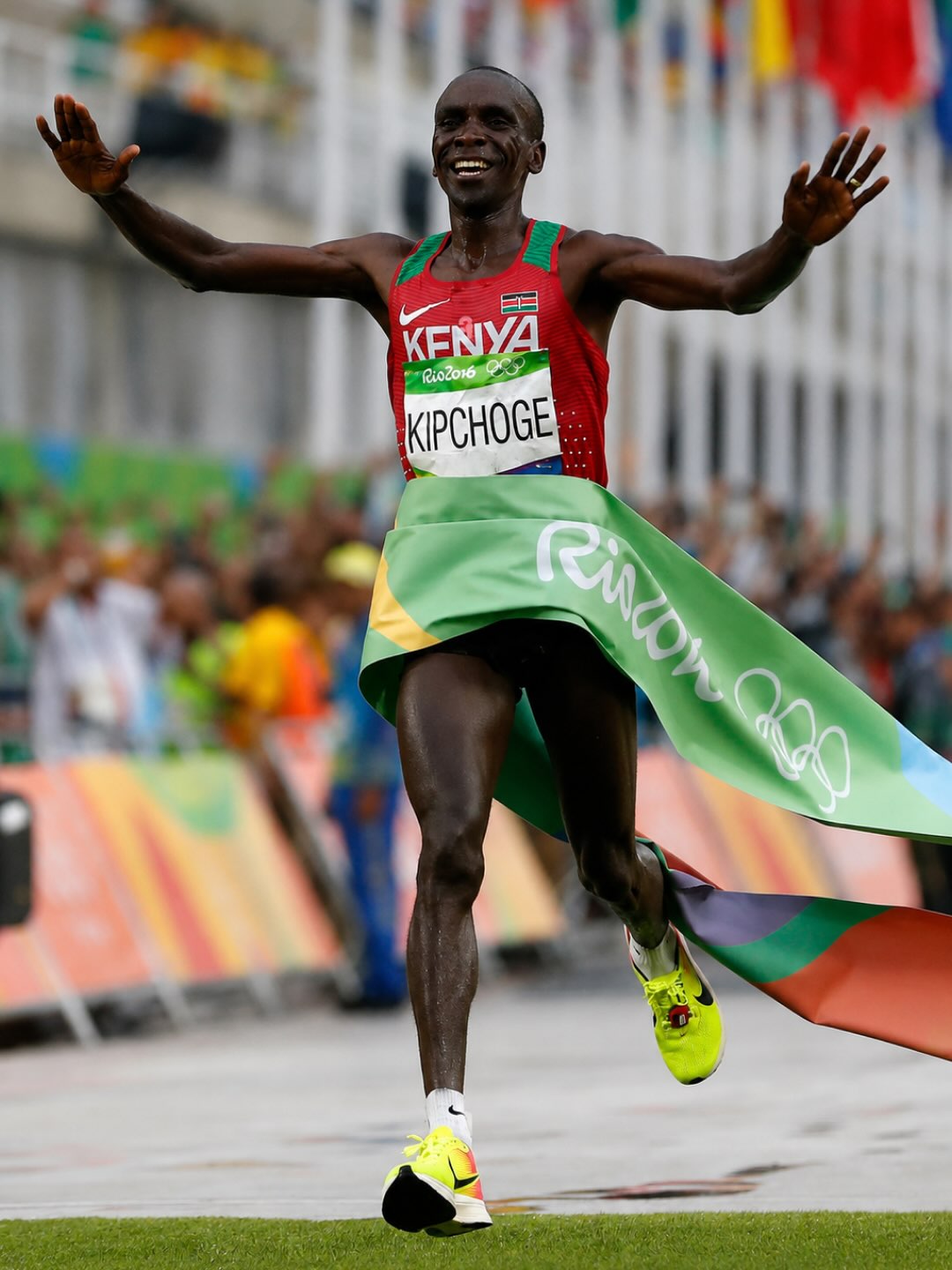
- 2000s–2010s: The professionalization of Kenyan athletics sees pioneers like Eliud Kipchoge transition from dominant track runners to legendary marathoners. Kipchoge wins his first Olympic marathon gold at Rio 2016 before later breaking the mythical two-hour barrier in Vienna.
- 2017 & 2021: Nairobi successfully hosts the World U18 and World U20 Championships, proving to World Athletics that the nation can manage high-level international logistics and crowd control.
- 2025 (Tokyo): Faith Kipyegon and Beatrice Chebet lead a historic medal haul at the World Athletics Championships, securing second place globally for Kenya on the medal table.
- 2029 (Nairobi): The World Athletics Championships officially arrive on African soil for the first time in history.
Economic, Social, and Sporting Implications
The awarding of the 2029 championships to Nairobi carries profound implications for both Kenya and the broader African continent. Economically, the event is projected to inject millions of dollars into the local economy through tourism, hospitality, infrastructure development, and job creation. Hotels, restaurants, transport networks, and local artisan markets will experience a significant multi-year boost as preparations ramp up.
Sporting-wise, the event is expected to inspire a new generation of African athletes. While East Africa has historically dominated middle- and long-distance events, the exposure of hosting a home championship could catalyze investments in other disciplines, such as field events and sprinting, building on the trailblazing success of athletes like Ferdinand Omanyala.
Furthermore, hosting the championships in Nairobi addresses a longstanding geographical imbalance in major global sporting events. Major global championships—whether the Olympic Games, FIFA World Cup, or World Athletics Championships—have historically been concentrated in North America, Europe, Asia, and Australia. Bringing the premier track and field event to Africa validates the continent’s immense contribution to modern sport.
Looking Ahead to 2029
As the calendar turns toward 2029, the spotlight will increasingly focus on Nairobi. The challenges of organizing an event of this magnitude are real—requiring stringent logistical coordination, financial stewardship, and infrastructural diligence. However, the nation that has produced the world’s most enduring running legends is well-equipped to meet the moment.
When the starting gun fires at Kasarani Stadium in 2029, it will not merely signal the beginning of a race. It will mark the culmination of a decades-long journey for African sport, showcasing a nation ready to welcome the world home to the birthplace of running.