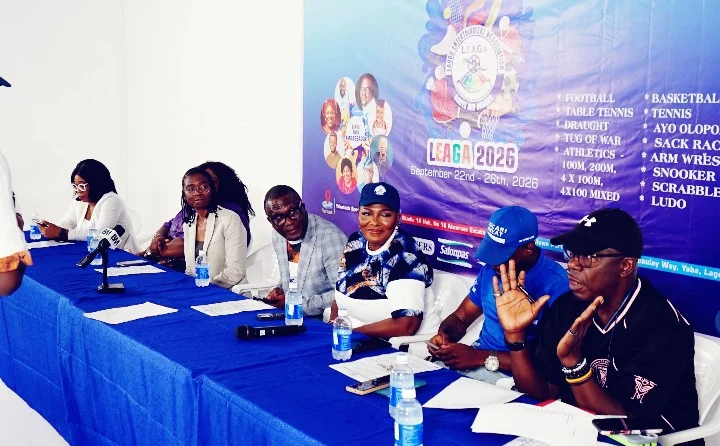
The inaugural edition of the Lagos Entertainment Association Games and Awards (LEAGA) 2026 is poised to transform the intersection of Nigeria’s creative economy and athletic prowess. Scheduled to take place from September 22 to September 26, 2026, this landmark event represents the first of its kind in Nigeria, aiming to formalize the bridge between the high-octane world of entertainment and the discipline of competitive sports. By fostering a collaborative ecosystem, the organizers—Francosh Group and Studio 18—hope to institutionalize "sportainment" as a viable pillar for economic growth, health, and community engagement in Lagos State.
The event, officially unveiled at a press briefing in Lagos on September 15, 2026, has garnered significant institutional support, most notably from the Lagos State Government through the Lagos State Sports Commission (LSSC). With stakeholders from 13 diverse organizations, ranging from performing arts guilds to media houses, the games are being positioned as the "Olympics of Entertainment," designed to celebrate the icons, ambassadors, and legends of the Nigerian creative sector.
A Convergence of Creative Giants
The participating organizations represent a comprehensive cross-section of Nigeria’s vibrant creative industries. Notable attendees include the Actors Guild of Nigeria (AGN), the National Association of Nigeria Theatre Art Practitioners (NANTAP), the Fuji Musician Association of Nigeria (FUMAN), and the Gospel Musician Association of Nigeria (GOMAN). The presence of the Performing Musicians Association of Nigeria (PMAN), the Guild of Nigeria Dancers (GOND), and the Deejays Association of Nigeria (DIJAN) further underscores the event’s broad appeal.
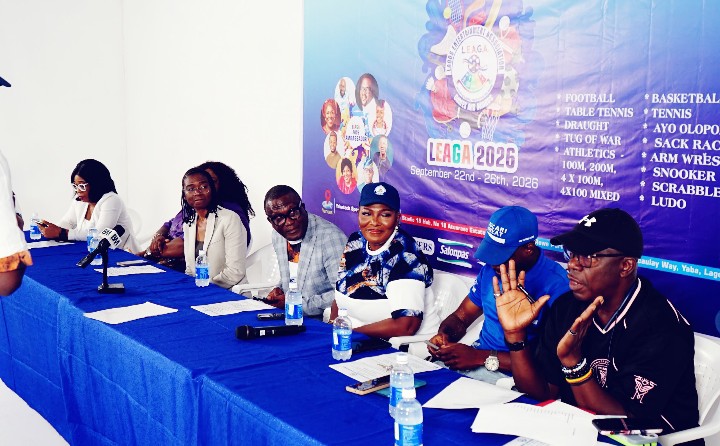
Beyond the performance-based guilds, the festival has secured participation from influential media houses and creative agencies, including Pulse NG, Brila FM, Citizens Voice FM, Q Dance Centre, and Verdant Zeal. This multi-sectoral participation is intended to create a unique networking environment where business, lifestyle, and physical wellness intersect.
Strategic Venue Distribution and Event Logistics
To accommodate the diverse range of activities, LEAGA 2026 will utilize three prominent venues across Lagos. The outdoor sporting events, which include high-energy competitions like track and field, will be hosted at the Yabatech Sports Centre in Yaba and the historic Rowe Park, also located in Yaba. Meanwhile, the Studio 18 Hub in Gbagada will serve as the epicenter for indoor games and strategic corporate interactions.
The games schedule is extensive, featuring 12 distinct sporting disciplines. These include traditional team sports such as football (both male and female categories) and basketball. The program also highlights individual skill and tactical games, including table tennis, tennis, snooker, and scrabble. Additionally, the festival aims to celebrate indigenous pastimes and cultural heritage through the inclusion of games such as Ayo Olopon, Ludo, and Draughts. To ensure a comprehensive athletic experience, the organizers have included specialized events like the 100-meter and 200-meter sprints, the 4×100-meter mixed relay, arm wrestling, the sack race, and a tug-of-war competition.
The Vision of Sportainment
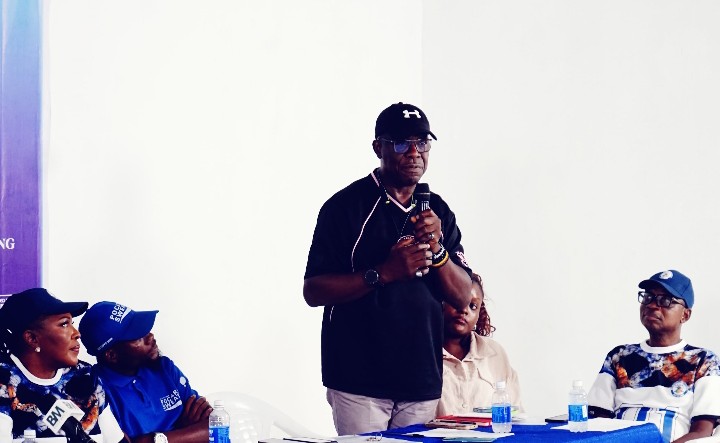
The conceptual framework for LEAGA 2026 stems from a desire to address the sedentary nature of some professional creative lifestyles while maximizing the networking potential inherent in the entertainment industry. During the press briefing, Olufemi Oladeinde, Chairman of Studio 18 Hub, emphasized that the initiative is more than just a series of matches; it is a lifestyle integration.
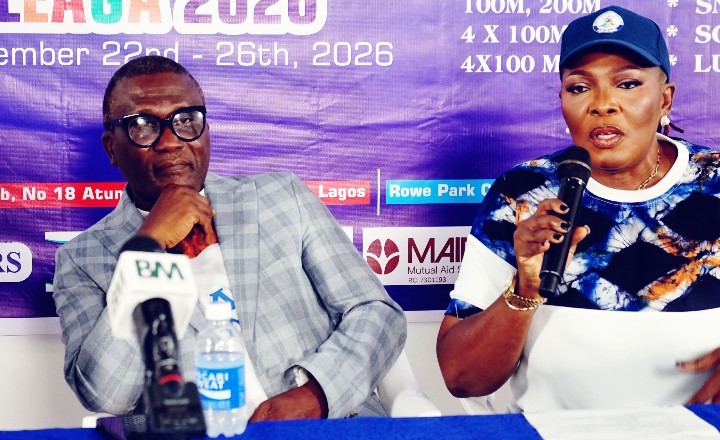
"LEAGA is a potpourri where sport meets entertainment and creativity meets community," Oladeinde stated. "The Director General of the Lagos State Sports Commission, Lekan Fatodu, is a strong advocate for this sportainment lifestyle. Our mission is to annually create an ecosystem where sport, entertainment, business, and culture intersect to promote a healthy lifestyle and industry collaboration."
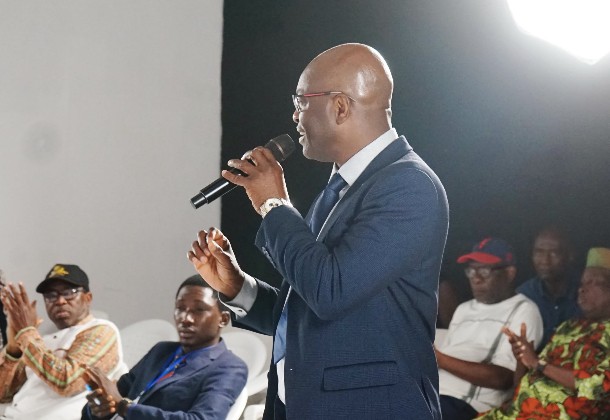
This sentiment was echoed by Ola Okunnu, Chairman of the LEAGA Main Organizing Committee (MOC). Okunnu framed the event as a pilot scheme for what he believes will become a permanent fixture in the Nigerian cultural calendar. "Lagos leads, and others follow," Okunnu remarked, highlighting the strategic importance of using Lagos as the launchpad for a nationwide movement. He noted that the physical exertion of the games is designed to improve the mental and physical well-being of the participants, which in turn enhances their creative productivity.
Economic and Social Implications
The potential impact of LEAGA 2026 extends far beyond the five days of competition. By engaging corporate partners—such as Mutual Aids Specialist (MAIDS), Salonpas, Pocari Sweat, and Hazzat Homes—the organizers are demonstrating a sustainable model for funding creative and athletic projects.
For the Nigerian creative sector, which is already a significant contributor to the national GDP, this event offers a platform for brand visibility and cross-industry partnerships. Analysts observe that when actors, musicians, and media professionals engage in competitive sports, it fosters a sense of camaraderie that is often missing in highly competitive commercial markets. Furthermore, by introducing a structured competitive format, the event provides a platform for talent discovery and potential brand endorsements for athletes within the creative guilds.
The inclusion of media houses like Pulse NG and Brila FM ensures that the games will receive extensive coverage, providing participants and sponsors with a significant return on investment through digital and broadcast exposure. This integration of media, marketing, and sport serves as a case study for how Nigeria can leverage its cultural capital to drive local tourism and community development.
A Path Toward Institutionalization
The decision to label the event the "Olympics of Entertainment" suggests an ambition to scale the project in future years. The organizers have expressed an openness to feedback, acknowledging that as a maiden edition, the focus remains on execution and identifying areas for improvement. By partnering with the Lagos State Sports Commission, the organizers have secured a level of legitimacy and infrastructure support that is often lacking in private initiatives of this scale.
The success of LEAGA 2026 will likely be measured by its ability to maintain the engagement of its 13 core organizations and its capacity to attract a broader audience in subsequent years. As the creative industry in Nigeria continues to gain global prominence, initiatives that prioritize the wellness and networking of its workforce are essential for long-term sustainability.
Conclusion: Looking Ahead to September 22
As the city of Lagos prepares for the start of the festival on September 22, 2026, the mood among the organizers and participants is one of anticipation. The convergence of these diverse sectors promises to deliver a unique cultural experience that balances the rigors of competitive sport with the vibrant, fast-paced nature of the Nigerian entertainment industry.
By the time the closing ceremony takes place on September 26, 2026, the organizers hope to have established a blueprint for future editions that can be replicated in other states. The ultimate objective remains clear: to build an enduring platform that celebrates the human spirit, encourages physical fitness, and strengthens the economic fabric of the Nigerian creative sector. Through the lens of LEAGA, the industry is not just playing games—it is playing for the future of a more integrated, healthier, and collaborative creative economy.