
A localized outbreak of malaria near Frankfurt Airport has sent shockwaves through Germany’s public health sector after eight confirmed cases were recorded since July, resulting in three fatalities. The cluster, which predominantly affected employees of the airport operator Fraport, has been identified by the Frankfurt Public Health Department as a rare phenomenon known as "airport malaria." While malaria is a common diagnosis in Germany for international travelers returning from endemic regions, these cases are distinct because the patients had no recent travel history to malaria-risk zones. The emergence of the pathogen in the heart of Europe has prompted a comprehensive medical review and a heightened state of alert for healthcare providers in the Hessian region.
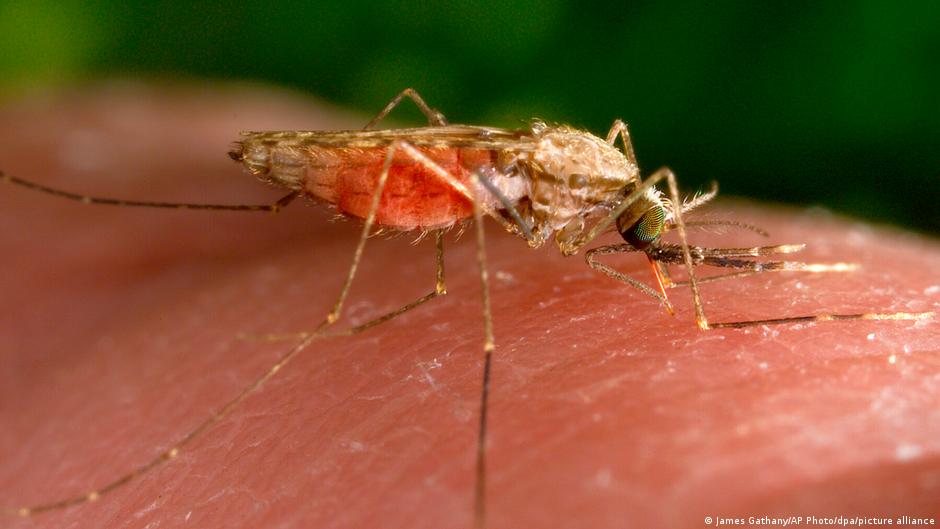
The transmission mechanism for airport malaria is as singular as it is dangerous. It occurs when a female Anopheles mosquito—the vector for the Plasmodium falciparum parasite—survives a long-haul flight from a tropical region, hidden within luggage, cargo, or the fuselage of an aircraft. Once the aircraft lands in a non-endemic environment like Germany, the stowaway mosquito exits the plane and bites a nearby human, injecting the parasite directly into the bloodstream.
A Chronology of the Outbreak
The current series of events began in mid-summer, when the first cases were reported among ground staff working in and around the vicinity of Frankfurt Airport. The initial diagnosis of malaria in individuals who had not traveled abroad caused immediate concern among medical professionals. As of late September, the Frankfurt Public Health Department confirmed that eight individuals have been infected. The progression of these cases was rapid, with the three deaths highlighting the severity of the Plasmodium falciparum strain involved.
Prior to this summer’s cluster, the Robert Koch Institute (RKI)—Germany’s federal agency responsible for disease control and prevention—recorded the last instance of airport malaria in 2023. While sporadic cases have occurred historically across various European aviation hubs, the current concentration at Frankfurt is statistically anomalous, suggesting a potential combination of increased air traffic, warmer local microclimates, and specific environmental factors that allowed the vector to survive long enough to transmit the pathogen.
The Biological Threat: Understanding Malaria Tropica
The strain identified in these cases is malaria tropica, which is widely regarded by the global medical community as the most lethal form of the disease. Professor Achim Hörauf, director of the Institute for Medical Microbiology, Immunology and Parasitology at the University Hospital Bonn (UKB), has emphasized that the biology of the parasite makes it particularly aggressive.
When an infected Anopheles mosquito bites a human, the Plasmodium falciparum parasite enters the red blood cells. The subsequent replication cycle causes these cells to rupture, while simultaneously causing the parasites to adhere to the lining of the blood vessels. As Professor Hörauf explained, this process results in a series of micro-blockages throughout the circulatory system.
The clinical implications of these blockages are severe. Because the parasite can compromise the vascular integrity of vital organs, patients are at high risk of multi-organ failure. Common, life-threatening complications include pulmonary edema—the accumulation of fluid in the lungs—and cerebral malaria, where the blood vessels in the brain are affected, potentially leading to permanent neurological damage. Acute kidney failure is another frequent complication in advanced stages. Without rapid medical intervention, the mortality rate for untreated malaria tropica can reach 20%.
The Diagnostic Challenge and Public Health Response
One of the primary difficulties in managing this outbreak is the initial presentation of symptoms. In the early stages, the disease mimics common seasonal illnesses. Patients typically present with high fever, chills, intense headaches, muscle pain, nausea, and vomiting. Because malaria is not endemic to Germany, physicians in general practice or local clinics may not immediately consider it as a differential diagnosis for a patient who has not recently traveled.
"The biggest challenge is ensuring that people think malaria could be a possibility even if they have not traveled abroad," Professor Hörauf noted. The incubation period for Plasmodium falciparum generally ranges from seven to 15 days, which creates a significant window where a patient may be unaware they have been exposed.
In response, the Frankfurt Public Health Department has issued a formal advisory for anyone living or working in the airport’s vicinity. Residents experiencing flu-like symptoms are being urged to disclose their proximity to the airport to their medical providers. Early detection is the cornerstone of survival; if caught early, the disease is treatable with specialized antimalarial medication. However, if the diagnosis is delayed, the condition can deteriorate with alarming speed.
Broader Implications for Aviation and Climate
The occurrence of airport malaria raises complex questions regarding the intersection of global travel and environmental change. While the Frankfurt cases are currently viewed as an isolated, albeit tragic, medical event rather than a sign of a new, widespread public health crisis, they highlight the risks associated with globalized transit.
As climate change shifts global temperature patterns, the potential for mosquitoes to survive in previously inhospitable northern latitudes increases. While Germany’s cooling temperatures at the end of the summer provide a natural barrier to the proliferation of the Anopheles mosquito, the resilience of these insects in the warmer micro-environments of airport facilities—such as heated hangars or storage areas—remains a concern for public health officials.
The Robert Koch Institute continues to monitor the situation closely. Standard protocol for suspected cases involves rapid diagnostic testing to identify the presence of the parasite, followed by a confirmatory blood smear test. Patients identified with the disease are strictly referred to hospitals with established expertise in tropical medicine, as the management of malaria tropica requires specialized clinical oversight.
Analyzing the Risks and Preventive Measures
From an epidemiological perspective, the rarity of these cases is an important context. Historically, malaria cases in Germany are almost exclusively "imported," meaning they are contracted by travelers in tropical regions and identified upon their return. The "stowaway" scenario remains an exception to the rule. Nevertheless, the mortality rate among the current cohort has forced a re-evaluation of biosecurity and health monitoring protocols at major transit hubs.
Fraport, the operator of Frankfurt Airport, has been working in coordination with health authorities to investigate the source of the mosquitoes. While the exact flight paths or cargo shipments that carried the vectors remain difficult to pinpoint with absolute certainty, the focus remains on containment.
For the general public, the risk remains extremely low. The Anopheles mosquito requires specific environmental conditions to thrive and reproduce; it is not a species that is currently established in the German ecosystem. The current outbreak is classified as a "point-source" event, limited to the immediate geographic proximity of the airport.
Moving Forward: Surveillance and Awareness
As the summer season concludes and temperatures continue to drop, the risk of further transmissions is expected to decline significantly. The cold weather inhibits the metabolism of the mosquito, preventing the parasite from developing within the vector. However, health officials remain vigilant due to the long incubation period of the disease, which means that new cases could theoretically emerge in the coming weeks from bites that occurred late in the summer.
The medical community in the Frankfurt region is currently engaged in a public awareness campaign to ensure that, should another case arise, the path to diagnosis is as short as possible. The goal is to move from the current reactive posture to a more proactive surveillance model, where medical professionals are sensitized to the possibility of "non-travel-related" tropical diseases in the vicinity of international transit hubs.
In summary, while the tragedy of the three deaths has deeply affected the airport community, the medical consensus remains that this is an isolated, rare occurrence. It serves as a stark reminder of the global nature of modern health risks and the vital importance of rapid, specialized diagnostic care in the face of rare, imported pathogens. As authorities continue to monitor the situation, the focus remains on the swift treatment of any remaining at-risk individuals and the maintenance of rigorous public health standards at one of Europe’s busiest gateways.