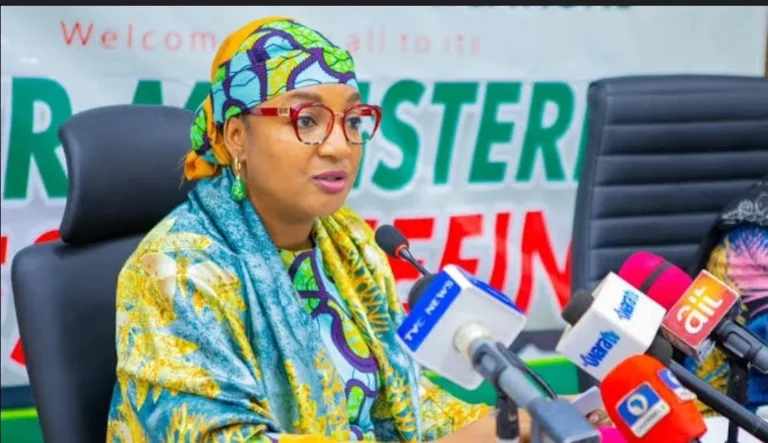
The Kwara State Government has issued a stern advisory to residents living with non-communicable diseases (NCDs), cautioning against the dangerous practice of combining prescribed pharmaceutical medications with unverified herbal remedies. This directive comes amid growing concerns from public health officials regarding the potential for adverse drug interactions, which can compromise the efficacy of clinical treatments and lead to severe, life-threatening complications.
The warning was formally delivered on Monday by the Kwara State Commissioner for Health, Dr. Amina Ahmed El-Imam, represented by the Deputy Director of Public Health, Kasali Ajao. The announcement took place during a landmark sensitization program organized by the Kwara State University Teaching Hospital (KWASUTH), Ilorin, in commemoration of the 2026 World Patient Safety Day.
The Growing Crisis of Non-Communicable Diseases
Non-communicable diseases, including hypertension, diabetes, cardiovascular conditions, cancer, and chronic respiratory ailments, represent a significant burden on the Nigerian healthcare system. Unlike infectious diseases, NCDs require consistent, long-term medical management, often involving complex pharmaceutical regimens.
According to global health data from the World Health Organization (WHO), NCDs are responsible for approximately 74% of all deaths globally. In Nigeria, the transition from infectious disease dominance to the rising prevalence of chronic conditions has strained existing infrastructure. The Kwara State initiative highlights a critical gap in patient education: the tendency for patients to seek "supplementary" relief through traditional or herbal medicines without informing their primary care physicians. This practice, often driven by cultural beliefs or the high cost of conventional medication, frequently leads to hepatotoxicity, kidney failure, and the neutralization of active drug ingredients.
Chronology of the Sensitization Initiative
The 2026 World Patient Safety Day event in Ilorin was designed as a multi-stakeholder intervention. The program brought together participants from all 16 local government areas of the state, focusing on the theme, "Safe Care for Non-Communicable Diseases," with the core slogan, "Safe Care for Life."
The event unfolded in three distinct phases:
- Policy Address: Dr. El-Imam’s representative emphasized that the state government is prioritizing patient safety as a pillar of its broader healthcare reform agenda, which includes the recruitment of qualified personnel and the standardization of hospital protocols.
- Clinical Guidance: Expert practitioners from the Family Medicine Department at KWASUTH provided technical workshops on medication adherence, demonstrating the physiological dangers of polypharmacy involving herbal mixtures.
- Public Engagement: The final segment involved a dialogue between healthcare providers and patients, addressing the socioeconomic barriers that lead individuals to seek alternatives to hospital-prescribed treatments.
Expert Insights on Medication Safety
Mgbemena Maria, the Assistant Chief Nursing Officer at the Family Medicine Department of KWASUTH, provided a detailed breakdown of why the integration of traditional medicine into modern NCD management is fraught with risk. She noted that many herbal preparations are unregulated, lacking standardized dosages, and often containing unknown chemical compounds that react unpredictably with synthetic drugs.
"Patients must understand that a prescription is a carefully calibrated chemical intervention," Mgbemena stated during the session. "When you introduce an unregulated herbal mixture, you are effectively introducing unknown variables into a delicate medical balance. This is not merely about potential side effects; it is about the total failure of the therapeutic intent."
She further urged patients to move away from the culture of self-medication. The reliance on over-the-counter drugs or anecdotal advice from peers, she argued, often masks early warning signs of disease progression, leading patients to present at hospitals only when their conditions have reached critical or emergency stages.
The Collective Responsibility Model
A significant portion of the sensitization program was dedicated to the concept of "shared responsibility." The Assistant Chief Scientific Officer of the Kwara State Ministry of Health, Olaseinde Olubukola, argued that patient safety is not the sole domain of the doctor or the nurse.
"Patient safety is a collaborative effort," Olubukola remarked. "It requires a transparent relationship where the patient feels safe to disclose every substance they are consuming, and the healthcare provider remains vigilant in asking the right questions during every consultation."
This shift in perspective is crucial for the success of long-term disease management. In many Nigerian communities, the fear of judgment often prevents patients from telling their doctors about their use of traditional remedies. The Ministry of Health’s campaign aims to foster a "no-blame" environment where patients are encouraged to be honest about their treatment habits, enabling doctors to provide safer, more comprehensive guidance.
Broader Implications for Public Health
The warning from the Kwara State Government serves as a microcosm of a larger national health challenge. Across Nigeria, the proliferation of herbal medicine stalls and unregulated "alternative" clinics has created a parallel, often dangerous, medical system. While the government acknowledges the cultural significance of traditional medicine, it insists that for chronic, life-limiting conditions, evidence-based, scientifically validated treatment must remain the primary course of action.
Economic and Social Impact
The economic implications of this issue are profound. When patients suffer complications from mixing herbal remedies with prescribed drugs, the cost of treatment often spikes as patients require emergency care, dialysis, or intensive monitoring. This places an undue burden on the already limited resources of public hospitals. Furthermore, the loss of productivity among the workforce due to preventable complications of NCDs poses a threat to local economic development.
Promoting Healthy Lifestyle Choices
Beyond the medication issue, the 2026 sensitization program also served as a platform for promoting holistic health. The experts advised residents to focus on:
- Nutritional Discipline: Emphasizing a diet low in salt, sugar, and processed fats to manage hypertension and diabetes.
- Physical Activity: Encouraging regular, age-appropriate exercise to improve cardiovascular health.
- Substance Avoidance: Highlighting the dangers of tobacco and alcohol, which are known to exacerbate chronic conditions and interfere with medication absorption.
- Mental Health Support: Recognizing the role of stress in worsening chronic diseases and encouraging family support systems.
Future Outlook and Policy Directions
The Kwara State Ministry of Health has signaled that this event is part of a sustained strategy to integrate patient safety into the daily operations of all public and private health facilities. By standardizing the patient-provider interaction, the state hopes to reduce the incidence of preventable adverse drug events.
The government’s stance suggests a forthcoming increase in public awareness campaigns, possibly extending into rural communities where access to conventional healthcare is lower and reliance on traditional remedies is higher. For the residents of Kwara, the message is clear: while the pursuit of health is a universal goal, the path to achieving it must be paved with scientific rigor and professional supervision.
As the state moves forward, the success of this initiative will likely be measured by the reduction in emergency admissions related to drug-herb interactions. By fostering a culture of informed, cooperative, and medically-supervised care, the Kwara State Government aims to ensure that those living with non-communicable diseases can lead longer, safer, and more productive lives.
In conclusion, the intersection of modern medicine and traditional practices remains a complex issue in Nigeria. However, the mandate provided by the Kwara State health authorities is a necessary step toward minimizing harm and ensuring that patients are empowered with the knowledge required to navigate their treatment journeys safely. The emphasis remains on the patient as an active partner in their own care, armed with facts and guided by the expertise of the medical community.