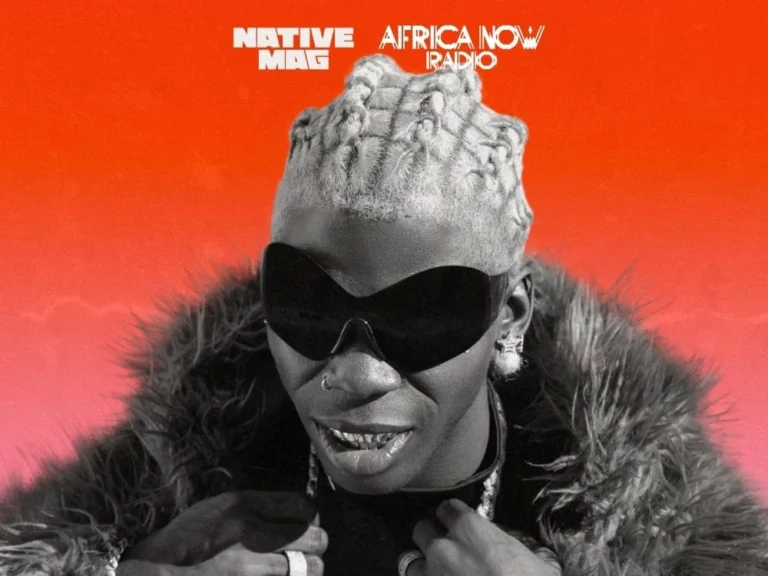
The meteoric rise of Nigerian singer-songwriter Seyi Vibez has served as one of the most compelling narratives in contemporary African music over the past half-decade. From his early, introspective explorations of street life and existential struggle in his 2021 debut project, NSNV, the artist has systematically dismantled the boundaries between indigenous street-pop and global commercial appeal. His latest studio album, SWAGUU, represents the culmination of this transition, signaling a departure from the raw, gritty origins of his sound toward a more polished, experimental aesthetic that draws from R&B, Trap, and House influences.
A Chronology of Evolution: From Ikorodu to Global Stages
To understand the weight of SWAGUU, one must look at the trajectory of Seyi Vibez’s career. Born in Ikorodu, Lagos, the artist—whose real name is Balogun Afolabi Oluwaloseyi—initially gained traction through a series of singles that resonated with the working-class demographic in Nigeria. His early work was characterized by themes of predestination and the sociological pressures of urban survival in Lagos.
By 2023, the artist had firmly established himself as a dominant force in the Afropop landscape. The year 2025 served as a pivotal turning point with the release of FUJI MOTO. This project acted as a sonic bridge, where he began to experiment with more sophisticated production techniques. Where his early work relied heavily on percussive, street-inflected rhythms, FUJI MOTO introduced a broader palette of electronic and synthetic textures. SWAGUU, released in September 2026, completes this metamorphosis, positioning Seyi Vibez not merely as a street artist, but as a global contemporary performer capable of traversing international sub-genres.
Thematic Depth and Linguistic Innovation
The album title, SWAGUU, is a deliberate linguistic subversion. The artist describes it as a local, Lagos-inflected pronunciation of "swag," serving as a marker of identity. By reclaiming the term, he centers his Lagosian heritage while simultaneously signaling an international ambition.
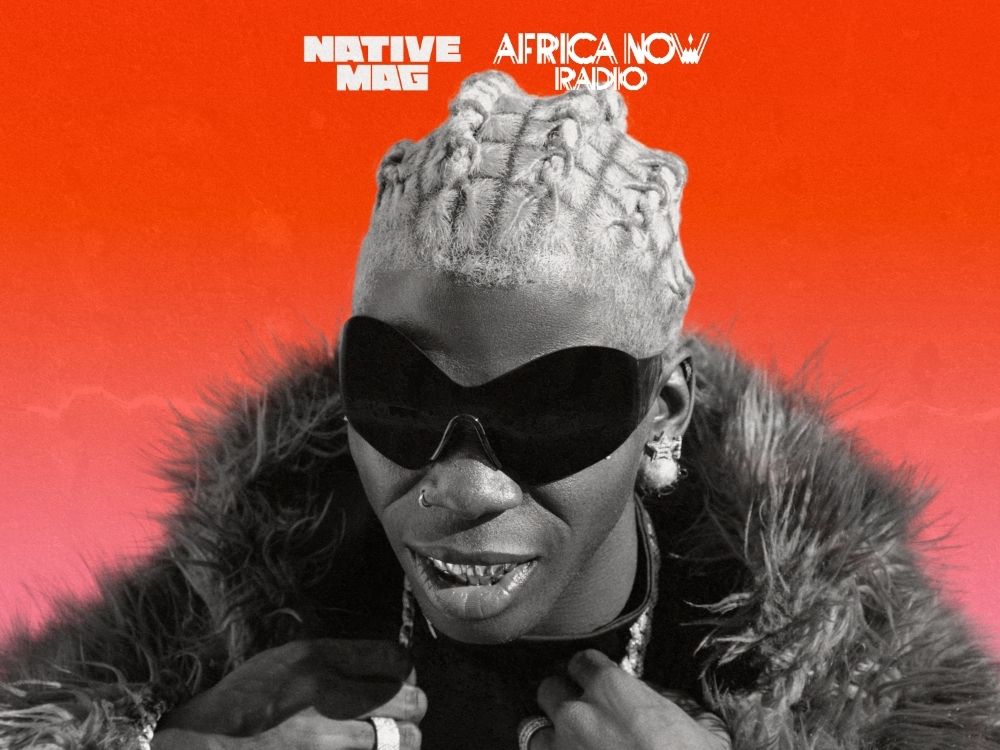
Beyond the title, the thematic substance of the album marks a significant maturation in his songwriting. Tracks such as "DIAMONDS" and "MELANIN" delve into themes of romantic vulnerability, emotional maturity, and personal longing. In his recent interview with Apple Music’s Africa Now Radio, the artist explicitly addressed this shift, noting that his transition into manhood has necessitated a more transparent approach to storytelling. "I’m a man now. I feel like my emotions are real, and I’m supposed to tell that in my story," he stated. This marks a departure from his earlier work, which often focused on the external environment rather than internal psychological states.
Sonic Landscapes and Collaborative Ambition
A notable aspect of SWAGUU is its restraint in collaboration. Despite the current industry trend of heavy feature-laden tracklists, the album boasts only one international guest: the American rapper Quavo. The collaborative effort on the title track, "SWAGUU," is not merely a commercial maneuver; it is a statement of intent. For an artist from Ikorodu to align with a figure of Quavo’s stature demonstrates the increasing permeability of the global music market for Nigerian artists.
The artist explains that this collaboration serves as a bridge between his origins and his current trajectory. By maintaining a sparse feature list, he ensures the listener remains focused on the evolution of his own sound. Furthermore, the album integrates localized concepts with global production trends. A striking example is the track "GTA," which utilizes audio cues—specifically police sirens—that function as a dual metaphor. While they evoke the chaotic, high-stakes aesthetic of the Grand Theft Auto video game series, they also provide an authentic, sonic representation of the daily environment in Lagos. The artist notes that the "Lagos noise" is not an impediment, but a defining characteristic of his creative process.
Cultural Impact: The Case of "OBLE"
The inclusion of the track "OBLE" provides an interesting case study in the power of digital-era audience participation. The term, which the artist admits has no linguistic definition, was adopted by his fanbase in 2023. Through sheer repetition and viral adoption, it evolved from a non-word into a cultural shorthand for the festive season in Nigeria. By featuring "OBLE" on the album, Seyi Vibez highlights the symbiotic relationship between creator and consumer in the digital age, where the audience often co-authors the meaning of a song.
Similarly, "ALUBARIKA" exemplifies his ability to synthesize disparate regional sounds. By blending South African Amapiano-influenced rhythms with Nigerian street-pop sensibilities, he creates a hybrid soundscape that appeals to the broader African diaspora. The term "Alubarika" (meaning good fortune) serves as an anchoring point for the album’s overarching message: that life is a celebratory, albeit challenging, journey.
Institutional Implications and Broader Market Trends
The release of SWAGUU arrives at a time when the Nigerian music industry is experiencing unprecedented global interest. Data from international streaming platforms indicates that Afropop consumption outside of the African continent has seen a year-on-year growth exceeding 30% in the last two years. Seyi Vibez’s evolution reflects this broader market shift. As Nigerian artists gain access to larger budgets and international production networks, the pressure to maintain "authenticity" while "scaling up" becomes the primary tension in their creative output.
Industry analysts suggest that the success of the SWAGUU model—defined by high-fidelity production combined with deeply localized lyrical themes—is the current gold standard for regional artists aiming to break into international markets. By maintaining his Lagosian identity while adopting the sonic polish of global pop, Seyi Vibez avoids the "dilution trap" often faced by artists transitioning to a global stage.
Conclusion: A New Milestone
The trajectory from the 2021 release of NSNV to the 2026 release of SWAGUU represents a five-year masterclass in artistic development. Seyi Vibez has navigated the complexities of fame, the demands of a changing industry, and the necessity of personal evolution with a calculated, steady hand.
While the commercial success of SWAGUU remains to be fully measured by chart performance, the cultural impact is already evident. The album is not just a collection of songs; it is a manifestation of the artist’s refined identity. He has successfully rebranded himself from a local rising star into a global-facing artist who treats his street origins as a source of power rather than a limitation. As he continues to explore these new sonic territories, the broader Afropop landscape will likely continue to look to his work as a barometer for how to balance the demands of heritage and the aspirations of global stardom.
Ultimately, SWAGUU serves as a testament to the artist’s belief that his story is one of perpetual growth. Whether through his commentary on the "noisy" nature of Lagos or his introspective reflections on his own maturation, Seyi Vibez remains committed to documenting his reality, ensuring that as he moves toward the global stage, he never fully leaves the streets that built him.