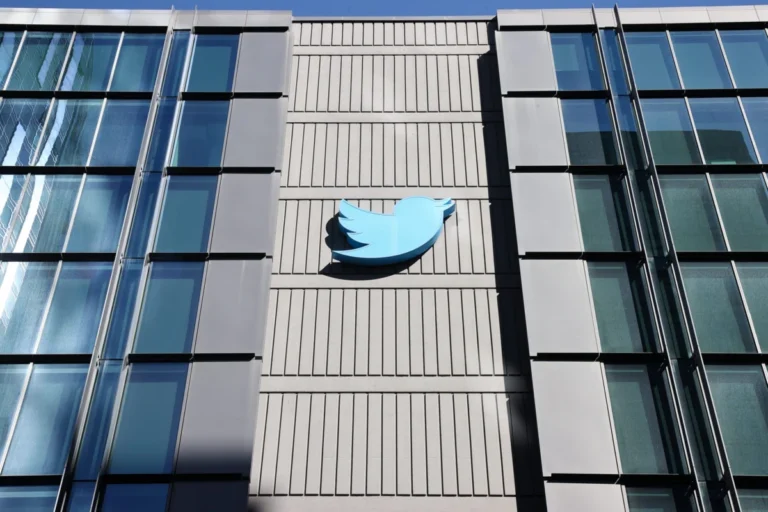
The technology sector across the African continent suffered a profound setback following the chaotic restructuring of Twitter under its new billionaire owner, Elon Musk. What was initially heralded as a historic milestone for digital democratization in April 2021—when former CEO and co-founder Jack Dorsey proudly declared that Twitter had established its first African headquarters in Accra, Ghana—has dissolved into a cautionary tale of corporate mismanagement, abrupt layoffs, and systemic oversight. Within mere days of Musk’s $44 billion acquisition, the newly minted physical office in Accra was effectively shuttered, its local workforce laid off via generic automated emails, and the promise of sustainable tech investment in West Africa reduced to a fading PR campaign.
The meteoric rise and catastrophic fall of Twitter’s African venture reflect a broader narrative of executive turnover, intense boardroom battles, and a total disregard for emerging digital markets. As international scrutiny intensifies over Musk’s sweeping operational overhauls, the handling of the Ghana office has exposed deep-seated disparities in how multinational tech corporations treat regional expansions during periods of financial crisis.
A Historic Breakthrough in Accra
On April 12, 2021, tech enthusiasts woke up to a seismic announcement on their timelines. Jack Dorsey tweeted a link to the company blog with the message: "Twitter is now present on the continent. Thank you Ghana and @NAkufoAddo. #TwitterGhana." The accompanying blog post detailed Twitter’s deliberate strategy to immerse itself in the rich, vibrant communities driving daily public discourse across Africa.
Ghana was selected over regional economic powerhouses like Nigeria due to its reputation as a champion of democracy, free speech, online freedom, and an open internet. Ghanaian President Nana Addo Dankwa Akufo-Addo immediately embraced the partnership, holding virtual discussions with Dorsey and framing the agreement as a cornerstone for the development of Ghana’s burgeoning technology sector.
For the African tech ecosystem, the announcement was transformative. It signaled that global conglomerates finally recognized the immense, untapped talent pool residing on the continent. Recruitment for the Africa team commenced swiftly, with professionals hired locally to work remotely while awaiting the formal establishment of a physical workspace. By integrating local talent into roles focused on safety, policy, and partnerships, Twitter aimed to address regional challenges with authentic, context-driven solutions. For a brief window, the partnership bridged the gap between global platforms and African voices, amplifying important regional narratives to a worldwide audience.
The Leadership Shift and Internal Turmoil
The foundation of Twitter’s Africa strategy began to shift late in 2021. On November 29, just seven months after championing the company’s move into Africa, Jack Dorsey stunned the tech world by announcing his resignation as CEO. Dorsey had faced mounting pressure from the corporate board over his dual role as chief executive of both Twitter and Block (formerly Square), with investors demanding his undivided attention.
In his departure memo, Dorsey endorsed Parag Agrawal, then-Chief Technology Officer, as his successor, praising his deep understanding of the company’s needs. Agrawal assumed leadership during a precarious economic climate characterized by slowing user growth and tightening advertising budgets. While Agrawal maintained a calm, approachable public persona—even participating in digital forums with prominent African tech advocates like Microsoft project manager Ivy Barley—he did not shy away from making difficult internal decisions.
In May 2022, Agrawal ousted high-profile executives, including consumer product leader Kayvon Beykpour and revenue general manager Bruce Falck, while simultaneously instituting a company-wide hiring freeze. However, Agrawal’s primary challenge would not stem from internal restructuring, but from the aggressive maneuvers of the world’s wealthiest individual.
The $44 Billion Acquisition Saga
On April 14, 2022, regulatory filings revealed that Elon Musk had accumulated a massive stake in Twitter and subsequently offered to take the company private for $44 billion. The hostile takeover bid was preceded by a convoluted series of negotiations, during which Musk was briefly offered a seat on Twitter’s board of directors before abruptly declining it.
As negotiations deteriorated over the spring and summer of 2022, relations between Musk and Agrawal grew increasingly hostile. Court proceedings later revealed private text message exchanges that underscored the immense friction at the top of the organization. When Musk publicly questioned whether Twitter was dying, Agrawal messaged the Tesla CEO to warn him that such rhetoric severely damaged employee morale and impaired the company’s operational efficacy. Musk dismissively responded by questioning Agrawal’s weekly output and declaring his board seat offer "a waste of time."
By July 2022, Musk attempted to unilaterally terminate the acquisition agreement, citing disputes over the precise percentage of fake accounts and automated bots on the platform. In response, Twitter filed a lawsuit in the Delaware Court of Chancery to compel Musk to complete the transaction at the agreed-upon price of $54.20 per share. Facing an imminent and legally bruising trial, Musk capitulated in October 2022, finalizing the $44 billion acquisition and immediately assuming control of the platform.
The Mass Layoffs and the Collapse in Accra
Musk’s takeover triggered an unprecedented wave of internal chaos. True to his reputation for aggressive cost-cutting, the new owner targeted half of Twitter’s approximately 7,500 global employees within his first week at the helm. On November 4, 2022, thousands of workers woke up locked out of their corporate email accounts and Slack channels, learning of their terminations via an automated email notification with the subject line "Your Role at Twitter."
Musk defended the sweeping workforce reduction by citing staggering financial losses, claiming the company was bleeding more than $4 million per day. While Musk publicly emphasized that all departing employees were offered three months of severance pay—significantly exceeding legal requirements—this safety net failed to materialize uniformly across international markets.
The situation in Accra laid bare the profound logistical and ethical failures of the transition. Ironically, just three days before the mass layoffs, Senior Partner Manager Bernard Kafui Sokpe celebrated a major milestone on LinkedIn: the official opening of Twitter’s physical Africa headquarters in Accra, marking the culmination of a successful year of remote operations.
On November 4, that celebration evaporated. Employees at the African headquarters received impersonal termination notices sent from the Director of People Services at Twitter’s Dublin office, informing them that their employment would formally terminate on December 4, 2022, following a period of garden leave. According to investigative reports by CNN and statements from former high-ranking executives, the localized severance packages promised by Musk were omitted or mishandled for the Ghanaian team, leaving local staff without standard transition support or clear off-boarding protocols.
Global Backlash and Broader Implications
The abrupt dismantling of Twitter’s African operations drew sharp rebukes from former executives and tech leaders worldwide. Alphonzo Terrell, Twitter’s former Global Head of Social & Editorial, publicly condemned the treatment of the African team on social media, directly appealing to Jack Dorsey to intervene and rectify the oversight. Lara Cohen, former Global VP of Partners & Marketing, similarly challenged Dorsey to defend his stated commitments to the continent.
Despite public appeals, the fallout exposed a troubling precedent regarding how multinational tech enterprises approach emerging markets. Analysts and industry observers argued that the initial decision to establish an African headquarters served primarily as a public relations maneuver rather than a long-term, sustainable strategic investment. When financial pressures mounted, regional operations outside of Silicon Valley were swiftly targeted for liquidation, reinforcing historical inequalities in corporate resource allocation.
Beyond the African continent, Musk’s tenure has been characterized by tumultuous policy shifts, drastic changes to content moderation protocols, advertiser boycotts, and widespread employee resignations. The hasty implementation of the paid verification system—which led to rampant corporate impersonation—further destabilized platform trust.
The collapse of Twitter’s Accra office stands as a stark illustration of the perils of sudden corporate consolidation. For the African technology sector, the episode serves as a sobering reminder of the vulnerability of regional initiatives tied to the erratic whims of foreign tech conglomerates. While local talent demonstrated exceptional capability and cultural insight during their brief tenure, the manner of their departure leaves a lasting stain on the platform’s legacy, transforming what was once hailed as a bridge to the future into a symbol of corporate abandonment.