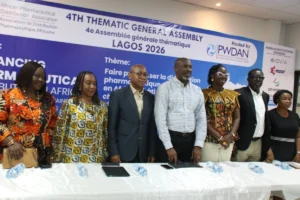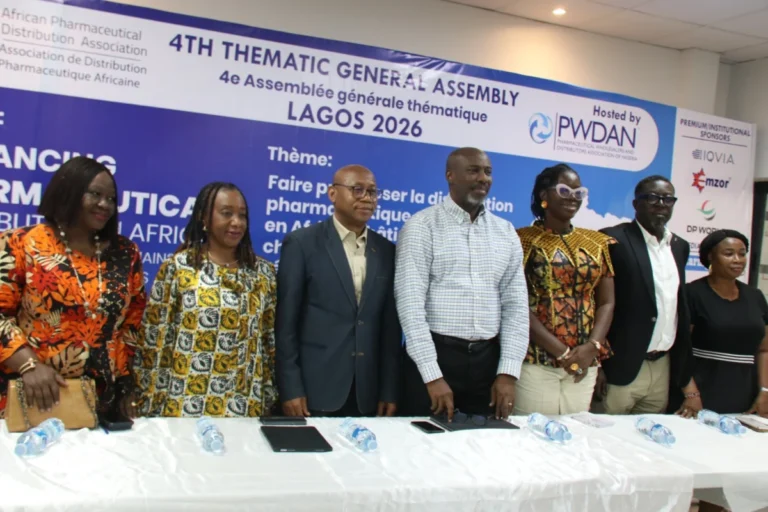
The Pharmaceutical Wholesalers and Distributors Association of Nigeria (PWDAN), in strategic partnership with the African Pharmaceutical Distributors Association (APDA), is set to host the 4th APDA Thematic General Assembly in Lagos, Nigeria, from October 6 to 8, 2026. This high-level assembly, themed "Advancing Pharmaceutical Distribution in Africa: Building Secure Supply Chains Against Falsified Medicines," arrives at a critical juncture for the continent’s healthcare sector, serving as a focal point for stakeholders to address the systemic vulnerabilities that permit the proliferation of substandard and falsified medical products.
The Regional Crisis of Falsified Medicines
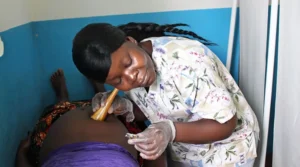
The prevalence of substandard and falsified (SF) medicines remains one of the most significant public health challenges facing the African continent. According to data from the World Health Organization (WHO), an estimated one in ten medical products in low- and middle-income countries is either substandard or falsified. The consequences of this silent pandemic are severe, leading to treatment failure, the development of drug-resistant pathogens—such as those seen in malaria and tuberculosis—and, in many instances, loss of life.
The 2026 assembly seeks to shift the discourse from identifying the problem to establishing concrete, actionable mechanisms for supply chain integrity. By bringing together participants from over 20 countries, the event aims to foster a unified regional approach, recognizing that the pharmaceutical market is inherently borderless. A failure in regulatory oversight in one nation can, through informal trade routes and porous borders, impact the safety of the entire continent’s pharmaceutical ecosystem.
Chronology and Evolution of the APDA Assembly
The APDA Thematic General Assembly has become a hallmark event for the pharmaceutical logistics and distribution sector in Africa. Following previous iterations held in other African nations, the selection of Nigeria for the fourth edition underscores the country’s pivotal role in the continental pharmaceutical trade.
- Foundation Phase: Initial efforts focused on organizing fragmented distribution networks and establishing the necessity for a pan-African voice for distributors.
- Expansion Phase: Previous assemblies successfully brought together regulatory bodies, including national drug authorities, to harmonize Good Distribution Practices (GDP).
- The 2026 Lagos Mandate: This year’s conference is designed to move beyond policy dialogue into the realm of technology-driven traceability and standardized, cross-border regulatory cooperation.
Leadership Perspective and Official Stance
During a recent press briefing in Lagos, the National Chairman of PWDAN, Pharm. Ogheneochuko Omaruaye, articulated the urgent need for a cohesive regional policy. "Africa must unite against falsified medicines," he stated. "The cross-border nature of our industry means that national silos are no longer sufficient. We need a synchronized regulatory framework where data on product authenticity is shared across borders in real-time."

Pharm. Omaruaye emphasized that while Nigeria possesses robust domestic policies, such as the New Drug Distribution Guidelines, the challenge lies in the consistency of implementation. He argued that every player in the supply chain—from the manufacturer and the importer to the final retail distributor—must be held to the same rigorous standards of accountability.
Echoing these sentiments, the immediate past Chairman of PWDAN, Pharm. Ernest Okafor, highlighted that policy alone is insufficient without the "teeth" of enforcement. He noted that the association is actively engaging with regulators to ensure that non-compliance is met with appropriate, deterrent sanctions, thereby protecting the sanctity of the medical supply chain.
Technical Standards and Operational Excellence
The role of the distributor in ensuring the quality of medicine is often overlooked, yet it is the final gatekeeper before a product reaches the patient. Pharm. Mrs. Olaide Soetan, National Secretary of PWDAN, emphasized that the association is enforcing strict compliance with international Good Distribution Practices (GDP).
"Our members are committed to maintaining the highest standards of storage and transit," Soetan stated. "This includes, but is not limited to, temperature-controlled warehousing and the implementation of advanced cold-chain solutions. The integrity of a medicine is compromised the moment it is exposed to conditions outside its stability requirements."
The assembly will dedicate specific sessions to the training of distributors on these technical requirements, aiming to professionalize the sector further and elevate it to meet global benchmarks.
The Role of Technology and Traceability
A core pillar of the 2026 assembly will be the exploration of digital solutions. Modern supply chains are increasingly reliant on track-and-trace technologies, such as serialization and blockchain, to authenticate products. The Lagos conference will host technology providers and regulatory experts to discuss the integration of these tools into the African market.

By promoting the use of unified digital platforms, the APDA hopes to make it exponentially more difficult for counterfeiters to introduce falsified products into the legitimate supply chain. The "Lagos Declaration," which is expected to be the primary outcome of the three-day event, will likely include a roadmap for regional cooperation on digital verification systems.
Broader Implications for African Healthcare
The implications of the 4th APDA Thematic General Assembly extend far beyond the pharmaceutical industry. By securing the supply chain, the assembly contributes directly to the realization of the African Union’s "Agenda 2063" goals, specifically those related to health and economic integration.
- Patient Safety: The immediate impact is the reduction of preventable morbidity and mortality linked to counterfeit drugs.
- Economic Growth: By formalizing the distribution sector, the industry creates higher-quality jobs and increases tax revenue for governments, while reducing the economic drain caused by healthcare costs associated with treating complications from fake medicines.
- Regulatory Harmonization: The event serves as a catalyst for the African Medicines Agency (AMA) to accelerate its mandate, facilitating faster approval and oversight of life-saving medicines across the continent.
Strategic Collaboration and Stakeholder Engagement
The Conference Planning Committee, led by Pharm. Adebayo Afon, has structured the assembly to be inclusive and multi-disciplinary. The event will feature a diverse array of participants, including:
- Regulatory Authorities: Representatives from National Agency for Food and Drug Administration and Control (NAFDAC) and equivalent regional bodies.
- Policy Makers: Health ministers and trade officials interested in strengthening local manufacturing and distribution.
- Healthcare Professionals: Doctors and pharmacists who provide the feedback loop necessary to identify suspected counterfeit products.
- Development Partners: International organizations such as the WHO, USAID, and the Bill & Melinda Gates Foundation, which have a vested interest in supply chain security.
Afon highlighted that this collaborative approach is essential for bridging the gap between urban centers, where regulation is easier to enforce, and rural areas, which are often the most vulnerable to illicit medical trade.
Concluding Analysis
As the 4th APDA Thematic General Assembly approaches, the focus is firmly on the "Lagos Declaration." This document is expected to serve as a blueprint for the next decade of pharmaceutical distribution in Africa. By formalizing the commitments of distributors, harmonizing the requirements of regulators, and leveraging technology to secure the journey of every pill from factory to pharmacy, the PWDAN and APDA are positioning themselves at the forefront of a continental movement.
The success of this assembly will ultimately be measured by its ability to foster long-term, cross-border partnerships that outlast the three-day event. If the momentum generated in Lagos can be sustained, it will mark a significant turning point in the fight against falsified medicines, ensuring that quality healthcare is not just a privilege for the few, but a reliable reality for all Africans. The assembly stands as a testament to the fact that when professional associations lead with accountability and vision, the potential for positive systemic change is immense.