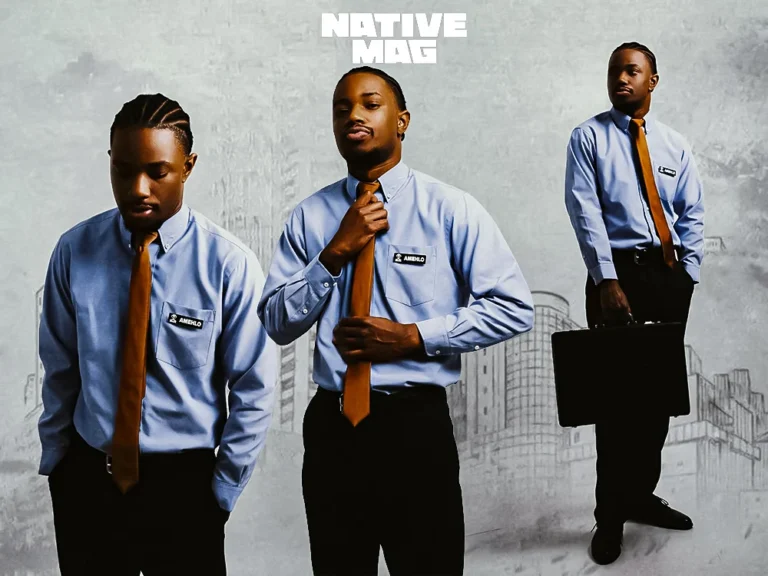
Tyson Sybateli’s sophomore album, Amehlo, represents a significant evolution in South African alternative rap, functioning as both a musical project and a sociological critique of the modern digital landscape. Translating from Zulu to "eyes," the title serves as a focal point for an album-length meditation on surveillance culture, the erosion of privacy through algorithmic manipulation, and the psychological toll of existing within a hyper-connected, yet increasingly superficial, society. By adopting the persona of an employee within the fictional "Amehlo Advertisement Agency," Sybateli constructs a dystopian narrative that invites listeners to confront the simulated environments they occupy daily.
The release of Amehlo marks a departure from the artist’s previous work, such as his identity-focused debut, Home. While Home was primarily concerned with self-discovery and the influence of one’s origins on character formation, Amehlo shifts the lens outward. It examines the mechanisms of corporate control, the constant monitoring of consumer habits, and the subsequent "numbing" effect that modern media consumption has on the collective consciousness.
Thematic Architecture and Conceptual Framework
At its core, Amehlo is an exercise in worldbuilding. Sybateli utilizes the trope of a corporate entity to satirize how technological advancement is frequently co-opted for data extraction. In an era where smart devices—ranging from household appliances to personal mirrors—are equipped with Wi-Fi and tracking capabilities, the artist posits that humanity has become both the consumer and the product. The album functions as a "temp check" on the emotional state of a generation trapped in a cycle of digital performance.
The narrative structure of the album is punctuated by intentional interruptions, specifically through segments titled "Advertisement." Rather than serving as mere filler, these tracks are designed as bespoke interventions. They simulate the experience of a user being targeted by algorithmically generated content, highlighting the irony of a system that "eats itself" by selling the user’s own data back to them. By weaving these segments into the listening experience, Sybateli forces a confrontation with the intrusive nature of contemporary advertising.
Musical Synthesis and Genre-Bending Resistance
Musically, Amehlo refuses to adhere to the conventions of traditional hip-hop. Sybateli draws from a diverse palette, blending rock, electronic, and R&B elements to create a soundscape that mirrors the volatility of the digital age. This cross-pollination of genres is not purely aesthetic; it is a deliberate act of resistance. By incorporating the anti-establishment ethos of punk and the rhythmic rebellion inherent in early Kwaito, Sybateli positions his work within a lineage of music that historically emerged from periods of intense social and political upheaval.
The album features a robust roster of collaborators, including Marcus Harvey, Buzzi Lee, TRON PYRE, Filah Lah Lah, and Thato Saul. Each artist contributes to a broader conversation about the consequences of living in a "simulated environment." For instance, on the track "Humour Me," featuring Filah Lah Lah, the isolation of the modern individual is explored with a sense of melancholic defiance. The inclusion of subtle homages to legends like Slick Rick and Jay-Z further roots the album in the traditions of hip-hop while pushing its boundaries forward.
Chronology of the Amehlo Project
The development of Amehlo followed a calculated path, moving from conceptualization to execution over several years:
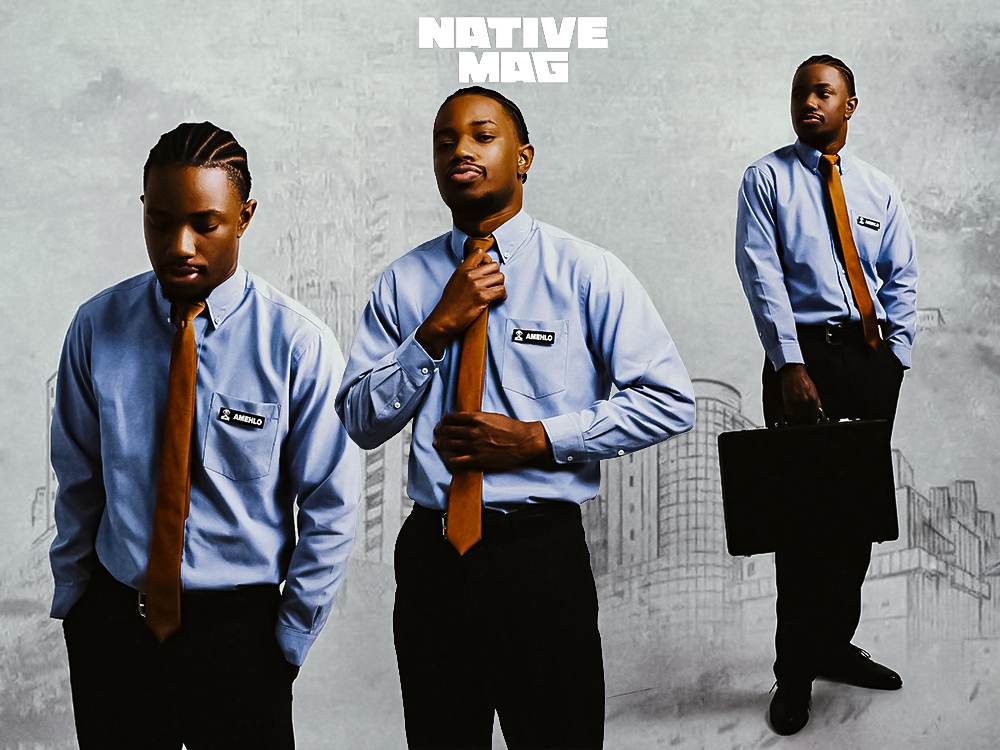
- Foundation (Post-Home Era): Following the reception of his debut album, Home, Sybateli began identifying the specific societal patterns he wished to address. He noted that his previous digital-first approach to storytelling necessitated a follow-up that critiqued the medium itself.
- The Conceptualization Phase: The idea for the "Amehlo Advertisement Agency" was born out of personal observation regarding the ubiquity of ads in everyday technology.
- The "Tease" Strategy: Before the full release, Sybateli began incorporating mock pop-up advertisements into his existing album covers on Digital Service Providers (DSPs), signaling a shift in his brand identity and preparing his audience for the upcoming narrative.
- Recording and Production: Over 14 tracks, the artist worked to balance the satire of the corporate concept with genuine emotional expression, ensuring the album remained grounded in personal experience rather than becoming a purely abstract intellectual exercise.
- Release (September 2026): The project officially launched, accompanied by visual trailers and lyric videos that reinforced the corporate-dystopian aesthetic.
Socio-Economic Commentary: Surveillance and the "Teflon" Reality
A significant portion of the album’s commentary focuses on the intersection of late-stage capitalism and the individual’s struggle to maintain autonomy. Tracks such as "No More Parties" and "The Program" address the decay of social structures, touching upon the influence of gambling, systemic surveillance, and the performative nature of political systems.
Sybateli’s perspective is not one of absolute nihilism, however. On "Teflon Cards," the artist offers a more resilient outlook. The song compares the "work access card" of a corporate employee to the "Teflon card" of life—a metaphor for the ability to navigate unfair circumstances and survive despite a lack of initial privilege. It is a non-defeatist anthem that suggests personal agency is the primary tool for overcoming the systemic barriers of the modern economy.
Industry Implications and Cultural Analysis
The release of Amehlo comes at a time when the music industry is grappling with the implications of artificial intelligence, predictive analytics, and the total commodification of the artist’s digital footprint. By choosing to frame his work as an "Advertisement," Sybateli is participating in a meta-commentary on the current state of music distribution.
Experts in the music industry note that artists like Sybateli are increasingly using their platforms to challenge the status quo. The "anti-establishment" sentiment expressed in the album echoes the frustrations of a younger generation that is acutely aware of the surveillance state. By referencing the history of Kwaito—a genre that flourished under the constraints of Apartheid—Sybateli draws a direct line between the resistance of the past and the digital alienation of the present.
The album also challenges the "flattening" effect of digital culture. In an environment where personalities are often curated to fit an algorithm, Sybateli’s commitment to intricate, non-linear storytelling is an act of defiance. He explicitly critiques the homogeneity of his peers on "New Man," stating, "Same narrative MCs on mp3s, then there’s me," emphasizing a desire to preserve the human condition through authentic narrative craft.
Conclusion
Tyson Sybateli’s Amehlo is more than an album; it is a diagnostic tool for the digital age. By forcing listeners to look through the eyes of both the observer and the observed, he provides a framework for understanding the psychological toll of constant connectivity. While the album is deeply critical of the decaying structures of modern society, it remains grounded in a fundamental faith in the potential for human renewal. As we enter a period of profound transition, Amehlo serves as a reminder that even within the most controlled and simulated environments, the art of storytelling remains a potent force for resistance and individual liberation.
The project stands as a testament to the artist’s ability to merge commercial aesthetics with subversive commentary, ensuring that while the world may be watching, the artist is also watching back.