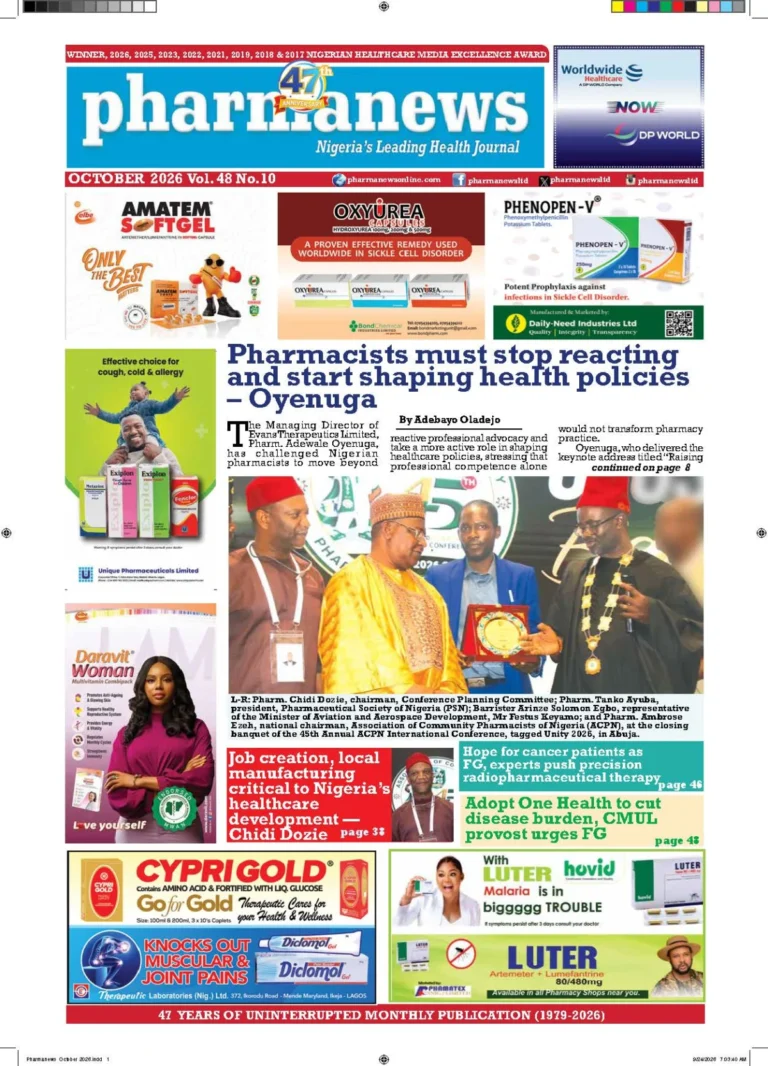
Since its inception in 1979, Pharmanews has served as a cornerstone of the Nigerian healthcare landscape, evolving from a print-centric monthly periodical into a comprehensive digital powerhouse that informs, educates, and bridges the gap between pharmaceutical manufacturers, healthcare practitioners, and the general public. As of October 2026, the organization has reaffirmed its commitment to accessibility by providing open-access digital archives of its monthly journals, spanning from 2020 to the present. This strategic move is designed to democratize access to critical medical information and industry insights that are vital for stakeholders across all 36 states of Nigeria and the broader West African region.
A Legacy of Pharmaceutical Journalism
The history of Pharmanews is inextricably linked to the professionalization of pharmacy practice in Nigeria. For over four decades, the publication has functioned as a specialized repository of knowledge, tracking the shifts in national health policy, drug regulation, and clinical advancements. By maintaining a consistent publishing schedule since 1979, it has documented the evolution of the Nigerian pharmaceutical industry through periods of significant economic and structural transition.
In the contemporary era, the publication’s digital portal, pharmanewsonline.com, has become a primary hub for healthcare professionals—including pharmacists, physicians, nurses, and laboratory scientists—to stay updated on regulatory changes and emerging therapeutic guidelines. The decision to release free PDF editions reflects an ongoing effort to ensure that evidence-based literature remains within reach of students and practitioners, regardless of their geographic location or access to physical distribution networks.
The Digital Archive: A Resource for Professionals
The current archive, which now includes the October 2026 edition, offers a chronological look at the challenges and triumphs of the Nigerian healthcare sector. By providing direct access to these files, the publication facilitates research and institutional learning.
Chronology of Digital Access
The availability of these archives allows for a granular analysis of how the industry responded to global and local crises.

- 2020–2021: These editions highlight the industry’s pivot toward pandemic management, covering the logistical challenges of drug supply chains during the COVID-19 lockdowns and the subsequent focus on local vaccine production initiatives.
- 2022–2023: During this period, the focus shifted toward economic resilience, with reports detailing the impact of currency fluctuations on the cost of essential medicines and the government’s efforts to incentivize local manufacturing.
- 2024–2026: Recent editions reflect a maturation in the sector, with increased emphasis on digital health integration, the enforcement of drug safety standards, and the push to reduce the nation’s multi-billion-naira medical tourism bill.
Data-Driven Insights and Industry Impact
The healthcare sector in Nigeria is currently valued at billions of dollars, yet it faces persistent challenges related to infrastructure and the affordability of high-quality medications. According to recent industry reports, the cost of medical tourism for the country remains a significant drain on foreign exchange, estimated at approximately N500 billion annually. Pharmanews has played a pivotal role in these discussions by acting as a platform for advocacy, often highlighting the need for increased domestic production of Active Pharmaceutical Ingredients (APIs) and the strengthening of regulatory oversight by the National Agency for Food and Drug Administration and Control (NAFDAC).
The significance of these archives extends beyond mere news; they serve as a historical record of policy debates. For example, the ongoing discourse regarding the misdiagnosis of febrile illnesses, such as treating all fever cases as malaria, has been extensively documented in recent issues. By providing open access to these professional insights, the journal encourages a more rigorous, evidence-based approach to clinical practice among primary healthcare providers.
Professional Perspectives and Industry Reactions
Healthcare leaders and professional associations have frequently lauded the role of the journal in maintaining industry standards. The editorial direction of the publication—often centered on the ethical practice of pharmacy—has contributed to the development of a more informed community of practitioners.
"The availability of these digital journals is not merely a convenience; it is a vital service to the medical community," noted a representative of a leading pharmaceutical interest group. "When practitioners have free, unhindered access to past editions, they can better understand the trajectory of health policy and the evolution of treatment protocols that have defined the last six years."
This accessibility is particularly crucial for the thousands of healthcare students currently enrolled in Nigerian universities. Access to a comprehensive archive of peer-reviewed content and industry news allows these students to contextualize their academic learning within the realities of the market, better preparing them for the challenges of the workforce.
Implications for Future Health Communication
The decision to offer the 2026 editions as free downloads comes at a time when the digital transformation of the Nigerian health sector is accelerating. As the government continues to signal a desire to curb medical tourism through improved local healthcare infrastructure, the role of information dissemination becomes even more critical.

Furthermore, the integration of digital archives ensures that the institutional knowledge of the pharmacy profession is preserved. In many developing nations, the loss of industry literature due to poor archival habits often leads to a "reinvention of the wheel." By standardizing the format and accessibility of its back issues, the organization is creating a permanent library that will benefit future generations of health professionals.
How to Utilize the Archive
The digital repository is structured for ease of use, with files categorized by year. This allows users to conduct longitudinal research or quickly locate specific articles on regulatory updates, conference reports, or clinical breakthroughs. As the publication continues to expand its reach, the inclusion of these PDFs reinforces the site’s reputation as the most circulated health periodical in the country.
Readers and researchers are encouraged to utilize these documents to support their ongoing studies and clinical practice. By maintaining this transparent and open approach, the publication ensures that it remains an essential pillar of the Nigerian healthcare ecosystem.
Conclusion
The move to provide free, high-quality digital editions of the Pharmanews Journal marks a significant milestone in the organization’s long history. As it approaches its fifth decade of operations, the focus remains firmly on the advancement of the pharmacy profession and the improvement of health outcomes for the Nigerian population. By providing free, immediate access to its most recent and past editions, the publication is not only fulfilling its journalistic duty but also contributing to the intellectual capital of the nation’s healthcare workforce.
Interested parties can access the full archive through the official website, ensuring that they remain informed on the latest trends, regulatory updates, and the ongoing efforts to transform the pharmaceutical industry into a self-sustaining and robust sector capable of meeting the diverse needs of the populace. Through consistent reporting and a commitment to accessibility, the journal continues to set the benchmark for health journalism in West Africa.