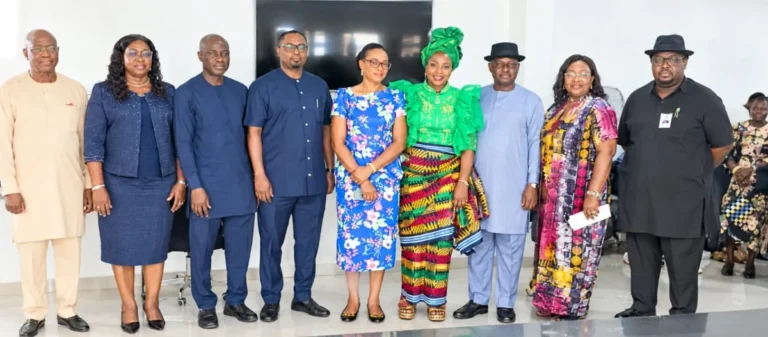
The Bayelsa State Government has officially entered a new chapter in its healthcare infrastructure development with the appointment of Dr. (Mrs.) Boboye Kenesuomene Ifie-Ombeh as the pioneer Chief Medical Director (CMD) of the newly established Bayelsa Medical University Teaching Hospital (BMUTH). This strategic move, authorized by Governor Douye Diri, marks a significant shift in the state’s approach to specialized medical training, clinical research, and the delivery of tertiary healthcare services. The appointment, set for a single five-year tenure, signals the commencement of full-scale operations for the teaching hospital, an institution designed to serve as the clinical backbone for the Bayelsa Medical University (BMU).
Alongside Dr. Ifie-Ombeh, the state government has inaugurated a comprehensive management team tasked with establishing the institutional framework for the hospital. The appointed team includes Dr. Riemann Biowe, who will serve as the Chairman of the Medical Advisory Committee (CMAC), Dr. Marie Teibowei as the Director of Administration, and Mr. Selekowei Seipulou as the Director of Finance and Accounts. These appointments were finalized in consultation with the State Ministry of Health, led by the Commissioner for Health, Hon. Seiyefa Brisibe, who has been instrumental in the planning phases of the hospital’s operationalization.
Professional Background and Leadership Profile
Dr. (Mrs.) Boboye Kenesuomene Ifie-Ombeh brings an extensive clinical and administrative background to the role of pioneer CMD. A distinguished consultant paediatrician and a Fellow of the West African College of Physicians, she has built a reputation for professional rigor and ethical leadership. Before her elevation to this landmark position, she served as the Director of Medical and Dental Services at the Bayelsa State Hospitals Management Board. Her tenure there was marked by improvements in service delivery protocols and an emphasis on staff development.
Her experience also spans the private and public healthcare sectors, including a notable stint as a consultant at the Bayelsa Specialist Hospital. Her career trajectory demonstrates a consistent focus on pediatric care, institutional policy, and clinical governance. Furthermore, her active participation in professional bodies, such as the University of Ibadan Alumni Association, underscores a commitment to interdisciplinary collaboration and academic mentorship—skills that will be critical as she transitions into the complex role of navigating the initial operational challenges of a brand-new teaching hospital.
Strategic Synergy: The BMU-BMUTH Relationship
The establishment of the teaching hospital is not an isolated event but a critical component of the broader academic and medical roadmap for Bayelsa State. The Vice-Chancellor of Bayelsa Medical University, Prof. Dimie Ogoina, has emphasized that the success of the institution is inextricably linked to the synergy between the university and the hospital. In his remarks during the inauguration, Prof. Ogoina highlighted that the teaching hospital serves as the "clinical theater" where theoretical medical education is transformed into practical, life-saving expertise.

The partnership aims to bridge the gap between academic research and clinical application. By aligning the curriculum of the BMU with the operational protocols of the BMUTH, the state intends to produce a new generation of healthcare professionals trained in the specific epidemiological context of the Niger Delta region. Prof. Ogoina specifically noted the appointment of Dr. Marie Teibowei, an ASPIRE champion at the university, as a testament to the high caliber of personnel being deployed to lead these new administrative structures.
Contextualizing the Need for Specialized Tertiary Care
The inauguration of the BMUTH management team comes at a time when Bayelsa State is intensifying its efforts to reduce medical tourism and improve local health indices. Historically, the region has faced challenges in accessing high-end tertiary medical services, often requiring residents to travel to neighboring states for complex procedures. The creation of a teaching hospital is intended to decentralize these services.
Teaching hospitals perform a tripartite function: providing high-quality patient care, conducting advanced medical research, and training the next generation of physicians. By housing the teaching hospital within the state’s medical university ecosystem, the government aims to create a hub for clinical innovation. This will likely facilitate research into prevalent local health issues, such as tropical diseases and maternal-child health challenges, which have long required specialized attention.
Operational Mandate and Future Milestones
The pioneer management team faces a significant set of immediate challenges, including the establishment of standard operating procedures (SOPs), the recruitment of core clinical staff, and the procurement of state-of-the-art medical equipment. The five-year tenure granted to the leadership provides a stable runway for these long-term institutional goals.
According to the state government’s mandate, the initial focus will be on:
- Accreditation: Ensuring the facility meets the standards set by the Medical and Dental Council of Nigeria (MDCN) and other relevant regulatory bodies to accommodate medical students.
- Clinical Integration: Harmonizing the schedules of clinical lecturers and hospital staff to ensure that students receive hands-on training without compromising the quality of patient care.
- Infrastructure Development: Overseeing the completion of specialized departments, including diagnostic centers, surgical theaters, and pediatric wards.
- Financial Sustainability: Mr. Selekowei Seipulou, as Director of Finance, will lead the implementation of systems to ensure the efficient management of the hospital’s resources and the long-term financial viability of the institution.
Broader Implications for Bayelsa State’s Healthcare System
The establishment of the BMUTH is expected to have a ripple effect on the local economy and the broader healthcare landscape of the South-South region. Beyond the provision of care, the hospital will serve as an employer of skilled labor, attracting medical consultants, pharmacists, and specialized nursing staff to the state. This influx of expertise is expected to raise the overall standard of practice in state-owned health facilities.

Furthermore, the emphasis on innovation and research means that the hospital is poised to become a center for epidemiological surveillance. In an era where global health security is a primary concern, having a research-focused teaching hospital allows the state government to respond more effectively to public health emergencies. The alignment with the university also ensures that medical students are exposed to evidence-based practices, which are essential for long-term health system resilience.
Professional Reactions and Future Outlook
The response from the medical community in Bayelsa has been largely optimistic. Professionals within the sector view the appointments as a balanced mix of administrative experience and clinical expertise. By selecting individuals with a history of service within the state’s existing boards and academic institutions, the Governor has signaled a preference for institutional continuity and local capacity.
As the management team begins its tenure, the eyes of the public and the medical fraternity will be on the initial progress of the facility. The success of the BMUTH will be measured not only by the number of patients treated but by its ability to secure national and international accreditations, its contribution to peer-reviewed medical research, and its efficacy in retaining medical talent within the state.
The appointment of Dr. Ifie-Ombeh and her team represents a pivotal investment in human capital and infrastructure. As the state moves forward, the collaboration between the hospital management, the Ministry of Health, and the Bayelsa Medical University will determine whether the institution achieves its stated goal of becoming a premier center for medical excellence in Nigeria. For now, the inauguration serves as a declaration of intent: that Bayelsa is prepared to take a leading role in the advancement of medical education and patient-centered healthcare in the 21st century.




