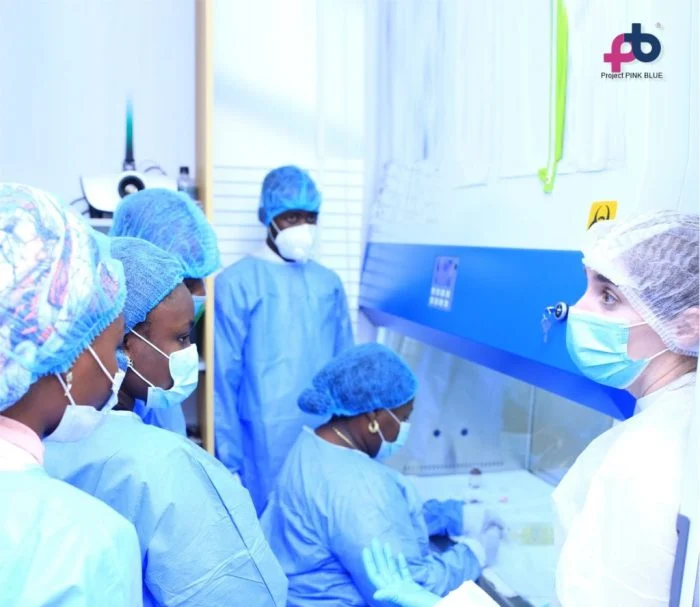
The inaugural National Scientific Conference of the Oncology Nurses Association of Nigeria (ONAN) recently convened in a landmark effort to address the widening gap in specialized cancer care across the country. Held under the theme, "Advancing Excellence in Oncology Nursing Practice across the Cancer Care Continuum," the event served as a critical platform for discussing the systemic challenges, professional requirements, and future policy trajectory of cancer management in Nigeria.
The Role of Oncology Nursing in National Health Policy
During the opening ceremony, Dr. Iziaq Salako, represented by Dr. Uchechukwu Nwokwu—the National Coordinator of the National Cancer Control and Nuclear Medicine Programme—emphasized that the fight against cancer cannot be viewed as the sole responsibility of policymakers. Instead, he argued that the complexity of the disease necessitates a multidisciplinary approach where oncology nurses are embedded into the heart of decision-making processes.
"The policy space is for every one of us. It is not owned by the Minister of Health," Dr. Salako stated, highlighting that nurses, as the frontline of the healthcare system, possess an intimate understanding of patient needs that is often overlooked in top-down policy formulation. By involving nurses in the development and implementation of health policies, the government aims to bridge the gap between clinical reality and administrative goals. The Ministry has expressed a formal commitment to elevating the professional status of oncology nurses, ensuring they receive the necessary training and organizational support to function at their full capacity.
Chronology and Context: The State of Cancer Care in Nigeria
The conference marks a significant evolution in Nigeria’s oncology nursing sector. For years, the profession has operated in a fragmented manner, with many practitioners working in isolation within hospitals that lack standardized oncological protocols.
- Historical Context: Historically, cancer care in Nigeria has been tertiary-focused, with limited resources allocated to early detection and screening at the primary healthcare (PHC) level.
- Current Developments: The formation of ONAN as a distinct professional body represents a shift toward formalizing the specialty. The inaugural conference was designed to address the full spectrum of care: from primary prevention and early diagnosis to the intricacies of chemotherapy, radiation, survivorship, and palliative care.
- The Current Burden: Data from the Global Cancer Observatory (GLOBOCAN) suggests that Nigeria continues to face a high incidence of breast, cervical, and prostate cancers. The lack of qualified oncology nurses—a critical component of the multidisciplinary team—remains a major bottleneck in providing effective treatment for these conditions.
Supporting Data and Systemic Gaps
The Nigerian Cancer Society (NCS), led by Professor Abidemi Omonisi, has raised alarms regarding the severe shortage of specialized nursing staff. According to Prof. Omonisi, many hospitals currently rely on generalist nurses or staff seconded to cancer units without the required specialized certification.
"Where there is no qualified oncology nurse, that position is effectively vacant," Prof. Omonisi noted. The implications of this are dire: oncology nursing is not merely an extension of general nursing; it involves the handling of hazardous cytotoxic drugs, the management of complex infusion protocols, and the provision of psychological support for patients facing terminal diagnoses.
Furthermore, the lack of data-driven resource allocation means that many facilities remain under-equipped. A significant portion of the workforce lacks access to regular, formal training in modern oncological practices, which limits the country’s ability to keep pace with global advancements in cancer therapy.

Occupational Safety and Working Conditions
A primary focus of the conference was the advocacy for better workplace safety standards. Siraju Marafa, President of ONAN, highlighted that many nurses are regularly exposed to radiation and cytotoxic substances without adequate personal protective equipment (PPE) or safe handling systems.
"We are asking the government to partner with us to make our workplaces safer," Marafa stated. The call for reform includes:
- Safety Infrastructure: Implementation of closed-system drug transfer devices (CSTDs) to minimize exposure to hazardous drugs.
- Specialized Training: A national framework for oncology certification that is recognized globally, allowing for skill transfer and international collaboration.
- Incentive Structures: The introduction of special duty allowances or career progression incentives to encourage more nursing students to specialize in oncology.
Patient Perspectives: The Human Element
The conference also provided a platform for survivors to speak on the impact of nursing care. Yemisi Daodu, a 25-year-old colon cancer survivor, shared her experience, emphasizing that the technical aspect of oncology is only half the battle. The emotional support provided by nursing staff was cited as a major factor in her adherence to a grueling treatment regimen.
"She gave me all the confidence that I should not worry; it will be better," Daodu said. Her testimony underscores the necessity of having highly trained nurses who can manage both the physical side effects of chemotherapy and the psychological trauma of a cancer diagnosis. For many patients, the nurse is the primary point of contact, acting as a translator for complex medical terminology and a source of stability during treatment cycles.
Future Implications and Policy Directions
The discourse at the conference indicates a pivotal shift in how Nigeria approaches its cancer care strategy. By transitioning from a physician-led model to a truly multidisciplinary framework, the government aims to:
- Improve Early Detection: By empowering nurses at the primary healthcare level to conduct screenings, the country could potentially catch cancers at earlier, more treatable stages.
- Standardize Care: With a unified association like ONAN, it becomes possible to set national standards for nursing protocols, ensuring that a patient in a rural clinic receives care comparable to one in a top-tier teaching hospital.
- Reduce Brain Drain: By providing professional recognition, specialized training, and better safety equipment, the government hopes to retain highly skilled nursing professionals within the country.
Analysis of the Multidisciplinary Challenge
The success of these initiatives rests on the willingness of the Federal Ministry of Health to follow through on its promises. While the call for inclusion in policy is a positive step, structural barriers—such as bureaucratic hurdles in the civil service and limited funding for specialized education—must be dismantled.
The integration of oncology nursing into the national strategy is not just a matter of labor rights; it is a clinical necessity. Evidence from oncology departments globally shows that patient outcomes—including survival rates and quality of life—are directly correlated with the ratio of specialized oncology nurses to patients. As Nigeria continues to grapple with the rising burden of non-communicable diseases, the professionalization of the oncology nursing workforce will serve as a bellwether for the country’s progress in cancer control.
The conference concluded with a collective resolution from stakeholders to foster stronger partnerships between the public sector, the private sector, and nursing associations. By moving toward a more collaborative and evidence-based practice, Nigeria is taking a necessary step toward narrowing the survival gap for thousands of cancer patients across the nation. The ongoing commitment of bodies like ONAN, supported by the policy-making influence of the Ministry of Health, will be the determining factor in whether these goals move from the conference floor to the hospital bedside.