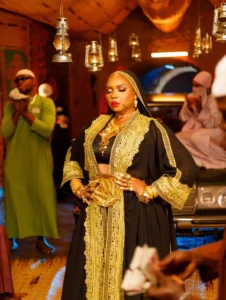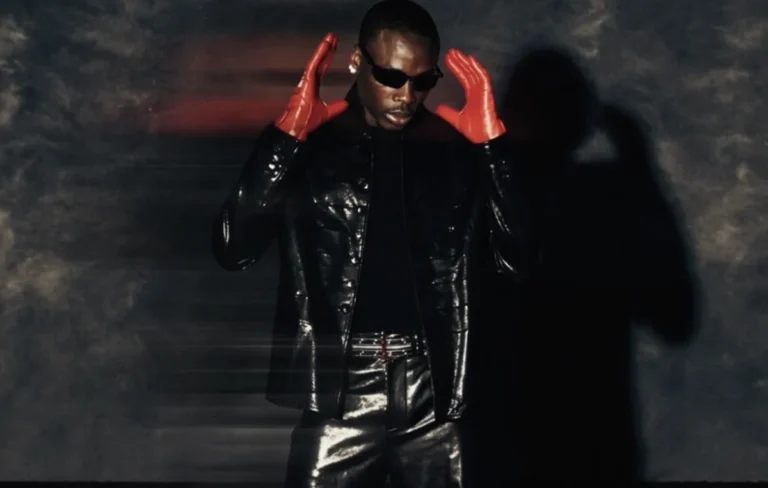
The Nigerian music landscape has witnessed a significant milestone with the release of Fireboy DML’s fifth studio album, titled ZUKO!. Following a period of strategic silence and meticulous production, the YBNL Nation star has delivered a 13-track project that marks a stylistic pivot for the artist. Known for his "Afro-Life" signature, Fireboy DML—born Adedamola Adefolahan—has integrated a sophisticated blend of Jamaican dancehall rhythms and South African amapiano influences, signaling a broader attempt to consolidate his position within the global music market.
Among the project’s most noteworthy entries is the seventh track, "One Man Regiment," a song that encapsulates the thematic core of the album: resilience in the face of hyper-competitive industry standards. The track serves as a personal manifesto, reflecting on the artist’s rise from the grassroots of Lagos to international acclaim, while addressing the inevitable skepticism and professional hurdles that accompany rapid success.
The Evolution of Fireboy DML: A Chronological Overview
Fireboy DML’s trajectory since his 2019 debut has been defined by a consistent, albeit evolving, sound. His career began in earnest with the release of Laughter, Tears & Goosebumps (2019), an album that solidified his reputation as a master of melody and storytelling. This was followed by Apollo (2020), a more introspective project that explored the pressures of fame and the nuances of human connection.
In 2021, the release of "Peru" served as a global catalyst for his career, particularly following the high-profile remix featuring Ed Sheeran. The track’s success necessitated a shift in the artist’s creative direction, leading to his third studio album, Playboy (2022). By this stage, Fireboy DML had moved away from the softer, emotive ballads of his debut toward more rhythmic, dance-floor-oriented compositions.
The 2023–2024 period was characterized by a consolidation of his sound, featuring strategic collaborations and a focus on expanding his reach across the African continent and into the Caribbean and European markets. The release of ZUKO! in late 2026 represents the culmination of this period, characterized by a more robust, mature vocal delivery and a willingness to experiment with percussion-heavy arrangements.
Analytical Breakdown of One Man Regiment
"One Man Regiment" functions as the ideological anchor of ZUKO!. Lyrically, the song navigates the psychological terrain of an artist who has become accustomed to isolation at the pinnacle of his field. The phrase "One Man Regiment" is used metaphorically to describe the self-sufficiency required to navigate the complexities of the Lagos entertainment industry—a sector notoriously known for its volatile nature.
The song’s lyrical content highlights:
- The Marathon Mentality: Fireboy explicitly distances himself from the "sprint" culture of contemporary pop, opting for a sustainable, long-term approach to his career.
- Industry Cynicism: The lyrics address the "hundred percent" effort put into maintaining relationships, only to be met with consistent scrutiny or "matters" from industry detractors.
- Spiritual Foundation: Much like his previous works, the artist grounds his professional triumphs in a spiritual framework, referencing "Oluwa" (God) as his ultimate source of guidance.
From a production standpoint, the track utilizes a mid-tempo beat that allows the narrative elements to take precedence. The integration of dancehall-inspired basslines provides an urgency that contrasts with the artist’s calm, calculated vocal delivery.
Market Implications and Regional Influence
The release of ZUKO! arrives at a time when Afrobeats is experiencing a period of intense global scrutiny and evolution. According to recent data from industry analysts, the genre has seen a year-over-year growth rate of approximately 20% in international streaming consumption, driven largely by artists like Fireboy DML who are diversifying their soundscapes.
By incorporating South African and Jamaican sonic elements, Fireboy DML is positioning ZUKO! to appeal to a wider demographic of listeners outside of Nigeria. This "cross-pollination" of sounds is a growing trend among top-tier Nigerian artists, intended to reduce the risk of creative stagnation and to tap into the burgeoning market for cross-cultural musical fusion.
Industry observers suggest that ZUKO! could serve as a blueprint for the next phase of the "Afrobeats 2.0" movement, where regional borders in sound become increasingly fluid. The album’s 13-track structure is also indicative of a preference for concise, high-quality projects over the "streaming-bait" bloated tracklists that have become common in the post-2020 era.
Official Reactions and Industry Reception
While official statements from the YBNL Nation camp have been minimal—maintaining the artist’s tradition of allowing the music to speak for itself—early responses from critics have noted the technical maturity displayed across the album.
"The growth is undeniable," notes one independent music journalist. "In ‘One Man Regiment,’ Fireboy moves away from the romantic tropes that made him famous and addresses the cold reality of the business of music. It is a more guarded, focused, and aggressive sound."
The track has already gained traction on social media platforms, with fans highlighting the "Buffalo Soldier" reference as a testament to the artist’s endurance. The sentiment among the listener base suggests that the album is being received as a definitive "comeback" of sorts, reinforcing the artist’s commitment to his craft despite the pressures of a fickle public.
The Broader Impact on the Lagos Entertainment Scene
Lagos serves as more than just a setting for Fireboy DML’s lyrics; it is a character in his narrative. The city, which serves as the hub for the Nigerian music industry, is characterized by intense competition and a rapid turnover of talent. "One Man Regiment" provides an unfiltered look at the challenges of maintaining success in this environment.
The song’s mention of "Wetin my eyes don see for this Lagos" hints at the undocumented struggles of the artist—the sacrifices, the missed opportunities, and the betrayal that are rarely visible from the perspective of the audience. By articulating these experiences, Fireboy DML is contributing to a growing body of work by Nigerian artists who are beginning to demystify the "glamour" of fame.
Conclusion: A Legacy in the Making
The release of ZUKO! is a strategic maneuver that reinforces Fireboy DML’s position as a serious contender in the global arena. Through tracks like "One Man Regiment," he demonstrates that he is not merely a pop star focused on commercial success, but a songwriter committed to documenting his evolution.
As the industry continues to evolve, the ability to synthesize global sounds while maintaining a distinct, localized identity—as Fireboy has done with this project—will be the deciding factor for longevity. With ZUKO!, Fireboy DML has not only provided his audience with new music but has also set a high bar for thematic consistency and artistic experimentation. The project serves as a reminder that in an industry that demands constant reinvention, the most successful artists are those who remain anchored in their purpose, effectively operating as their own "one-man regiments" in the pursuit of lasting musical significance.
As the album continues to circulate across streaming platforms, the focus will now shift to the potential for a supporting tour and the long-term chart performance of individual tracks. Given the current trajectory of his career and the reception of this latest project, it is evident that Fireboy DML remains one of the most vital voices in contemporary African music, capable of navigating the complex intersections of identity, success, and the relentless demands of the modern music business.