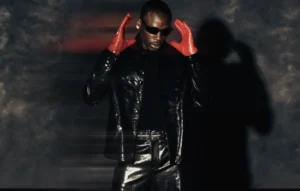
The intersection of modern youth culture and traditional African rhythms has yielded some of the most compelling musical expressions of the decade, a phenomenon powerfully underscored by rising artist Cojo Rae in his track Kasapa (Hating). Featured prominently on the critically discussed compilation project Gen Z Highlife album, the song delves deep into the psychological and social complexities of success, public scrutiny, and the ubiquitous presence of envy in communal spaces. As contemporary African music continues to capture global attention, tracks like Kasapa (Hating) offer a localized yet universally relatable lens through which the triumphs and tribulations of upward mobility are examined.
To fully understand the cultural resonance of the track, one must examine the linguistic roots of its title. In the Akan language, widely spoken in Ghana and parts of West Africa, the term "Kasa" translates directly to "speech" or "to talk." By contextualizing this within the thematic bracket of "hating," the title morphs into a poignant commentary on malicious gossip, side comments, backhanded congratulations, and the verbal barbs frequently directed at individuals experiencing personal or professional advancement. This phenomenon—where a community member struggles to acknowledge a neighbor’s milestone without injecting a complaint or a cynical caveat—is a cross-cultural reality that transcends geographical borders.
Within the broader West African socio-cultural landscape, the concept of the "hater" has evolved into a prominent fixture of modern lexicon, particularly in vibrant nations like Nigeria and Ghana. Whether an individual is launching a new enterprise, purchasing a first automobile, celebrating an academic milestone, or simply sharing a celebratory photograph on digital platforms, the encounter with skepticism and unsolicited negativity is almost guaranteed. Kasapa (Hating) functions musically as an anthem of defiance, capturing the exact moment an ambitious individual decides to shrug off the ambient noise of detractors and maintain forward momentum.
The psychological mechanics of dealing with public envy often rely heavily on attitude and self-possession. Cojo Rae captures this dynamic effortlessly, illustrating how public success inevitably acts as a litmus test for authentic relationships. When associates or acquaintances react defensively or mockingly to an individual’s newfound prosperity—such as laughing off an achievement or trivializing a new possession—the underlying insecurities of the detractors are swiftly exposed. This thematic exploration transforms the track from a mere grievance into an empowering soundtrack suitable for confident weekends, celebratory milestones, and personal victories.
Background Context and the Rise of Gen Z Highlife
The emergence of Kasapa (Hating) cannot be separated from the broader renaissance currently sweeping through the Highlife genre. Traditionally recognized as the foundational guitar-band music originating from Ghana in the early 20th century, Highlife laid the groundwork for contemporary Afrobeats and high-energy dance genres across West Africa. In recent years, a new generation of musicians—often categorized under the loose banner of Gen Z creators—has taken it upon themselves to revitalize the genre. These artists are infusing classic Highlife instrumentation, percussion patterns, and storytelling traditions with modern production techniques, hip-hop cadences, and contemporary lyrical themes.
The Gen Z Highlife album project was conceived as a bridge between generations, designed to reintroduce the nostalgic warmth of traditional West African sounds to a younger, digitally native audience while addressing modern societal pressures. Within this conceptual framework, Cojo Rae’s contribution stands out for its sharp lyrical observation. Rather than focusing solely on romance or nightlife—common tropes in commercial African pop music—Kasapa (Hating) pivots toward sociology and interpersonal dynamics, documenting the psychological toll of visibility in tight-knit communities and digital ecosystems alike.
Musicologists and cultural analysts note that the modern music industry in West Africa has experienced an unprecedented surge in global connectivity over the past decade. With the rapid expansion of digital streaming platforms, social media penetration, and international collaborations, rising artists find themselves thrust onto a global stage almost overnight. This sudden visibility often magnifies the pressure experienced by young creators, making tracks that address internal community skepticism and external envy profoundly relevant.
Chronology of Release and Digital Distribution
The rollout of Kasapa (Hating) followed a meticulously planned digital strategy typical of contemporary independent and major-label releases in the global music market.
Phase one of the release strategy involved preliminary promotional teasers distributed across prominent African music blogs and social media networks. By leveraging short-form video content on platforms such as TikTok and Instagram, the distribution team behind the Gen Z Highlife album generated organic anticipation for the track weeks prior to its official streaming debut. This grassroots approach allowed listeners to connect with the underlying message of resilience before engaging with the full audio production.

Phase two marked the official drop of the album across major international and regional digital service providers, including Spotify, Apple Music, YouTube Music, and localized streaming ecosystems. Accompanying the audio release, strategic visual content—including lyric videos and high-definition streaming availability on YouTube—ensured maximum accessibility for fans across different time zones. The integration of high-visibility video links into digital press features has since become a standard industry practice, allowing audiences to experience the track instantaneously while reading critical breakdowns of its themes.
Industry data analytics from early streaming periods indicate a steady upward trajectory in listener engagement for tracks emphasizing relatable social commentaries. While exact commercial charting data for niche compilation tracks fluctuates, the continuous stream of user-generated content utilizing audio snippets from Kasapa (Hating) highlights its organic traction among youth demographics who frequently navigate the complexities of social media visibility and peer rivalry.
Cultural Implications and Sociological Analysis
The resonance of Kasapa (Hating) extends far beyond the confines of standard entertainment journalism, touching upon key sociological discussions regarding modern ambition, community accountability, and mental fortitude. In many developing economies across Sub-Saharan Africa, individual success is rarely viewed in isolation; it is frequently interpreted through a communal lens. While this communal structure fosters strong support systems, it can simultaneously generate intense pressure to conform, occasionally breeding resentment toward those who break out of traditional socioeconomic brackets.
By addressing this tension head-on, Cojo Rae provides an artistic outlet for listeners who have experienced the alienation that often accompanies achievement. Sociologists specializing in youth culture in West Africa suggest that music serving as a psychological buffer against cynicism plays a vital role in youth empowerment. When popular culture validates the existence of detractors—referring to them candidly rather than ignoring them—it de-escalates the emotional impact of negativity, enabling ambitious individuals to maintain their focus on personal and professional development.
Furthermore, the linguistic blend utilized in the track—incorporating Akan terminology into a modern musical arrangement—reinforces the cultural preservation efforts currently championed by Gen Z artists. By keeping indigenous languages relevant within contemporary global pop culture, these creators ensure that traditional communicative nuances, such as the metaphorical weight of words like "Kasa," are preserved and transmitted to international audiences.
Industry Reception and Fan Engagement
Since its introduction to the public, the track has garnered favorable discussions among music reviewers, cultural commentators, and dedicated fans of the Gen Z Highlife movement. Reviewers have frequently praised the seamless integration of classic rhythmic elements with sharp, observant lyricism. Rather than relying on overt aggression or bitterness, the delivery maintains a cool, collected demeanor, mirroring the song’s core message: true confidence requires no validation from detractors.
On digital platforms, listener reactions have underscored the universality of the theme. Comments across streaming and video distribution networks frequently highlight personal anecdotes of individuals overcoming peer skepticism, professional sabotage, or family doubt. This participatory engagement transforms the listening experience from a passive consumption activity into an interactive community validation exercise, where fans share their own stories of triumph over cynicism.
The visual component accompanying the track on YouTube has likewise served as a primary hub for community interaction. By offering a direct visual and auditory portal to the song, digital aggregators have facilitated a continuous loop of discovery for new listeners stumbling upon the Gen Z Highlife album for the first time.
Broader Impact on the Gen Z Highlife Movement
The sustained interest in Kasapa (Hating) highlights the viability and long-term potential of the Gen Z Highlife movement as a major force in contemporary African music. As listeners increasingly seek out music that combines rhythmic sophistication with substantive, real-world storytelling, artists who address complex human emotions are positioned to capture lasting cultural mindshare.
Cojo Rae’s contribution to the project demonstrates that traditional genres like Highlife are far from static museum pieces; they are dynamic, evolving art forms capable of speaking directly to the anxieties, ambitions, and triumphs of the modern digital generation. By turning the spotlight onto the quiet whispers of envy and transforming them into a rhythm of resilience, Kasapa (Hating) secures its place as a notable milestone within the ongoing evolution of African popular music, leaving listeners equipped to face the noise of the world with unyielding poise.