The historic stadium, a cauldron of noise and anticipation, served as the backdrop for a match that carried significant weight in the race for the Spanish title. Barcelona entered the contest on Matchday 10 with a perfect record—nine wins from nine matches—and held a comfortable cushion at the top of the standings. However, the tactical discipline displayed by Real Madrid ensured that the Catalan giants’ flawless domestic campaign was brought to a sudden, jarring halt.
A Tactical Battle at Camp Nou
From the opening whistle, the intensity was palpable. Barcelona sought to impose their trademark possession-based style, while Real Madrid adopted a more pragmatic, counter-attacking approach designed to exploit the space behind the home side’s high defensive line.
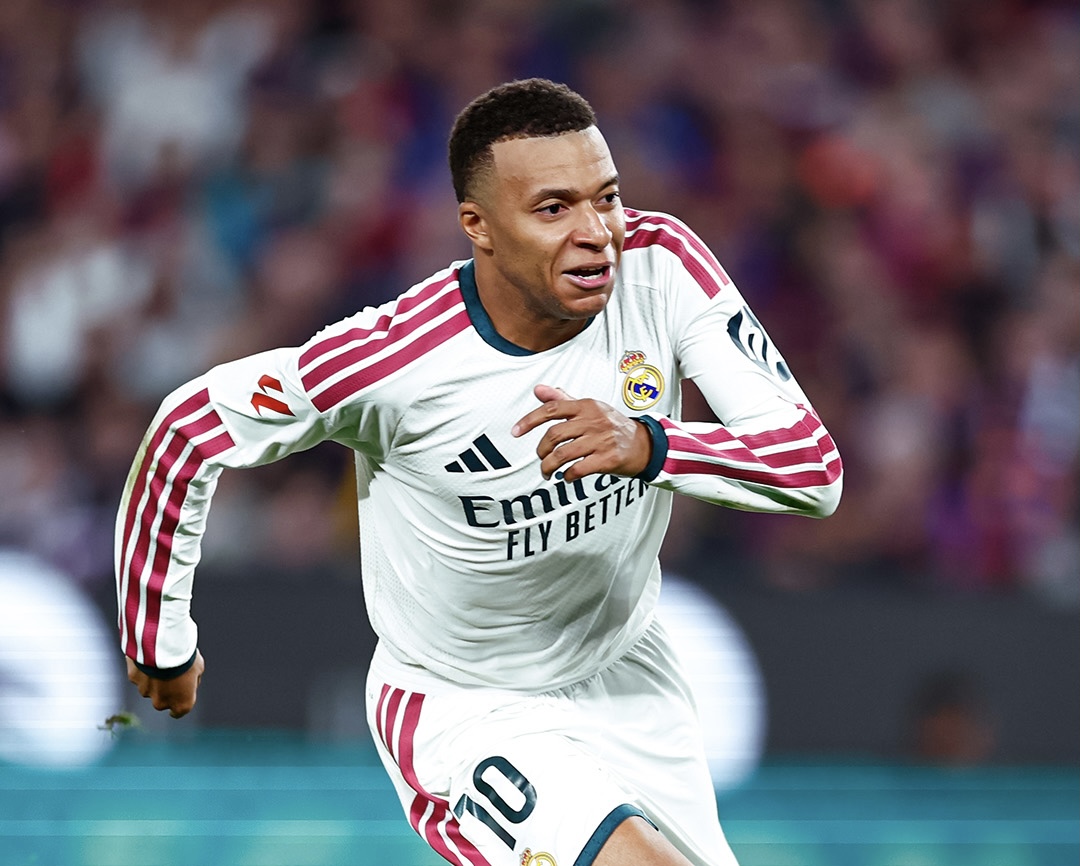
The breakthrough came in the 41st minute, altering the complexion of the match. Kylian Mbappe, often the focal point of Real Madrid’s offensive maneuvers, found himself in the right place at the right time. A chaotic scramble in the Barcelona penalty area saw a defensive clearance strike the French forward, with the deflection wrong-footing the goalkeeper and trickling into the net. It was a stroke of fortune, but one earned through persistent pressure and positioning.
As the second half commenced, Barcelona manager Hansi Flick recalibrated his side’s movement. The equalizer arrived in the 61st minute, rewarding the hosts for their renewed vigor. Raphinha, who has been in scintillating form throughout the opening months of the season, capped off a beautiful sequence of play. The goal involved a series of rapid, intricate passes that dismantled the Madrid defense, allowing the Brazilian winger to slot home and reignite the home crowd’s fervor.
The Decisive Moment
With the score level at 1-1, the game entered a high-stakes final phase. Both managers turned to their benches to inject fresh energy into their squads. Real Madrid’s strategy of utilizing wide areas proved to be the difference-maker. In the 87th minute, Eduardo Camavinga, having surged down the left flank, delivered a pinpoint cut-back from the byline. Mbappe, displaying the predatory instincts that have defined his career, hammered the ball into an unguarded net. The late goal silenced the Camp Nou faithful and secured a crucial three points for the visitors.
Chronology of a Classic
The 2024/25 La Liga season has been defined by the contrasting trajectories of Spain’s two biggest clubs. To understand the gravity of Sunday’s result, one must look at the timeline of events leading up to this fixture:
- Pre-Match Context: Barcelona’s nine-game winning streak had established them as the early favorites for the league title. The anticipation was compounded by the proximity of the Ballon d’Or ceremony, with many analysts debating whether Mbappe’s performances warranted the top individual accolade.
- First Half (0-45′): Barcelona dominated ball possession, but Real Madrid’s defensive structure remained largely unbreached until the stroke of halftime.
- The Breakthrough (41′): Mbappe opens the scoring.
- The Response (61′): Raphinha levels the score after a sustained period of Barcelona pressure.
- The Climax (87′): Camavinga provides the assist for Mbappe’s second, sealing the 2-1 victory.
- Post-Match Status: Real Madrid climbs to 24 points, narrowing the gap with Barcelona to a mere three points, effectively turning a runaway season into a genuine title race.
Supporting Data and Statistical Analysis
The statistical breakdown of the match highlights the efficiency of Real Madrid’s attack compared to Barcelona’s volume of play. Despite Barcelona commanding nearly 62% of possession, their expected goals (xG) were undermined by Madrid’s clinical finishing.
Real Madrid’s defensive transition was particularly effective. Throughout the 90 minutes, the visitors recorded 14 successful tackles and forced Barcelona into 12 turnovers in the middle third of the pitch. Mbappe’s brace takes his tally for the domestic season to double figures, cementing his role as the primary engine of Real Madrid’s offensive production.
For Barcelona, the loss marks the first time in the current campaign that their defensive line, which had previously conceded only four goals in nine matches, looked vulnerable to quick, vertical transitions. The match served as a stark reminder of the defensive fragility that can occur when playing an extremely high defensive line against elite-level pace.
Reactions and Official Perspectives
While post-match press conferences often feature diplomatic platitudes, the gravity of the result was evident in the demeanor of both camps. Barcelona manager Hansi Flick emphasized the team’s need for better concentration in the final minutes of play, noting that the goal conceded in the 87th minute was the result of a "momentary lapse in defensive organization."
In the Real Madrid dressing room, the atmosphere was one of calculated satisfaction. The club’s hierarchy has long maintained that the integration of a marquee signing like Mbappe would take time, but Sunday’s performance suggests that the adjustment period is concluding. Sources close to the club indicate that the victory was viewed not just as three points, but as a psychological turning point in the season.
The Broader Implications for La Liga
The ripple effects of this result extend far beyond the immediate league table. By ending Barcelona’s unbeaten run, Real Madrid has effectively breathed new life into the 2024/25 La Liga season. A potential nine-point gap would have been difficult to overcome, but a three-point deficit is a manageable hurdle for a squad with Madrid’s championship pedigree.
Furthermore, the match highlighted the deepening rivalry between the two sides’ emerging stars. With the Ballon d’Or ceremony approaching, the narrative surrounding Mbappe’s impact on Spanish football has intensified. His ability to deliver in high-pressure environments, particularly within the confines of the Camp Nou, reinforces his standing as one of the preeminent figures in world football.
From a commercial and broadcast perspective, the drama of this El Clasico confirms that the fixture remains the most significant sporting event in the Spanish calendar. The viewership numbers, which are expected to shatter records for the current season, underscore the global fascination with the Madrid-Barcelona dynamic.
Looking Ahead
As the league moves into the second quarter of the season, both teams face immediate challenges. Barcelona must recover quickly to maintain their momentum and prevent a slide, while Real Madrid faces the pressure of sustaining their current form to bridge the remaining three-point gap.
The tactical evolution of both teams will be a primary point of interest in the coming weeks. For Barcelona, the question remains whether they will adjust their high-line defensive strategy to mitigate the risk of counter-attacks against teams with elite speed. For Real Madrid, the focus will be on maintaining the consistency that has often eluded them in the early stages of previous campaigns.
Ultimately, Sunday’s El Clasico was a reminder of why the rivalry remains at the apex of global football. It was a contest of technical proficiency, tactical adjustments, and individual brilliance, culminating in a result that has reset the landscape of the Spanish domestic competition. The path to the title is now wide open, and the remainder of the season promises to be a grueling test of endurance, strategy, and mental fortitude for both Barcelona and Real Madrid. The victory for the visitors, orchestrated by the dual strikes of Kylian Mbappe, will be analyzed in the halls of the Bernabéu and the offices of the Camp Nou for months to come.