The contemporary African music landscape continues to exert global influence, driven by strategic cross-border collaborations, high-concept visual storytelling, and a relentless release schedule designed to capture international audiences. As the weekend entertainment cycle unfolds, a fresh wave of music videos and visualizers has emerged across major streaming platforms, highlighting the stylistic diversity of artists originating from Nigeria, Uganda, France, and beyond. This latest compilation of releases—featuring high-fashion pop-art aesthetics, East-West sonic fusions, meditative worship sessions, high-spirited street-hop anthems, and cinematic club bangers—demonstrates the expanding production budgets and creative ambitions defining the continent’s modern creative economy.
High-Fashion Pop-Art Aesthetics Take Center Stage
The global trajectory of contemporary Afropop finds a vivid visual representation in the latest output from Nigerian singer-songwriter Ayra Starr. Maintaining the momentum generated by her critically acclaimed album Starrgirl, Starr released the official music video for "Ms. Paper," a track that features French rapper Theodora. Produced by the production collective The Elements, the song represents a masterclass in cross-cultural musical synthesis, pairing slick, percussion-driven Afropop production with a fluid multilingual delivery that transitions effortlessly between English and French.
Rather than relying on standard performance tropes, the music video—directed with a distinct editorial eye—adopts a high-fashion pop-art concept. The visual universe is constructed around exaggerated currency motifs, retro magazine layouts, and custom toy-box packaging that positions the artists as collectible pop icons. Throughout the runtime, Starr cycles through an array of striking styling choices, most notably a structural pink mini-dress accented with traditional cowrie shell details, followed by a rich blue halter top complemented by vibrant red hair and intricate facial ornamentation.
Industry analysts note that visual campaigns of this caliber are increasingly vital for African artists targeting European and North American markets. By merging high fashion with accessible pop sensibilities, acts like Ayra Starr are able to bridge the gap between local street credibility and international luxury fashion spheres, a strategy that has previously yielded lucrative brand partnerships with global houses.
East Meets West: The Geopolitical and Cultural Fusion of Regional Sounds
Expanding the geographic boundaries of contemporary African collaborations, Ugandan singer-songwriter Joshua Baraka has joined forces with Nigerian music royalty Tiwa Savage for the single "Commando," a standout cut from Baraka’s expansive Recess II project. The accompanying visualiser captures the organic nature of their studio chemistry, framing the collaboration as a bridge connecting East African R&B sensibilities with the established powerhouse infrastructure of the Nigerian music industry.
The track operates on a breezy, mid-tempo groove, utilizing Joshua Baraka’s soulful, supple vocal delivery as a counterweight to Tiwa Savage’s seasoned melodic versatility. The result is an atmosphere of understated intimacy, a late-night anthem designed for relaxed listening environments rather than high-octane club spaces.
From a musicological perspective, collaborations between West African and East African artists have accelerated significantly over the past half-decade. Improved digital distribution networks, pan-African streaming playlists, and cross-border touring circuits have dismantled historical barriers that once kept regional markets isolated. Tracks like "Commando" illustrate a growing pan-African solidarity within the recording industry, wherein artists deliberately seek out regional counterparts to expand their listenership across distinct linguistic and cultural demographics.
Meditative Devotion: The Commercial Viability of Contemporary Gospel
In stark contrast to the high-tempo club releases dominating commercial charts, the collaborative worship project "TAFI (Pass Over)" by veteran singer-songwriter TY Bello and gospel minister Tomi Favored offers an immersive exercise in spiritual introspection. Known for her documentary-style approach to music production, TY Bello has spent years pioneering spontaneous worship sessions that capture unscripted moments of spiritual devotion, recorded live with minimal studio polish.
"TAFI" merges TY Bello’s distinct artistic lens and textured vocal depth with Tomi Favored’s soaring, soul-lifting harmonies. The visual presentation is intentionally understated, prioritizing facial expressions, atmospheric lighting, and unhurried vocal arrangements over rapid-fire editing or commercial gloss.
The sustained popularity of these extended worship sessions points to a robust, highly dedicated consumer base within the African diaspora and domestic markets that values spiritual content alongside secular commercial releases. For producers like TY Bello, these projects serve a dual purpose: preserving traditional church devotional practices while applying high-fidelity recording techniques that appeal to contemporary, tech-savvy audiences seeking emotional grounding and mental respite.
High-Spirited Street-Hop and Cinematic Production Values
The synergy between indigenous street-hop and high-gloss cinematic direction is fully realized in the collaboration between Penthauze label head Phyno and vocal powerhouse Wande Coal on the track "Ndewo." Taken from Phyno’s broader musical project Let That Sink In (LTSI) and produced by Yung Alpha, the song is a masterclass in high-spirited confidence, resilience, and the celebration of success.
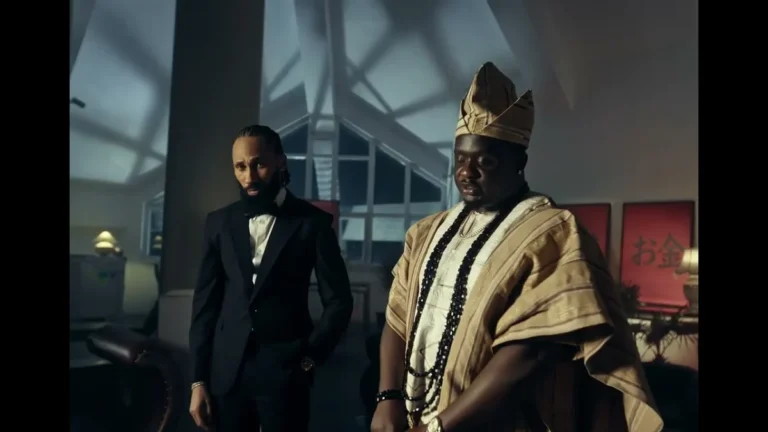
To translate this thematic weight onto the screen, the project enlisted director TG Omori, renowned for his elaborate set designs, striking color grading, and dramatic lighting setups. The resulting music video matches the song’s heavy celebratory mood through vibrant traditional and modern styling—most notably featuring Phyno in a sleek, contemporary black suit juxtaposed with Wande Coal in an impeccably tailored traditional Yoruba Agbada and matching Fila cap. The visual dynamic underscores the cultural roots of both artists while projecting a polished, international standard of production.
Collaborations between veterans of the Nigerian music industry like Phyno and Wande Coal carry significant historical weight. Having emerged during the formative years of the modern Afrobeats and indigenous rap explosion in the late 2000s and early 2010s, both artists have weathered multiple shifts in industry trends. Their continued relevance, demonstrated by their ability to command top-tier production and directorial talent, speaks to the enduring loyalty of their core fanbases and their adaptability within an increasingly youth-dominated streaming market.
Collaborative Alliances and the Economics of the Replay Value
Rounding out the weekend’s notable visual releases is "Inferno," a heavy-hitting alliance between street-hop stalwart Zlatan, melodic specialist Peruzzi, and rising act Shoday. The track is built on an ambitious production framework helmed by a powerhouse collective of beatmakers including Sensei, Irock Classic, and Fresh VDM—producers whose collective credits form the backbone of many defining hits of the past decade.
The accompanying visualizer relies on bold, dynamic motion graphics and kinetic typography, matching the infectious call-and-response cadence and street-hop rhythms of the audio track. Designed explicitly for maximum replay value, "Inferno" targets the lucrative social media and nightlife sectors, where immediate hook retention and rhythmic consistency dictate chart success.
The business model behind multi-artist collaborations like "Inferno" is rooted in audience aggregation. By pooling the distinct fanbases of Zlatan, Peruzzi, and Shoday, the track immediately penetrates three separate demographic circles within the broader consumer market. This cross-pollination strategy mitigates the financial risks associated with single-artist promotional campaigns while maximizing algorithmic visibility across platforms like YouTube, TikTok, and Spotify.
Broader Market Implications
The breadth of content released within this single weekend cycle underscores the maturity of the African entertainment industry. Far from being a monolithic genre defined by a single sound, the contemporary landscape encompasses multilingual pop, cross-border R&B, spontaneous gospel, culturally rooted indigenous rap, and high-energy street anthems.
As streaming platforms continue to refine their regional algorithms and international record labels increase their physical footprints across major African creative hubs, the demand for high-quality, culturally resonant visual content remains unprecedented. Artists who successfully balance local authenticity with international aesthetic standards—as demonstrated by this weekend’s crop of releases—are positioned to capture an increasingly lucrative global market share, solidifying the continent’s status as a primary driver of modern popular culture.