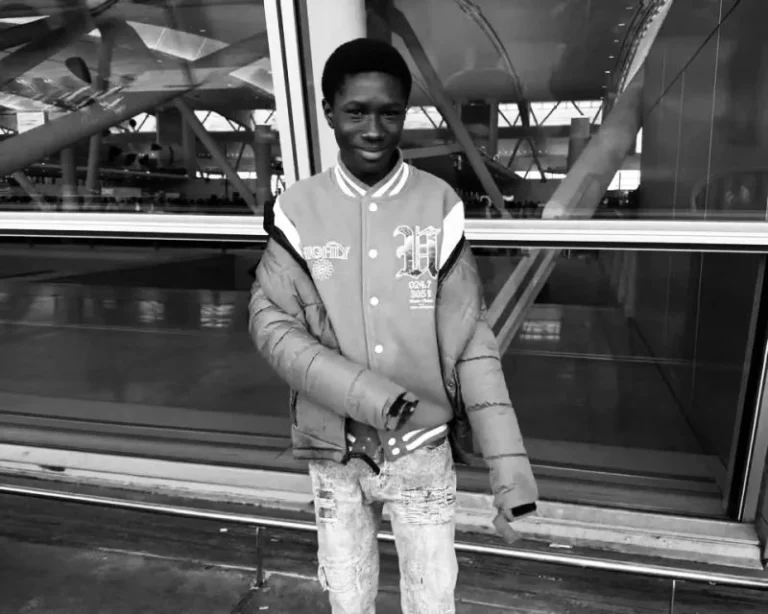
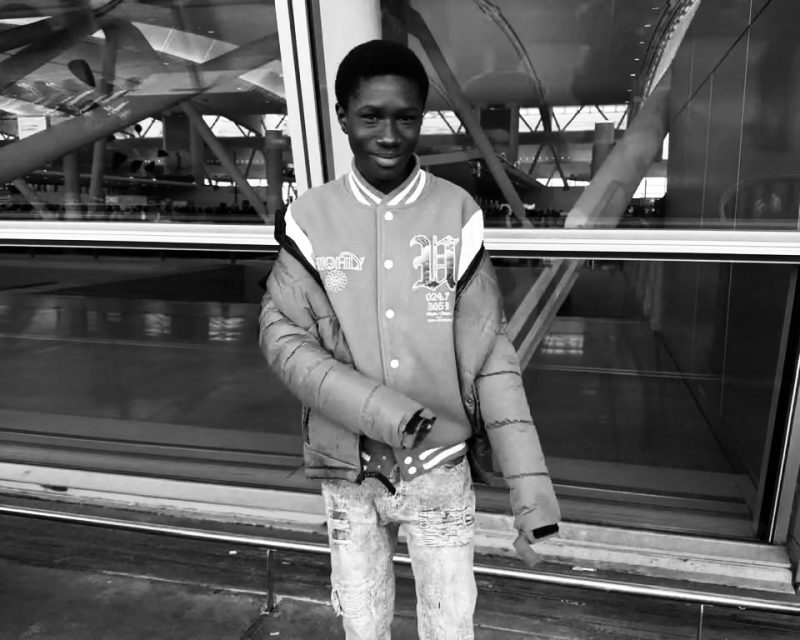
The tragic killing of 15-year-old Javits Frimpong, a Ghanaian student who had recently relocated to the United States in pursuit of better educational opportunities, has sent shockwaves through communities on both sides of the Atlantic. Gunned down on his morning commute to school in the Bronx, New York, young Javits’ untimely death has sparked an international outcry. High-profile Ghanaian musicians, prominent US artists, and diplomatic officials have joined forces to condemn the senseless act of gun violence, reigniting complex conversations about youth safety, urban violence in Western metropolises, and the psychological burden placed upon diaspora communities.
The Fatal Incident and Ongoing Police Investigation
The devastating event unfolded on the morning of Thursday, October 29, 2026. Javits Frimpong was walking near the intersection of East 171st Street and Crotona Place in the Bronx on his way to school when he was struck by a single gunshot to the abdomen. Emergency medical services rushed him to St Barnabas Hospital, where medical personnel pronounced him dead shortly after arrival.
Local law enforcement agencies immediately launched a comprehensive homicide investigation. According to preliminary findings released by the New York City Police Department (NYPD), detectives are actively searching for three teenage suspects who were seen fleeing the immediate vicinity of the shooting on foot. As of the latest updates from law enforcement, no arrests have been officially announced, and investigators are heavily reliant on public tips, neighborhood surveillance footage, and witness testimonies to piece together the events that led to the fatal confrontation.
Background and Chronology of a Displaced Life
Javits Frimpong’s journey to the United States represents a familiar narrative for thousands of immigrant families striving for upward mobility. Approximately one year prior to the tragedy, Javits made the monumental decision to leave his homeland of Ghana and move to New York City to live with his father, Thomas Frimpong. Transitioning from the cultural landscape of Ghana to the fast-paced, high-stress environment of New York presents immense social and psychological adjustments for any teenager. Yet, by all accounts, Javits was attempting to build a stable future centered around his education.
The chronology of the tragedy underscores the swift and irreversible nature of urban street violence:
- Late 2025: Javits Frimpong relocates from Ghana to the Bronx, New York, to reside with his father, Thomas Frimpong.
- October 29, 2026 (Morning): Javits is shot once in the abdomen near East 171st Street and Crotona Place while traveling to school. He is transported to St Barnabas Hospital, where he succumbs to his injuries.
- October 30, 2026: Foreign Affairs Minister Samuel Okudzeto Ablakwa publicly announces contact with the victim’s father and pledges governmental assistance.
- October 31, 2026: Major Ghanaian artists Sarkodie and Medikal post emotional tributes online, while American rapper A Boogie Wit da Hoodie pauses his concert to honor the teenager with a moment of silence.
Outpouring of Grief from Ghanaian Music Icons
The news of Javits’ death reverberated rapidly across Ghana’s vibrant entertainment industry, prompting deep introspection among cultural leaders. Renowned Ghanaian rapper Sarkodie took to social media platform X (formerly Twitter) on Saturday morning to express his profound grief and to contrast the cultural handling of violence in Ghana versus Western nations.
Sarkodie reflected on his upbringing, noting that even within the most economically disadvantaged and rough neighborhoods in Ghana, murder remains an extraordinary, shocking occurrence that dominates national discourse. "We might have our difficulties here in Africa, especially in Ghana, but one thing I will always pride myself on is how we were brought up as children, even in rough and tough neighbourhoods," Sarkodie wrote. "Murder is a big deal out here. It’s almost alien to us because whenever something like that happens, it becomes major news. But it seems to have become an almost regular thing in some parts of the West, which makes it scary for my people to feel safe out there."
Beyond mourning, Sarkodie expanded his commentary to address the broader socio-cultural responsibilities of parents raising children in foreign environments. He urged immigrant families within the diaspora to exercise heightened vigilance regarding the behavioral values transmitted to the younger generation. "I think some of my fellow Black brothers and sisters out there need to do better when it comes to raising their children and instilling the right values in them," he stated, before concluding with a direct message of condolence to the bereaved family: "It’s very unfortunate that we had to lose Javits this way. May his gentle soul rest in perfect peace. Sending love, prayers and strength to the family, especially his mum and dad." Similar sentiments were echoed across his official Facebook channels, amplifying the message to millions of followers.
Fellow Ghanaian music star Medikal also joined the chorus of mourning later that day, posting a poignant message on X that read: "Rest in peace Javits Frimpong. Very Painful to watch."
International Solidarity and Tributes in New York
The tragedy also struck a personal chord within the American hip-hop community, particularly among artists deeply rooted in the Bronx. During a live performance at the UBS Arena in Elmont on Friday, prominent Bronx-born rapper A Boogie Wit da Hoodie abruptly paused his concert to address the tragedy. A photograph of young Javits was projected onto the venue’s massive screens as the artist led thousands of concertgoers in a solemn moment of silence.
"He just came here from Africa to America about a year ago, and he passed away due to a gunshot wound. So let’s give a moment of silence to him," A Boogie told the hushed crowd. The tribute highlighted the localized nature of the violence plaguing specific New York neighborhoods, touching an artist who frequently chronicles the realities of inner-city life through his music. Additionally, fellow Bronx native and global superstar Cardi B utilized her Instagram Live platform to discuss the teenager’s tragic passing, further elevating public awareness of the case within mainstream American media.
Official Governmental Response and Diplomatic Engagement
Recognizing the gravity of the incident and its impact on the Ghanaian diaspora community, the government of Ghana acted swiftly to offer consular support and demand accountability. Samuel Okudzeto Ablakwa, Ghana’s Minister for Foreign Affairs, utilized his official X account on Friday to confirm that he had personally conversed with the victim’s father, Thomas Frimpong, to extend official state condolences.
Ablakwa assured the public that the Ministry of Foreign Affairs and Regional Integration, through its diplomatic missions in the United States, was closely monitoring the ongoing police investigation. The government pledged to collaborate directly with American law enforcement authorities to ensure that a thorough inquiry is conducted and that perpetrators are brought to justice. The diplomatic intervention underscores the protective role modern African states increasingly assume regarding their expatriate populations, particularly in the wake of violent crimes abroad.
Broader Implications for Diaspora Safety and Urban Violence
The death of Javits Frimpong brings to light several critical socio-economic and security issues concerning diaspora life and systemic gun violence in major American cities. For many families migrating from stable or tightly-knit communities in West Africa, the exposure to hyper-segregated, high-crime urban centers in the United States introduces severe environmental hazards.
Sociologists and policy analysts note that immigrant youth often find themselves navigating complex social pressures, ranging from peer integration challenges to the pervasive threat of local gang dynamics. The fact that the primary suspects being sought by police are themselves teenagers points toward a deeply troubling cycle of youth-on-youth gun violence that continues to challenge law enforcement agencies in metropolitan hubs like New York City.
Furthermore, incidents of this nature force a recalibration of how safety is perceived by transnational communities. While economic migration remains a vital avenue for family advancement, the physical risks associated with urban American neighborhoods prompt renewed discussions on community policing, targeted youth intervention programs, and mental health support for newly arrived immigrant children.
Conclusion
As the search for the three teenage suspects continues, the memory of Javits Frimpong remains a poignant reminder of lives cut short by senseless violence. From the legislative halls in Accra to the concert arenas of New York, and deep into the grieving household of Thomas Frimpong, the collective demand for justice and systemic reform grows louder. Whether this tragedy will serve as a catalyst for meaningful dialogue on youth violence prevention and diaspora security remains to be seen, but the global resonance of Javits’ story ensures that his brief time in America will not be easily forgotten.