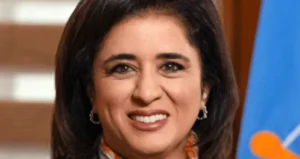
Negotiations surrounding the World Health Organization’s landmark Pandemic Agreement have entered a critical juncture as member states grapple with the final, unresolved mechanism of the accord. Dr. Anne-Claire Amprou, France’s Ambassador for Global Health, is stepping into the leadership fold of the Intergovernmental Working Group (IGWG) at its ninth formal meeting, bringing seasoned diplomatic and technical expertise to a stalemated process. Her appointment arrives as global health leaders intensify pressure on nations to finalize the Pathogen Access and Benefit-Sharing (PABS) annex, widely considered the missing cornerstone of the global pandemic architecture.
The ongoing deadlock stems from deep-seated disagreements over how the international community shares biological materials and genetic sequence data of dangerous pathogens, alongside the subsequent medical countermeasures—such as vaccines, therapeutics, and diagnostics—derived from that information. While the broader Pandemic Agreement achieved consensus under Amprou’s previous co-chairmanship, the implementation of a functional, equitable PABS system remains elusive, threatening to stall the international community’s preparedness for future biological threats.
Background and Context of the Intergovernmental Working Group Negotiations
The genesis of the WHO Pandemic Agreement dates back to the height of the COVID-19 pandemic, when global inequities in accessing medical countermeasures laid bare the inadequacies of international health law. In December 2021, the World Health Assembly held a special session establishing the Intergovernmental Negotiating Body (INB)—later transitioning functions to the IGWG framework—to draft and negotiate a convention, agreement, or other international instrument under the Constitution of the World Health Organization.
The core objective was simple in concept yet complex in execution: to establish binding commitments that prevent future pandemics, ensure transparent sharing of pathogen data, and guarantee fair and equitable distribution of life-saving products. However, as the negotiations progressed through multiple rounds of formal and informal drafting sessions, deep structural divides emerged between high-income countries, which host major pharmaceutical industries and vaccine manufacturing hubs, and low- and middle-income countries (LMICs), which frequently bear the brunt of emerging infectious diseases without guaranteed access to downstream benefits.

By July 2025, discussions surrounding the PABS annex hit an impenetrable wall. Developing nations argued that sharing pathogen samples and digital sequence information (DSI) without a guaranteed, legally binding return of vaccines and treatments amounts to an unfair extraction of resources. Conversely, industrialized nations and private sector stakeholders expressed concern that overly restrictive access rules could delay rapid research and development (R&D) during a fast-moving health crisis.
Leadership Transition and Political Momentum
The formal introduction of Dr. Amprou as co-chair, announced by Brazil’s Ambassador Tovar Da Silva Nunes during the opening of the IGWG’s ninth formal meeting, is intended to inject renewed momentum into the stagnant talks. Amprou brings extensive credentials to the role, having successfully guided the final stages of the broader Pandemic Agreement to consensus. Her institutional footprint includes representing France on the boards of the Pandemic Fund and the Global Fund, chairing the Unitaid executive board, coordinating France’s domestic COVID-19 response in 2021, and serving as a former French Deputy Director General for Health.
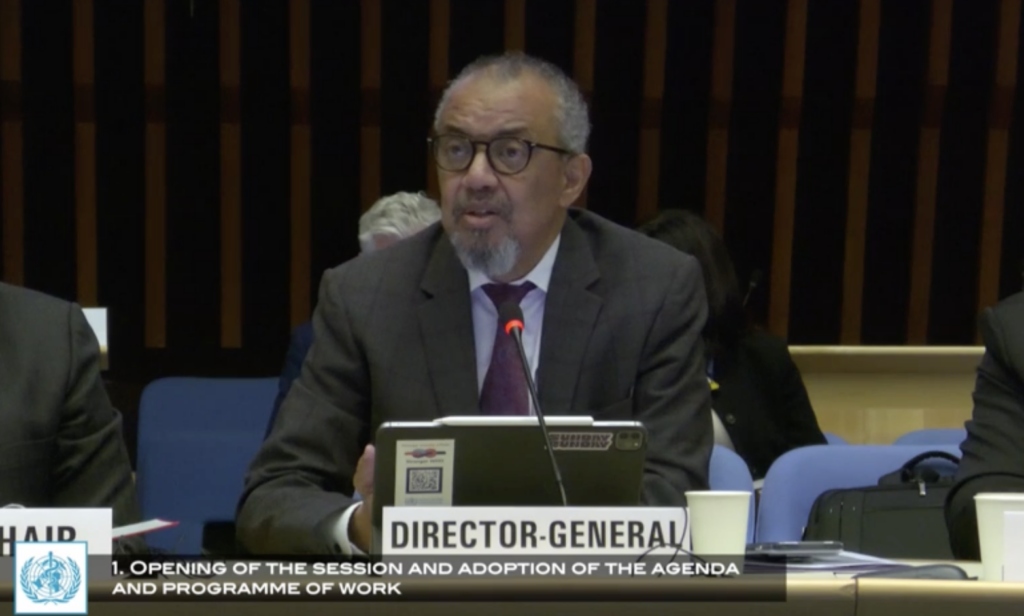
Welcoming Amprou to the IGWG dais, WHO Director-General Dr. Tedros Adhanom Ghebreyesus underscored the mounting political will behind the process. Pointing to the recent United Nations General Assembly adoption of its Political Declaration on pandemic prevention, preparedness, and response, Dr. Tedros emphasized that heads of state and government have formally endorsed the Pandemic Agreement and demanded the swift conclusion of the PABS annex.
"You do not need to design a perfect system for all time. You need to agree on a system that works, that delivers equity, and that can be strengthened as we learn from experience," Dr. Tedros told delegates. He urged negotiators to treat public health as their primary benchmark, urging them to distinguish between essential core components and desirable additions while operating with the clear expectation of finalizing the text.
Regional Divides and Competing Models for Pathogen Sharing
Despite high-level political backing, regional blocs remain sharply divided over the operational mechanics of the PABS system. During the opening sessions of the ninth meeting, representatives from Africa, the Eastern Mediterranean, and Southeast Asia reiterated non-negotiable positions regarding the symmetry of access and benefit-sharing.
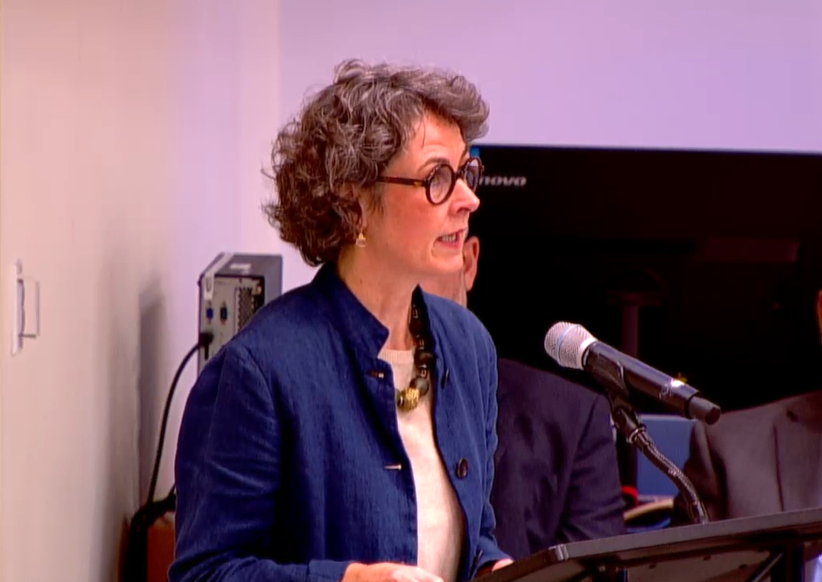
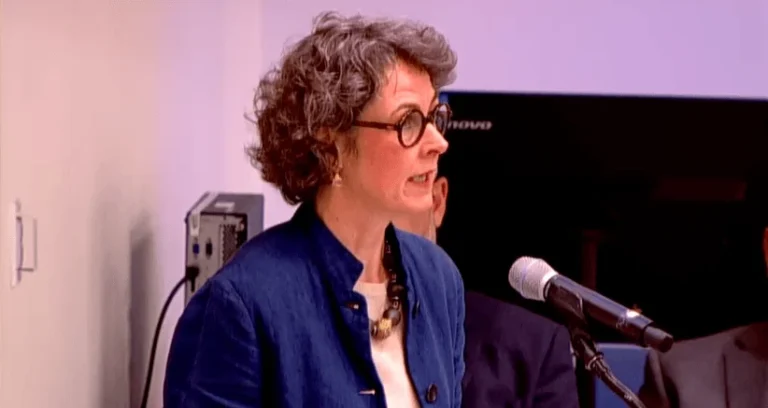
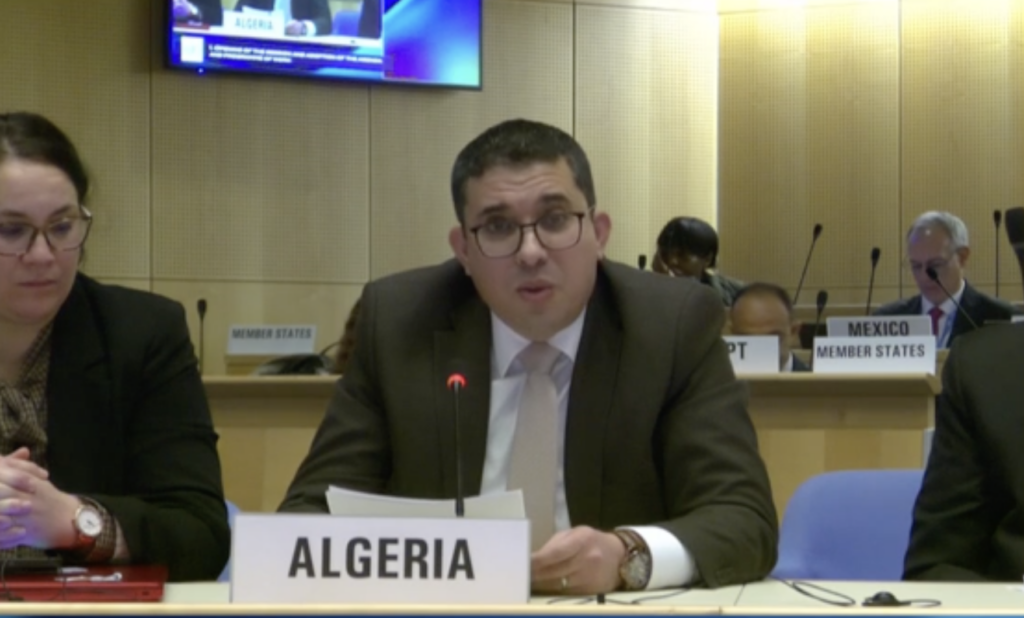
Speaking on behalf of the Africa Group, Algeria reaffirmed that access and benefit-sharing are inseparable pillars on an equal footing, asserting that neither can be implemented at the expense of the other. The Africa Group actively pushed for renewed consideration of its "federated model," a proposal first introduced during earlier IGWG rounds. Under this framework, pathogen materials and sequence data physically or digitally remain under the sovereignty and control of the originating countries or regional nodes. Commercial manufacturers and research entities would be required to execute a data access agreement (DAA) with the local node and simultaneously sign a binding benefit-sharing contract with the WHO to secure authorization for use.
"We firmly believe that a system of access by design and benefit by convenience will not earn the trust of those who provide the materials," Algeria’s delegate warned the assembly.
This sentiment was echoed by Pakistan, speaking for the Eastern Mediterranean Regional Office (EMRO), and India, representing Southeast Asia. Addressing the argument raised by some delegations that modern technology allows manufacturers to bypass physical samples by utilizing open-source genetic sequence information, Pakistan countered that unauthorized digital access is no substitute for a regulated framework.
"Availability somewhere is not the same as timely, lawful, transparent, and traceable access under an agreed international framework," Pakistan stated. "Confidence in the system depends on that traceability. Countries will share rapidly and confidently when they can see what comes back."
Indonesia, voicing the positions of the cross-regional Group for Equity, delivered a pointed critique of reliance on voluntary mechanisms, stating that no nation wants its pandemic defense strategy to depend on charity. "Multilateralism earns its keep when its outcome changes things substantially, and ensures that no one is left behind," Indonesia declared.
Industry Perspectives and the Search for Operational Efficiency
While developing nations advocate for strict traceability and mandatory benefit-sharing guarantees, industry stakeholders and industrialized economies emphasize the necessity of maintaining operational flexibility to ensure rapid research responses during emergencies.
The International Federation of Pharmaceutical Manufacturers & Associations (IFPMA), representing research-based vaccine and therapeutics developers, addressed the IGWG to caution against overly bureaucratic burdens. The organization urged member states to establish clear, workable, and predictable conditions that enable private sector entities to access pathogen materials and information rapidly to initiate R&D without delay.
"As discussions advance across these interconnected elements, we encourage member states to assess them against a simple test: will these arrangements encourage the broad participation needed for PABS to work effectively and rapidly when the next pandemic threat emerges?" the IFPMA statement noted.
Meanwhile, recognizing the profound complexity of reconciling these divergent viewpoints, the European Union proposed a diversified negotiation format. The EU suggested utilizing a mix of formal plenary sessions, informal consultations led by dedicated co-facilitators, and targeted bilateral and small-group meetings to untangle the remaining technical bottlenecks.
Fact-Based Analysis of Implications
The outcome of the current IGWG negotiations carries profound implications for global biosecurity architecture. A failure to finalize the PABS annex risks leaving the broader Pandemic Agreement toothless, undermining international trust and disincentivizing countries from transparently reporting emerging pathogen strains. Conversely, an overly restrictive framework could inadvertently impede scientific collaboration and delay the manufacturing of critical medical countermeasures when seconds count.
With Dr. Amprou joining Ambassador Da Silva Nunes at the helm, the leadership team faces the formidable task of forging consensus among polarized member states. As global health authorities watch closely, the test for the international community is whether diplomatic pragmatism can bridge the gap between national sovereignty, commercial innovation, and the fundamental global imperative of health equity before the next epidemiological crisis strikes.