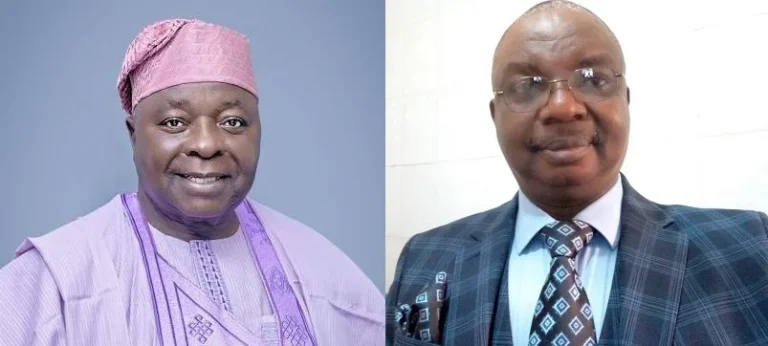
The presidency of Pharm. Tanko Ayuba at the helm of the Pharmaceutical Society of Nigeria (PSN) has reached a critical midpoint, prompting a rigorous evaluation of his leadership as he enters the final year of his three-year tenure. Since assuming office on November 9, 2024, Ayuba has navigated a complex landscape defined by economic instability, regulatory battles, and a shifting healthcare workforce. As the society approaches its upcoming annual conference, internal stakeholders have begun a vocal assessment of his administration, contrasting notable regulatory victories against a backdrop of unfulfilled campaign pledges and lingering organizational challenges.
The discourse surrounding his performance is multifaceted, reflecting the diverse interests of the profession’s various technical groups, including the Association of Community Pharmacists of Nigeria (ACPN), the Association of Industrial Pharmacists of Nigeria (NAIP), the Association of Hospital and Administrative Pharmacists of Nigeria (AHAPN), and the Young Pharmacists Group (YPG).
Chronology of a Challenging Tenure
Pharm. Tanko Ayuba’s presidency began under the shadow of professional adversity. Shortly after his inauguration, the president was involved in a domestic accident that resulted in severe injuries. This incident created a significant, if temporary, vacuum in leadership capacity, which some observers argue hampered the administration’s momentum during the critical first year.
By the time of the 98th Annual Conference in Kano in 2025—branded as DABO 2025—the administration sought to pivot toward aggressive reform. The theme, "Defining a New Pharma Workforce for Nigeria," served as the launchpad for a series of policy shifts, most notably the formal discontinuation of the Pharmacy Technologist cadre following an April 17, 2025, Memorandum of Understanding between the Pharmacy Council of Nigeria (PCN), the Federal Ministry of Health, and the National Board for Technical Education (NBTE). This move was widely interpreted as an attempt to align Nigeria with global standards, establishing the Pharm.D as the foundational entry qualification.
The Case for Progress: Regulatory and Welfare Wins
Supporters, including former presidential aspirant Pharm. Anthony Oyawole, characterize Ayuba’s leadership as a calculated, methodical defense of the profession. Proponents point to the October 29, 2025, Federal High Court ruling in Calabar as a landmark achievement. The court’s decision to affirm the PCN’s exclusive authority over the regulation of veterinary drugs effectively resolved a long-standing jurisdictional dispute with the Veterinary Council of Nigeria, a win that solidified the PSN’s standing under Ayuba’s guidance.
Furthermore, the administration has successfully navigated the complexities of the Joint Health Sector Unions (JOHESU) framework. Concrete gains have been noted in the welfare sector, specifically the disbursement of 25–35 percent of outstanding CONHESS arrears and the formal approval of a four percent call-duty allowance for Pharm.D holders. The integration of Consultant Pharmacists into the Integrated Personnel and Payroll Information System (IPPIS) and the upward revision of retirement ages—65 for pharmacists and 70 for consultants—are cited as evidence of a president committed to the long-term economic security of his members.
Critical Perspectives and Internal Dissent
Conversely, the administration has faced stern criticism from stakeholders such as Dr. Joel Adagadzu, who argue that the current leadership has yet to manifest a "standout" achievement that addresses the immediate needs of the average practitioner. The criticism is not merely one of inactivity but of a perceived lack of connection between campaign promises and tangible reality.

Dr. Adagadzu’s critique underscores a broader anxiety regarding the "economic survival plan" for community pharmacists. As the nation faces the exit of major pharmaceutical players like GSK and Sanofi, the local market is in a state of flux. Critics contend that while the administration has been successful in high-level legal and regulatory advocacy, it has failed to provide a robust, actionable framework for the thousands of independent pharmacists struggling with rising overheads, inflation, and drug supply instability.
There is also growing concern regarding the internal cohesion of the society. The fragmentation of technical groups and the reported decline in participation at town hall meetings are seen by some as symptoms of a leadership that has drifted away from grassroots engagement. The shift in conference culture—where electioneering and "noisy" political maneuvering have begun to eclipse the substantive scientific and professional sessions—has prompted calls for an immediate overhaul of how the PSN conducts its business.
The Unfinished Agenda: Priorities for the Final Year
With only one year remaining, the pressure on the president to finalize his legacy is mounting. Stakeholders have identified several non-negotiable areas for the final twelve months of his tenure:
- Consultancy Cadre Implementation: Despite policy approvals, the uptake of the Consultant Pharmacist cadre in state and federal hospitals remains slow. There is an expectation that the PSN leadership must apply greater political pressure to ensure that these positions are gazetted and filled.
- Unity Among Technical Groups: The administration is being urged to mend fences within the ACPN and YPG, ensuring that the PSN acts as a singular, unified voice in negotiations with the federal government.
- Local Production Capacity: With the departure of multinationals, there is an urgent demand for the PSN to transition from advocacy to active support for local manufacturers. The goal is to ensure that the Nigerian pharmaceutical industry can fill the void in the supply chain, thus achieving a level of national medicine security.
- Conference Reform: Ahead of the upcoming annual assembly, there are explicit demands for a return to professional decorum. This includes digitalizing registration, optimizing logistics to prevent the "queuing culture," and inviting speakers from outside the immediate pharmacy bubble—such as the NAFDAC Director-General and representatives from the NCDC and environmental sectors—to reflect the "One Health" philosophy.
Broader Implications for the Pharmacy Profession
The current state of the PSN is a microcosm of the challenges facing the Nigerian healthcare system at large. The migration of skilled personnel—with reports suggesting over 8,200 pharmacists failing to renew their licenses over the past five years—represents a "brain drain" that threatens the stability of pharmaceutical care across the country.
Ayuba’s ability to stem this tide through policy will define his legacy. The argument that he is a "defensive" leader holds weight, as he has effectively protected the PCN from legislative threats in the National Assembly, maintaining the sanctity of the Exclusive Legislative List. However, as the profession evolves, the membership is signaling that defensive posture alone is insufficient. The expectation for his final year is a transition from preservation to expansion.
The success of the 2026-2027 calendar year will be measured by the PSN’s ability to translate high-level court victories and memoranda into street-level economic benefits. As the society prepares for its centenary celebrations in 2027, the focus must shift from internal administrative disputes to the broader goal of positioning the pharmacist as the linchpin of the Nigerian public health sector.
Conclusion
As the PSN administration enters its final act, it finds itself at a crossroads. The foundation laid by the regulatory reforms of 2025 provides a strong base, but the absence of a visible, widespread impact on the daily lives of community and hospital pharmacists remains a point of contention. Whether Pharm. Tanko Ayuba can harness his remaining time to unify the professional body and deliver on his campaign vision of a valued, well-paid, and highly motivated workforce remains the defining question of his tenure.
The upcoming conference will serve as the litmus test. If the administration can deliver a conference that prioritizes evidence-based discourse over political theatrics and provides a clear roadmap for the final year of his presidency, the potential for a legacy of reform remains within reach. If not, the debate over his effectiveness will likely continue to dominate the discourse, potentially coloring the transition to the next leadership cycle. The stakeholders have spoken; the onus is now on the administration to demonstrate that it has the resolve to complete the transition from a society in conflict to a society in command of its future.