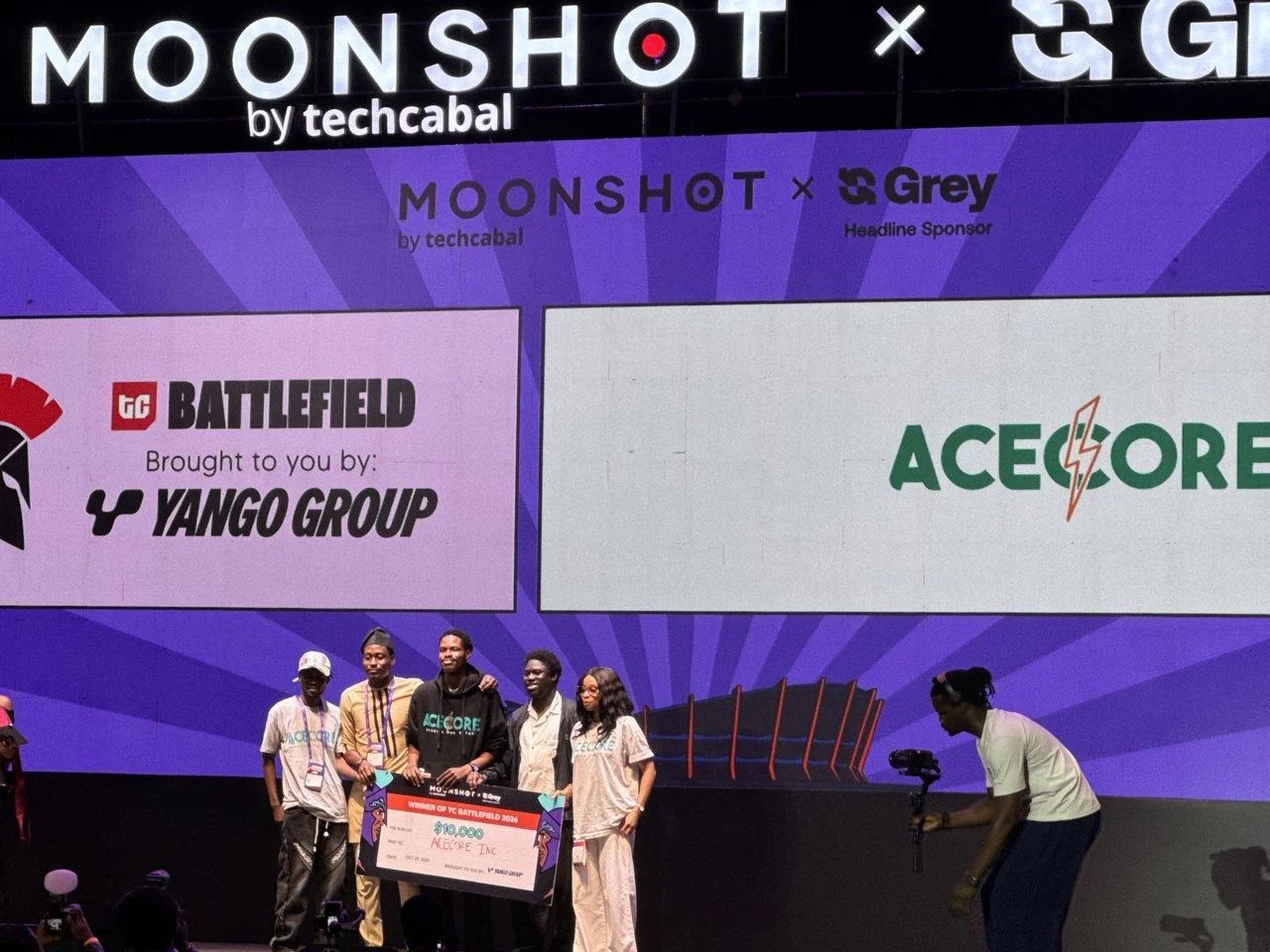
The landscape of African entrepreneurship has long been dominated by software solutions, particularly in fintech, logistics, and education technology. However, a significant shift is currently underway across the continent, prioritizing tangible, hard-tech infrastructure manufactured locally to solve deep-seated systemic issues. This evolution took center stage at Moonshot by TechCabal in Lagos, where Acecore, a pioneering Nigerian startup specializing in home energy storage systems, claimed the prestigious title of TC Battlefield 2026 winner. Besting a competitive cohort of innovators on Thursday, October 29, Acecore secured the coveted $10,000 grand prize after a rigorous evaluation of its engineering capabilities, unit economics, and market viability.
The annual TC Battlefield competition, sponsored this year by the Yango Group, serves as one of Africa’s premier launchpads for early-stage startups aiming to scale transformative business models. Acecore’s victory underscores a growing investor appetite for hardware manufacturing within West Africa, signaling that local enterprises are increasingly capable of competing with heavily subsidized Asian imports in critical sectors like power and energy management. As Nigeria and the broader sub-Saharan region grapple with persistent grid instability and escalating fuel costs, home-grown energy infrastructure is transitioning from a niche concept to an absolute economic necessity.
A Hard-Fought Victory on the Lagos Stage
The final showdown on Wednesday, October 28, featured 10 exceptional finalists whittled down from a vast pool of applicants across the continent. These finalists included Growwr, Kuraway, Fertitude, Lena, QiqiFarms, Riwe, and Swiftway Shippers, alongside the top three podium finishers. The judging panel comprised seasoned venture capitalists and industry leaders, including Folakemi Osho, general manager of HoaQ; Elijah Shokenu, head of ventures at SWIT; Kosen Kenta, principal at Antler; and Adeniyi Adebayo, chief business officer of the Yango Group.
The competition was fierce, with the judges subjecting every founder to intense, granular questioning regarding scalability, regulatory hurdles, and unit economics. Acecore faced perhaps the most stringent cross-examination regarding its pricing strategy. Given that imported Chinese energy systems frequently land in the Nigerian market at price points comparable to Acecore’s systems—which start at approximately $5,250—judges challenged founder and chief executive Caleb Iwuoha to defend his margins. Iwuoha successfully defended the company’s financial model, revealing that Acecore maintains a robust 62% margin by optimizing local assembly and leveraging domestic supply chains.
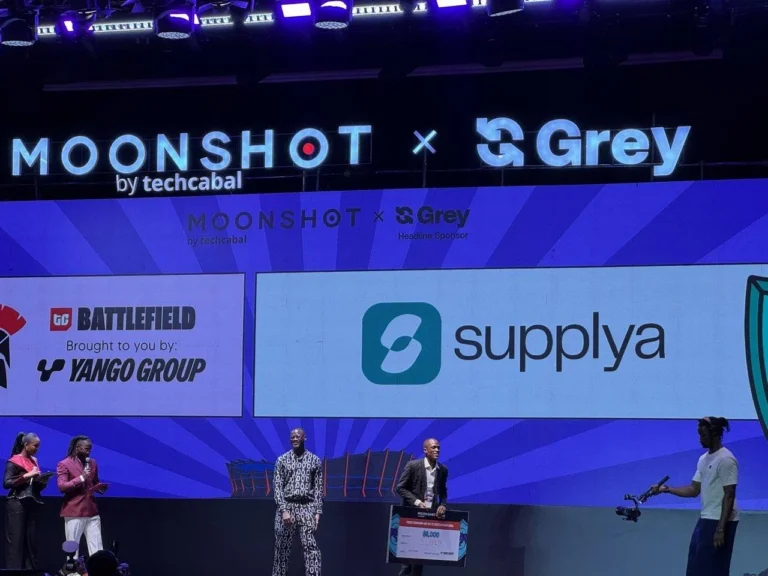
Following Acecore’s first-place finish, Supplya secured the second-place position and a $5,000 prize for its innovative approach to supplying informal retailers with stock on credit. Meanwhile, maritime robotics startup Navidyn captured third place, taking home $2,500 and sparking vital industry conversations about the future of deep-tech and artificial intelligence applications in Africa’s industrial sectors.
Engineering Independence: Inside Acecore’s Manufacturing Model
Acecore’s core value proposition lies in its holistic approach to domestic energy management. The startup designs and manufactures a comprehensive home battery system paired with an intelligent smart socket that empowers users to monitor and control individual household appliances remotely. Crucially, the engineering footprint of the enterprise remains firmly rooted within the country.
During his pitch to the final-stage judges, Caleb Iwuoha emphasized the local ingenuity driving the company’s manufacturing process. "The system’s casing and battery management software were all built here in Nigeria by our very own hands," Iwuoha stated, highlighting a strategic choice to bypass the traditional white-label importing model that defines much of the African consumer electronics market.
Operating locally presents profound logistical and financial hurdles, particularly in a market heavily reliant on foreign hardware. According to recent data from the energy think tank Ember, Nigeria imported an astonishing 1,721 megawatts of solar panels from China in the 12-month period leading up to June 2025. This massive influx positions Nigeria as Africa’s second-largest solar importer, trailing only South Africa. By establishing domestic production facilities in this heavily saturated import market, Acecore is deliberately courting risk to capture long-term structural value. Furthermore, to combat the high upfront costs of renewable energy adoption, the startup has forged strategic partnerships with commercial banks, enabling customers to acquire its systems through flexible, structured installment plans that price the product at least 20% lower than comparable imported tier-one alternatives.
Navidyn and Supplya: Pioneers in Robotics and Retail Credit
While Acecore captured the ultimate prize, the performances of runner-up Supplya and third-place finisher Navidyn illustrated the remarkable diversity of innovation showcased at Moonshot 2026. Both startups not only secured cash prizes but also earned coveted spots in Antler’s prestigious residency program, granting them a direct pathway to raise up to $250,000 in pre-seed investment alongside the women’s health application Fertitude.
Supplya has carved out a vital niche in the massive, fragmented informal retail economy that sustains millions of households across West Africa. By providing informal shop owners with stock on credit, Supplya addresses severe working capital constraints that limit inventory turnover and business growth. Demonstrating exceptional fiscal health and trustworthiness within the informal sector, Supplya reported that since October 2024, it has extended more than $150,000 in credit to small shops, boasting an extraordinary 98% repayment rate.
On the other end of the technological spectrum, Navidyn is breaking new ground in industrial automation. Co-founded by a team of visionary engineers, Navidyn specializes in building advanced underwater robotics designed to inspect offshore oil and gas infrastructure. The startup’s founders used their platform at Moonshot to advocate for a broader reimagining of venture capital allocation in Africa. "So far, Africa has invested in fintech, logtech, agritech, edtech. Now it’s time to invest in advanced AI and robotics," the co-founders argued before the judging panel. Highowing the market’s readiness for such innovations, Navidyn revealed that a representative from the energy conglomerate Sahara Group previously approached them with a $5,000 inspection contract even before their initial product iteration was fully market-ready.
The Broader Implications for African Venture Capital and Hardware Manufacturing
The triumph of Acecore and the strong showing of Navidyn point toward a maturing venture capital ecosystem in sub-Saharan Africa. For over a decade, digital software solutions—specifically fintech startups facilitating payments, lending, and digital banking—captured the lion’s share of venture capital funding. While software remains vital for digital inclusion, investors are increasingly recognizing the necessity of deep-tech and hardware infrastructure to underpin long-term economic development.
Building physical products in markets characterized by infrastructure deficits, inconsistent power grids, and complex regulatory environments is inherently slower and more capital-intensive than writing software code. However, companies that successfully navigate these hurdles establish formidable moats that are difficult for foreign competitors to penetrate. By developing localized solutions tailored explicitly to the unique electrical and environmental conditions of the region, hardware startups can achieve pricing power and brand loyalty that asset-light models often struggle to replicate.
The recognition and financial backing provided at TC Battlefield 2026 validate this arduous path. If enterprises like Acecore and Navidyn can sustainably maintain their margins while scaling production against cheap global imports, they will fundamentally alter the investor narrative surrounding African enterprise. Their success signals to global and regional capital allocators that African-built hardware can compete effectively on both technical merit and commercial value, laying the groundwork for a new era of industrialization driven by indigenous technological prowess.