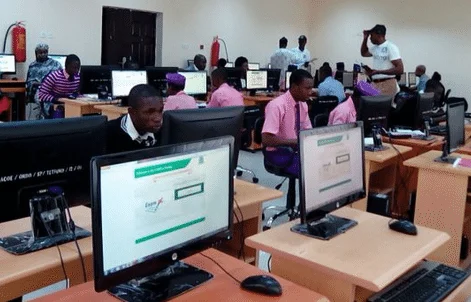
The Joint Admissions and Matriculation Board has officially scheduled its highly anticipated Unified Tertiary Matriculation Examination mock test for Thursday, March 7, 2024, serving as a critical preparatory milestone for prospective university undergraduates across Nigeria. Designed specifically for candidates who expressed a formal interest during their initial registration phase, the forthcoming simulation aims to replicate the exact conditions of the primary computer-based test to alleviate anxiety, test infrastructural readiness, and familiarize students with modern digital assessment protocols. As millions of young Nigerians prepare to navigate the highly competitive tertiary admission landscape, educational administrators emphasize that this optional yet invaluable exercise offers a risk-free environment to evaluate academic preparedness and technical aptitude.
Background Context of the JAMB Mock Examination
To fully appreciate the significance of the March 7 mock exercise, one must examine the evolutionary trajectory of Nigeria’s central admission agency. For decades, the Joint Admissions and Matriculation Board administered paper-and-pencil tests, a methodology increasingly plagued by logistical hurdles, extensive result delays, and systemic malpractice. The definitive transition to a fully computer-based testing framework in subsequent years marked a monumental shift toward transparency, efficiency, and credibility. However, this technological leap introduced a distinct challenge: a significant digital divide. Many candidates, particularly those hailing from rural or under-resourced communities, experienced their first major academic encounter with a desktop computer, a mouse, and a digital interface on the actual examination day.
To bridge this digital chasm and ensure equal opportunity, the board instituted the optional mock examination. This preliminary assessment functions as a diagnostic tool, allowing students to experience the physical layout of accredited CBT centers, interact with the specialized examination software, and understand time-management constraints without the high stakes of an official admission score. Over successive academic cycles, education sector analysts have consistently noted a marked reduction in technical difficulties and procedural confusion among candidates who actively participate in the mock testing window compared to those who bypass it.
Detailed Timeline and Chronology of the 2024 Registration and Testing Cycle
The administrative pathway leading to the March 7, 2024, mock examination was meticulously mapped out by the board to run concurrently with the broader 2024 UTME registration exercise. The registration portal officially opened in January 2024, giving prospective candidates a dedicated window to complete their biometrics, profile creations, and subject combinations. During this critical application phase, candidates were presented with an explicit option to indicate their willingness to sit for the optional mock test.
Upon signaling interest, applicants incurred a designated mock service charge of one thousand five hundred naira. This specific financial policy was instituted by the board in previous years to curb administrative waste; historically, numerous candidates registered for free or heavily subsidized mock slots but failed to appear, leaving CBT center operators with unutilized capacity and financial losses. By introducing a modest commitment fee, the board ensured higher turnout rates and better resource allocation across approved testing facilities nationwide.
Following the close of registration, technical teams at the board’s headquarters in Bwari, Abuja, began synchronizing candidate databases with accredited Computer-Based Test centers. By late February, preparations reached a fever pitch, culminating in the official release of the mock examination notification and the activation of the dedicated online portal for slip printing, ensuring participants had adequate time to arrange travel logistics to their assigned venues.
Procedure for Accessing and Printing Mock Examination Slips
Securing accurate logistical data is a vital prerequisite for any candidate preparing to sit for the March 7 assessment. The board has streamlined the retrieval process, making it entirely digital and accessible via personal computers or mobile internet devices. Qualified candidates are strictly advised to avoid third-party cybercafes that charge exorbitant fees, utilizing instead the official web portal established for this purpose.
The step-by-step retrieval protocol requires candidates to navigate directly to the official JAMB mock slip printing interface located at https://www.jamb.org.ng/ExamSlipPrinting1/PrintMockExaminationSlip. Upon loading the secure webpage, the candidate must input either their unique ten-character JAMB Registration Number or the verified email address utilized during the initial profile creation stage. Executing the prompt by clicking the designated search or print button initiates a secure database query.
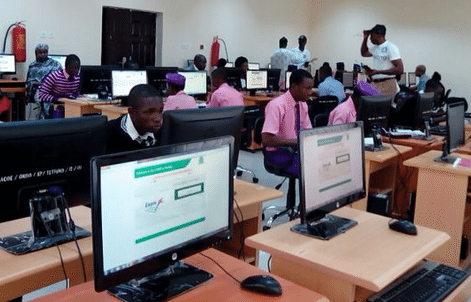
Within seconds, the system generates a comprehensive digital document displaying critical examination metrics. These particulars include the exact physical address and identification code of the accredited CBT center, the precise reporting time, and the assigned seat number. Candidates are strongly urged to print multiple physical copies of this slip and bring them alongside a valid form of identification to their respective venues on the morning of the examination. Alternatively, candidates who registered valid email addresses during profile creation receive direct electronic notifications containing downloadable links to their customized mock slips.
Logistical Framework and CBT Center Readiness
The operational success of the nationwide mock examination hinges heavily on the collaboration between the Joint Admissions and Matriculation Board and privately or publicly owned Computer-Based Test centers. In the weeks leading up to March 7, technical inspectors deployed by the board conducted comprehensive audits of hardware installations, power backup systems, local area network integrity, and biometric verification units across all approved facilities.
These rigorous inspections are designed to guarantee that every designated center meets the stringent infrastructural benchmarks required for standardized testing. Issues such as faulty computer terminals, unstable internet connectivity, or inadequate surge protection are identified and rectified well in advance of the test date. Furthermore, center administrators are briefed on standardized invigilation protocols, security enforcement, and emergency response procedures to ensure a seamless testing experience for every candidate who walks through their doors.
Analysis of Implications for Candidates and the Educational Sector
The broader implications of the JAMB mock examination extend far beyond individual score tracking; they serve as a stress test for Nigeria’s educational assessment ecosystem and provide profound psychological benefits for students. From an academic perspective, the mock test offers a reliable diagnostic mirror. Candidates who struggle with time management across the four mandatory subjects—typically the Use of English, alongside three other subjects aligned with their intended course of study—receive an early reality check. This timely feedback loop allows students to recalibrate their study habits, seek targeted tutoring, or adjust their preparation strategies during the final weeks leading up to the main UTME.
Psychologically, the reduction of exam-day anxiety cannot be overstated. Standardized testing environments naturally induce stress, which can negatively impact cognitive performance. By experiencing the biometric verification process, the structured silence of the hall, the digital clock ticking down on the monitor, and the interface of the testing software beforehand, candidates step into the primary examination room with diminished apprehension and heightened self-assurance.
For the regulatory body itself, the mock exercise functions as a live rehearsal. It enables the board’s technical directorate to evaluate the robustness of its central servers, data transmission protocols, and real-time monitoring dashboards under genuine operational stress. Any latency, software glitches, or communication bottlenecks identified during the mock run are systematically analyzed and patched, thereby fortifying the core UTME infrastructure against potential system failures during the major examination window.
Official Directives and Final Preparations
As the date of the examination approaches, the leadership of the Joint Admissions and Matriculation Board continues to issue public advisories urging all participating candidates to adhere strictly to established guidelines and regulations. Strict prohibitions remain in effect regarding the importation of unauthorized electronic devices, including mobile phones, programmable calculators, smart wristwatches, and electronic storage media, into the examination halls. Security personnel deployed to CBT centers have been instructed to enforce these rules without exception, and any candidate found in violation faces immediate disqualification and potential legal repercussions.
Furthermore, candidates are advised to verify their assigned venues days prior to the test to avoid transit delays, as changes of venue will not be accommodated on the morning of the examination. By maintaining punctuality, respecting administrative protocols, and approaching the assessment with diligence, candidates can maximize the benefits of this strategic preparatory exercise. The board remains fully committed to maintaining the integrity, transparency, and efficiency of Nigeria’s tertiary admissions process, ensuring that every qualified applicant is afforded a fair and equitable opportunity to pursue their higher education aspirations.