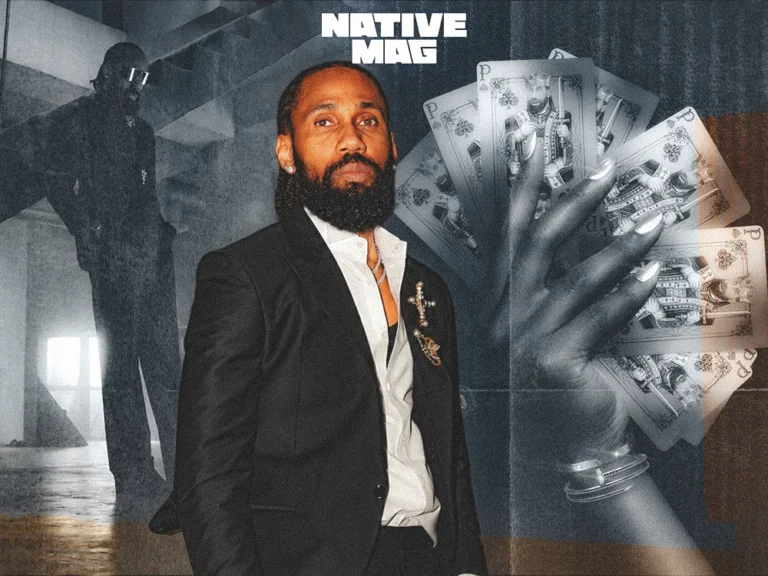
Two years after the release of his critically acclaimed project Full Time Job, Nigerian rap icon Phyno has returned to the forefront of the music industry with his latest studio effort, Let That Sink In (LTSI). The 15-track album serves as a masterclass in sonic versatility, cementing the artist’s status as a veteran who continues to evolve while staying anchored to his cultural roots. Featuring a star-studded list of collaborators—including Wande Coal, Seyi Vibez, Oxlade, Lojay, Fireboy DML, Chike, and Jeriq—the album represents a sophisticated synthesis of contemporary Nigerian sounds, ranging from high-energy street anthems to introspective, soul-searching ballads.
A Career Defined by Evolution
To understand the significance of Let That Sink In, one must look at the trajectory of Chibuzor Nelson Azubuike, known globally as Phyno. Since his breakthrough in the early 2010s, Phyno has been the primary architect in popularizing Igbo-language rap, moving it from a regional specialty to a pillar of mainstream African pop. His 2014 debut album, No Guts No Glory, was a watershed moment for the genre. The album’s lead single, "Ghost Mode," featuring Olamide, remains a cultural touchstone, having secured Best Collaboration honors at both the Headies and the Nigeria Entertainment Awards.
Over the past decade, Phyno has navigated the shifting tides of the Afrobeats landscape with precision. While many of his peers have pivoted strictly toward pop-centric sounds to chase international charts, Phyno has maintained a delicate balance between his rugged, rap-heavy origins and the melodic sensibilities required for modern radio. Let That Sink In is the culmination of this two-decade journey, reflecting a maturity that only comes with longevity.
The Sonic Landscape of LTSI
The album opens with a deliberate pacing that showcases Phyno’s ability to curate atmosphere. "Ndu Ka Aku," featuring the genre-bending sensation Seyi Vibez, sets a high bar for the project, blending traditional sensibilities with the current "street-pop" zeitgeist. This is immediately followed by "Ndewo," a collaboration with the legendary Wande Coal. The track highlights the seamless synergy between an established rap heavyweight and one of Nigeria’s most influential vocalists, providing a nostalgic yet fresh listening experience.
As the album progresses, Phyno shifts gears into the romantic and celebratory motifs that have become hallmarks of his mid-tempo discography. Tracks such as "Beautiful," "Next Of Kin," "Magret" (featuring Oxlade), and "Bom Bom" (featuring Lojay) highlight the artist’s lighter side. These songs are characterized by lush production and infectious hooks, demonstrating his command of melody. By pairing his sharp, rhythmic delivery with the soulful, textured vocals of his guests, Phyno ensures that the album appeals to a wide demographic, bridging the gap between his long-term rap fans and the new generation of listeners who gravitate toward Afro-fusion.
Addressing the Social Conscience
While Let That Sink In contains its share of lighthearted anthems, the core of the album is defined by its social gravity. The standout track "20 Years To Come" marks a distinct shift in tone. Here, Phyno moves away from the studio’s polished veneer to address the harsh realities of the Nigerian experience. He poses uncomfortable questions about the future of the nation, explicitly critiquing poor governance, systemic insecurity, and the cyclical nature of the struggles faced by the average citizen.
In a climate where many artists shy away from political commentary to avoid alienating their audience, Phyno’s decision to include "20 Years To Come" serves as a reminder of the rapper’s role as a voice for the streets. The song functions as a sobering reflection on how the failures of today are essentially borrowing from the future of the next generation. This narrative arc adds a layer of depth to the album, transforming it from a mere collection of songs into a cohesive commentary on the human condition in modern Nigeria.
Faith, Gratitude, and Musical Synergy
The latter half of the project finds Phyno in a reflective state. Tracks like "Chukwu Okike," "I Believe" (featuring Fireboy DML), and "Healing" provide a space for gratitude and spiritual grounding. By featuring Jeriq on "Ije Enu" and Chike on the poignant "Kriptonite," Phyno demonstrates his ability to foster collaborative environments that elevate the individual strengths of his guest artists.
The inclusion of Fireboy DML on "I Believe" is particularly noteworthy. The track serves as an anthem of resilience, a theme that has permeated Phyno’s music since his inception. The production remains sparse, allowing the vocal performances to take center stage, which emphasizes the sincerity of the message. This section of the album provides a necessary resolution to the anxieties introduced earlier in the tracklist, offering listeners a sense of hope and continuity.
Industry Implications and Market Impact
The release of Let That Sink In comes at a pivotal time for the Nigerian music industry. With Afrobeats receiving unprecedented global attention, the market is saturated with high-budget, rhythm-heavy releases. Phyno’s ability to sustain interest over 15 tracks without relying solely on high-tempo dance records is a testament to his craftsmanship.
From an industry perspective, Let That Sink In validates the longevity of the "album" format in an era increasingly dominated by singles and short-form content. By curating a project that moves through different emotional stages—from celebration and romance to social critique and spiritual reflection—Phyno provides a complete listening experience that encourages repeated engagement.
Furthermore, the strategic selection of collaborators—spanning the old guard like Wande Coal to the new-school leaders like Seyi Vibez and Lojay—serves to consolidate his influence across generations. It reinforces the idea that Phyno is not just a participant in the industry, but a curator of it.
Looking Ahead
The legacy of Phyno is already well-secured, but Let That Sink In adds a new chapter that emphasizes his growth as a songwriter and a social observer. By refusing to be boxed into a single sub-genre, he has ensured that his music remains relevant to listeners who appreciate both the technical proficiency of rap and the accessibility of pop.
As the album circulates, the industry will likely monitor how tracks like "20 Years To Come" resonate with a youth population that is increasingly politically active. If history is any indicator, Phyno’s willingness to address the status quo will only enhance his rapport with his fanbase, as he continues to balance the role of a superstar entertainer with that of a relatable, grounded voice for the people.
Let That Sink In is more than just a musical offering; it is a reflection of a career that has been built on the foundations of consistency, cultural pride, and an unwavering commitment to the craft. As Phyno continues to navigate his third decade in the spotlight, he proves that he is not just keeping up with the industry—he is helping to define its future. The album is currently available across all major digital streaming platforms, signaling yet another successful milestone in one of Africa’s most respected musical careers.