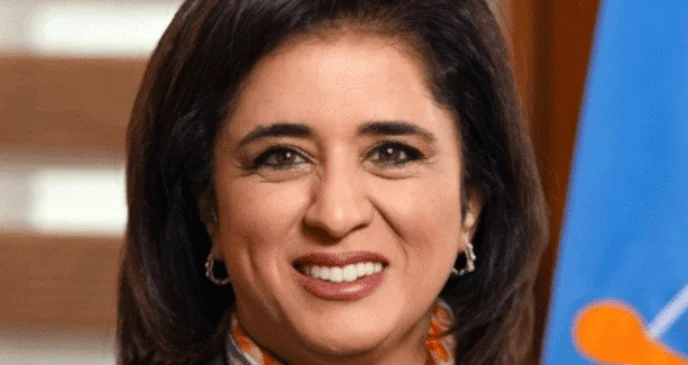
The race for the leadership of the United Nations’ premier health agency has officially entered a critical phase, bringing forward a slate of visionary leaders seeking to steer global health through an era of unprecedented crisis. Among the prominent contenders is Dr Hanan Balkhy, Saudi Arabia’s official candidate for the position of World Health Organization (WHO) Director-General. Pledging to build "a WHO the world can count on," Dr Balkhy has anchored her comprehensive leadership platform on three foundational pillars: absolute scientific independence, rapid emergency response capabilities, and rigorous fiscal accountability.
As the current Regional Director for the WHO’s Eastern Mediterranean Regional Office (EMRO) and a seasoned medical professional with deep international experience, Dr Balkhy steps forward with a pragmatic understanding of the organization’s immense structural challenges. In a recent extensive interview on the Inside Geneva podcast—co-produced by SwissInfo and the Geneva Graduate Institute’s Global Health Centre, in collaboration with Health Policy Watch—she outlined her strategic vision for the global health body. Addressing a listening audience of diplomats, policymakers, and global health stakeholders, she candidly confronted the realities of modern multilateral health governance, emphasizing that navigating the future requires doing significantly more with constrained financial resources.
A Career Rooted in Clinical Excellence and Public Health Leadership
Dr Balkhy’s journey to the highest echelons of international public health is marked by a deep-seated commitment to clinical medicine and humanitarian service. A citizen of Saudi Arabia who also holds dual citizenship and completed rigorous medical training in the United States, her ambition has always been rooted in serving humanity on a broad scale. Over the course of her distinguished career, she has transitioned from frontline clinical practice and pediatric infectious disease specialization to influential leadership roles at national and international levels.
Before taking the helm at EMRO, Dr Balkhy served as the Assistant Director-General for Antimicrobial Resistance (AMR) at WHO headquarters in Geneva. In that capacity, she spearheaded global efforts to tackle one of the most silent yet devastating threats to modern medicine: the rise of drug-resistant pathogens. Her background gives her a unique insider’s perspective on the inner workings of the WHO, allowing her to identify operational bottlenecks and areas in urgent need of administrative and structural modernization.
Core Policy Platform: Confronting Global Crises
Dr Balkhy’s platform addresses the defining health emergencies of the 21st century, focusing specifically on three critical vectors: antimicrobial resistance, the intersection of climate change and human health, and the delivery of healthcare in active conflict zones.

The Looming Threat of Antimicrobial Resistance
Long before declaring her candidacy, Dr Balkhy championed the global fight against drug-resistant infections. Often described as a slow-moving pandemic, AMR threatens to render common surgical procedures and routine infections lethal once again. In her vision for the WHO, she stresses that the organization must act as a global clearinghouse for scientific data while assisting low- and middle-income countries in strengthening their laboratory capacities, regulating antibiotic use, and fostering research and development for novel therapeutics.
Climate Change and Health Vulnerabilities
The escalating climate crisis is no longer an environmental issue alone; it is rapidly morphing into a catastrophic public health emergency. From vector-borne diseases expanding into new geographic zones to extreme weather events devastating local health infrastructure, climate change disproportionately impacts vulnerable populations. Dr Balkhy advocates for a proactive WHO that integrates climate resilience directly into national health system strengthening, ensuring that healthcare facilities can withstand environmental shocks while simultaneously reducing their own carbon footprints.
Protecting Healthcare in Conflict Zones
Perhaps one of the most impassioned dimensions of Dr Balkhy’s platform is her vehement warning against the "normalization" of attacks on hospitals, medical transport, and healthcare workers in regions torn apart by war. In recent years, conflicts across the globe have increasingly violated international humanitarian law, with medical facilities targeted or systematically degraded. Dr Balkhy insists that the WHO must use its moral authority and diplomatic convening power to document these violations, demand accountability, and protect the sanctity of medical neutrality even in the darkest hours of armed conflict.
Financial Realities: Navigating a Slimmer Funding Landscape
One of the most pressing challenges facing any incoming Director-General of the WHO is the complex architecture of institutional financing. For decades, the organization has relied heavily on voluntary contributions from member states and philanthropic foundations, which often come with strings attached or specific directives that limit institutional flexibility.
"The bottom line is that the funding is slimmer," Dr Balkhy noted during her discussion with Imogen Foulkes on Inside Geneva. This fiscal constraint demands a strategic pivot. Rather than relying on infinite budgetary expansion, a reformed WHO must prioritize strategic allocation, enhance transparency, and eliminate bureaucratic redundancies. Dr Balkhy’s emphasis on fiscal accountability resonates deeply with member states that demand tangible, cost-effective outcomes for every dollar contributed to global health security.
Background Context and the 2027 WHO Election Timeline
The election cycle for the WHO Director-General is a rigorous, multi-stage diplomatic and technical process that shapes the trajectory of global health policy for a five-year term. The upcoming election process for the 2027 term comes at a critical historical juncture, arriving in the wake of the lessons learned from the COVID-19 pandemic, ongoing negotiations over the global Pandemic Agreement, and mounting geopolitical tensions that threaten multilateral cooperation.
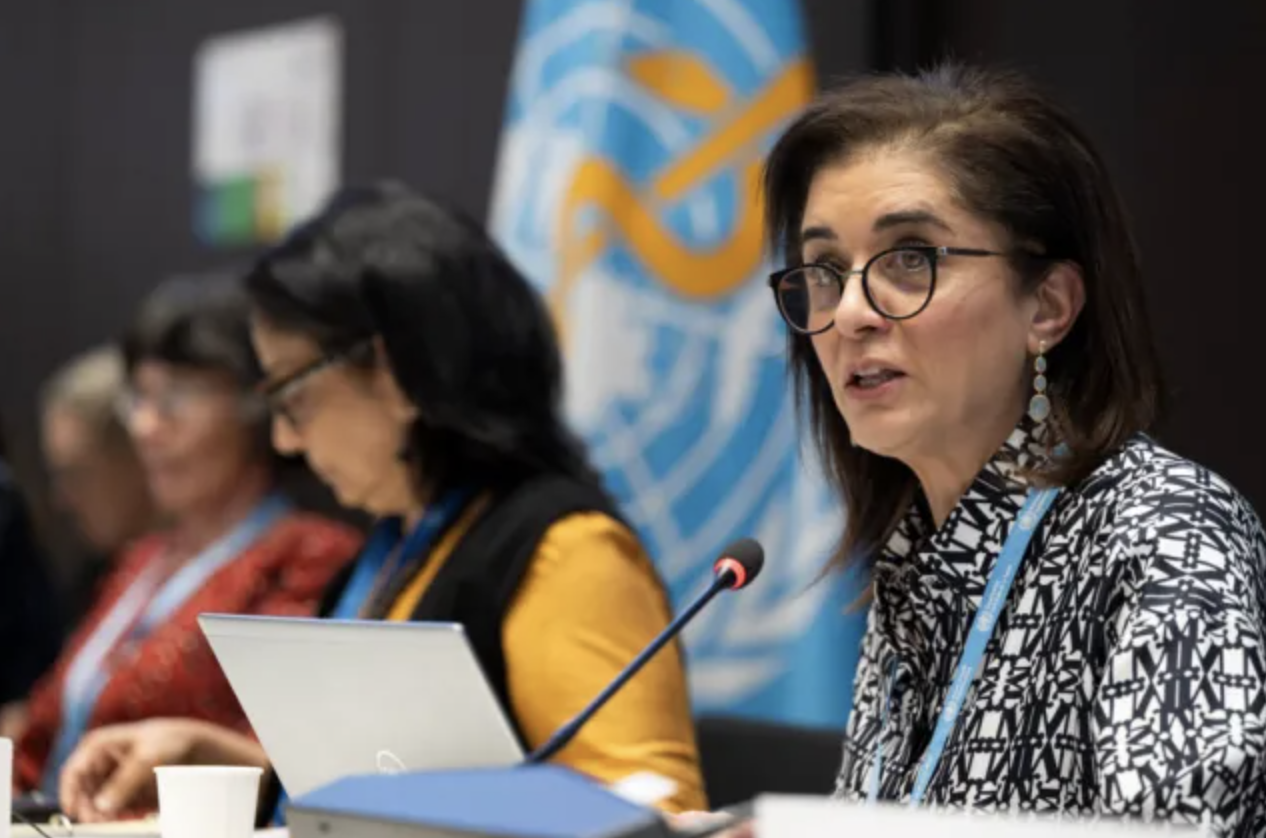
The timeline for the leadership selection typically unfolds over several months:
- Nomination Phase: Member states submit their official candidates, who must meet stringent professional and health-related criteria.
- Executive Board Evaluation: The WHO Executive Board reviews the candidates, conducts interviews, and ultimately shortlists a select group of nominees to present to the World Health Assembly.
- World Health Assembly Vote: Delegates from all WHO member states convene in Geneva to cast their secret ballots, electing the next Director-General who will lead the organization into the next decade.
As part of this transparent evaluation process, media collaborations involving outlets like Health Policy Watch, SwissInfo, and the Geneva Graduate Institute have established dedicated platforms—such as the WHO DG Elections 2027 special portal—to scrutinize candidates’ platforms, track their public appearances, and foster robust public debate regarding the future of global health governance.
Analytical Implications for Global Health Governance
The candidacy of Dr Hanan Balkhy brings several strategic implications to the forefront of international relations and public health administration.
First, her geographic and professional background reflects a broader shift toward regionalized leadership that understands the specific vulnerabilities of the Global South while maintaining fluency in Western-dominated diplomatic spaces. Having managed the Eastern Mediterranean region—an area plagued by protracted humanitarian crises, fragile health systems, and infectious disease outbreaks—she possesses firsthand experience in crisis management under fire.
Second, her dual emphasis on scientific independence and fiscal restraint addresses the dual criticisms often leveled against international organizations. Critics have periodically accused multilateral agencies of succumbing to political pressure or suffering from administrative bloat. By placing scientific integrity and financial transparency at the core of her campaign, Dr Balkhy aims to restore unwavering trust among donor nations and recipient countries alike.
Conclusion
As the global community prepares for the pivotal 2027 leadership transition, candidates like Dr Hanan Balkhy are setting a high bar for debate on the future of international health cooperation. By confronting uncomfortable truths about shrinking budgets, escalating climate threats, and the alarming erosion of humanitarian norms in conflict zones, her platform extends far beyond routine administrative governance. It offers a strategic blueprint for an agile, accountable, and resilient World Health Organization capable of safeguarding humanity against the compounding crises of the twenty-first century.