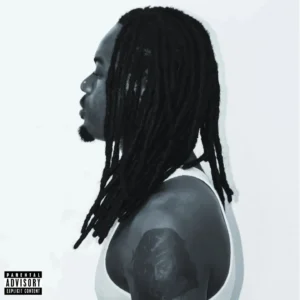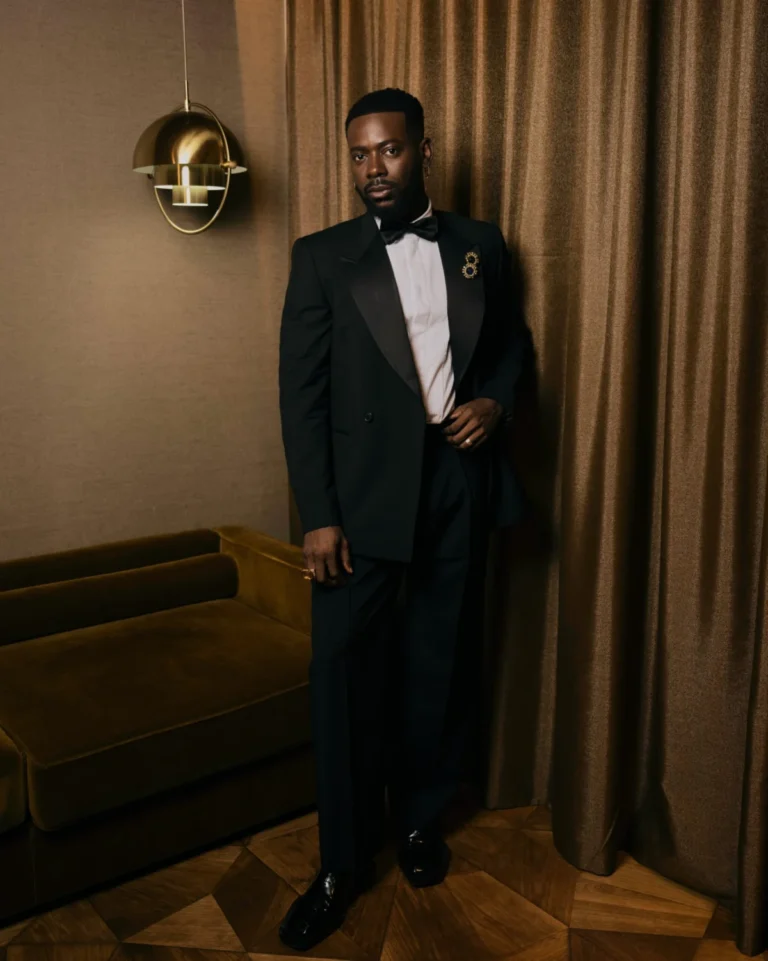
The intersection of global sports and contemporary pop culture reached a new milestone on October 28, 2026, when Nigerian singer-songwriter Adekunle Gold made a high-profile appearance at the 70th annual Ballon d’Or ceremony. Held at the historic London Palladium, the prestigious football gala brought together the world’s elite athletes, coaches, and celebrities to celebrate the finest achievements in association football. Amidst a sea of traditional black-tie formalwear and athletic royalty, the Afrobeats star captured international media attention with a sartorially daring yet classic ensemble, later translating his signature energy to the official after-party stage.
Main Facts: High Fashion Meets Global Football Royalty
The 70th installment of the Ballon d’Or has historically functioned as a strict celebration of footballing excellence, overseen by France Football. In recent years, however, the event has increasingly transformed into a premier global red-carpet fashion fixture, attracting high-profile figures from the worlds of cinema, music, and fashion. Adekunle Gold, widely known by his moniker AG Baby, positioned himself firmly at the center of this cultural crossover.
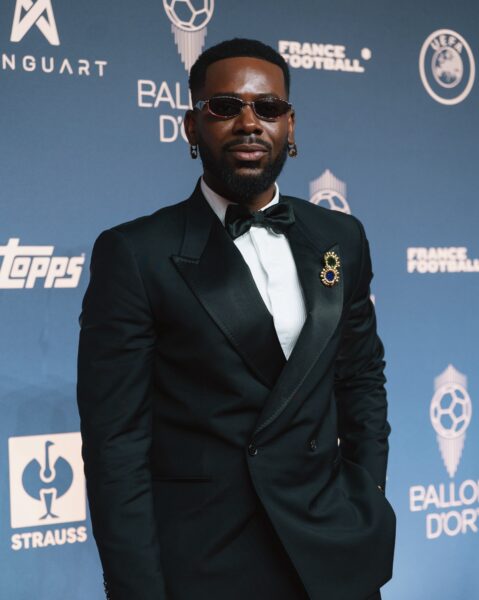
Arriving at the London Palladium, Adekunle Gold opted for a bespoke black double-breasted tuxedo featuring exaggerated, wide satin peak lapels that updated the traditional silhouette. Underneath the tailored jacket, he wore a crisp white pleated dress shirt paired with a classic black satin bow tie.
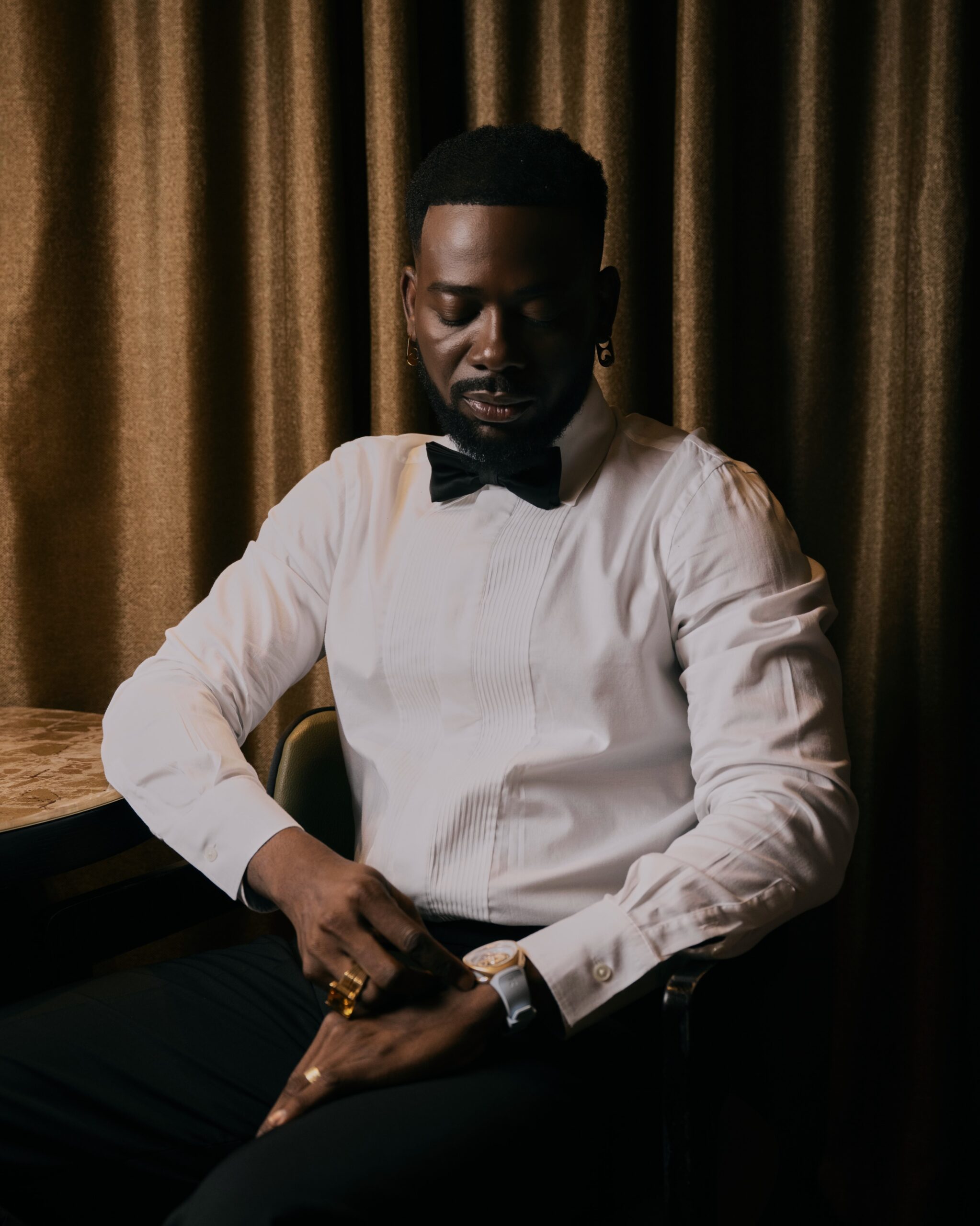
Departing from conventional minimalism, the artist elevated the ensemble through carefully curated accessories. Most notable was a circular lapel brooch featuring a vivid blue center stone encased in textured gold detailing. Further breaking the monotony of the monochromatic base, he donned dark oval sunglasses, statement gold hoop earrings, a prominent gold ring, and a luxury wristwatch secured by a classic leather strap. Grounding the outfit with polished black patent leather shoes, the Nigerian musician successfully merged traditional European formalwear with contemporary Afrobeats-inspired luxury accessorizing.
Chronology of Events: From the Red Carpet to the Stage
The evening’s proceedings unfolded through a carefully choreographed schedule designed to honor the global elite before transitioning into private celebrations.
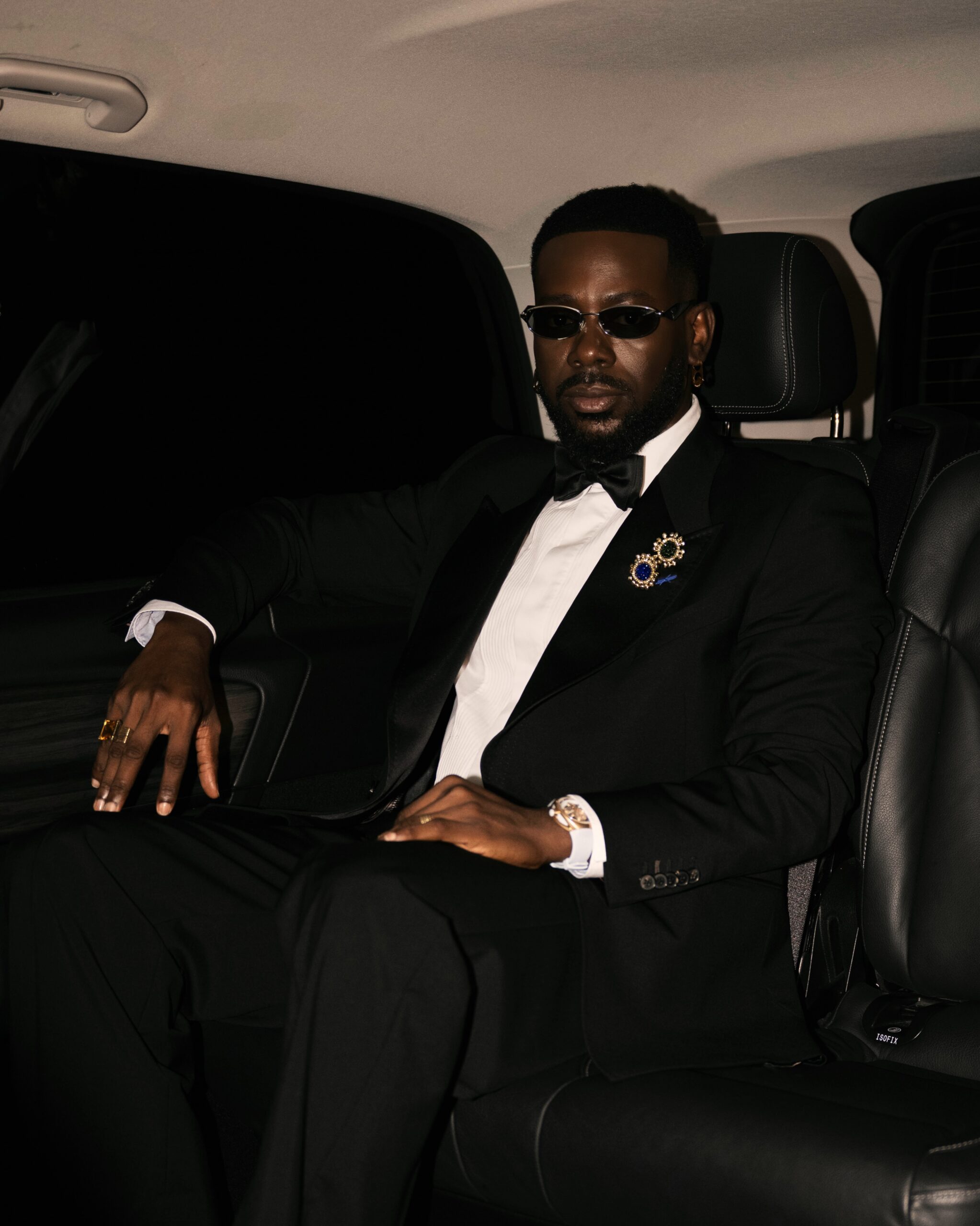
The timeline of Adekunle Gold’s engagement with the Ballon d’Or festivities underscores the expanding footprint of African artists in premier European entertainment spaces:
- Early Evening (Red Carpet Arrival): Adekunle Gold arrived at the London Palladium alongside international dignitaries and football nominees, participating in official photocall sessions and showcasing his black-tie ensemble to global fashion critics.
- Main Ceremony: The artist joined the audience inside the venue for the presentation of the 70th Ballon d’Or awards, observing top-tier athletes receive global recognition.
- Late Night (The Official After-Party): Following the conclusion of the formal gala, the focus shifted to the exclusive post-ceremony celebration. Adekunle Gold transitioned from spectator to headliner, taking the stage to perform a high-energy rendition of his chart-topping hit single "Party No Dey Stop," alongside other crowd favorites.
Supporting Data: The Rise of Afrobeats on Global Stages
The presence of a leading Nigerian artist at an event traditionally dominated by European sports figures highlights the ongoing globalization of Afrobeats. Over the past decade, the genre has transitioned from regional dominance to mainstream integration across Western entertainment sectors, including fashion weeks, film premieres, and high-profile sporting events.
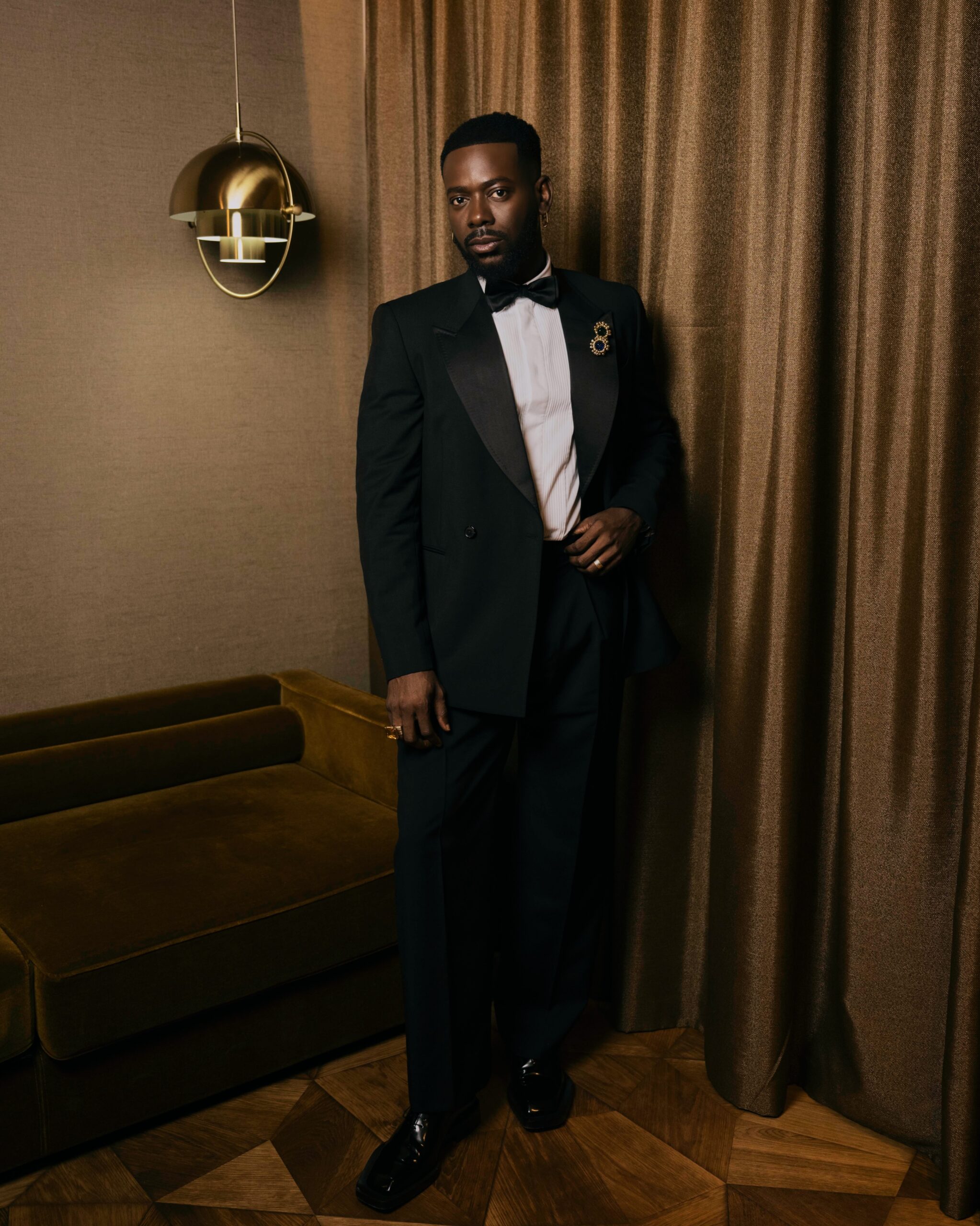
Industry metrics indicate that African music consumption outside the continent has grown exponentially, fueled by strategic collaborations between African artists and global brands. Events such as the Ballon d’Or serve as critical cultural nodes where music, sports, and fashion intersect. By securing a performance slot at the official after-party, Adekunle Gold demonstrated the commercial and cultural viability of booking Afrobeats acts for non-musical, high-net-worth international gatherings.
Furthermore, the economic implications of such appearances are substantial. Artists who bridge the gap between music and high fashion frequently secure lucrative brand partnerships with luxury houses. Adekunle Gold’s meticulous styling in London—highlighting bespoke tailoring paired with statement jewelry—exemplifies the growing market for African musicians within the global luxury fashion ecosystem.
Broader Impact and Implications
The integration of Afrobeats figures into marquee European sporting events reflects a broader strategic shift in how global entertainment brands engage diverse audiences. As football governing bodies seek to modernize their image and capture younger, digitally connected demographics, cultural curation has become as important as the core athletic competition.
By inviting artists of Adekunle Gold’s stature to perform at official events, organizers signal an acknowledgment of contemporary youth culture, where music, style, and sport are inextricably linked. For the Afrobeats genre, these platforms provide invaluable mainstream exposure to audiences that transcend traditional music listeners.
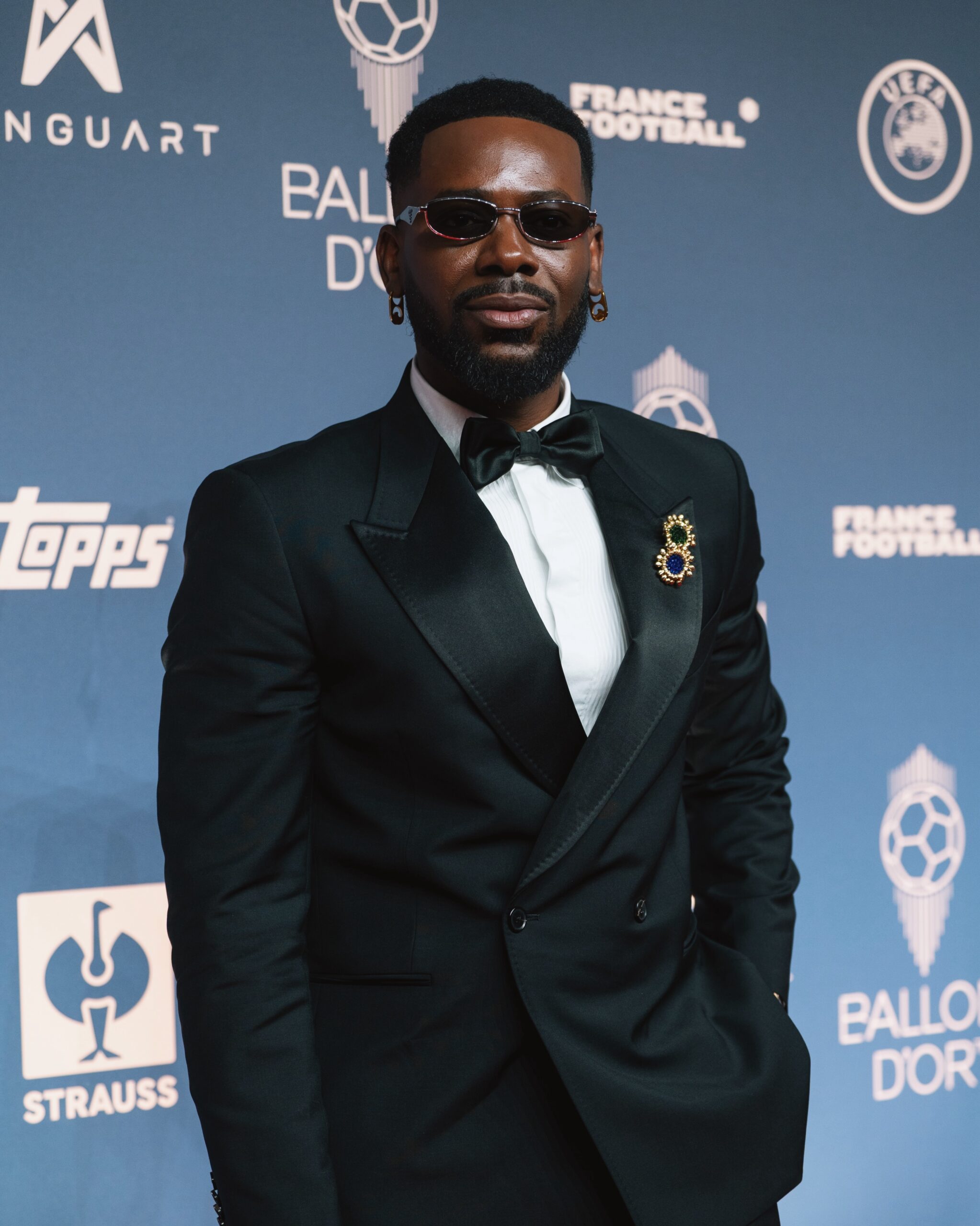
As the boundaries between vertical industries continue to dissolve, appearances like Adekunle Gold’s at the London Palladium establish a new precedent for international artist participation. The event not only reinforced London’s status as a central hub for cross-industry collaboration but also cemented the growing influence of African creatives in shaping global lifestyle and fashion trends.