ASEAN leaders call Myanmar dialogue ceasefire expansion, a crucial step towards resolving the ongoing conflict in Myanmar. This initiative seeks to broaden the existing ceasefire efforts, potentially bringing much-needed peace and stability to the region. The complex history of the conflict, the diverse actors involved, and the potential ramifications of a ceasefire expansion are all key factors to consider.
This post explores the multifaceted nature of this crucial diplomatic effort.
The Myanmar crisis has deep roots, stemming from a complex interplay of political, social, and economic factors. Understanding the historical context, the current political landscape, and the various factions involved is essential to grasping the significance of this call for dialogue. This call for dialogue and ceasefire expansion comes after years of attempts, each with its own unique set of challenges and limitations.
ASEAN’s role in this process is pivotal, given its regional influence and stated commitment to peace and stability.
Background of the Myanmar Crisis
The ongoing crisis in Myanmar is a complex and deeply troubling situation, rooted in decades of political and social tensions. The country’s transition from military rule to a nascent democracy has been marred by escalating violence and a struggle for power. This has led to a humanitarian crisis, with widespread displacement and human rights violations. Understanding the historical context and the intricate web of actors involved is crucial to grasping the gravity of the current situation.The situation is further complicated by the absence of a unified, reliable source of information, with different factions and international actors often presenting conflicting narratives.
This makes it challenging to form a complete picture and assess the true impact of the crisis on the population. Therefore, a thorough examination of the past, present, and potential future is necessary to gain a deeper understanding of the conflict.
Historical Overview of the Conflict
Myanmar’s history is punctuated by periods of military rule, ethnic conflicts, and political instability. The country’s struggle for democracy and self-determination has been a long and arduous one, often fraught with violence. The 1962 military coup ushered in decades of authoritarian rule, which created deep-seated resentment and fueled ethnic tensions. Subsequent attempts at reform, often met with resistance from the military, highlighted the fragility of the political landscape.
ASEAN leaders’ call for a Myanmar dialogue and ceasefire expansion is crucial, highlighting the need for peaceful resolutions. It’s important to consider the complexities of conflict, like the intersectionality of oppression, which Kimberlé Crenshaw’s work on Black Lives Matter, specifically in her essay kimberle crenshaw black lives matter essay , beautifully illustrates. Ultimately, finding lasting peace in Myanmar requires understanding these interconnected struggles and supporting efforts for a just and inclusive future.
These events, coupled with the rise of the Rohingya crisis, significantly contributed to the current complex situation.
Current Political Landscape and Actors
The current political landscape in Myanmar is characterized by a power struggle between the military, the elected civilian government (prior to the coup), and various ethnic armed groups. The military’s continued grip on power, coupled with the emergence of a parallel civilian administration, has created a fragmented and unstable environment. The role of regional and international actors, such as ASEAN, the United Nations, and various Western nations, also plays a critical part in influencing the trajectory of the conflict.
The varying interests and pressures on these actors add another layer of complexity to the situation.
Significance of ASEAN’s Call for Dialogue and Ceasefire
ASEAN’s call for dialogue and ceasefire is a significant step towards de-escalating the conflict. The organization’s role as a regional mediator is crucial in fostering communication and finding common ground between the conflicting parties. The call reflects a shared commitment to peace and stability in the region. However, the success of this initiative relies heavily on the willingness of all parties to engage constructively in the process.
Previous Attempts at Peace Negotiations and Outcomes
Numerous attempts at peace negotiations have been made in the past, but with limited success. Previous agreements have often been violated or disregarded, highlighting the challenges in achieving lasting peace in a deeply fractured society. The lack of trust and commitment to the negotiating process has been a persistent obstacle. The complex political and social factors in Myanmar contribute to the difficulties in achieving a sustainable resolution.
Factions Involved in the Conflict
| Faction | Position | Historical Relationship with Other Factions |
|---|---|---|
| Military Junta | Maintains control through force and intimidation. | Historically antagonistic towards ethnic groups and democratic movements. Relationships with ethnic groups vary greatly, with some periods of cooperation and significant periods of conflict. |
| National Unity Government (NUG) | Represents the ousted civilian government and seeks restoration of democratic rule. | Seeks cooperation with ethnic armed organizations to unify opposition against the military junta. |
| Ethnic Armed Groups | Diverse groups fighting for autonomy or self-determination. | Relationships vary greatly, from cooperation to conflict, depending on shared goals and historical grievances. |
| Rohingya Community | Faces persecution and displacement. | Historically marginalized and targeted by the military, leading to a history of conflict. |
Previous conflicts between these factions have left a legacy of mistrust and animosity, further complicating any attempt at a peaceful resolution. The diverse motivations and historical grievances among these groups make a unified approach to peace negotiations a formidable challenge.
ASEAN’s Role and Influence: Asean Leaders Call Myanmar Dialogue Ceasefire Expansion
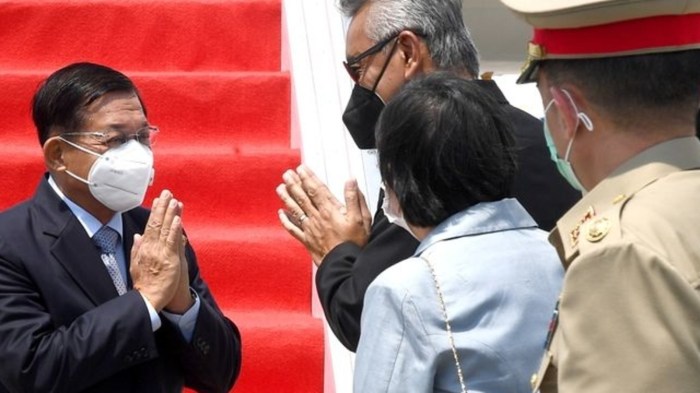
ASEAN’s engagement with the Myanmar crisis reflects its commitment to regional stability and its unique approach to diplomacy. The organization’s principles of consensus-building and non-interference have been central to its efforts, although these principles have also been criticized for their perceived limitations in addressing the urgency of the situation. This section delves into ASEAN’s stated objectives, methods, and actions, comparing them to other international initiatives.ASEAN’s stated objectives in addressing the Myanmar crisis center around promoting dialogue, fostering a ceasefire, and ultimately achieving a peaceful resolution.
The organization emphasizes the importance of respecting Myanmar’s sovereignty while simultaneously urging the government to address the concerns of its people. This balanced approach, however, has been a subject of ongoing debate.
ASEAN’s Stated Objectives and Approach
ASEAN’s primary objective in the Myanmar crisis is to facilitate a peaceful resolution through dialogue and cooperation among all stakeholders. Their approach is rooted in the principle of non-interference in the internal affairs of member states, a core tenet of ASEAN’s charter. This approach, while intended to preserve regional harmony, has been criticized for potentially hindering the effective addressing of the crisis.
Strengths and Limitations of ASEAN’s Mediation Efforts
ASEAN’s mediation efforts have been praised for their inclusivity, fostering dialogue among various factions within Myanmar. However, critics highlight the organization’s slow pace of progress and its perceived hesitancy to impose concrete sanctions or take stronger actions against those responsible for human rights abuses.
Specific Actions Taken by ASEAN Leaders
ASEAN leaders have consistently held numerous meetings and summits focused on the Myanmar crisis. These meetings have involved dialogue with both the Myanmar government and opposition groups, seeking common ground for a resolution. Specific actions taken include the establishment of special envoy missions and the issuance of numerous statements condemning violence and urging dialogue. The extent to which these actions have directly influenced the course of events in Myanmar remains a matter of ongoing debate.
Comparison to Other Regional or International Initiatives
ASEAN’s approach to the Myanmar crisis has been compared to other regional and international initiatives, such as the UN’s engagement. While ASEAN’s emphasis on dialogue and consensus-building is distinctive, other initiatives have focused on targeted sanctions and the use of international pressure to influence the Myanmar government. The effectiveness of each approach is a complex issue, and various factors like the specific context of the situation and the nature of the political dynamics involved must be considered.
ASEAN Member States’ Stances on the Myanmar Crisis
| Member State | General Stance | Specific Actions (Examples) |
|---|---|---|
| Indonesia | Advocates for a peaceful resolution through dialogue and diplomacy. | Active participation in ASEAN summits and special envoy missions. |
| Malaysia | Similar to Indonesia, emphasizing dialogue and the need for a political solution. | Issuing statements condemning violence and urging dialogue. |
| Singapore | Focuses on stability in the region and a peaceful resolution to the crisis. | Engaging in diplomatic efforts and supporting ASEAN initiatives. |
| Thailand | Maintaining a neutral stance, advocating for dialogue and a ceasefire. | Participation in ASEAN-led efforts to encourage dialogue. |
| …and others | Varied stances, but generally advocating for a peaceful resolution. | Participation in various meetings and diplomatic efforts. |
Note: This table provides a general overview. Specific stances and actions may vary among member states and evolve over time. Detailed information on specific actions is subject to ongoing updates and further research.
Implications of a Ceasefire Expansion
A wider ceasefire in Myanmar, while a crucial step towards peace, presents a complex web of potential benefits and challenges. Its success hinges on careful consideration of the diverse actors and their motivations, alongside the potential impact on humanitarian efforts and regional stability. This exploration delves into the intricacies of a ceasefire expansion, assessing its implications for the long-term peace process.A comprehensive ceasefire expansion, encompassing various armed factions, promises a significant reduction in violence and potential for humanitarian access.
However, the transition from conflict to peace requires careful management of power dynamics and potential resistance from those unwilling to relinquish their influence. The expansion’s success will be determined by the active engagement of all stakeholders, their commitment to the agreement, and the effectiveness of mechanisms for monitoring and enforcement.
Potential Benefits of a Wider Ceasefire
A broader ceasefire agreement can potentially lead to a significant reduction in violence, allowing for greater humanitarian access and the protection of civilians. This can facilitate the resumption of vital services and the delivery of aid to those in need. Reduced fighting can also create an environment conducive to economic recovery and development, which is crucial for rebuilding communities devastated by conflict.
A wider ceasefire, when successful, sets the stage for a more inclusive peace process.
Challenges Associated with a Wider Ceasefire
Implementing a broader ceasefire faces numerous challenges, including the varying interests and motivations of armed groups. Difficulties in reaching consensus among conflicting parties can lead to disagreements over the terms of the agreement, hindering its implementation and potentially escalating tensions. The presence of unresolved grievances and power imbalances can also create obstacles to lasting peace. Trust-building among formerly hostile groups is essential but may take considerable time and effort.
Impact on Humanitarian Aid Delivery and Civilian Safety
A wider ceasefire can significantly improve humanitarian aid delivery by creating a safer environment for aid workers and beneficiaries. This will reduce the risk of attacks on aid convoys and humanitarian facilities, allowing for more efficient and widespread assistance. Improved civilian safety is a direct consequence, allowing individuals to access essential services and fostering a more stable environment for recovery.
The expanded ceasefire’s positive impact will be contingent upon the active cooperation of armed groups and the provision of security guarantees.
Consequences for Regional Security and Stability
The implications of a ceasefire expansion on regional security and stability are multifaceted. A successful expansion can lead to a more peaceful and predictable regional environment, fostering cooperation and potentially reducing the risk of spillover effects. Conversely, a poorly implemented ceasefire could exacerbate existing tensions or create new conflicts, impacting the region’s overall security. The international community’s commitment to supporting the process is vital to ensuring regional stability.
Influence on the Long-Term Peace Process
A wider ceasefire, if successfully implemented, can pave the way for a comprehensive peace process, including political negotiations, constitutional reform, and reconciliation efforts. This can create a more inclusive and sustainable solution to the conflict, leading to long-term peace and stability. However, the long-term impact will be determined by the willingness of all parties to engage in genuine dialogue and compromise.
Success hinges on the establishment of mechanisms for addressing grievances, promoting accountability, and ensuring lasting security for all.
Potential Scenarios of Ceasefire Expansion and Their Outcomes
| Scenario | Description | Potential Outcome |
|---|---|---|
| Scenario 1: Comprehensive Ceasefire | All major armed groups sign and adhere to the ceasefire agreement. | Significant reduction in violence, improved humanitarian access, potential for political dialogue and reconciliation. |
| Scenario 2: Partial Ceasefire | Only some armed groups sign the agreement, while others remain engaged in conflict. | Limited reduction in violence, potential for humanitarian access in some areas, but ongoing conflict in other regions. |
| Scenario 3: Unilateral Ceasefire | One or more parties declare a ceasefire without broad agreement. | Limited impact on violence, potential for localized peace but risks escalation if not adhered to by other groups. |
Challenges and Obstacles to Dialogue
The path towards a sustainable ceasefire in Myanmar faces numerous formidable obstacles. Deep-seated mistrust, entrenched political positions, and a complex web of actors with competing interests all contribute to a challenging environment for meaningful dialogue. These obstacles are not insurmountable, but require a nuanced understanding of the underlying issues and the various perspectives involved.
Key Obstacles Hindering Dialogue
The pursuit of a peaceful resolution in Myanmar is hampered by several crucial factors. Firstly, deep-rooted political divisions between the military and civilian factions create an environment of suspicion and animosity. Second, the military’s control over significant resources and infrastructure further entrenches their power, making negotiation from a position of equality difficult. Furthermore, the fragmented opposition groups often lack unified leadership, making it challenging to negotiate a common position.
Finally, external pressures and interventions from regional and international actors can complicate the process, sometimes inadvertently escalating tensions.
Actors Opposing or Undermining Efforts
Various actors actively oppose or undermine efforts towards a ceasefire. The military junta, entrenched in power, may resist concessions that would compromise its authority. Certain factions within the armed opposition may also have conflicting agendas, potentially hindering the formation of a united front. External actors, including some regional powers with vested interests, might also interfere with the process through political or economic pressure, thereby creating further obstacles to dialogue.
Power Imbalances and Entrenched Positions
The power imbalance between the military and the civilian opposition is a significant obstacle to dialogue. The military controls significant portions of the country, and their control over resources and infrastructure gives them a significant leverage advantage in negotiations. This imbalance creates a situation where the opposition is often forced to negotiate from a position of weakness. Furthermore, entrenched positions on both sides, rooted in years of conflict and political maneuvering, make compromise difficult.
Past grievances and perceived injustices fuel the ongoing conflict and create barriers to dialogue.
Understanding Different Perspectives and Interests, Asean leaders call myanmar dialogue ceasefire expansion
Diverse perspectives and interests of various stakeholders contribute to the complexity of the situation. The military’s primary interest is likely to maintain control and legitimacy, while the opposition seeks a democratic transition. Ethnic minority groups often have specific concerns and demands related to self-determination and autonomy, which may not align with the goals of the majority. Understanding these nuanced perspectives is crucial for navigating the obstacles and achieving a sustainable resolution.
Different stakeholders may have conflicting motivations, making agreement on common ground difficult.
Stakeholder Perspectives Comparison
| Stakeholder | Primary Interest | Potential Obstacles | Perspective on Ceasefire |
|---|---|---|---|
| Military Junta | Maintaining control, legitimacy | Fear of losing power, distrust of opposition | Possibly reluctant to fully cede power, seeking assurances |
| Civilian Opposition | Democratic transition, restoring civilian rule | Military resistance to concessions, lack of unified leadership | Seeking a ceasefire that facilitates a peaceful transfer of power |
| Ethnic Minority Groups | Self-determination, autonomy | Concerns about marginalization, potential for exclusion | Seeking a ceasefire that respects their rights and interests |
| International Community | Promoting peace, stability | Potential for interference, varying agendas of stakeholders | Supporting a ceasefire that promotes dialogue and resolution |
Potential Outcomes and Future Prospects
The Myanmar crisis, marked by deep-seated conflict and political instability, presents a complex landscape for potential outcomes. The ASEAN-led dialogue and proposed ceasefire expansion hold promise, yet the path forward is fraught with uncertainties. Success hinges on the willingness of all parties to engage constructively and commit to lasting peace.The potential future scenarios for the conflict, and the role of ASEAN, are not predetermined.
The effectiveness of the ceasefire expansion will depend significantly on the commitment and actions of the various factions involved. Ultimately, the region’s long-term stability rests on the ability of all stakeholders to find common ground and pursue a path toward lasting peace.
ASEAN leaders are pushing for a wider dialogue ceasefire in Myanmar, hoping to ease the ongoing conflict. Meanwhile, the recent IAEA report on Iran’s secret nuclear activities with undeclared material, as detailed in this report , highlights the complex global security landscape. This underscores the need for continued diplomatic efforts to resolve conflicts like the one in Myanmar.
Possible Scenarios for a Successful Ceasefire Expansion
The successful expansion of a ceasefire in Myanmar could lead to several positive developments. A sustained period of reduced violence would allow for humanitarian aid delivery, enabling crucial assistance to those affected by the conflict. A stable environment would also facilitate the return of displaced persons, a crucial step toward rebuilding communities and livelihoods. Furthermore, a successful ceasefire could pave the way for meaningful political dialogue, potentially leading to a negotiated settlement that addresses the root causes of the conflict.
- Reduced Violence and Humanitarian Access: A ceasefire expansion could significantly reduce violence, enabling humanitarian organizations to deliver aid more effectively to conflict-affected areas, improving the lives of civilians and fostering stability. This is similar to the success of previous ceasefire agreements in other conflict zones, where a reduction in fighting facilitated humanitarian access and improved the overall human condition.
- Return of Displaced Persons: A sustained ceasefire could create a safer environment for the return of displaced persons to their homes, allowing communities to rebuild and recover from the trauma of the conflict. This is seen in other post-conflict situations, where safe return initiatives have facilitated a return to normalcy and stability.
- Political Dialogue and Negotiated Settlement: The ceasefire could provide a platform for meaningful political dialogue among the various factions. This dialogue could potentially lead to a negotiated settlement, addressing the root causes of the conflict and establishing a pathway towards lasting peace. Similar examples exist in other regions where negotiated settlements have helped resolve protracted conflicts.
Potential Long-Term Implications for the Region and Beyond
The implications of a successful ceasefire expansion in Myanmar extend far beyond the country’s borders. Regional stability would be enhanced, fostering a more secure and cooperative environment for all ASEAN members. The positive outcome would serve as a valuable model for conflict resolution in other parts of the world. It could also contribute to regional economic growth, as the cessation of hostilities facilitates trade and investment opportunities.
Challenges and Risks if Efforts Fail
Despite the potential benefits, the ceasefire expansion faces significant challenges. The entrenched positions of various actors, coupled with the complexity of the political landscape, could lead to setbacks. A failure to reach a consensus or the resumption of violence could further destabilize the region, potentially affecting regional trade and security.
Potential Outcomes: A Summary Table
| Scenario | Description | Probability |
|---|---|---|
| Successful Ceasefire Expansion | Reduced violence, humanitarian access, political dialogue, and potential negotiated settlement. | Moderate to High (depending on commitment of parties) |
| Limited Progress/Stalemate | Partial reduction in violence, limited humanitarian access, and continued political deadlock. | High |
| Escalation of Violence | Resumption of conflict, further displacement, and regional instability. | Low to Moderate (but a significant concern) |
Humanitarian Considerations
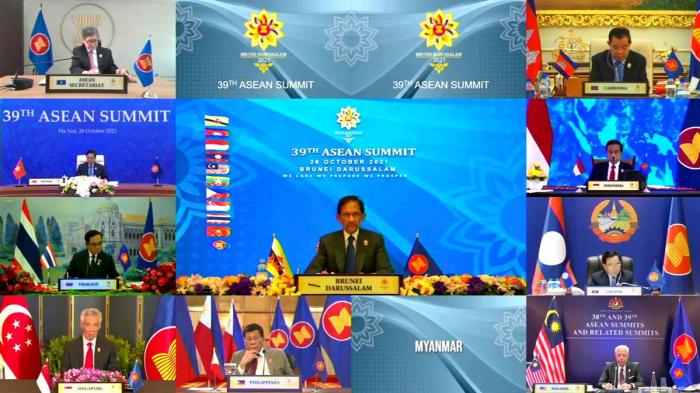
The ongoing conflict in Myanmar has created a profound humanitarian crisis, impacting millions of lives. The escalating violence, coupled with the breakdown of essential services, has led to widespread displacement, food insecurity, and a critical lack of access to healthcare and clean water. Understanding the multifaceted nature of this crisis is crucial to fostering effective aid efforts and ultimately, a path towards peace.
The Scope of the Humanitarian Crisis
The conflict in Myanmar has resulted in a massive displacement of civilians. Families are forced to flee their homes, seeking refuge in camps or with relatives, often facing dire conditions. Violence against civilians is a persistent threat, impacting their safety and well-being. Access to essential services, including healthcare, education, and clean water, is severely restricted in many areas, leading to preventable illness and suffering.
Vulnerable groups, such as women, children, and ethnic minorities, are disproportionately affected by the conflict, experiencing heightened levels of vulnerability and suffering.
Impact on Civilians and Vulnerable Groups
The conflict has had devastating consequences for civilians across Myanmar. The widespread destruction of infrastructure, including hospitals and schools, hinders access to essential services, exacerbating existing vulnerabilities. Children are particularly impacted, often witnessing violence and suffering from trauma. The conflict has also created a significant food security crisis, impacting families’ ability to access adequate nutrition. The impact on women is profound, often losing their livelihoods, facing gender-based violence, and enduring increased hardship.
Humanitarian Organizations’ Efforts
Numerous humanitarian organizations are actively working to provide assistance to those affected by the conflict. These organizations deliver crucial aid, including food, water, shelter, and medical supplies. They work tirelessly to reach remote areas and provide support to vulnerable communities. International organizations, alongside local NGOs, play a critical role in delivering aid and ensuring its equitable distribution.
ASEAN leaders are pushing for a wider ceasefire dialogue in Myanmar, a crucial step towards peace. Meanwhile, construction delays are causing significant issues, like the recent legal action by SkyCity against Fletcher NZ over the International Convention Centre, highlighting the complexities of large-scale projects. These delays, as seen in the case of the convention center, further complicate the already challenging situation in Myanmar, making the ASEAN-led dialogue even more critical.
skycity sues fletcher nz international convention centre delays Ultimately, finding solutions for both the international construction and political arenas will be key to progress.
Examples include providing mobile clinics to reach remote areas and setting up temporary shelters for displaced populations.
The Role of Aid in Peacebuilding
Aid plays a vital role in facilitating dialogue and peacebuilding. By providing essential support, humanitarian organizations can help alleviate suffering, create space for trust, and contribute to a more stable environment conducive to peace negotiations. The provision of aid is not merely a response to immediate needs but can also serve as a catalyst for reconciliation and long-term stability.
Humanitarian Needs by Region
| Region | Primary Needs | Secondary Needs |
|---|---|---|
| Northern Regions | Food, shelter, water, sanitation | Healthcare, psychosocial support, protection from violence |
| Central Regions | Emergency medical assistance, access to clean water | Trauma counseling, food supplies, temporary shelter |
| Eastern Regions | Protection from violence, shelter, food assistance | Healthcare, sanitation, access to education |
| Western Regions | Emergency medical care, food security, water access | Psychosocial support, protection for vulnerable groups |
Note: This table represents a general overview of humanitarian needs and is not exhaustive. Specific needs vary greatly depending on the local context and the evolving nature of the conflict. Data collection in conflict zones can be challenging and subject to significant inaccuracies. Organizations working on the ground often provide more specific and nuanced assessments.
International Community’s Response
The Myanmar crisis has elicited a varied and often complex response from the international community. Different nations and organizations have approached the situation with differing degrees of engagement, reflecting their unique geopolitical interests and ethical considerations. This multifaceted response has both contributed to and complicated efforts to achieve a peaceful resolution.The international community’s involvement, whether through diplomatic pressure, economic sanctions, or humanitarian aid, has significantly influenced the trajectory of the crisis.
The effectiveness of these interventions, however, is often debated, with varying perspectives on their impact and long-term consequences. Examining these responses, the approaches employed, and the resulting implications provides crucial insight into the challenges and opportunities facing the region.
International Actor Roles and Approaches
The international community’s engagement in the Myanmar crisis is characterized by a diverse range of actors, each with its own perspective and set of tools. These actors include individual nations, international organizations, and non-governmental entities. Their approaches, while sometimes overlapping, often differ significantly in terms of emphasis and strategy.
Summary of International Responses
A variety of international responses have emerged in reaction to the escalating situation in Myanmar. These include statements of condemnation from various governments, imposition of sanctions targeting individuals and entities involved in human rights abuses, and the provision of humanitarian aid to affected populations. The specific actions taken by each nation or organization are often tailored to their own interests and priorities.
Impact of Sanctions and Pressure
The impact of international sanctions and other forms of pressure on Myanmar has been a subject of considerable debate. Proponents argue that these measures can compel the military regime to change its behavior and prioritize the needs of its citizens. Critics, however, point to the potential for these measures to harm the civilian population, exacerbate economic hardship, and further destabilize the country.
The effectiveness of sanctions in achieving a desired outcome remains a complex question.
Perspectives of International Actors
International actors hold diverse perspectives on the Myanmar crisis, shaped by their geopolitical interests and moral values. Some countries prioritize upholding international norms and human rights, while others emphasize economic stability and regional cooperation. These differing priorities can lead to conflicting strategies and hinder collaborative efforts.
Comparison of International Organization Approaches
| Organization | Approach | Focus | Methods |
|---|---|---|---|
| United Nations | Mediation and humanitarian aid | Protecting civilians and promoting dialogue | Deploying peacekeepers, providing emergency relief, and advocating for political solutions |
| European Union | Sanctions and targeted measures | Holding perpetrators accountable and pressuring the regime | Imposing trade restrictions and travel bans on key figures |
| United States | Combination of sanctions and diplomatic engagement | Promoting democracy and human rights | Imposing sanctions on individuals and entities, while simultaneously pursuing diplomatic dialogue |
The table above highlights the differing strategies employed by various international organizations. Each approach reflects the organization’s unique mandate, resources, and geopolitical considerations. It’s important to acknowledge that these are not mutually exclusive; multiple approaches are often pursued simultaneously.
Epilogue
In conclusion, the ASEAN leaders’ call for Myanmar dialogue and ceasefire expansion presents a significant opportunity for peace and stability in the region. While significant challenges and obstacles remain, the potential benefits, particularly in terms of humanitarian aid delivery and regional security, are substantial. Ultimately, the success of this initiative hinges on the cooperation of all stakeholders and a shared commitment to finding a lasting solution to the crisis.
A detailed analysis of the historical context, ASEAN’s role, and potential implications provides a comprehensive understanding of this crucial diplomatic effort. The future of Myanmar, and the region as a whole, rests, in part, on the success of this expanded ceasefire initiative.