Asylum seekers go essex church help sessions not state benefits highlight a crucial gap in support systems. Many asylum seekers in Essex are relying on local churches for vital aid, including food, shelter, and counseling, while facing significant challenges accessing government benefits. This article explores the intricacies of this situation, examining the support offered by churches, the challenges of the state benefit system, and the potential for collaboration to create a more comprehensive support network for these vulnerable individuals.
The current situation of asylum seekers in Essex presents a complex picture. While local churches provide essential resources, the bureaucratic hurdles and stringent requirements of the state benefit system can create significant barriers to access. This disparity underscores the need for a more integrated approach to support, ensuring that all asylum seekers receive the assistance they need.
Understanding the Issue
Asylum seekers in Essex, like elsewhere in the UK, face a complex interplay of challenges in navigating the support systems available to them. This often involves navigating bureaucratic processes, language barriers, and cultural differences, while seeking safety and a new life. This article examines the current situation, exploring the support networks available, both from churches and government agencies.Essex, with its diverse communities, has seen an increase in asylum seekers.
This influx necessitates a comprehensive understanding of the support systems, both formal and informal, to ensure these individuals have access to the resources they need to rebuild their lives. The role of churches in providing practical assistance is also crucial, as is the critical role of government agencies in providing broader support.
The Current Situation of Asylum Seekers in Essex
The current situation of asylum seekers in Essex involves navigating a complex web of procedures and support services. Essex, like other parts of the UK, has seen an increase in the number of asylum seekers seeking refuge and support. Many face difficulties in adapting to a new environment, including language barriers, cultural differences, and the stress of uncertainty about their future.
Accessibility and Availability of Support Services
Access to support services in Essex is uneven, with some services being more readily available than others. This often depends on the specific needs of the individual and the availability of resources. While formal support systems exist, the informal networks within communities, including churches, play a vital role in supplementing official assistance.
Types of Support Offered by Essex Churches
Essex churches provide a variety of support services for asylum seekers, often focusing on practical assistance, emotional support, and language classes. These services are often tailored to meet the specific needs of the individuals, providing a compassionate approach to addressing the unique challenges they face. Some examples include providing food, shelter, clothing, and basic necessities, along with practical guidance and support in navigating bureaucratic processes.
Potential Barriers to Accessing State Benefits
Asylum seekers may encounter various barriers when trying to access state benefits in Essex. These can include lengthy application processes, complex eligibility criteria, and potentially insufficient resources. Further, a lack of awareness about the application procedures and bureaucratic requirements often creates obstacles. This can often lead to delays in receiving crucial support and potentially exacerbate the challenges they already face.
Comparison of Church and Government Agency Support
The support offered by churches often complements the support provided by government agencies. Churches often provide immediate and practical assistance, while government agencies focus on broader policy and legislation. This difference is essential, as it allows for a more holistic approach to support asylum seekers. Churches provide crucial emotional and practical support, while the government focuses on ensuring legal and policy compliance.
Overlap and Gaps in Services
There is a potential overlap between the services provided by churches and government agencies, where some areas of support may be duplicated. However, there may also be gaps in services, particularly regarding access to specialized support such as language classes or mental health services. The potential gap in resources between church support and government provision highlights the necessity of coordination and collaboration between both.
Analysis of Church-Based Support
Churches, often acting as vital community hubs, play a significant role in supporting asylum seekers. Beyond their spiritual guidance, they offer practical assistance, often filling critical gaps in the formal support systems. This analysis delves into the methods churches employ, the resources they utilize, and the limitations of their approach, highlighting the importance of collaboration with state agencies.Churches often act as a vital bridge between asylum seekers and the wider community, providing a safe space and a network of support that can be crucial for navigating the complexities of a new life in a foreign land.
This support often extends beyond immediate needs, fostering a sense of belonging and hope for the future.
So, asylum seekers in Essex are finding support at church groups instead of relying on state benefits. It’s a fascinating parallel to the themes explored in the recent movie, “Companion,” where the AI’s unexpected actions force characters to confront their own choices and rely on community for help. This surprising turn towards community-based support for asylum seekers in Essex is a real-world example of finding alternative solutions to societal challenges, mirroring the complexities in the movie’s companion movie ai ending.
It really highlights the importance of local support networks during times of crisis.
Methods of Reaching and Assisting Asylum Seekers
Churches utilize various methods to connect with and assist asylum seekers. They frequently employ outreach programs, distributing flyers and information in refugee centers and community gathering points. Personal connections through existing networks within the community, and partnerships with local organizations also play a key role. Furthermore, word-of-mouth referrals often prove effective in reaching those who may not be aware of available support.
Resources Employed for Support Sessions, Asylum seekers go essex church help sessions not state benefits
Churches leverage a range of resources to support their asylum seeker programs. These resources often include volunteer time, donated food, clothing, and other essential supplies. Financial contributions from members, community fundraising events, and partnerships with other organizations are also common. In some cases, churches even utilize their physical spaces, such as classrooms or community halls, to host support groups and workshops.
Services Provided by Churches
| Service | Description | Target Audience | Frequency |
|---|---|---|---|
| Food Provision | Daily meals, snacks, and essential food items. | All asylum seekers | Daily |
| Clothing Provision | Provision of basic clothing, including warm outerwear during colder months. | Asylum seekers in need | As needed, often on a weekly or bi-weekly basis. |
| Accommodation Support | Connecting asylum seekers with temporary housing options, often with local charities. | Asylum seekers facing homelessness or housing insecurity. | As needed, often temporary solutions. |
| Language Support | Connecting asylum seekers with language classes or tutors, often through volunteer networks. | Asylum seekers seeking to learn the local language. | Weekly or bi-weekly |
| Mental Health Support | Connecting asylum seekers with mental health resources or providing basic support groups. | Asylum seekers experiencing stress, anxiety, or trauma. | As needed |
| Legal Aid Information | Providing basic information on legal procedures and rights. | Asylum seekers seeking information on legal processes. | As needed, often during specific outreach sessions. |
Limitations of Church-Based Support
While churches play a vital role, relying solely on church-based support presents potential limitations. Resources can be unevenly distributed, depending on the generosity of donors and the availability of volunteers. Furthermore, the capacity of individual churches to provide comprehensive support may be limited by their size and resources.
Importance of Collaboration
Strong collaboration between churches and state agencies is crucial for effective support. This collaboration can leverage the strengths of both sectors, ensuring a more comprehensive and sustainable support system for asylum seekers. State agencies can provide crucial resources, legal guidance, and administrative support, while churches can offer a compassionate and personalized touch. This synergy can lead to more coordinated and effective support for vulnerable populations.
State Benefits System
Navigating the UK’s state benefits system can be a daunting task, especially for asylum seekers. This system, designed to support individuals and families in need, requires careful understanding of the process, eligibility criteria, and potential challenges. The complexities of the system often lead to delays and frustrations, highlighting the importance of support networks and accessible information.
Applying for State Benefits
The application process for state benefits typically involves completing online forms or visiting a local Jobcentre Plus office. Applicants need to provide detailed information about their personal circumstances, including their immigration status, financial situation, and any dependents. Thorough documentation is crucial to ensure a smooth application process. This process can be particularly complex for asylum seekers, requiring a clear understanding of the specific documents needed.
Requirements and Eligibility Criteria
Eligibility criteria vary significantly depending on the specific benefit. Factors such as length of stay in the UK, employment status, and financial resources play a key role in determining eligibility. Applicants need to demonstrate that they meet the specific requirements of each benefit. Meeting these requirements is not always straightforward for asylum seekers, who may face challenges in providing the necessary documentation or proving their circumstances.
Types of State Benefits for Asylum Seekers
| Benefit | Description | Eligibility Criteria |
|---|---|---|
| Housing Benefit | Financial assistance towards rent or mortgage payments. | Usually requires proof of accommodation and a low income, along with proof of UK address. Asylum seekers often need to demonstrate that they are genuinely seeking accommodation. |
| Council Tax Support | Assistance with council tax payments. | Based on income and household size, similar to housing benefit. Asylum seekers need to demonstrate that they meet the criteria for council tax. |
| Universal Credit | A single benefit that combines various benefits, covering housing, income support, and other essential living costs. | Eligibility is assessed based on income, work status, and other financial factors. Proof of UK address and immigration status is necessary. |
| Income Support | A means-tested benefit for those with low income and limited work opportunities. | This benefit requires a low income, and proof of limited work opportunities, often requiring details of job searching attempts. |
| Child Benefit | Financial support for children. | Parents or guardians of children living in the UK are eligible, though specific conditions apply. |
Navigating the System: Potential Difficulties
Asylum seekers often face significant challenges navigating the state benefits system. Language barriers, lack of familiarity with UK procedures, and complex documentation requirements can create hurdles. The bureaucratic nature of the system can be overwhelming, leading to delays and frustration. Furthermore, the lack of clear information and guidance can exacerbate these difficulties. Many asylum seekers lack the resources to navigate the complexities of the system independently, highlighting the need for accessible support.
Bureaucratic Hurdles in Accessing Benefits
Bureaucratic hurdles can significantly impact the ability of asylum seekers to access benefits. Delays in processing applications, stringent documentation requirements, and complex eligibility criteria can all contribute to difficulty in obtaining support. The process can be lengthy and frustrating, potentially creating financial hardship. A common example involves verifying immigration status; the complexity of this verification can significantly delay access to essential benefits.
Local churches in Essex are stepping up to help asylum seekers, providing essential support instead of relying on state benefits. It’s a real-world example of community action, which is commendable, but unfortunately, doesn’t address the bigger picture. Meanwhile, the UK PM, Starmer, is reportedly discussing NATO defense spending plans with Rutte on Monday, a crucial conversation about global security.
This highlights the complex interplay between international relations and local struggles, with the need for comprehensive solutions to support vulnerable individuals like asylum seekers. The need for long-term, sustainable solutions for asylum seekers remains paramount, and these local initiatives are just a part of the puzzle.
Further complications can arise from a lack of clear communication from relevant authorities.
Public Perception and Community Response: Asylum Seekers Go Essex Church Help Sessions Not State Benefits
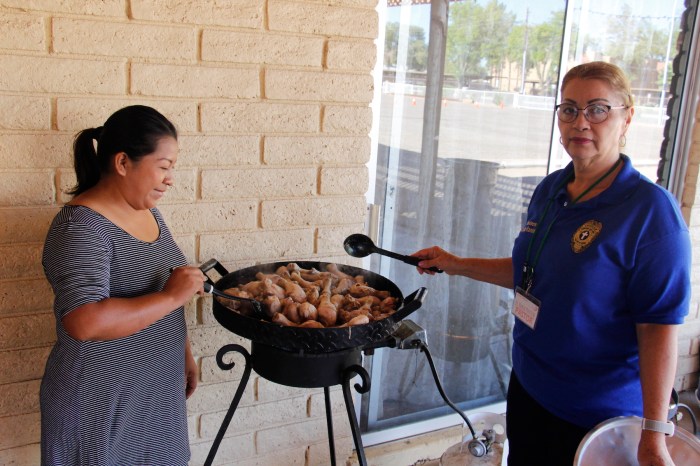
The arrival of asylum seekers in Essex, like elsewhere in the UK, has sparked a range of reactions from the public and local communities. Understanding these perceptions and responses is crucial for fostering a supportive environment. Diverse perspectives exist, reflecting varying levels of awareness and understanding about the challenges and opportunities presented by this influx. The complex interplay between public opinion, community initiatives, and local authority involvement requires careful consideration to ensure a smooth and equitable transition for all.Community responses to asylum seekers demonstrate a spectrum of attitudes, from welcoming and supportive to apprehensive or even resistant.
These reactions are often shaped by factors like pre-existing anxieties about resources, social change, or perceived economic impacts. Successfully navigating these differing perspectives requires a nuanced approach, acknowledging and addressing concerns while promoting understanding and collaboration.
Public Opinion on Asylum Seekers in Essex
Public opinion on asylum seekers in Essex, as elsewhere, is complex and multifaceted. While some express empathy and a desire to help, others hold concerns about the potential strain on local resources or changes to the social fabric. These differing viewpoints are influenced by factors such as media portrayals, personal experiences, and existing social networks. Accurate and balanced information is essential to fostering a more informed and nuanced understanding.
Community Support Initiatives for Asylum Seekers
Various community groups and individuals are actively supporting asylum seekers in Essex. These initiatives often involve practical assistance, such as providing accommodation, translation services, or access to English language courses. Other initiatives focus on fostering social integration, offering cultural exchange programs, or promoting community awareness through workshops and events. These varied efforts demonstrate the proactive spirit of local communities and highlight the diverse needs of asylum seekers.
It’s fascinating how asylum seekers in Essex are finding support through local church initiatives instead of relying solely on state benefits. This highlights the vital role of community support networks, and the often-overlooked potential of local groups. For instance, the inspiring work of Jotaka Eaddy, a leader in the jotaka eaddy winwithblackwomen movement , demonstrates how empowering women and communities can create positive change.
This local grassroots support, while commendable, still leaves the question of how adequate state benefits are in providing essential resources for these vulnerable individuals.
Role of Local Authorities in Addressing the Needs of Asylum Seekers
Local authorities in Essex play a critical role in coordinating and supporting the integration of asylum seekers. Their responsibilities extend to providing essential services, ensuring compliance with legal obligations, and facilitating collaboration between different stakeholders. These authorities are also responsible for addressing any potential concerns or issues raised by the public, promoting open dialogue, and maintaining a cohesive approach to supporting newcomers.
Table of Community Initiatives
| Initiative | Description | Location | Contact Info |
|---|---|---|---|
| Essex Refugee Support Network | Provides practical support, including accommodation, language classes, and cultural orientation to asylum seekers. | Various locations across Essex | [email protected] |
| Local Churches Offering Temporary Housing | Several churches in Essex provide temporary shelter and support to asylum seekers. | Various churches across Essex | Contact details available on church websites |
| Community Language Exchange Groups | Facilitate interactions between asylum seekers and local residents to promote language acquisition and cultural understanding. | Community centers and libraries across Essex | Contact details available on community center websites |
| Essex Council Asylum Seeker Support | Provides essential services such as registration, housing, and access to healthcare. | Essex Council Offices | [email protected] |
Comparison of Community Responses
Comparisons of community responses across different parts of Essex reveal a diverse range of experiences. Some areas demonstrate a strong sense of community support, evidenced by numerous initiatives and proactive engagement. Conversely, other areas might face more challenges, requiring focused efforts to foster understanding and collaboration. These variations reflect the unique characteristics and contexts of different communities within the county.
Collaboration and Solutions
Bridging the gap between church-based support and state benefits is crucial for asylum seekers navigating the complexities of resettlement. Effective collaboration can alleviate the burden on both institutions and ensure asylum seekers receive comprehensive and timely assistance. This collaborative approach can empower individuals to rebuild their lives and contribute to the community.
Potential Areas of Collaboration
Churches and state agencies can work together in several crucial areas. Shared resources, information, and expertise can streamline the process for asylum seekers. This can include coordinating the distribution of essential supplies, connecting individuals with appropriate services, and facilitating access to employment opportunities. Joint efforts can significantly reduce the challenges faced by asylum seekers.
Examples of Successful Partnerships
Numerous examples demonstrate the effectiveness of church-state partnerships. In some communities, churches have partnered with local employment agencies to offer job training and placement services to asylum seekers. Other collaborations involve churches providing temporary housing and support while asylum seekers await the processing of their state benefits applications. These partnerships have proven vital in alleviating the immediate needs of asylum seekers and providing long-term support.
Improving the Support System
To enhance the support system for asylum seekers, a multi-faceted approach is essential. This includes developing a comprehensive database of available resources, training volunteers to provide effective support, and creating a centralized point of contact for asylum seekers. Improved communication channels between churches and state agencies are paramount to ensure timely and accurate information dissemination.
Streamlining Access to State Benefits
A streamlined process for accessing state benefits can dramatically improve the experience for asylum seekers. This can be achieved through simplified application forms, multilingual support, and clear communication about eligibility criteria. Establishing dedicated staff or volunteers to guide asylum seekers through the process would significantly ease the administrative burden. A consistent and easily understood timeline for benefit processing can also contribute to a more positive experience.
Framework for Seamless Service Delivery
A visual representation, in the form of a flowchart, can guide both churches and state agencies in delivering seamless service to asylum seekers.
| Step | Church Role | State Agency Role |
|---|---|---|
| 1. Referral | Church identifies asylum seeker needing support. | State agency receives referral and confirms eligibility. |
| 2. Needs Assessment | Church assesses the asylum seeker’s immediate needs. | State agency verifies eligibility for benefits. |
| 3. Application Guidance | Church provides support in completing application forms. | State agency provides clear instructions and multilingual support. |
| 4. Benefit Processing | Church monitors the status of the application. | State agency processes the application according to established timelines. |
| 5. Ongoing Support | Church offers ongoing support and guidance. | State agency provides regular updates and assistance. |
A well-structured flowchart, easily accessible to both parties, will significantly reduce the time it takes to process applications and provide crucial support to asylum seekers.
Final Summary
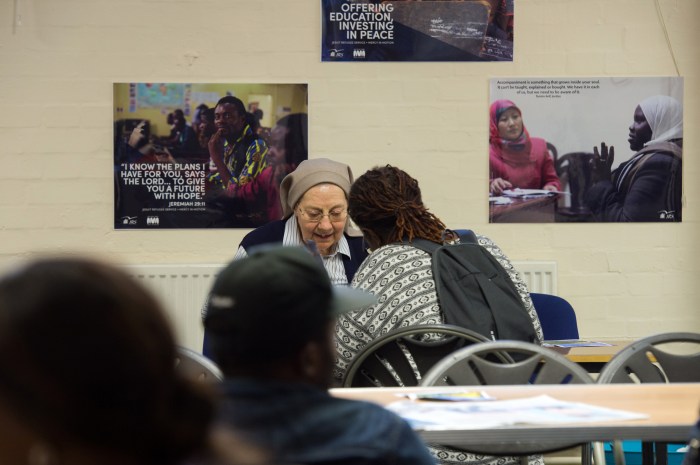
In conclusion, the reliance on church-based support for asylum seekers in Essex reveals a critical gap in the state’s provision of benefits. While churches provide vital support, the need for collaboration between religious organizations and government agencies is paramount. Addressing the bureaucratic challenges and improving access to state benefits is essential to create a more holistic and effective support system for asylum seekers in the region.
Ultimately, a seamless and comprehensive approach is required to ensure these vulnerable individuals receive the necessary assistance and support.