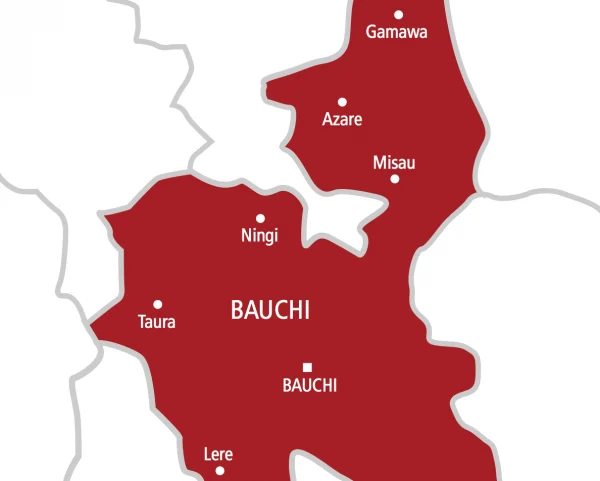
The Bauchi State Police Command has officially confirmed the arrest of five suspects involved in two separate, harrowing incidents of sexual violence against minors within the state. These incidents, which occurred in the Zaki and Katagum Local Government Areas, have once again thrust the issue of child protection and gender-based violence (GBV) into the spotlight, sparking widespread condemnation from law enforcement officials and child advocacy groups. The arrests involve a group of four men accused of the gang-rape of a 12-year-old girl, and a separate incident involving a 15-year-old boy accused of defiling a 10-year-old child.
Chronology of the Sakwa District Abduction and Assault
According to the official police statement released by the Command’s spokesperson, Nafiu Habib, the first incident took place on October 28, 2026, in the Sakwa District of Zaki Local Government Area. The victim, a 12-year-old girl, was allegedly abducted by four young men who conspired to carry out a premeditated assault.
The suspects have been identified as Badamasi Mohammed (18), Bello Mohammed (18), Mustapha Bappah (18), and Bashiru Sha’tubu (22), all of whom are residents of the Sakwa District. Investigations revealed that the suspects forcibly took the minor to the private residence of one of the perpetrators, where they proceeded to subject her to multiple acts of sexual violence.
The gravity of the situation became apparent when the victim’s 50-year-old father discovered the trauma his daughter had endured. He took the initiative to report the incident to the Sakwa Divisional Police Headquarters on Thursday. Upon receipt of the complaint, police detectives acted swiftly, securing the arrest of all four suspects. The victim was immediately transported to the General Hospital in Zaki for a comprehensive medical examination, the results of which are expected to form a critical component of the prosecution’s case. Following preliminary findings, the case has been transferred to the State Criminal Investigation Department (SCID) in Bauchi for a more rigorous and discreet forensic investigation.
The Azare Incident: A Separate Case of Child Abuse
In a parallel development that has further alarmed the community, the police command reported the arrest of a 15-year-old boy in connection with the defilement of a 10-year-old girl in Buskuri Village, located in the Katagum Local Government Area.
The timeline for this incident dates back to October 15, 2026, when the suspect allegedly lured the young girl into a farm under false pretenses before committing the act. The victim’s 45-year-old father filed an official report at the Azare Divisional Police Headquarters on October 29. Detectives immediately initiated an investigation and took the victim to the General Hospital in Azare for urgent medical assessment and care. The 15-year-old suspect is now in police custody and has similarly been transferred to the SCID in Bauchi to ensure the investigation is handled with the appropriate level of confidentiality and professionalism.
Contextualizing the Rising Threat of Gender-Based Violence
These incidents are not isolated occurrences but rather represent a disturbing trend of sexual violence against children in Northern Nigeria. Data from the National Bureau of Statistics and various non-governmental organizations indicate that cases of sexual and gender-based violence (SGBV) have seen a marked increase in the post-pandemic era.
Child protection experts often point to a combination of factors that contribute to this rise, including the erosion of community-based protective mechanisms, the lack of immediate access to forensic medical services in rural areas, and the systemic delays within the judicial process that often discourage victims’ families from seeking justice. In many rural districts like Sakwa and Buskuri, the distance to medical facilities capable of conducting sexual assault evidence collection (SAEC) can lead to the loss of critical physical evidence, making the prompt response of the Bauchi Police in these specific cases particularly vital.
Official Stance and Law Enforcement Strategy
The Commissioner of Police for Bauchi State, Sani-Omolori Aliyu, has issued a stern directive regarding these cases. He expressed his absolute intolerance for child abuse and emphasized that the command is committed to ensuring that the rights of children are protected under the law.
“The command maintains a zero-tolerance policy toward sexual and gender-based violence,” Commissioner Aliyu stated. He assured the public that the suspects would be subjected to a diligent and thorough investigation before being arraigned in a court of competent jurisdiction. The police spokesperson, Nafiu Habib, reiterated that the Command is working closely with medical professionals to ensure that the victims receive the necessary psychological and medical support required to navigate the aftermath of these traumatic experiences.
Furthermore, the Commissioner has called for a renewed commitment from parents and guardians across the state. He urged community members to remain vigilant, emphasizing that child safety is a collective responsibility. He advised that any suspicious behavior or signs of distress in children should be reported to the nearest police station immediately, as early reporting is often the deciding factor in the success of subsequent legal proceedings.
Broader Implications for Legal and Social Reforms
The involvement of suspects as young as 15 and 18 years old in these crimes raises profound questions about the socialization of youth and the efficacy of juvenile justice systems in the state. Psychologists and social workers often highlight that perpetrators of such young ages require specialized intervention, yet the primary focus of the law remains punitive.
There is a growing call from legal advocacy groups for the state government to strengthen the implementation of the Child Rights Act. While the law exists on paper, the practical application often faces hurdles related to cultural perceptions and the lack of specialized juvenile courts. Legal analysts argue that for justice to be truly served, the state must invest in:
- Forensic Capabilities: Expanding the availability of specialized sexual assault centers that can provide immediate, trauma-informed care and evidence collection in rural LGAs.
- Community Awareness Programs: Strengthening the capacity of traditional and religious leaders to recognize the signs of abuse and to dismantle the culture of silence that often surrounds such crimes.
- Judicial Expediency: Ensuring that cases involving minors are prioritized in the court system to prevent the psychological toll that prolonged litigation takes on the survivors and their families.
As the Bauchi State Police Command continues its investigation into these two cases, the community remains in a state of shock. These incidents serve as a sobering reminder of the persistent vulnerability of children in the region and the urgent need for a multifaceted approach involving law enforcement, the judiciary, and community-based support systems. The upcoming court proceedings for these five suspects will be closely watched by civil society organizations, serving as a test of the state’s resolve to protect its most vulnerable citizens and ensure that perpetrators of violence face the full weight of the law.
The Command has pledged to provide periodic updates on the progress of the investigations as they move from the SCID to the judicial phase, signaling a commitment to transparency in the face of these grave societal challenges. For now, the victims remain under medical care, and the residents of Zaki and Katagum LGAs are left to grapple with the reality of these crimes occurring in their own neighborhoods, fueling a broader discussion on the necessity for systemic change.