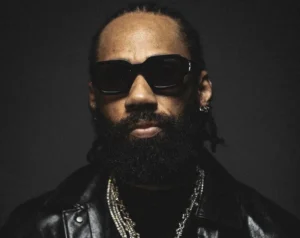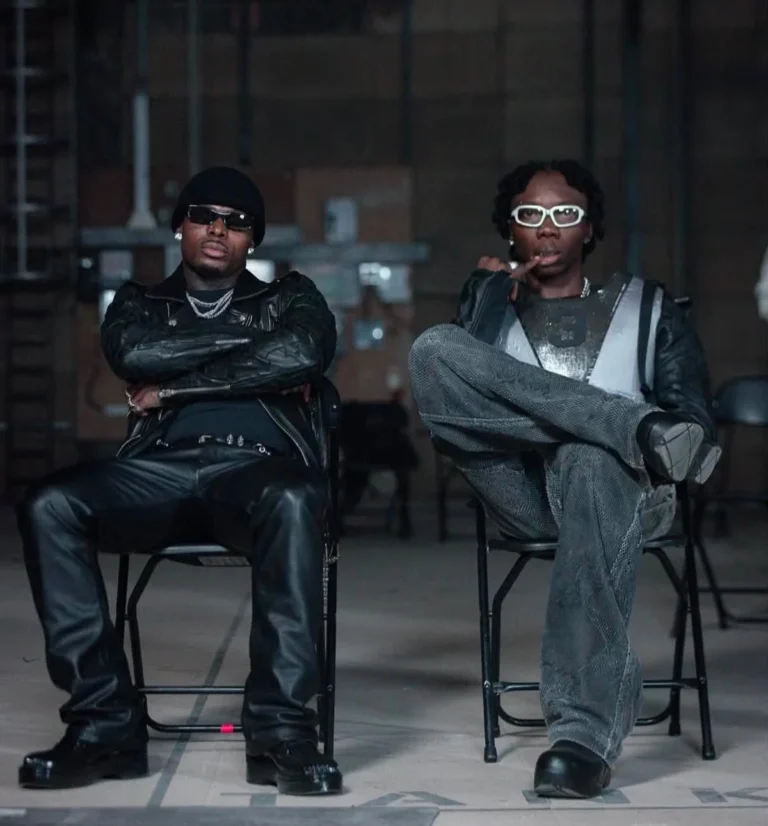
The collaborative synergy between Nigerian rap virtuoso BlaqBonez and Afro-fusion powerhouse Asake has become a defining narrative of the 2026 musical landscape. With a string of chart-topping hits that have transcended regional boundaries to achieve global streaming success, the partnership has proven to be one of the most commercially and critically effective pairings in modern Afrobeats. Recently, documentation provided by Memories FM, a repository dedicated to the creative processes of contemporary artists, shed light on the unconventional origins of their two most prominent tracks: "Chanel" and "Ikebe 3000."
The Genesis of Chanel: A London Night in Dalston
The trajectory of "Chanel" serves as a masterclass in the importance of organic audience testing. Initially recorded in Lagos in February 2026, the track was, by the artist’s own admission, a product of a prolific creative period where new compositions were generated daily. BlaqBonez noted that he did not immediately recognize the singular potential of the song, treating it as another entry in a deep archive of unreleased material.
The shift in the song’s status occurred in April 2026 during a professional trip to London. Eschewing the standard industry post-show routines, BlaqBonez opted for a more intimate gathering at Doña, a subterranean venue in the Dalston district, facilitated by his cousin. The evening proved to be a pivotal focus group. As the artist cycled through his catalog of unreleased tracks over the venue’s sound system, "Chanel" commanded immediate and repeated attention from the attendees. This unsolicited, high-energy feedback loop provided the objective validation required to shift the track from a casual recording to a priority release.
Following the event, the viral potential of the song was further amplified when BlaqBonez shared a candid video of himself engaging with the track. The subsequent digital engagement provided the momentum needed to finalize the collaboration. Upon sending the record to Asake—with whom he had established a rapport regarding potential future projects—the creative process accelerated. The final recording was completed in Nigeria, followed by a high-production music video shoot in London, setting the stage for its eventual ascent to the top of the Apple Music Nigeria Top Songs Chart and achieving a milestone of over 25.7 million streams on Spotify.
Ikebe 3000: From Sweltering Studios to Global Charts
While "Chanel" was a study in organic discovery, the creation of "Ikebe 3000" was an exercise in high-pressure efficiency and collaborative intensity. The project originated in June 2026 in a Lagos-based studio. The environment was notably spartan; the absence of air conditioning in the facility created a grueling physical environment, forcing the creative team to work in unconventional conditions, including removing their clothing to mitigate the intense heat.
The timeline for "Ikebe 3000" accelerated in August 2026. Following the success of their previous outing, the two artists sought to pivot toward a more dance-centric, rhythm-driven sound that incorporated elements of South African Gqom. At the time of the proposal, Asake was in Los Angeles. The turnaround for the collaboration was remarkably brisk: within 24 hours of receiving the track, Asake had returned a fully realized verse, signaling a level of creative synchronicity rarely seen in high-profile collaborations.
The record’s release was marked by strict confidentiality, maintaining a "stealth" approach to the rollout that helped build anticipation. Upon its release, "Ikebe 3000" achieved significant market penetration, topping both the Spotify Nigeria and Apple Music Nigeria charts. Furthermore, its debut at No. 5 on the Billboard U.S. Afrobeats Songs chart served as a definitive indicator of the track’s international viability and the growing influence of the BlaqBonez-Asake creative brand.
Chronological Breakdown of the Collaboration Cycle
The success of these tracks did not occur in a vacuum; it was the result of a deliberate, albeit fast-paced, production schedule that maximized both local and international market windows:
- February 2026: Initial recording of "Chanel" in Lagos.
- April 2026: The Doña venue showcase in London, which validated "Chanel" as a hit.
- June 2026: "Ikebe 3000" recorded in a high-temperature studio environment in Lagos.
- August 2026: The rapid-fire exchange of files between Lagos and Los Angeles, resulting in the completion of "Ikebe 3000" in under 24 hours.
- Late 2026: Simultaneous chart dominance of both tracks, punctuated by music video releases filmed in London.
Analytical Perspectives on the Partnership
The success of these collaborations underscores a shift in how Afrobeats stars approach the creation of "hits." Both BlaqBonez and Asake have demonstrated a preference for spontaneity over over-produced, long-lead marketing cycles. By testing tracks in real-world environments—such as the London bar setting—they are able to gauge audience response before committing to expensive, time-consuming promotion.
From a musicological standpoint, the integration of Gqom influences in "Ikebe 3000" highlights a broader trend within the Nigerian music industry: the cross-pollination of regional African sounds to create a more expansive, globalized "Afrobeats" identity. Asake’s preference for "Ikebe 3000" as his favorite of the duo’s work suggests that for these artists, the creative friction—whether it be the heat of a Lagos studio or the distance between Lagos and Los Angeles—is a necessary catalyst for quality output.
Broader Implications for the Industry
The commercial data surrounding these tracks provides a clear mandate for future collaborations. With over 25 million streams for "Chanel" and a Top 5 Billboard debut for "Ikebe 3000," the partnership has effectively bridged the gap between underground rap appeal and mainstream commercial dominance.
Industry analysts observe that this success is not merely a result of individual star power but a reflection of the "collaborative intelligence" currently driving the genre. By maintaining a high degree of privacy during the development of these records, the artists have successfully managed to control the narrative and maximize the impact of their drops, a strategy that is becoming increasingly common in an era of digital saturation.
Furthermore, the logistical ease with which they managed international collaborations—transferring files between Lagos, London, and Los Angeles—demonstrates the maturity of the digital infrastructure supporting modern African music. As these artists continue to refine their sound, the "BlaqBonez-Asake" brand stands as a testament to the power of artistic chemistry, technical efficiency, and the importance of listening to the audience in the early stages of the creative process.
As of late 2026, the ongoing momentum of these two records remains a primary feature of the Nigerian airwaves. The ability to pivot from the refined, melodic nature of "Chanel" to the high-energy, percussive drive of "Ikebe 3000" confirms that the partnership is not one-dimensional. Instead, it is a versatile alliance capable of dominating both the streaming charts and the dance floors of the global Afrobeats scene, setting a high benchmark for future collaborations in the industry.